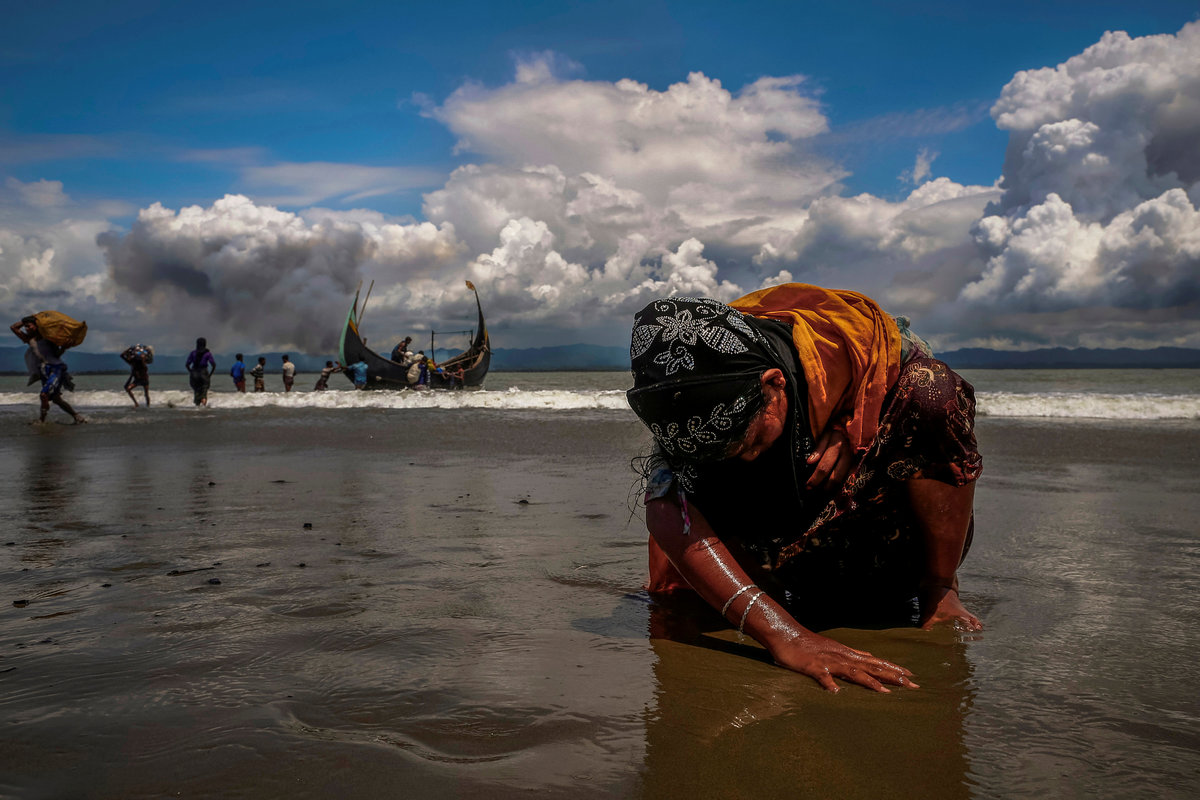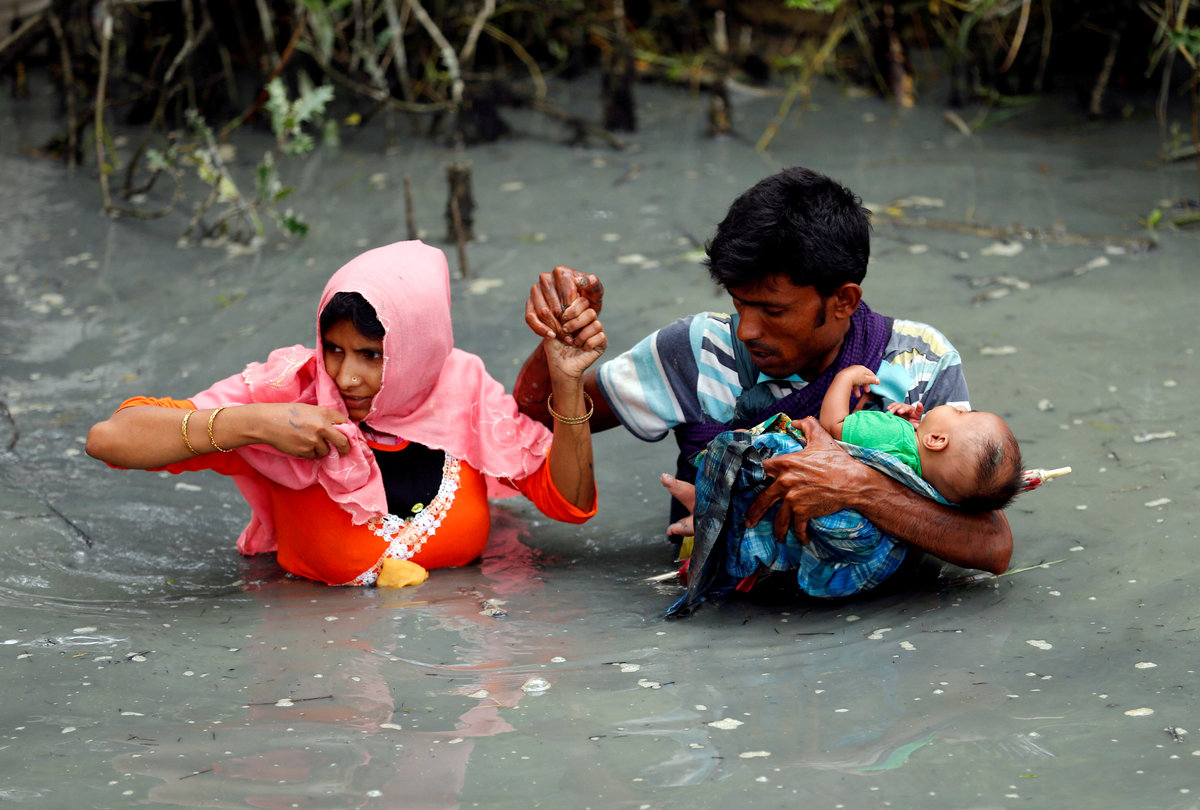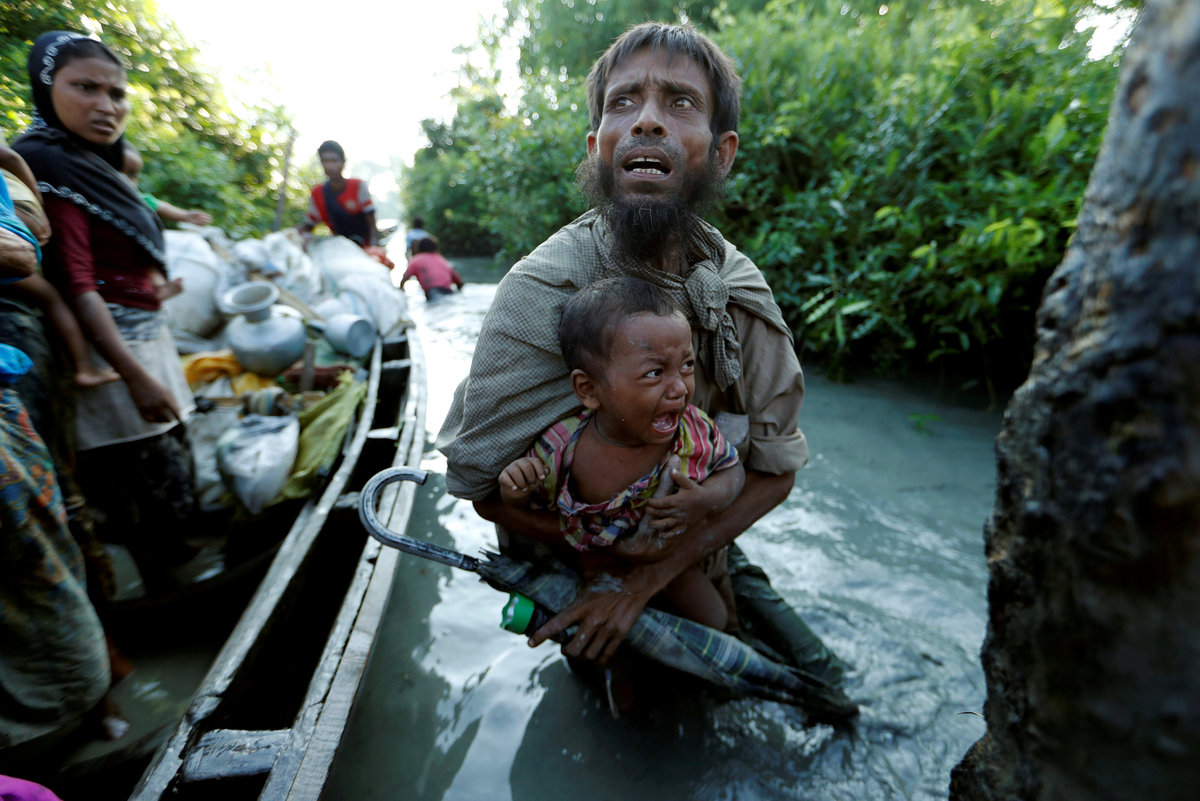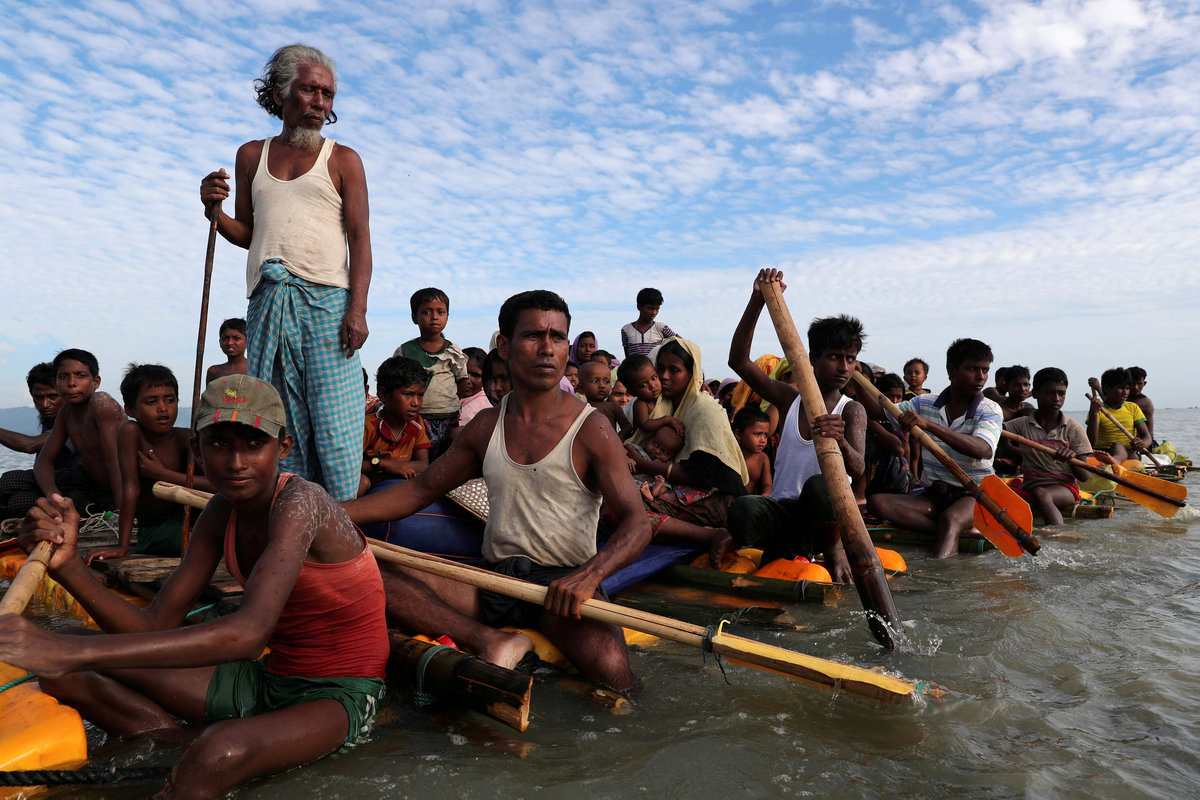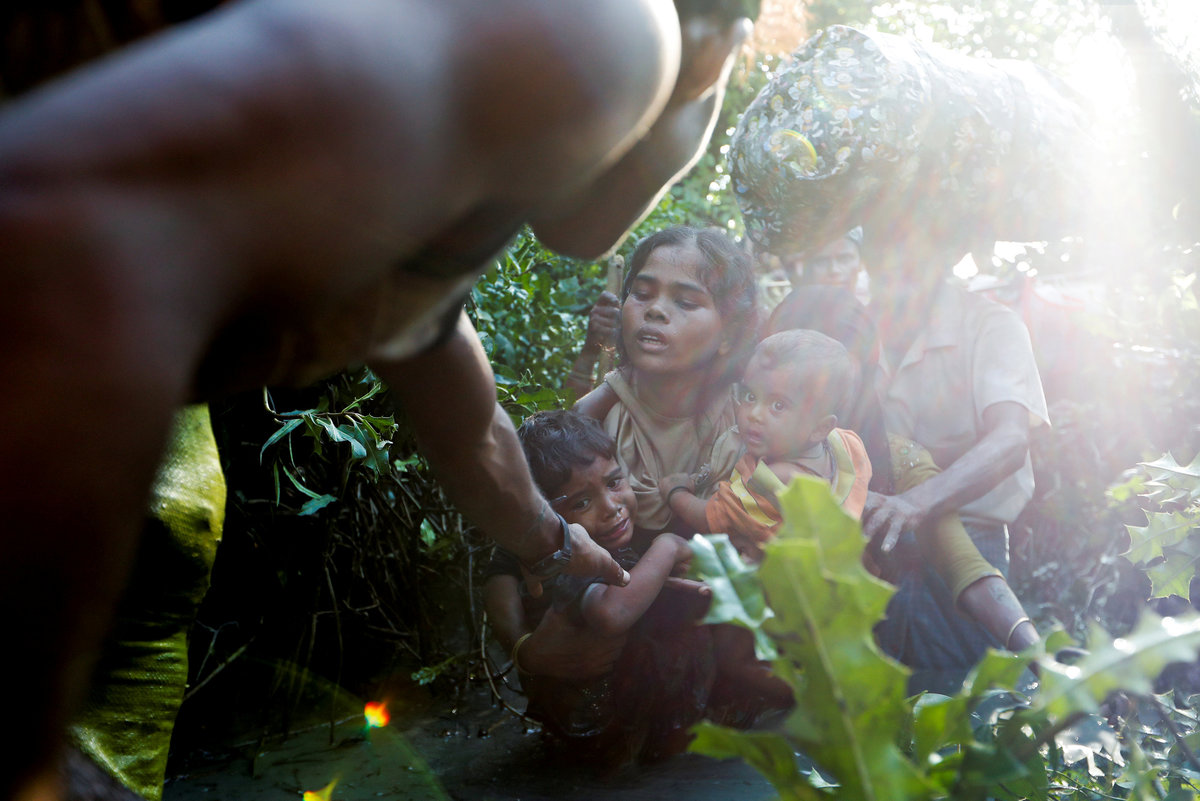
BALUKHALI REFUGEE CAMP, Bangladesh (Reuters) - Hamida Begum fled her home in Myanmar to neighbouring Bangladesh about two months ago with her husband, two-year-old son, and three-month-old baby. In the weeks before she left, her husband almost never slept at home out of fear of being arrested.
"He would climb on top of a tree and sit there the whole night, even if it was raining really hard," said the 18-year-old, wearing a yellow headscarf over a purple dress and sitting on the floor of her barren bamboo hut.
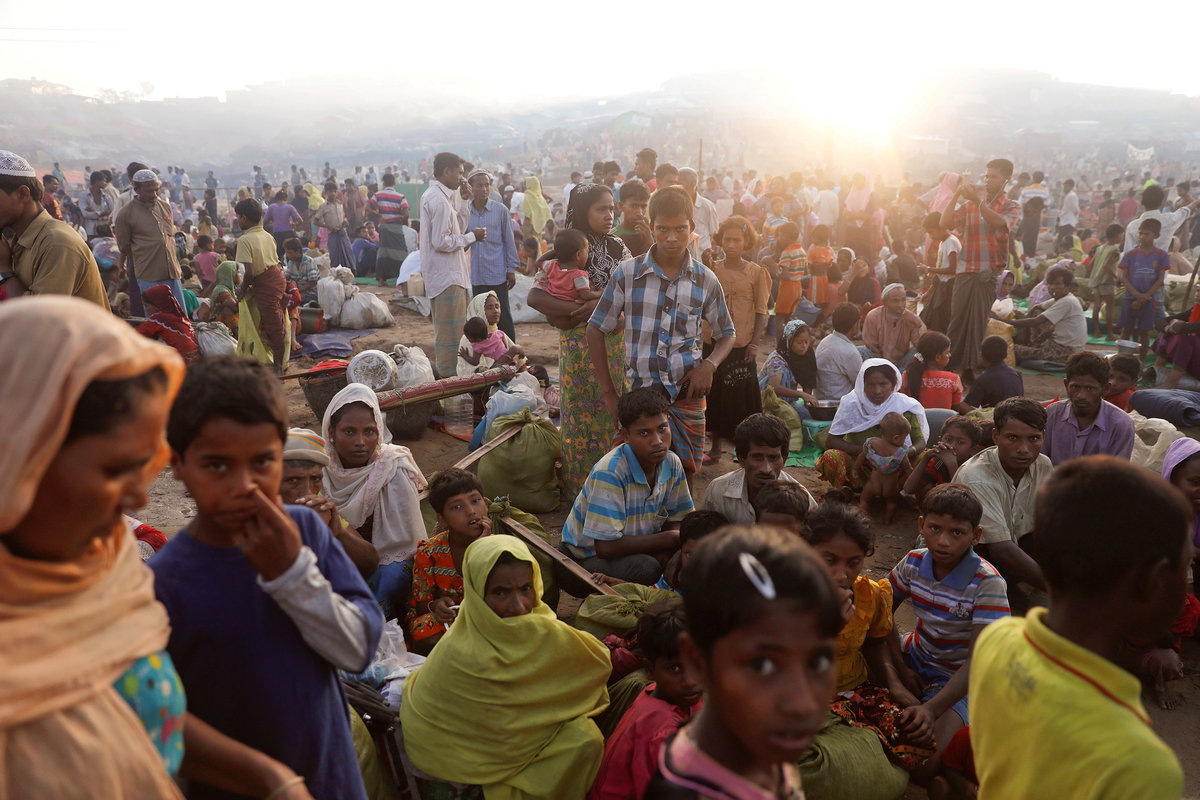
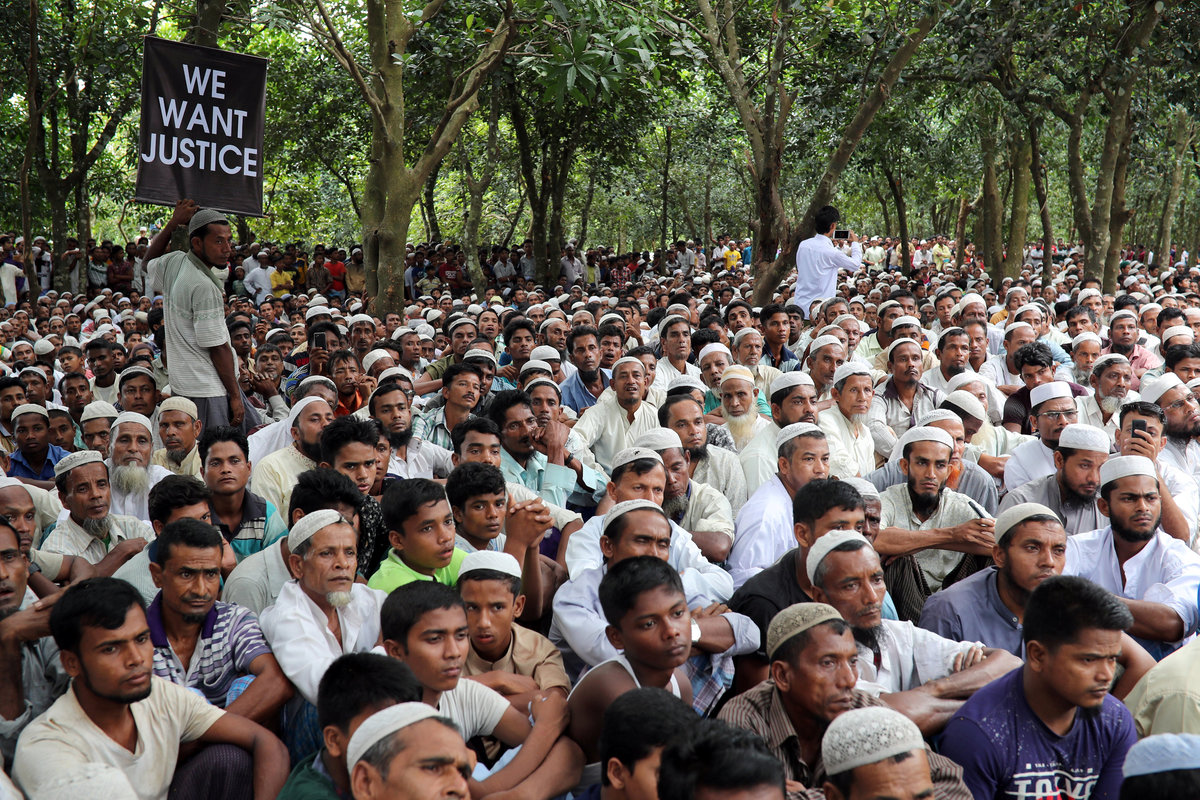
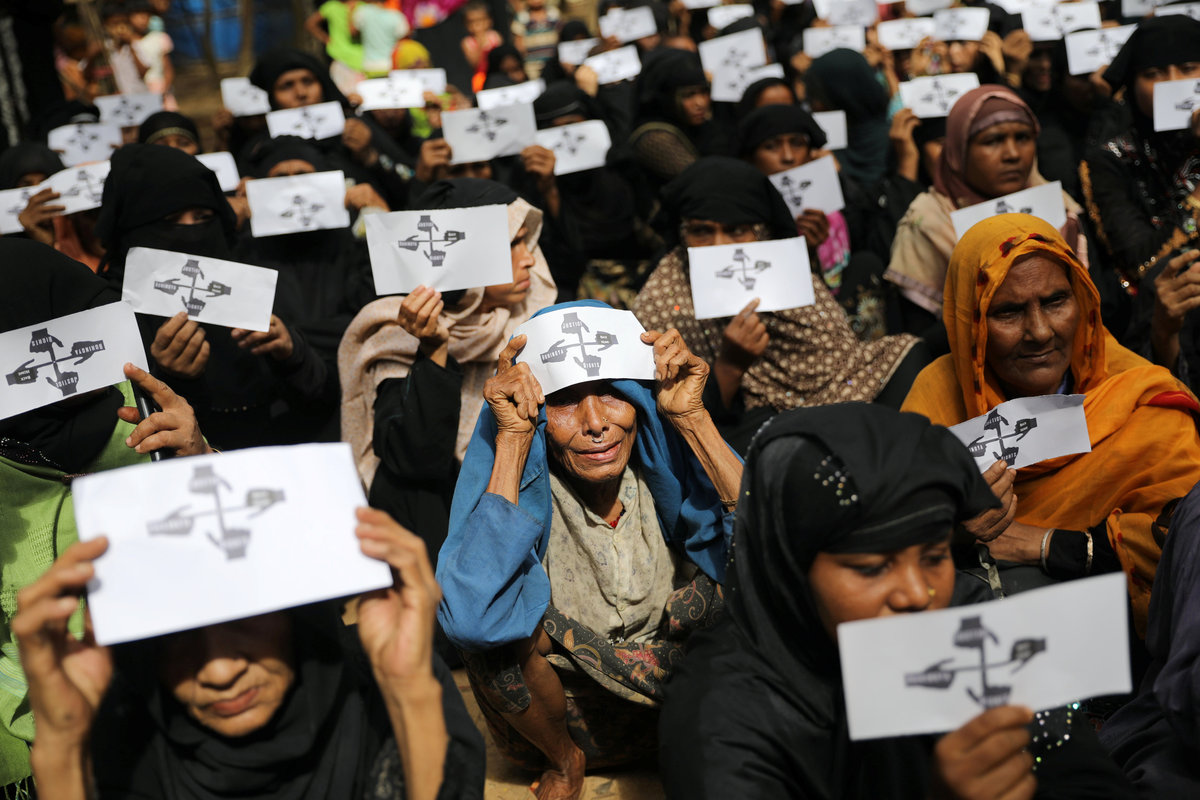
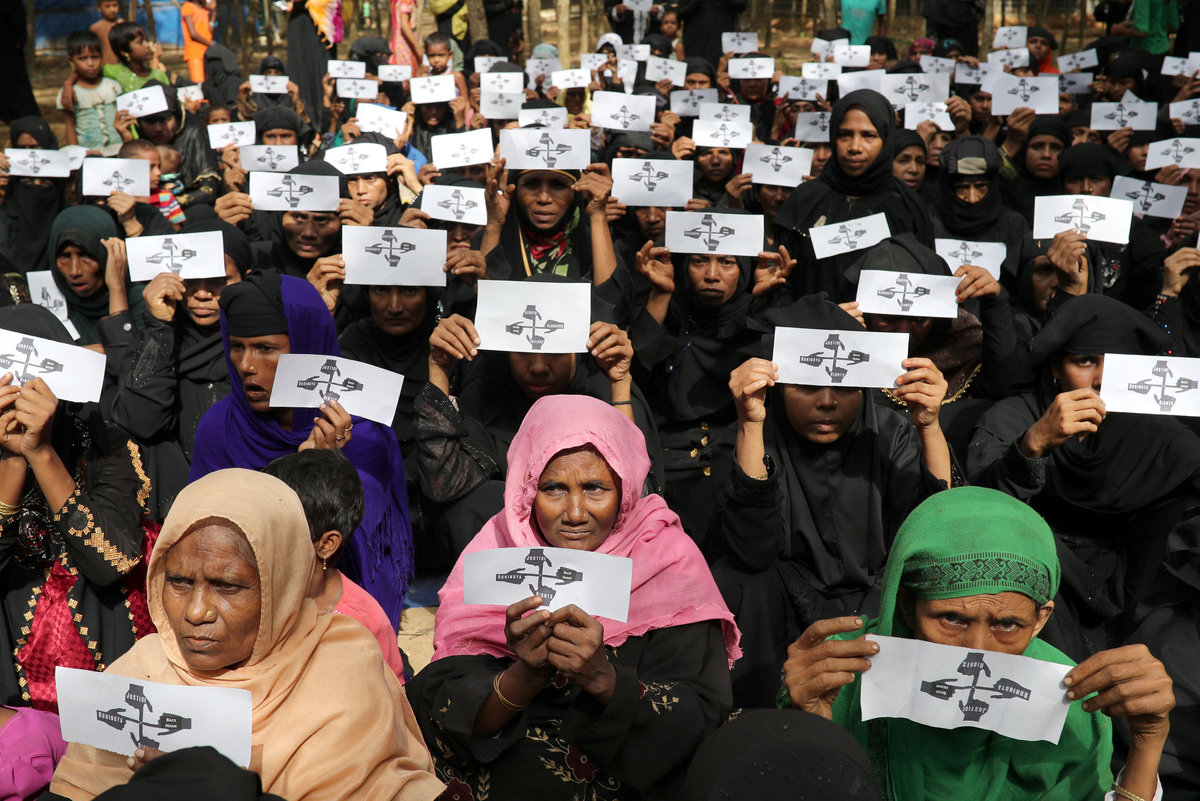
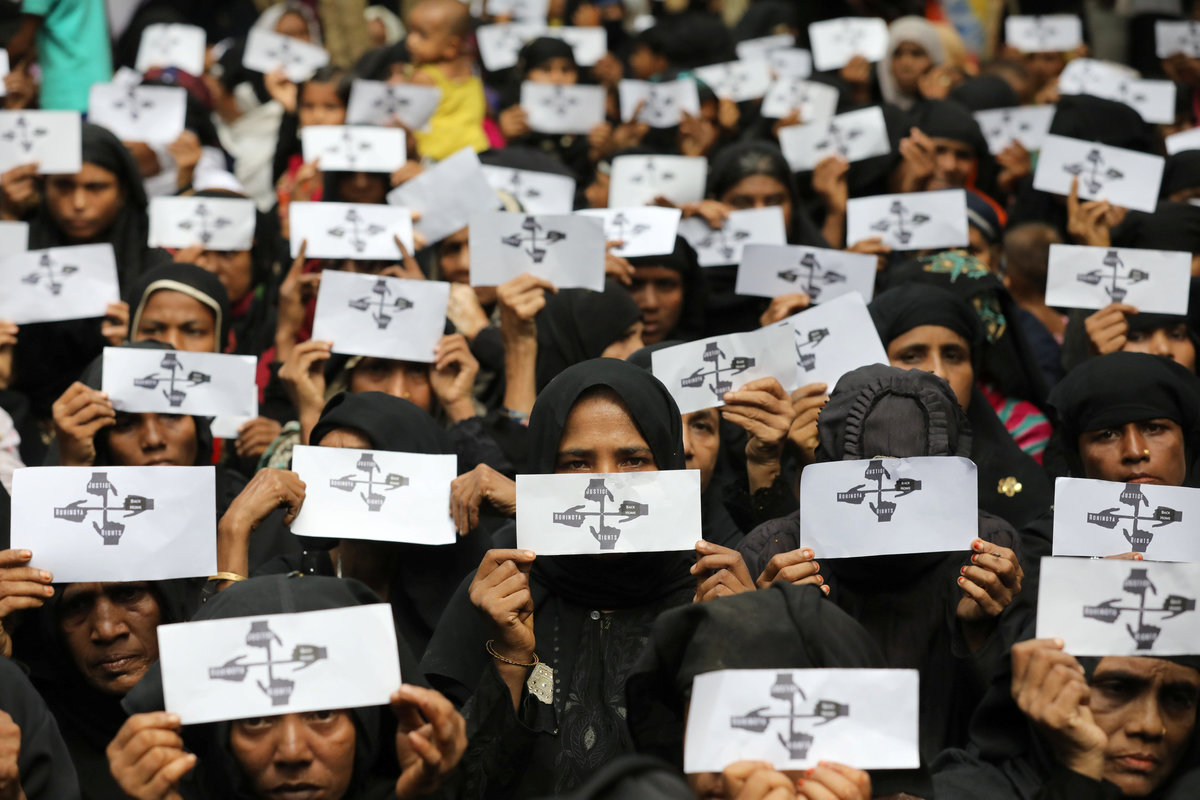
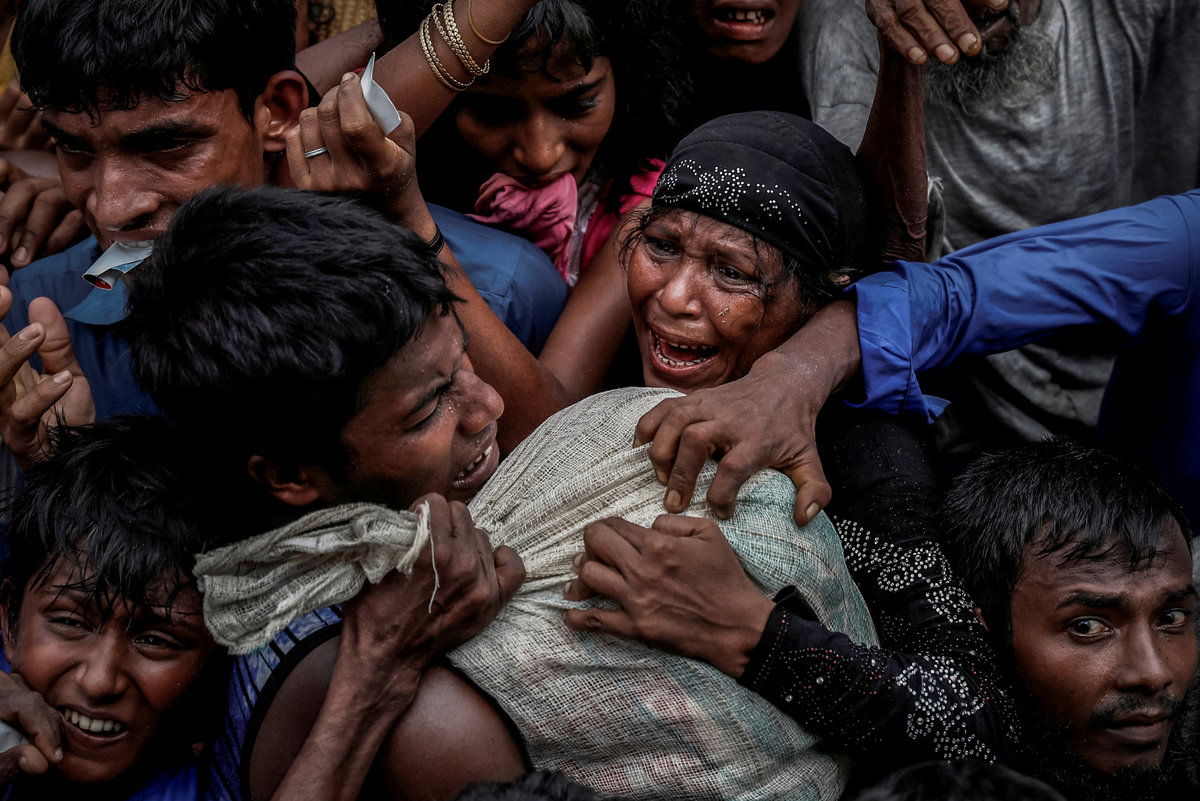
Hamida now lives on the edge of the world's largest refugee camp, one of the latest arrivals among some 700,000 Rohingya Muslims who have escaped an army crackdown that the United Nations has called "a textbook example of ethnic cleansing".
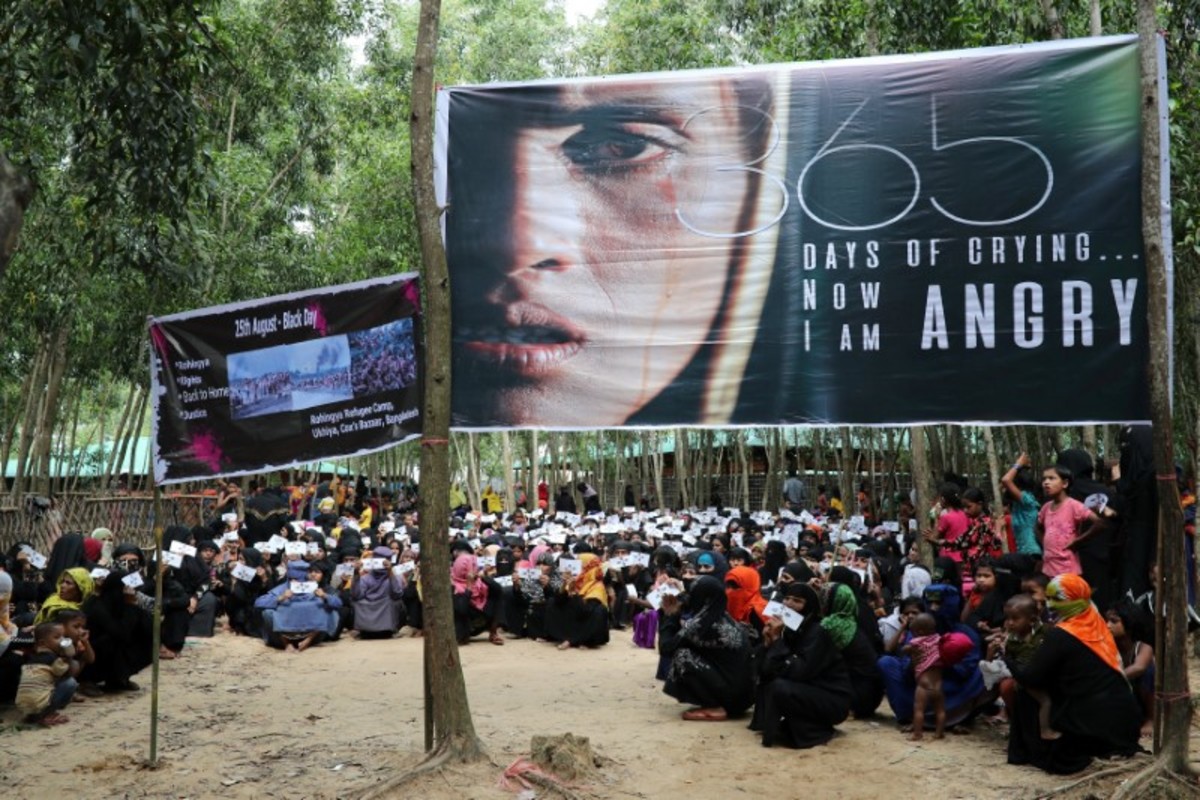
Though Myanmar says it is ready to take back the Rohingya, the continued outflow of refugees such as Hamida and her family underlines the lack of progress in addressing the crisis, a year on from the start of the offensive on Aug. 25, 2017.
The Rohingya exodus has threatened Myanmar's tense transition to democracy and shattered the image of its leader, Nobel peace prize laureate Aung San Suu Kyi, outside the country.
"The crisis has done enormous damage to Myanmar's standing in the world," said Richard Horsey, a former U.N. diplomat in the country and a political analyst.
Suu Kyi's government has rejected most allegations of atrocities made against the security forces by refugees. It has built transit centres to receive Rohingya returnees to western Rakhine state.
But stories brought by Hamida and other recent arrivals in Bangladesh - at least 150 people in August and nearly 13,000 since the beginning of the year - suggest the resolution of a crisis that enters its second year on Saturday remains distant.
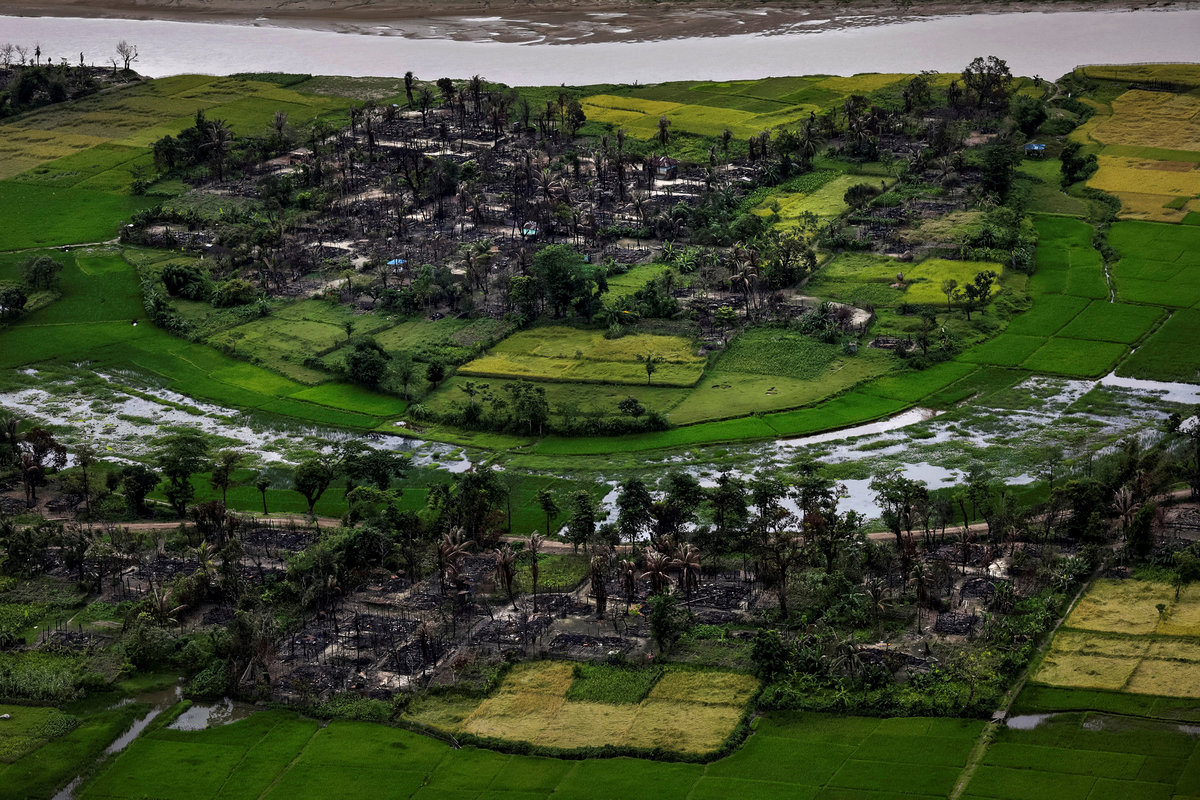
Around half a dozen new refugees who spoke to Reuters said that, after months of struggle amid charred huts and empty villages, they were forced to abandon their homes out of fear of harassment or arrest by the security forces. They said they had been confined to their homes and pushed to the brink of starvation, unable to visit farms for work, markets and fishing ponds for food, or mosques to pray.
Myanmar says it did not provoke the crisis and its military launched a legitimate counterinsurgency operation in response to a violent campaign from within the Rohingya minority, who are mostly denied citizenship in the southeast Asian nation.
"It was a systematic activity by a group in order to get a citizenship for Bengali people," said Myo Nyunt, a spokesman for Suu Kyi's National League for Democracy (NLD) party.
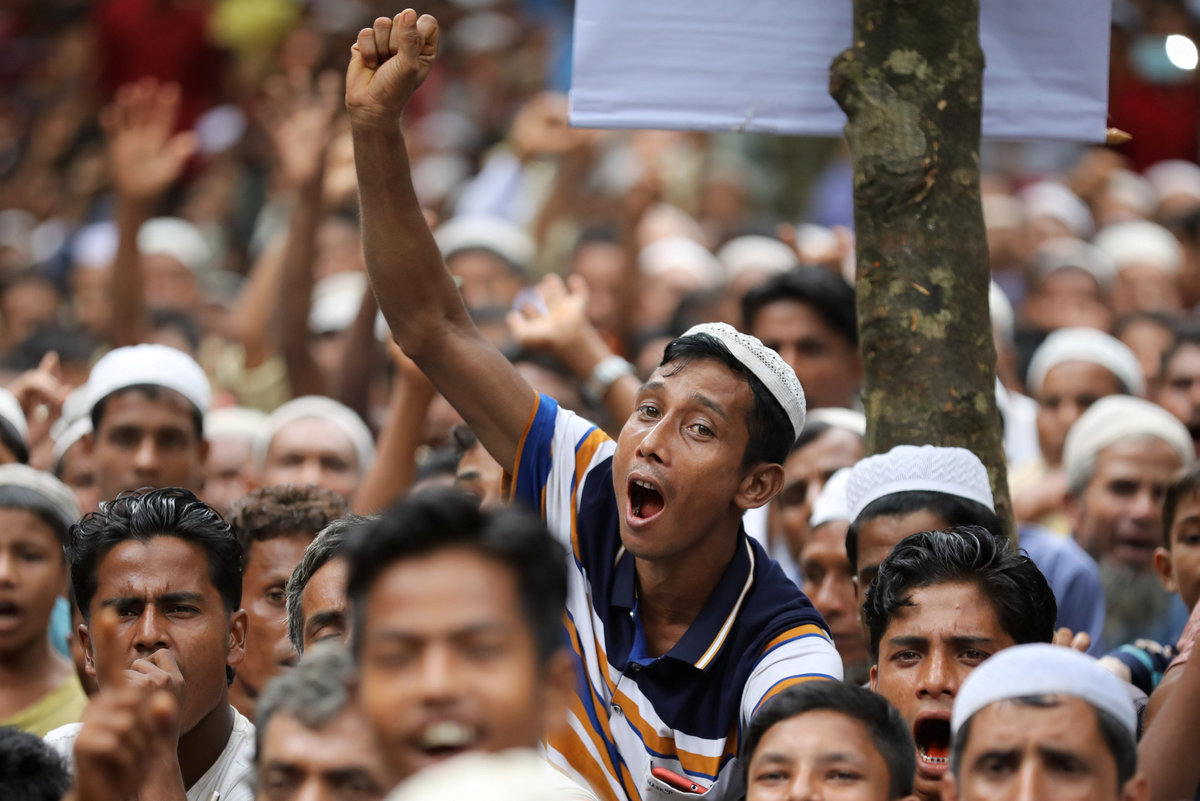
Many in Buddhist-majority Myanmar refer to the Rohingya as "Bengali", which most in the Muslim minority regard as a derogatory term used to suggest they are interlopers from Bangladesh.
AFRAID TO LIGHT CANDLES
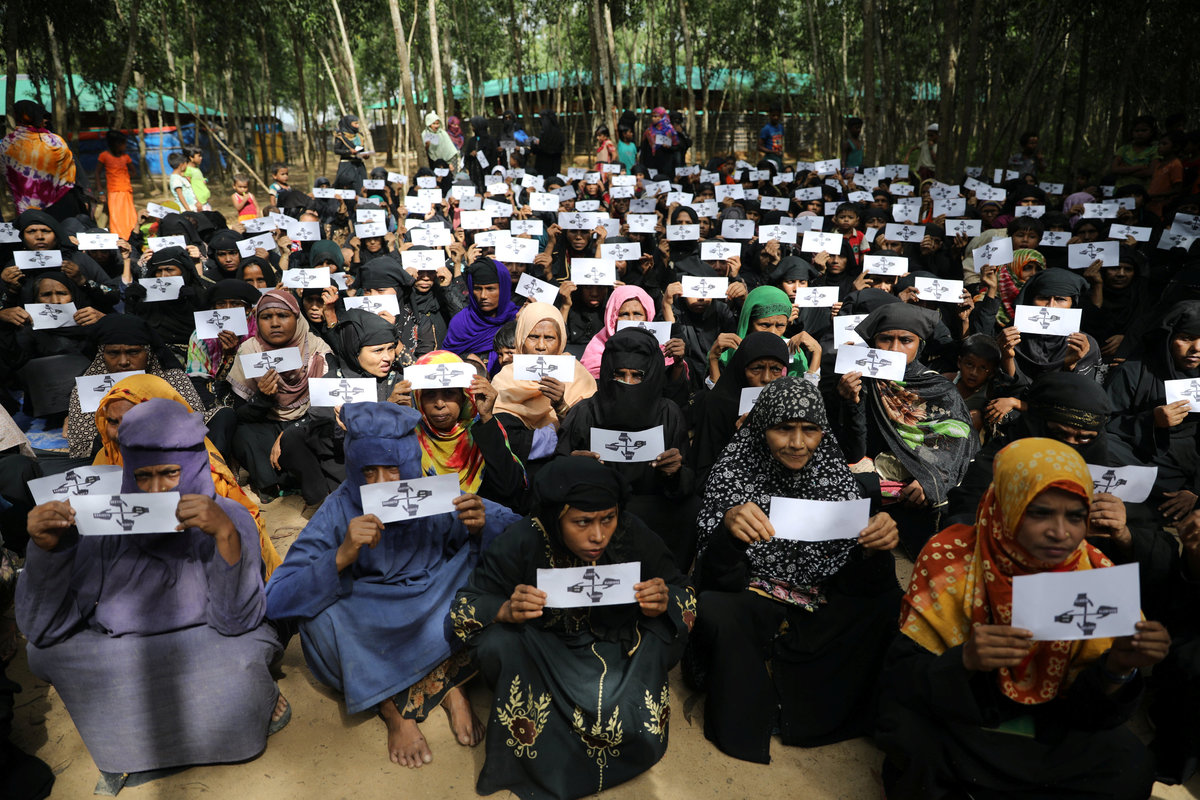
The massive influx of refugees has transformed the hills in southeastern Bangladesh into an endless sea of white, orange and blue tents. Residents are settling in for the long haul.
Near Hamida's hut, Rohingya men carry bricks, dig 4 metre-deep latrines, reinforce muddy slopes with sturdy soil, and mend fences for a new NGO-run school. Bits of wood, bamboo poles and tarpaulin sheets are spread across the area where many of the new arrivals are sent to build their shelters.
Hamida said around 5,000 Rohingya lived in her village in northern Rakhine until last August. When she fled about two months ago, she was among only 100 or so who had remained in the partly-burned hamlet.
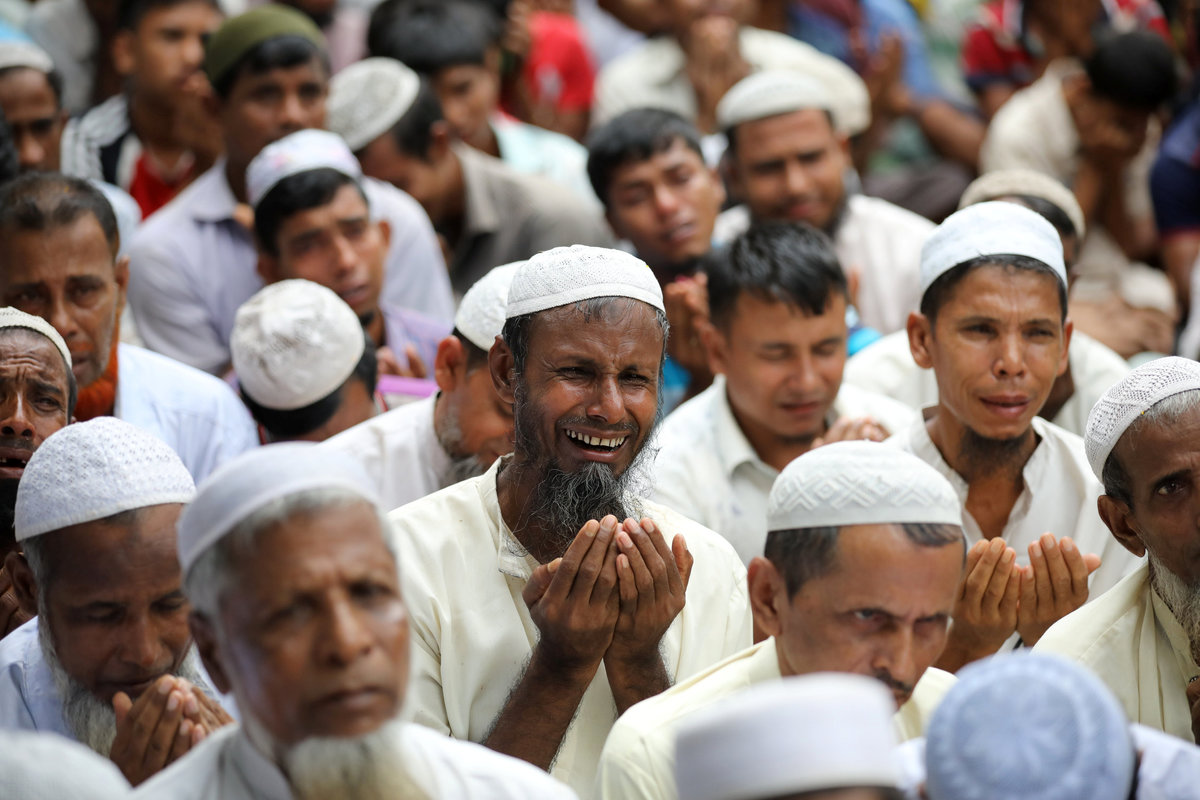
Reuters was unable to independently verify Hamida's account, though relatives and neighbours present at the interview supported her version of events and offered additional details.
Hamida stayed because she could not afford to pay her way into Bangladesh. Months after the initial offensive, she said, the security forces frequently patrolled her village and sometimes arrested Rohingya men or grabbed them to do unpaid work at an expanding military camp nearby.
"In Myanmar, if my children start crying at night, I can't even light a candle because there is a complete blackout, and if the military see any light they come and arrest you," she said.
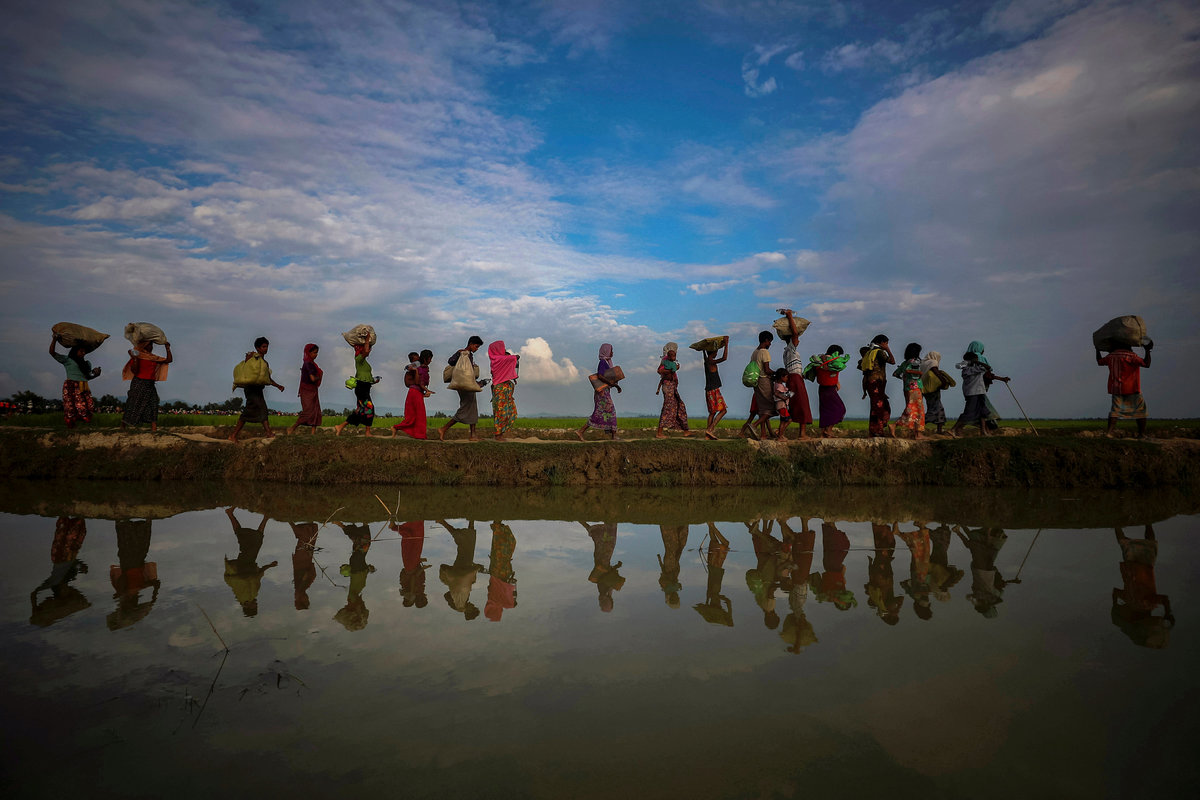
The UN's refugee agency, UNHCR, said in a report last week more than half of the new arrivals, "reported that relatives remaining in Myanmar also plan to leave due to continued fears".
"People tell us...they told me, that they feel like they're prisoners. They can't leave the house, the men can't go fishing, the curfew is so extreme, that there are only certain hours when you can light a fire," said Caroline Gluck, a UNHCR representative in the camps.
Suu Kyi's spokesman did not respond to repeated calls seeking comment. In a speech in Singapore on Tuesday, Myanmar's civilian leader said the country had made preparations for the repatriation of refugees, but that it was difficult to set a timeframe for when that might happen.
"The returnees have to be sent back by Bangladesh," she said. "We can only welcome them at the border."
NLD spokesman Myo Nyunt acknowledged that the ethnic and religious tensions that triggered the violence in Rakhine a year ago remained stark.
"The situation in the area hasn't changed within one year," he said. "It will take time to be improved, live in harmony."
(Additional reporting by Thu Thu Aung and Poppy McPherson in Yangon; Editing by Alex Richardson)