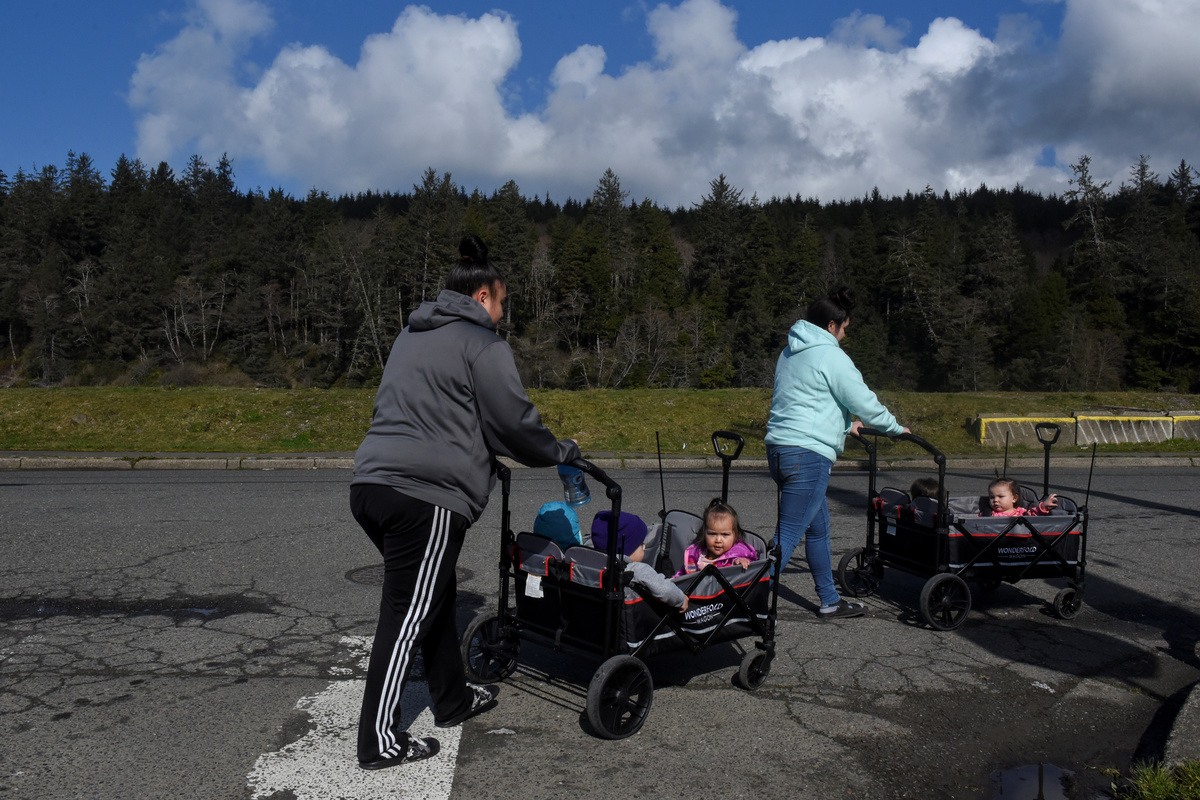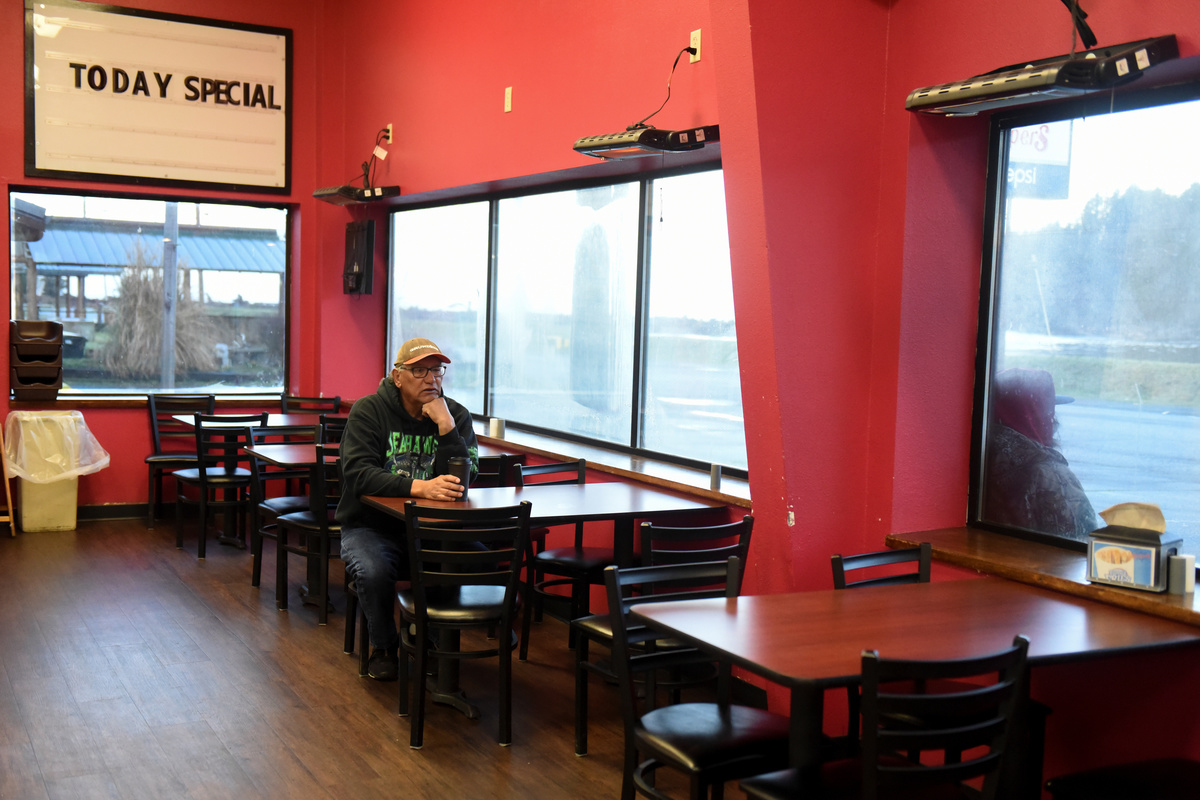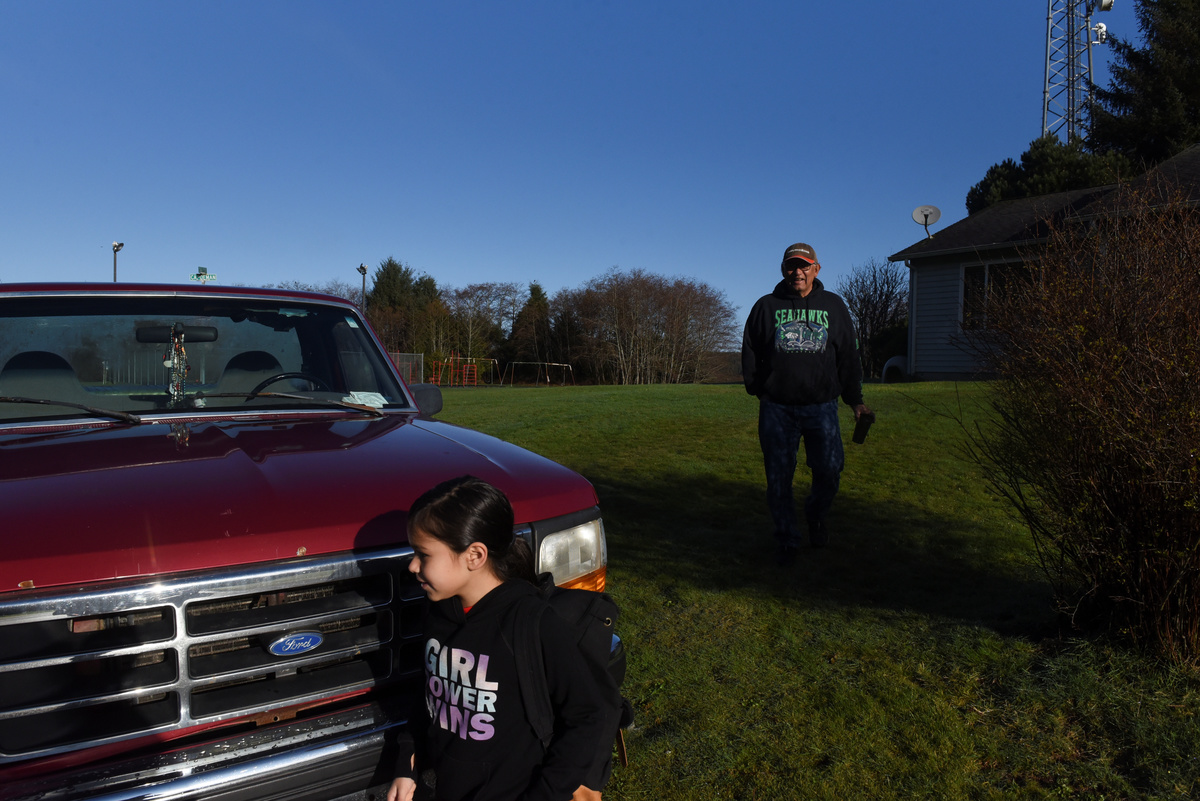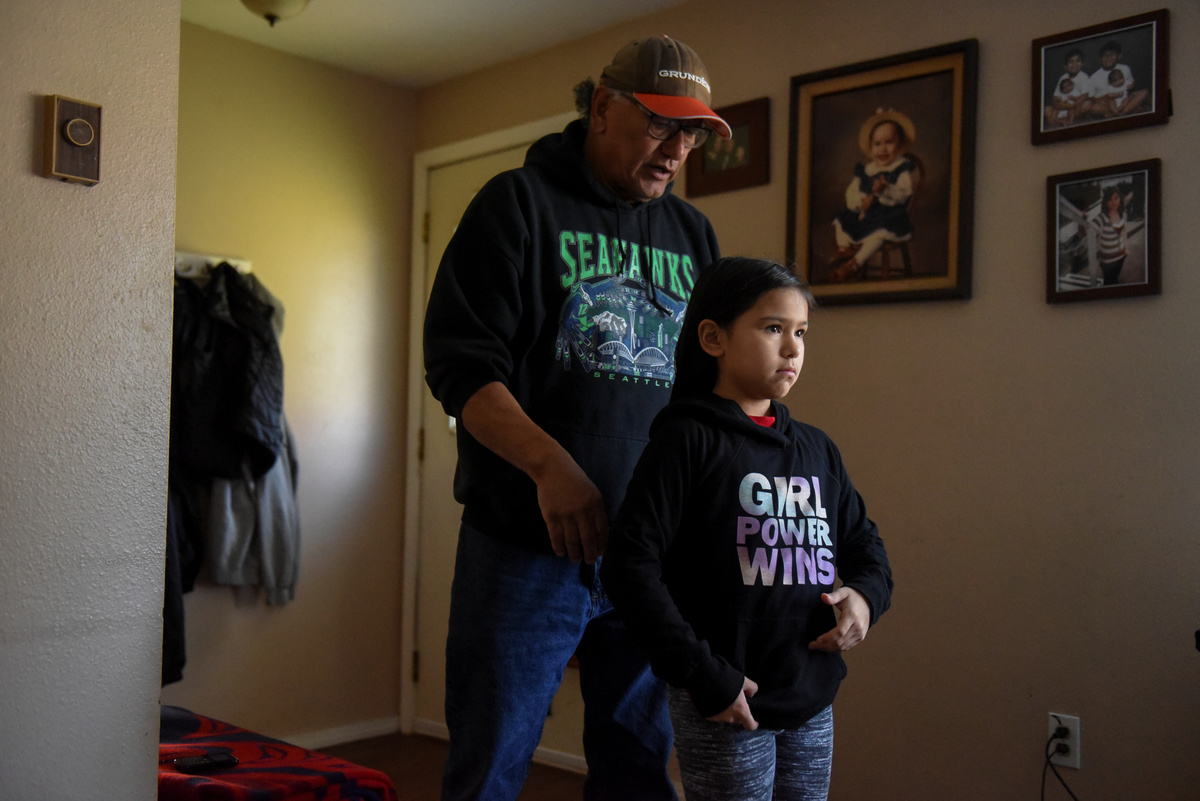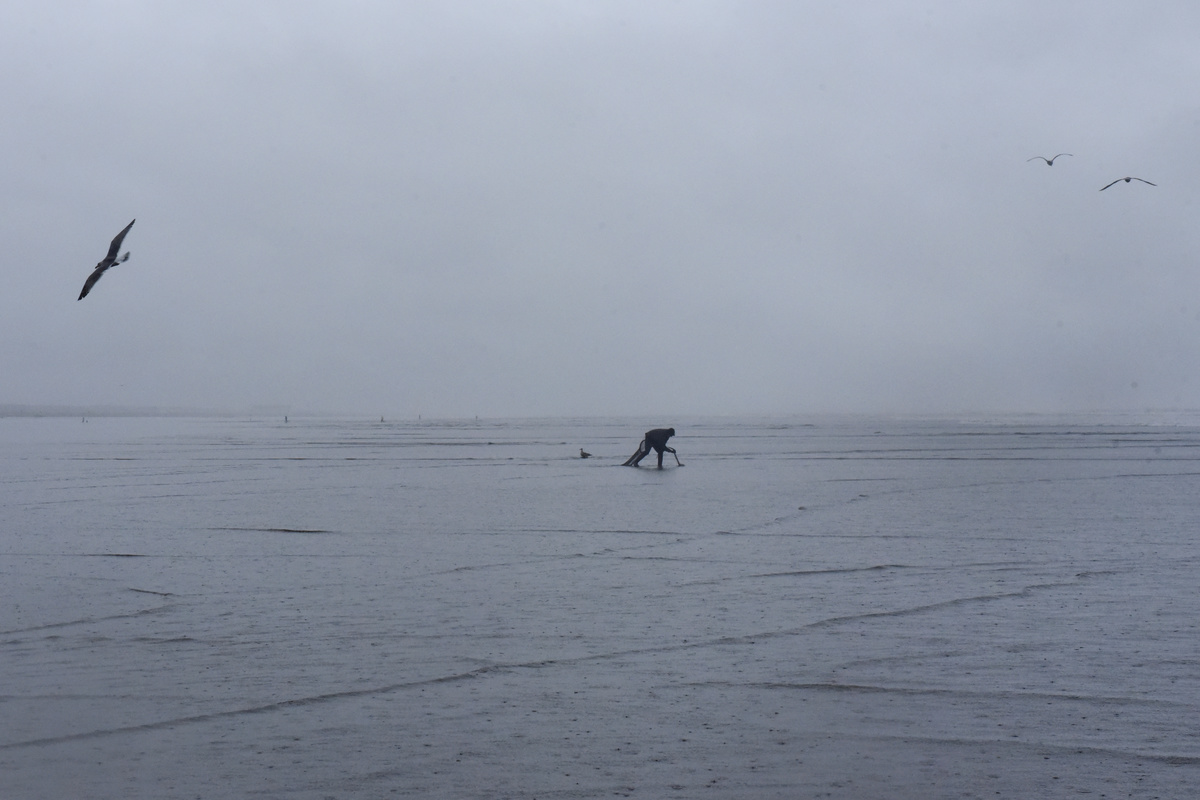
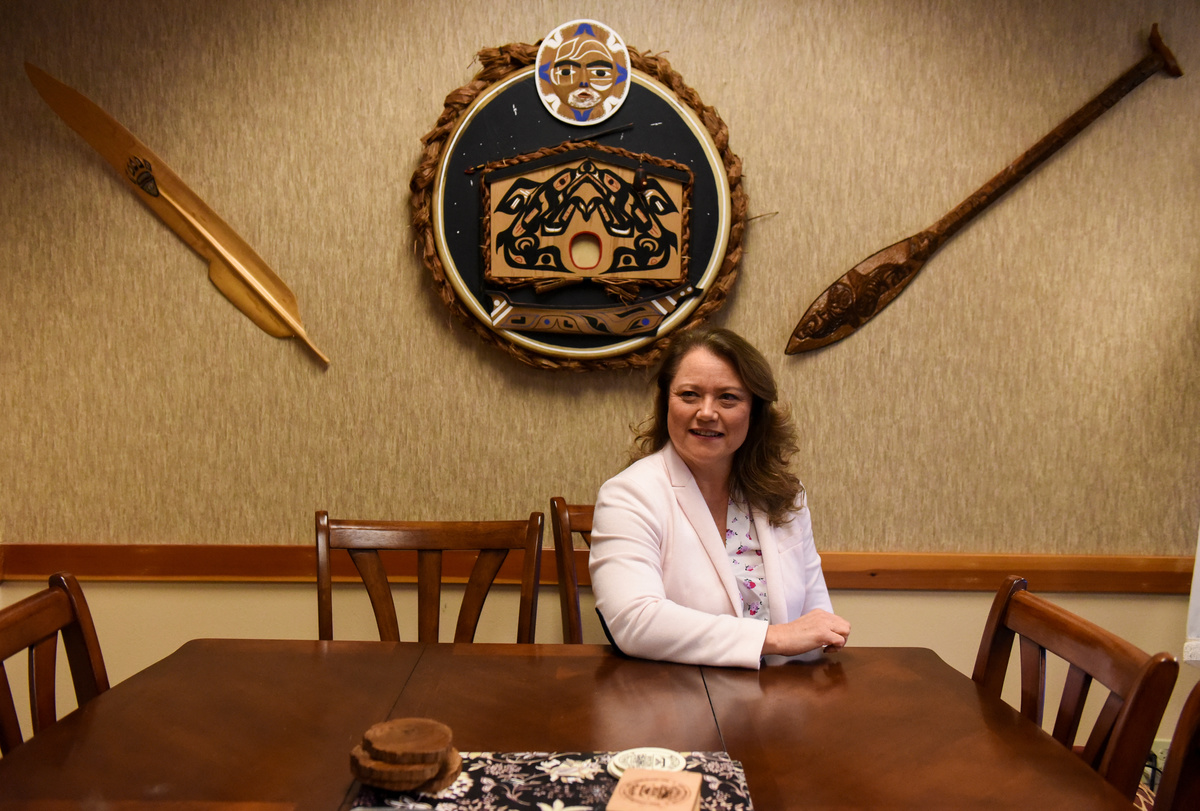
For several years, Fawn Sharp has seen her tribe on the coastline of Washington state lurch from crisis to crisis: rising sea levels have flooded the Quinault Indian Nation’s main village, and its staple sockeye salmon in nearby rivers have all but disappeared – a direct hit to the tribe’s finances and culture.
Now Sharp, the 49-year-old president of the Quinault, plans to move the tribe to higher ground, restore the fishery, and diversify its economy. The projects are foundering, she says, because of a lack of federal money to help Native Americans adapt to climate change.
The Quinault’s struggles reflect the broader challenges of Native Americans, who are among the most vulnerable to the impacts of climate change because their tribes are tied to reservation land and rely on natural resources for subsistence and trade, according to the National Climate Assessment report written by federal agencies.
(For a WIDER IMAGE photo essay, click https://reut.rs/34lA74D )
Southwestern tribes such as the Navajo Nation face acute water shortages as the Colorado River dries up. Northern tribes including the Bar River Band of Lake Superior Chippewa are losing access to wild rice and walleye due to warming in Lake Superior, which has heated faster than any other U.S. body of water.
Tribes are ill-equipped to adapt their reservations to increasing threats from storms, flooding, drought and wildfires because their communities are typically poor and because federal programs offer scant support. The Interior Department’s Bureau of Indian Affairs provides $10 million a year for tribal climate resilience planning nationwide, and FEMA provides another $20 million to tribes under a fund to protect communities from natural disasters.
That's not much when spread among more than 500 tribes, said Sharp, who has made climate change the top issue in her newly acquired additional role as president of the National Congress of American Indians, which represents 535 registered tribes.
In addition to lobbying for more federal support, Sharp has set her sights on industries that contribute to climate damage. To finance a relocation of some tribe members, she plans to propose a carbon tax for companies doing business on the reservation, which features rich timberlands and a port. The measure would make it the first tribe in the United States to price carbon.
She's also considering a lawsuit against big oil companies she believes should help pay the tab for climate-damage mitigation.
“Those who are directly responsible for causing the damage should be paying,” she said, for "generations of exploitation.”

The Western States Petroleum Association industry group declined to comment on potential lawsuits, saying only that oil companies and tribes should be “working with each other and not against each other.”
VANISHING SALMON
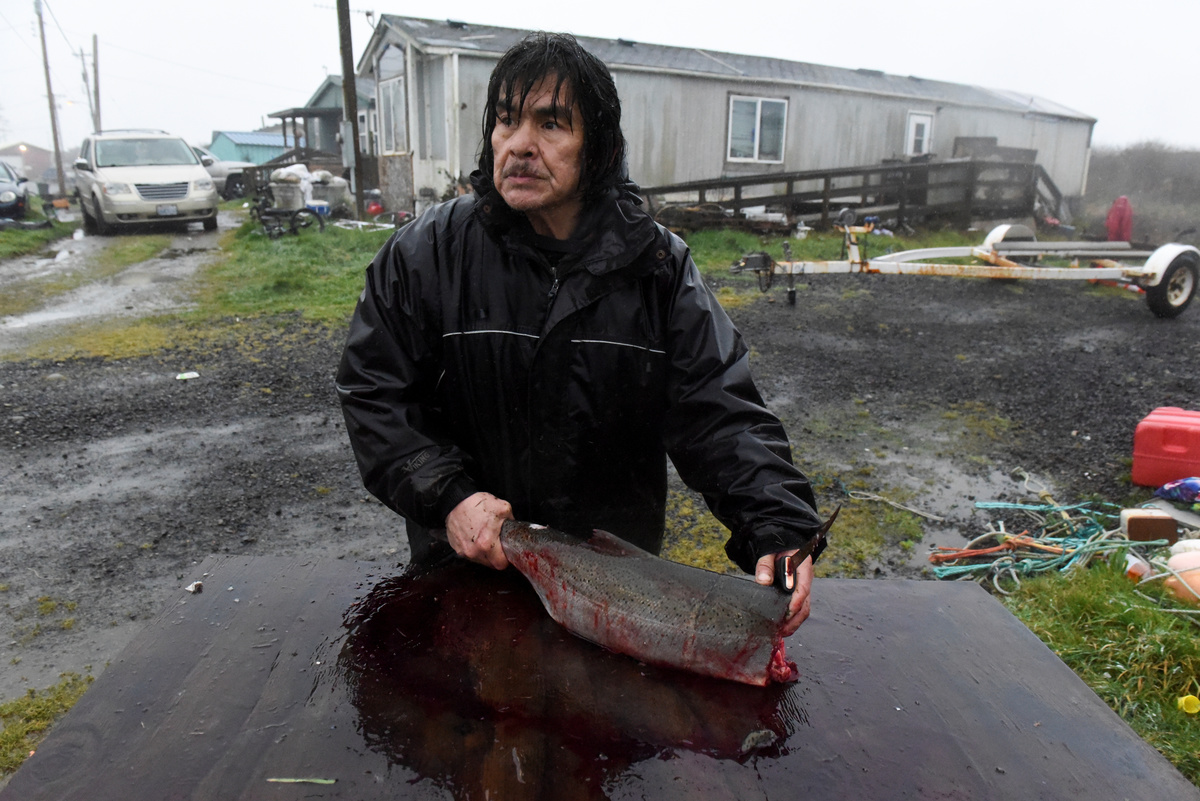
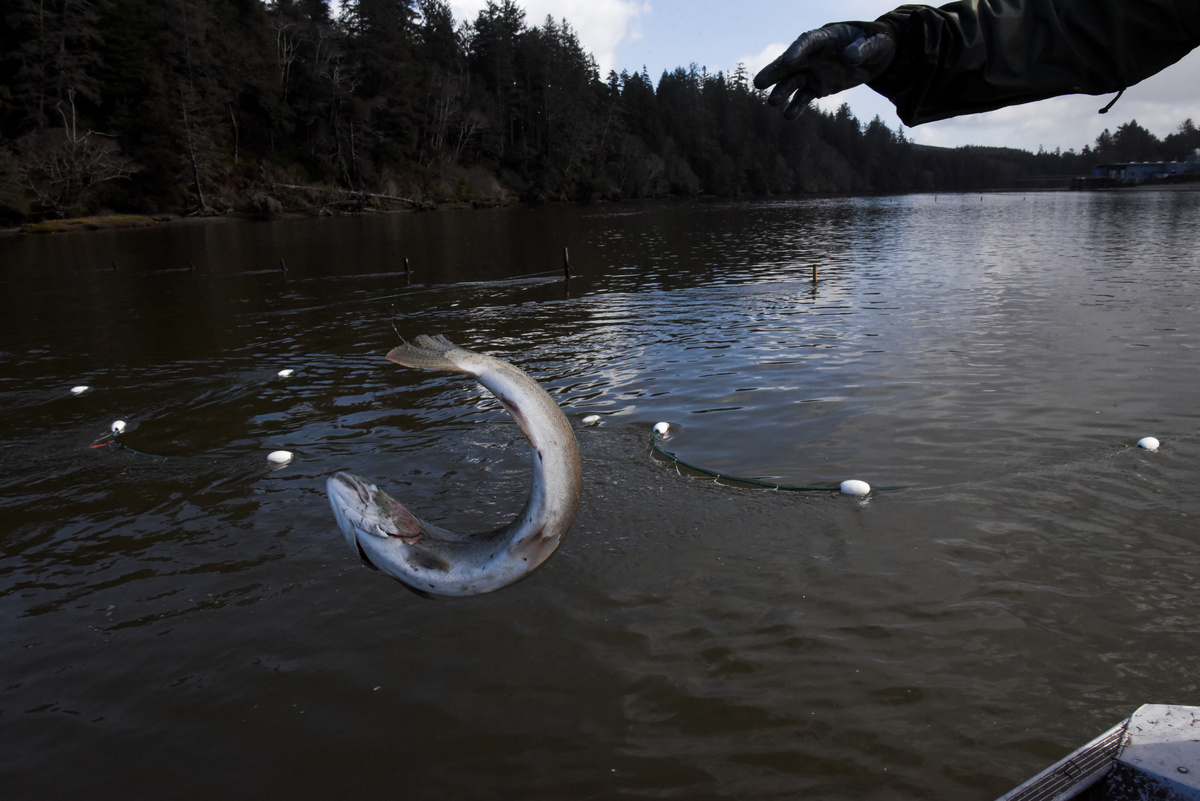
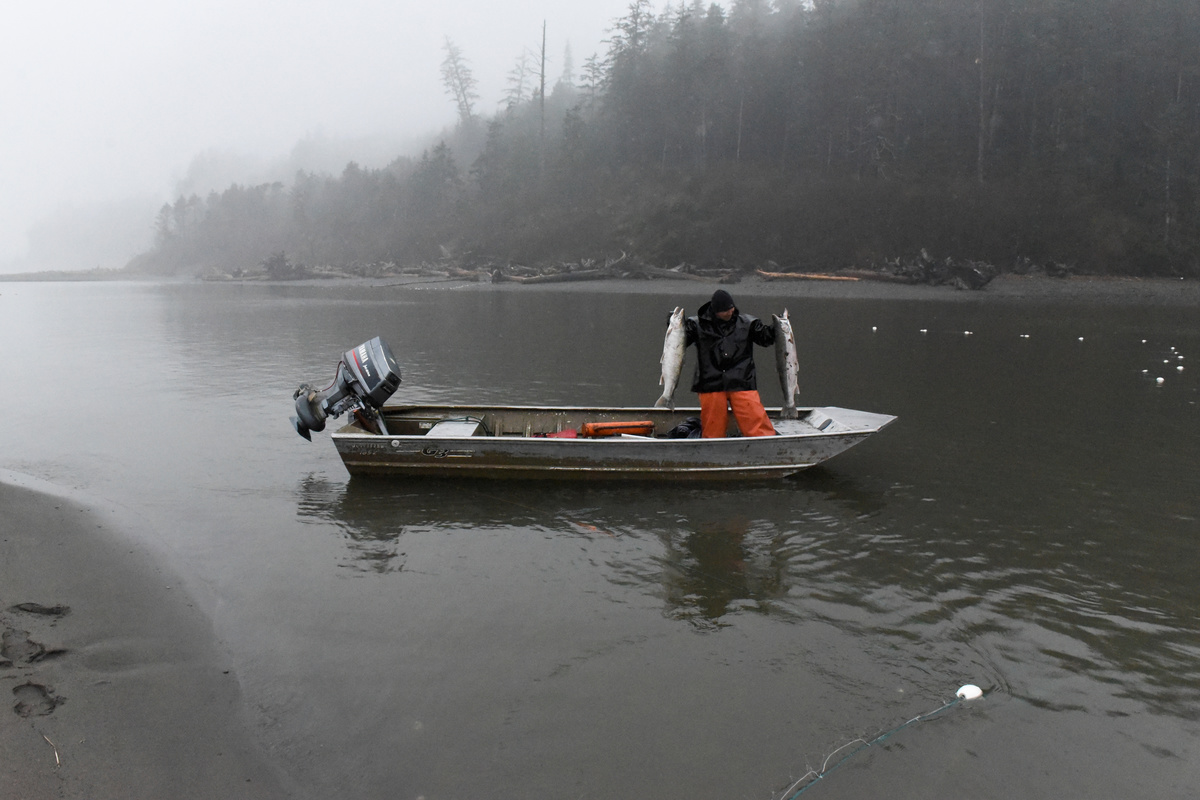
On a February morning at the Quinault Indian Nation’s fish processing plant in Taholah, manager Shane Underwood grew frustrated by yet another small catch. A lone fisherman had arrived with five steelhead salmon after hours on the river.
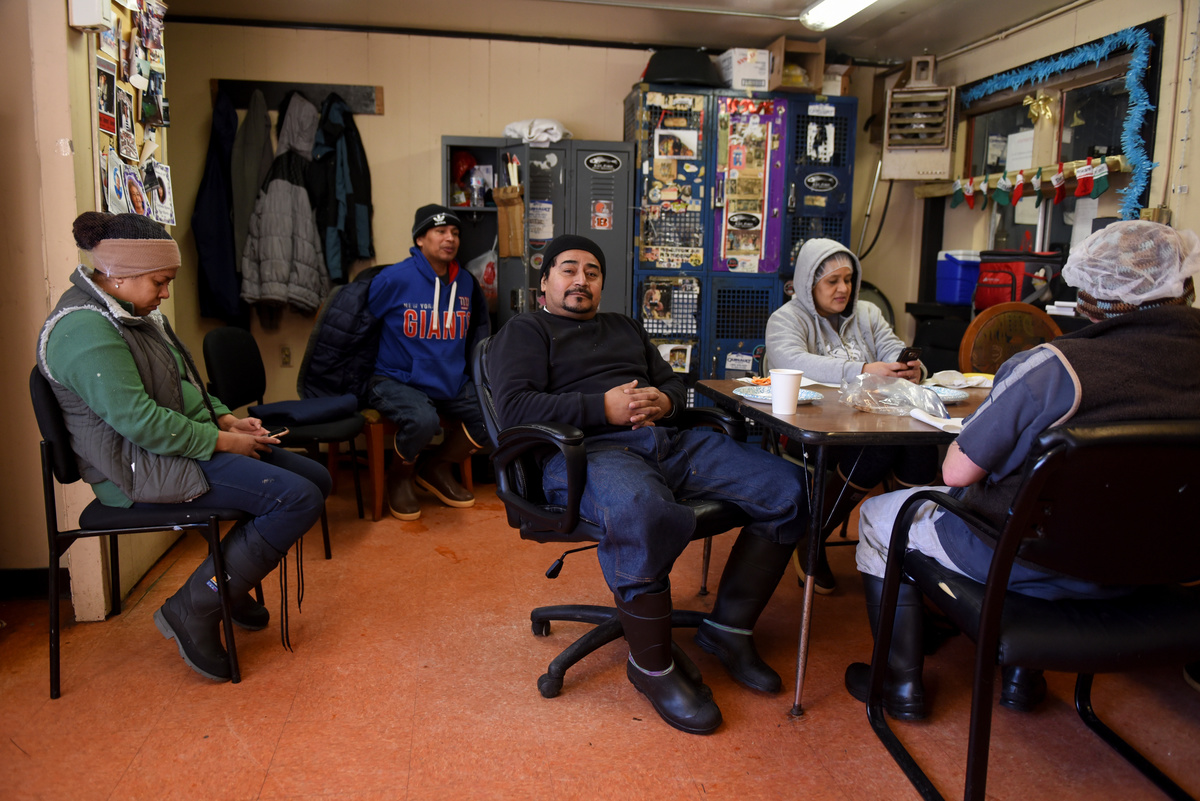
“We used to process 40,000 to 50,000 pounds of fish a day. Now we’re lucky to see 1,000,” Underwood said as she hosed down the catch.
After the steelhead season comes the sockeye blueback run, a salmon fishery unique to the Quinault reservation that has all but disappeared. For a third straight April, the Quinault have closed the river to blueback fishing after its fisheries department forecast a fifth consecutive record-low run.
(For a graphic on the decline of blueback salmon, click https://reut.rs/2xjAgtd )
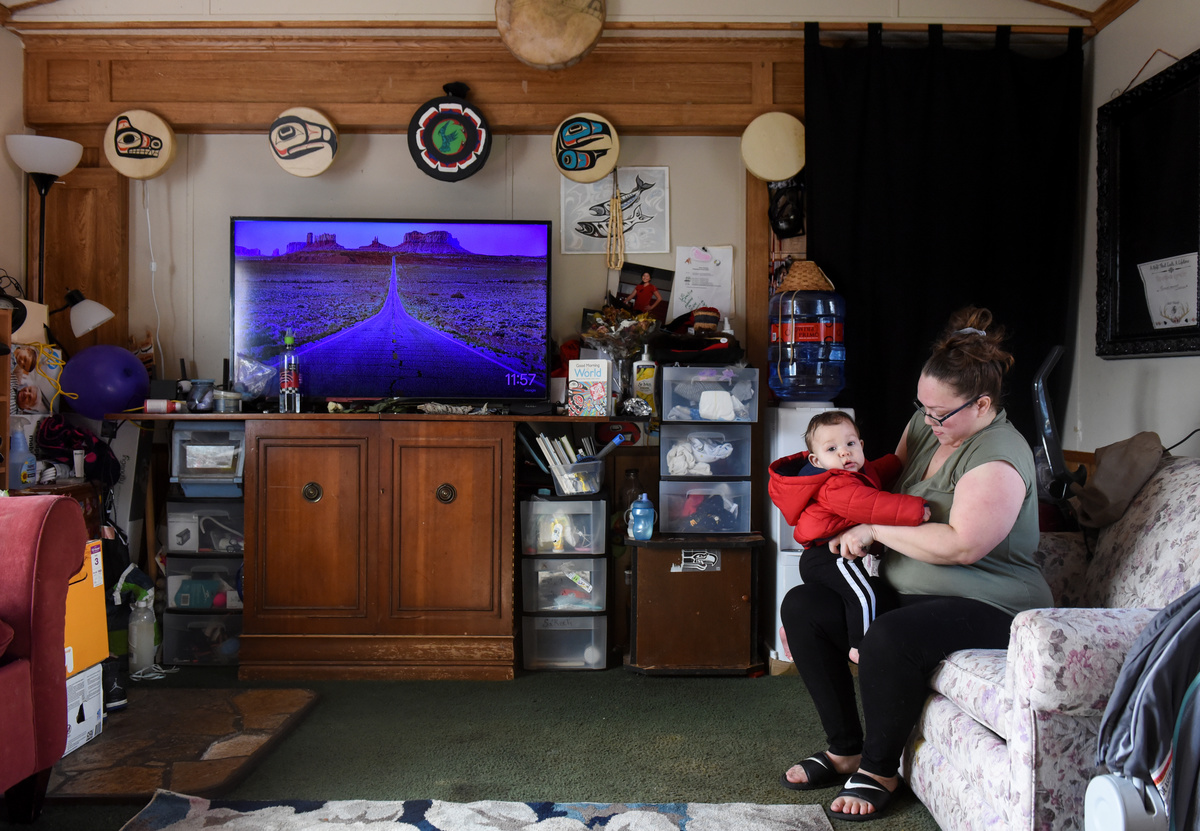
The salmon is an icon of Quinault culture, heavily featured on totem poles and in artwork on tribal buildings, and a traditional meal at family gatherings and in tribal rituals. Now it's also a symbol of climate damage.
The summer runoff from Anderson glacier in the Olympic mountains northeast of the reservation once cooled the Quinault river system. The last of the glacier melted nine years ago, warming the river and distressing the salmon, said Justine James, a cultural historian who specializes in timber, fish and wildlife for the Quinault Environmental Protection Department.
The Quinault’s Business Committee created a Salmon Habitat Restoration Program, buffering streams, repairing culverts and roads near the river, and clearing fish runs. The tribe is also embarking on a $1.2 million project to restore the floodplain on the Upper Quinault River in hopes of creating better spawning habitats.
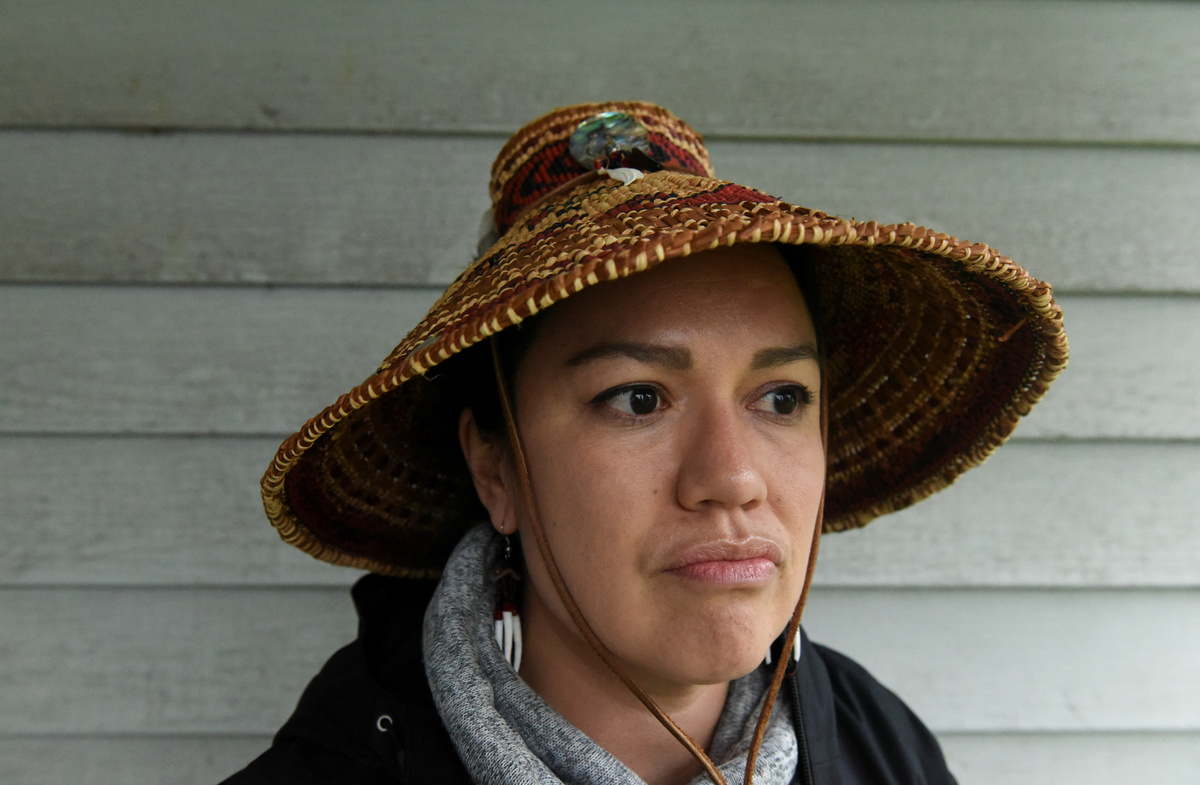
“We have been eating the salmon for thousands of years," James said. "It's our spirit, our heart."
Before the collapse, the tribal run seafood enterprise Quinault Pride, along with fisheries management, sustained about 350 direct and indirect jobs and generated about $29 million in revenue, according to a 2015 report by economic consulting firm Resource Dimensions, making it the second largest source of revenue for the Quinault after its resort and casino.
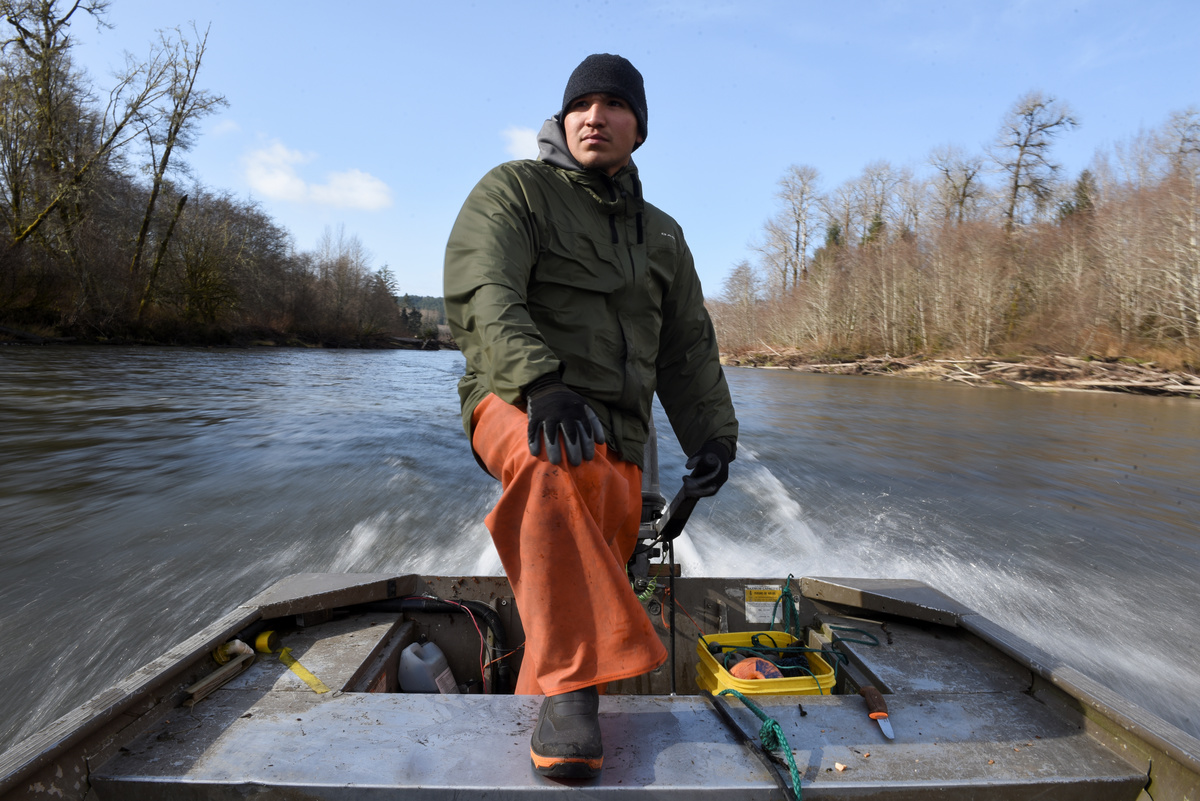
For fisherman Kokomo “Koke” Snell and others, the decline in the salmon fishery has upended a cherished career and a family tradition. Unable to fish blueback, Snell will pay the bills working a temporary job in village beautification – clearing the riverbanks of debris and sprucing up the homes of tribal elders.
“It doesn’t feel right,” Snell said.
HIGHER GROUND
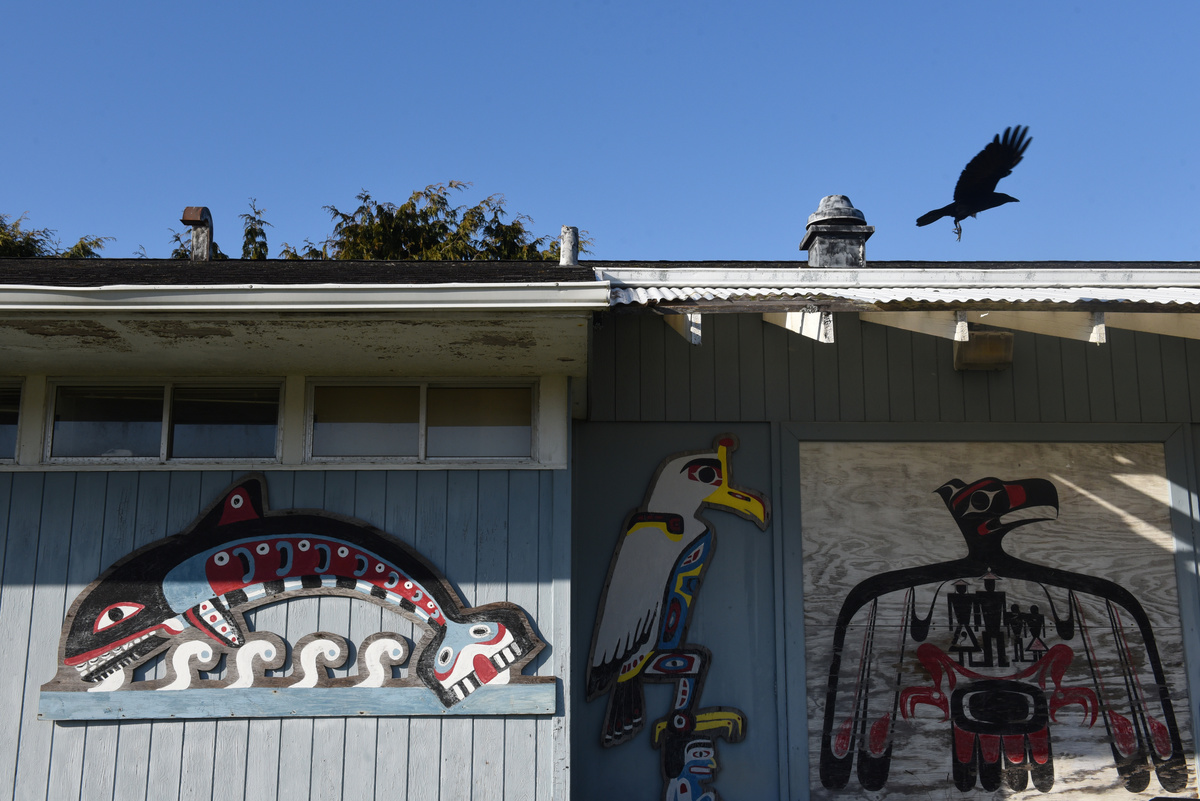
The Quinault are racing to defend themselves against another threat – flooding of its main village.
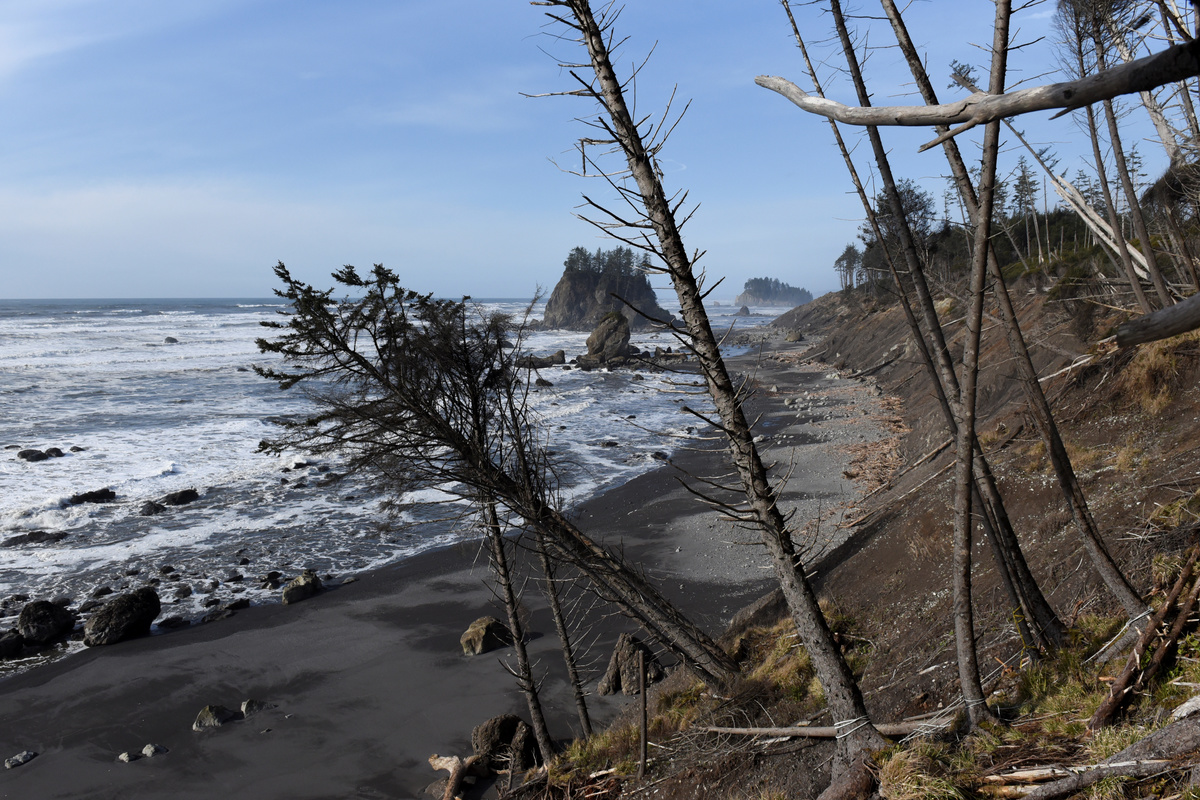
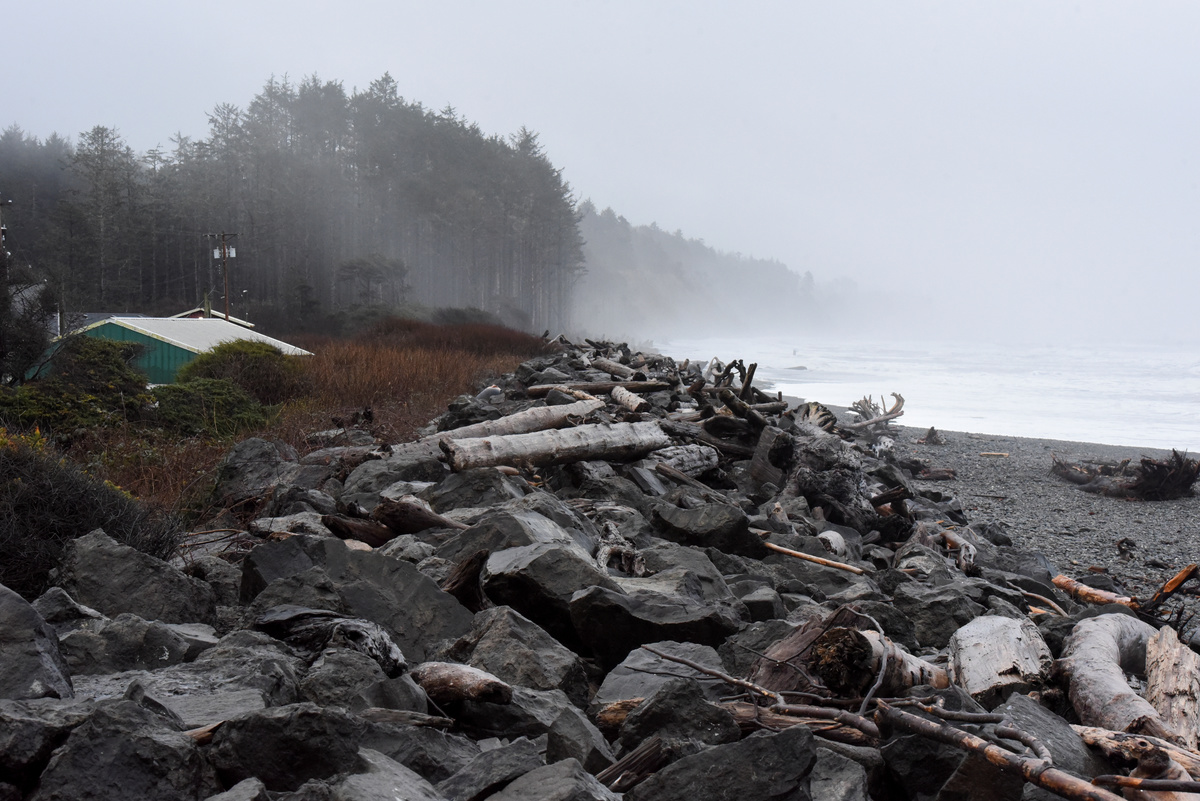
Wedged between the sea and steep hills forested with Douglas firs, Taholah’s lower village lies in the Cascadia Subduction Zone, putting it at risk of inundation from a major earthquake and tsunami. It's stone sea wall is already damaged from high tides, winds and storm surge - all exacerbated by climate change - exposing residents to repeated flooding.
In 2017, the Quinault signed off to move nearly 700 residents and key buildings most at risk - including the school, senior center, food market and gas station - to higher ground. The whole relocation project will cost up to $150 million.
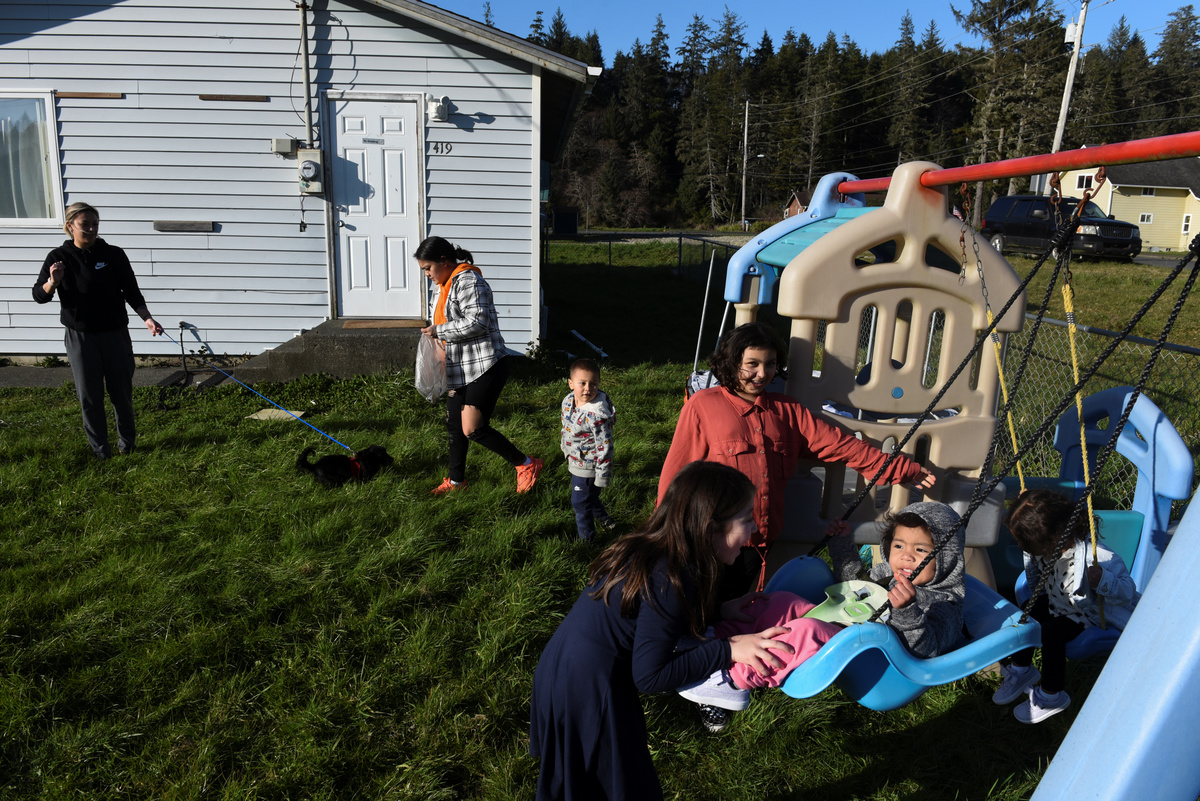
Some construction has already begun in the new village, using $15 million worth of tribal funds. But finishing the entire relocation project is more than the tribe can afford and complicated by the fact some non-tribal members own land in the area designated for the relocation, officials say.
"It is vital that we repatriate this land base so we can control these decisions," said Sharp.
One of the best options that the tribe had to pay for the project was a Washington state bill that would have funded climate-related projects with a $15 per ton fee on industrial carbon emissions. But that measure was defeated in 2018 amid a multi-million dollar campaign led by the oil industry.
"That was probably the lowest point I had hit in all my years of this climate struggle," said Sharp, a former lawyer who lobbied hard for the bill. “But it was a battle in a bigger war. Losing this land is simply not an option.”
(Reporting by Valerie Volcovici; Editing by Richard Valdmanis and Brian Thevenot)