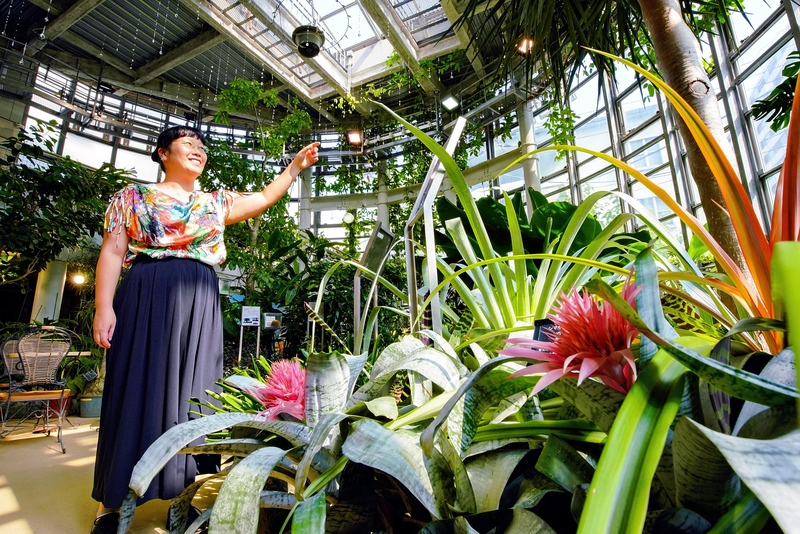
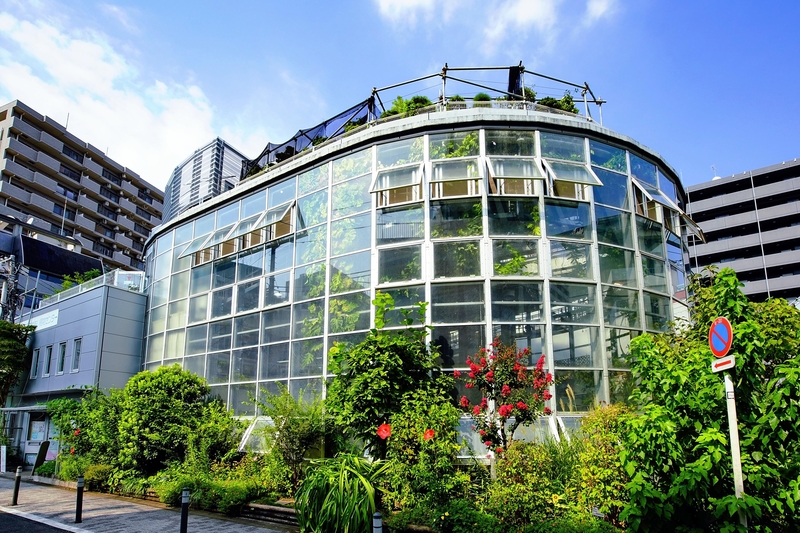
Just about a 10-minute walk from the hustle and bustle of JR Shibuya Station in Tokyo stands a three-story building housing a botanical garden inside. Such lush biodiversity planted in a crowded commercial district dominated by concrete and glass may come to some as quite the surprise.
The first floor of the Shibuya Fureai Shokubutsu Center (Shibuya City Botanical Garden Fureai) is a greenhouse, where visitors are welcomed by about 500 species of plants, from papyrus, which was used for writing in ancient Egypt, to a dragon's blood tree, which is known for having a very long life span and can sometimes live more than 7,000 years.
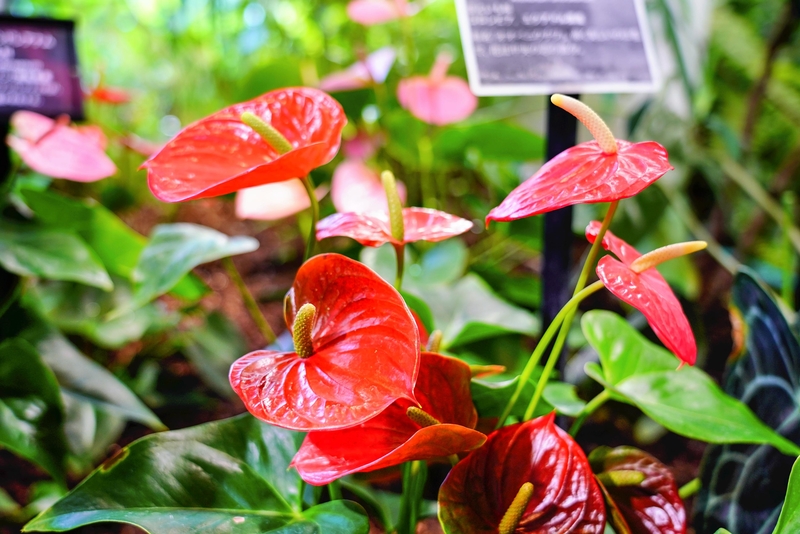
Also among the plants is anthurium, which is commonly sold at florists.
"The flowers of anthurium cluster around the central spike. The red part [that looks like a flower petal] is the foliage," said Chikako Miyauchi, 39, the garden's director.
The original variety of anthurium, which has no flower-like leaf, is also on display and looks different from the selectively bred anthurium we know today. It is interesting to look at both types of the foliage plant and spot the differences.
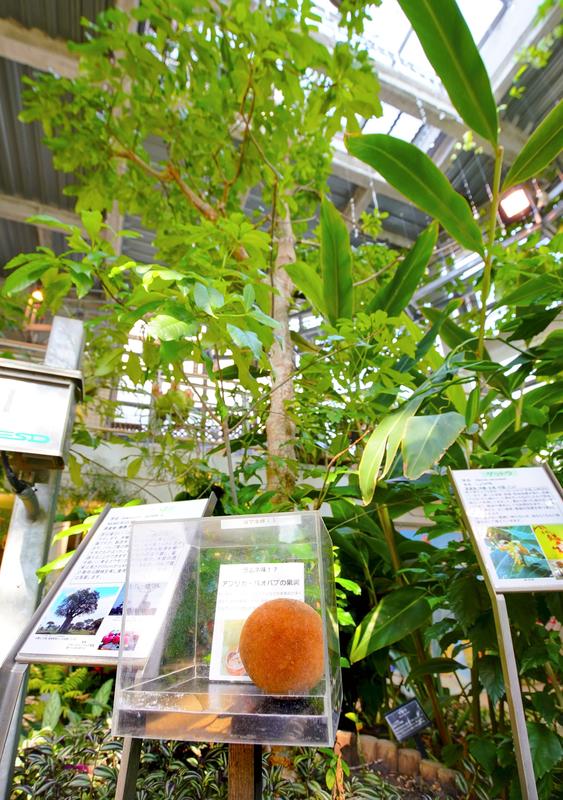
Another must-see at the garden is baobab, which originates from Africa. When the tree grows tall and thick, it can survive a dry season by retaining up to 10 tons of water. The flesh of the leaves is rich in vitamins and minerals and is apparently consumed locally as a drink mixed with water or milk.
"It tastes like lemonade, with both sweetness and sourness," Miyauchi said. "Our baobab is still only 15 years old and I'm looking forward to seeing it grow."
The second floor houses a rest space and a hall where an exhibition is held every month under a theme decided by the staff. There is also a reading section with books on plants and insects, which visitors can freely pick up and read.
An herb garden is located on the outdoor section of the third floor. Visitors can touch and enjoy the scent of about 100 different types of herbs year-round. When this reporter rubbed the leaves of a herb called curry plant, they smelled like curry as the name suggests. The herb is used for cooking to add curry flavor to soups and pickles.
The annual events at the botanical garden include a June event featuring fireflies, which are raised at the facility, and a beetle-touching event in July, although both were canceled this year.
"I hope people will visit our facility casually," Miyauchi said. "It's great if our visitors have their interest in plants piqued."
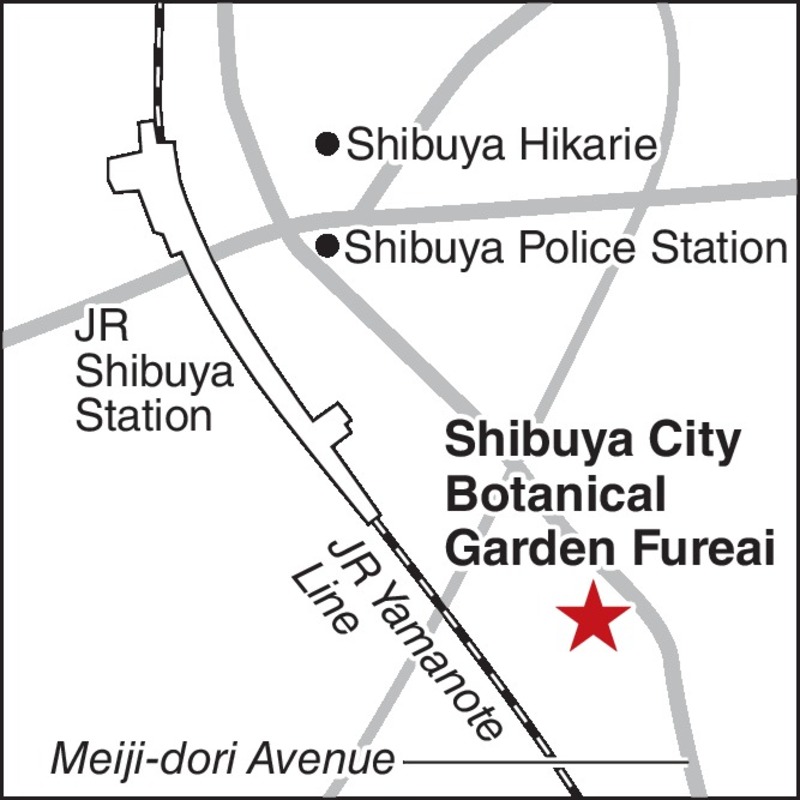
Shibuya City Botanical Garden Fureai: 2-25-37 Higashi, Shibuya Ward, Tokyo
Read more from The Japan News at https://japannews.yomiuri.co.jp/