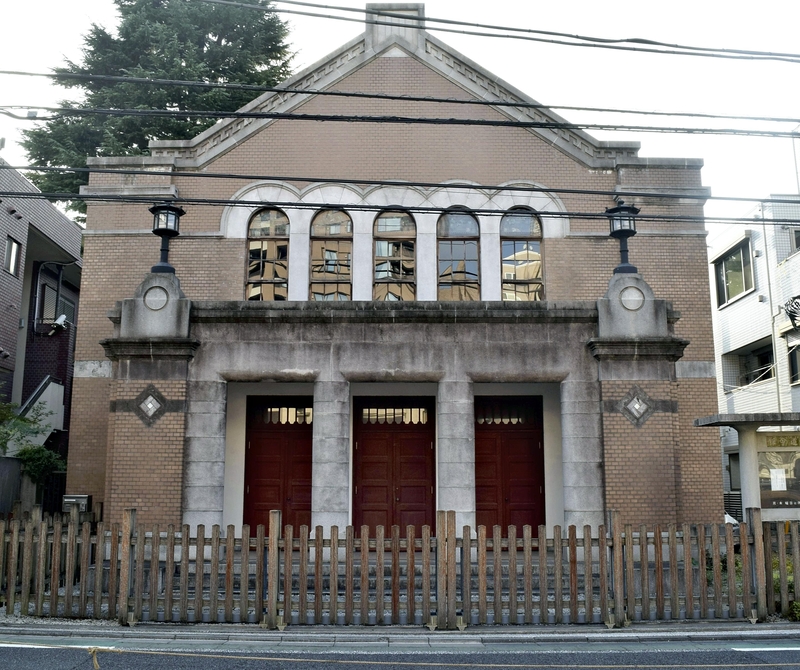
A distinctive red brick building with a fascinating past stands in a residential area near the University of Tokyo. The thick concrete pillars, the walls, the five windows with the rounded tops and other features give the Kyudo Kaikan building the feel of a Christian church. But step inside the front door, and directly ahead is a small hexagonal structure on a platform and a statue of the Buddha of Limitless Light. This building in Bunkyo Ward has a blend of Japanese and Western elements. It was opened in 1915 by Chikazumi Jokan (1870–1941), a monk of the Jodo Shinshu sect, as a place to spread the Buddhist faith.
"Apparently he spoke there to young students about faith and salvation," said Jokan's grandson Shinichi Chikazumi, 73.
Jokan traveled to the United States and other nations to study, and he apparently got the idea for the Kyudo Kaikan from Christian meeting places that had close ties with their local communities.
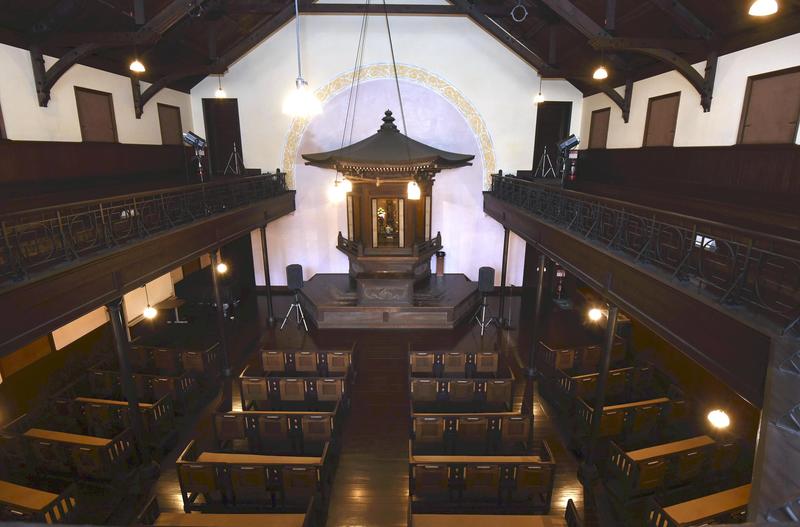
Following Jokan's death, his younger brother took over the building, but he also soon died. No other relatives had become monks, so the building was neglected and fell into disrepair. Locals even began to whisper that Kyudo Kaikan was haunted. However, the building was eventually restored to its former appearance in line with the wishes of Jokan's second son, Shinkan.
About 40 years ago, Shinkan consulted with his son Shinichi, who is an architect, about restoring the Kyudo Kaikan. After discussions with various acquaintances, Shinichi estimated the renovation would cost 300 million yen. Shinkan died before this money could be raised. After discussing the Kyudo Kaikan with experts, Shinichi hit on the idea of making the building a cultural property, which would reduce their repair costs. In 1994, the Tokyo metropolitan government designated the building as a tangible cultural property, but 100 million yen was still needed for its repair. This money was finally raised after acquaintances of Jokan and others were asked to support the project.
The Kyudo Kaikan's external appearance had changed considerably during repairs conducted after the building was damaged by the 1923 Great Kanto Earthquake and air raids in World War II. But six years of careful work restored its original beautiful appearance. The fine details include elements of oriental art, such as patterns based on Buddhist images.
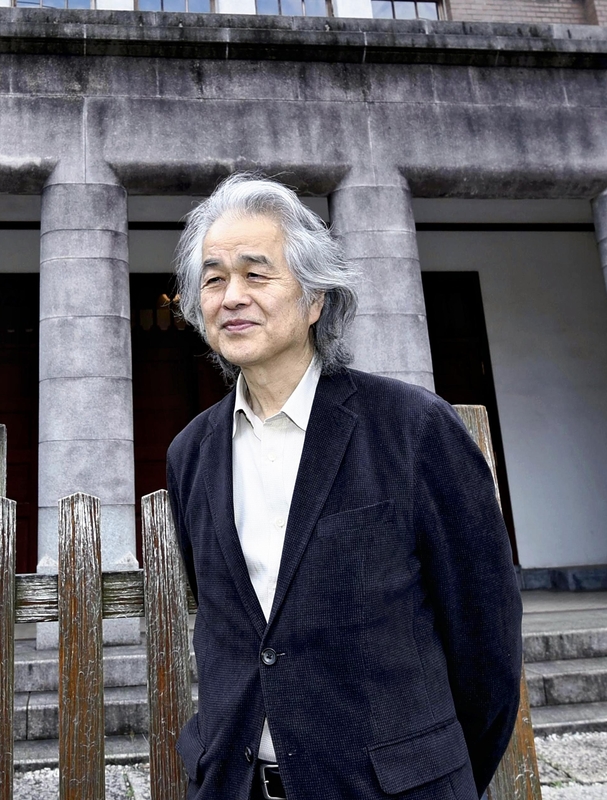
Since the restoration was completed in 2002, the Kyudo Kaikan has been opened to the public on a certain day every month and visitors are informed about the building and Jokan's activities. It is even used as a concert venue.
"I want to ensure it remains a place where people can come together, just like it was in the past," Shinichi said.
Read more from The Japan News at https://japannews.yomiuri.co.jp/