A teacher's guide to girls' rights and street children – gallery
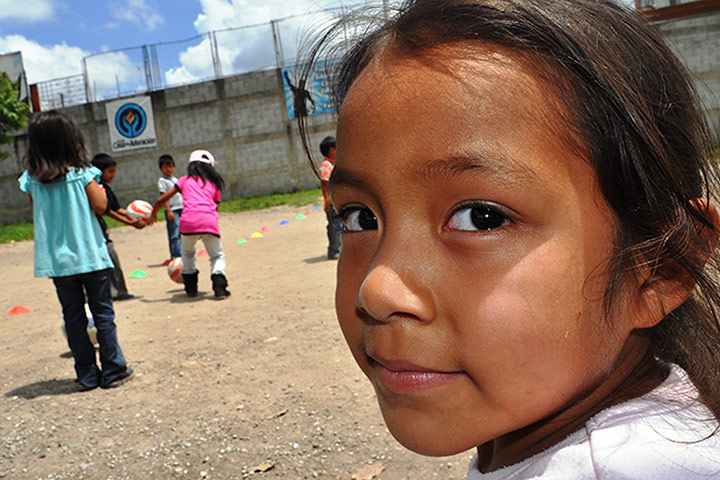
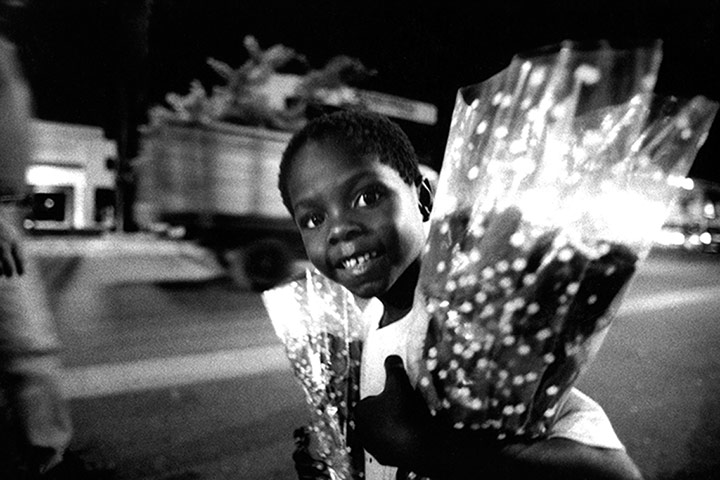
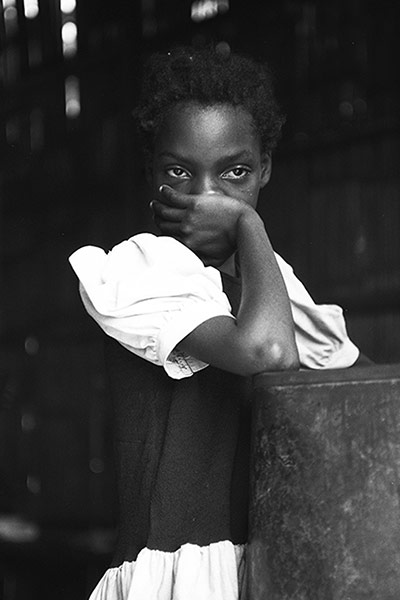
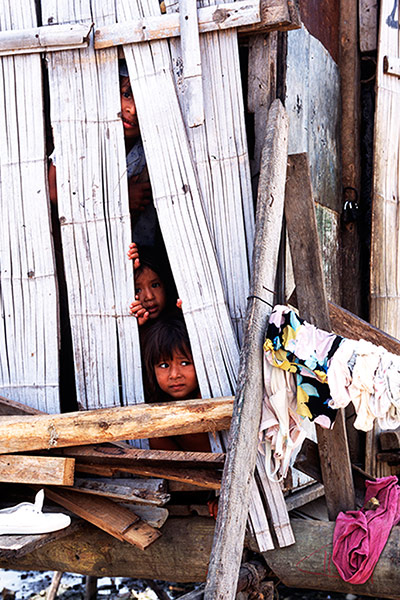
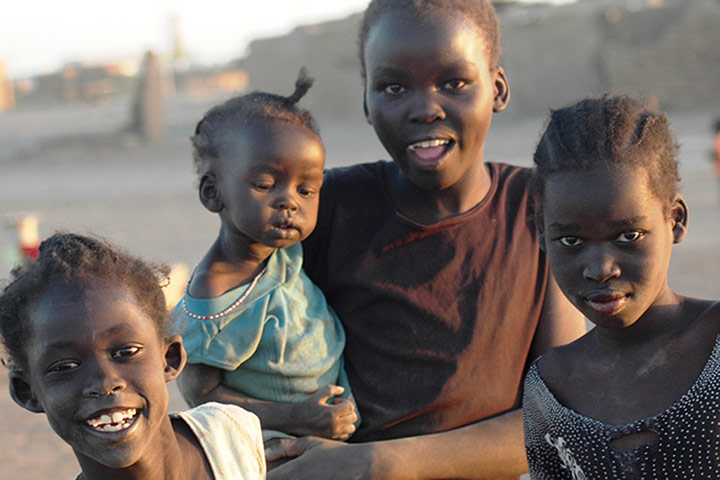
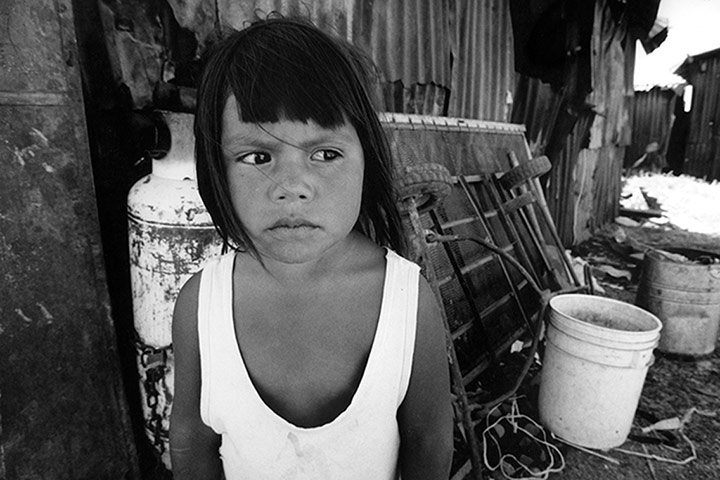
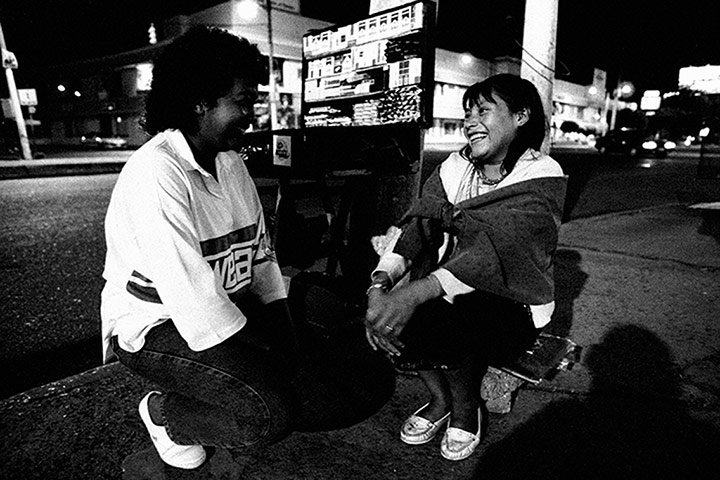
Fact 1: Street girls are less visible than street boys. On arrival to a city, girls are particularly vulnerable to being trafficked either into a brothel or a household for domestic work.Photograph: Consortium for Street Children/PRFact 2: Street children adopt survival behaviours, such as begging, stealing, vagrancy, rough sleeping or sniffing glue. Girls may beg with their children or younger street children to evoke sympathy. Photograph: Marcus LyonFact 3: Sexual violence is a recurring theme for street girls from adults in the community, those in positions of authority and other street children. In a study of street children in Rwanda, more than half of the boys and three quarters of the girls admitted they were sexually active. Photograph: Marcus Lyon
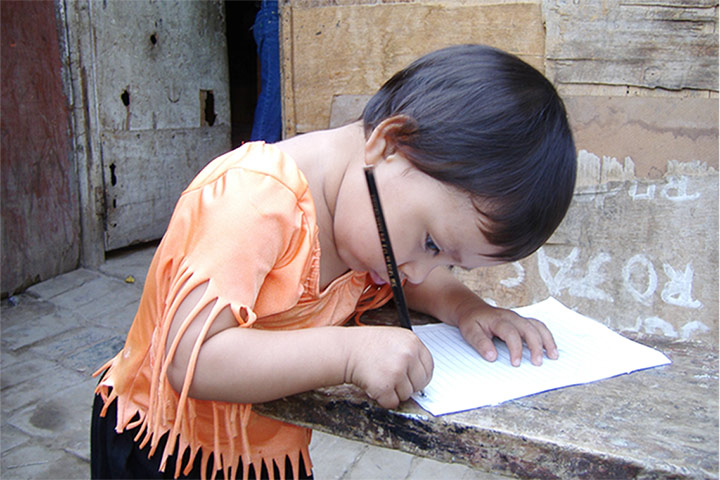
Fact 4: There are many challenges associated with life on the street and children often group together for safety. They might eat, work and sleep together to protect them from the violence and daily discrimination that prevents them from accessing essential services. In such groups, girls may adopt submissive roles, including caring for the younger children or acting as a look-out to earn the protection of the group. Photograph: Marcus LyonFact 5: There are many young mothers on the streets – there is now a second or third generation of street children born these conditions. Young mothers have to cope with both being a mother and a child; this exacerbates their vulnerabilities and the challenges they face on the street.Photograph: Consortium for Street Children/PRFact 6: Street girls are particularly vulnerable to contracting HIV and other sexually-transmitted diseases due to the nature of their work and/or the sexual exploitation they experience on the street. Street children’s lives are transient and they have limited or no access to health services. Photograph: Marcus LyonFact 7: Compared to boys, many girls experience more trauma at home, pushing them on to the street. This can include domestic violence, sexual abuse or the prospect of early marriage. Once on the street, girls tend to maintain less contact with their families. This can be due to the sexual exploitation that street girls may experience and the stigmatisation that’s often associated with it. Photograph: Marcus LyonFact 8: In many countries, girls have less access to education, especially secondary, than boys. Street girls face even greater challenges; in some countries pregnant girls and young mothers can be expelled. Informal education for street children can be a good bridge for supporting them to go or return to school. It can also be an alternative for those unwilling or unable to return. Photograph: Leonora Borg
Sign up to read this article
Read news from 100's of titles, curated specifically for you.