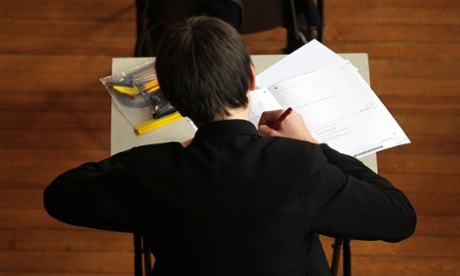
Like thousands of other children in year 6, my eldest daughter has her key stage two standardised tests this week. They shouldn’t mean all that much to anyone except her school, but they’ve managed to become ridiculously high-stakes.
She’s been worrying for a long time and has been on a knife-edge all week. What, I wonder in some of the darker moments, will it be like when she’s 16?
Stress is good for us. Students would never bother revising if they didn’t feel a certain amount of pressure.
But what happens if you put something or someone under too much stress for too long? In the case of a steel bar, it breaks. In the case of people, they break down.
There comes a point at which the pressure applied becomes too great and performance drops off. This is the “inverted-U” hypothesis. The trick then is to get children’s stress levels just right.
Ignoring stress is the worst thing students can do. Fear can be crippling and leads people to bottle up the mounting pressures inside. It’s important to learn to recognise where you feel stress – for me, it’s smack in the middle of my chest.
I’ve learned to recognise that when my chest feels tight, I’m stressed. And that’s been a big help.
As a teacher, my best advice is always: put the work in. If you’ve done your best, it’s easier to let go of the results.
Psychologists have worked out that the most effective exam preparation is to test yourself on a topic, wait until you start forgetting it and then retest yourself.
With less than a month to go before most GCSEs, the best gap to leave between self-tests is about three days.
Finally, remember this will all be over in a matter of weeks. Hold your nerve.
David Didau is an education blogger and former English teacher. His latest book, What if everything you knew about education was wrong?, will be published in June