
Criticism is all about being critical. If it’s honest, it’s often upsetting. So it’s nice sometimes to just be able to praise.
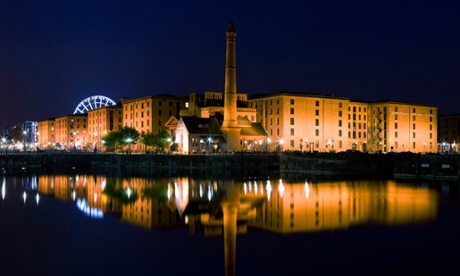
Tate Liverpool, for instance, is simply terrific. It is currently my favourite Tate. It is warmer and more likable than either of the London Tates and is doing an excellent job at bringing outstanding art to the north-west. Even if you are unlucky enough to live in south-east England, I recommend you make the trip to this admirable museum in Liverpool’s atmospheric Albert Dock over the summer.
Its exhibitions are ambitious – the next is Jackson Pollock, no less – but what I want to enthuse about here is the choice from the Tate’s permanent collection that fills two floors of old reclaimed warehouses looking out over the Mersey. I sometimes find Tate’s pick-and-mix approach to collection displays irritating: all those bold but often silly juxtapositions. Yet the current displays at Tate Liverpool prove that it’s all about how sensitively this is done – the fresh and intriguing choices the Liverpool curators have made create real surprises and joyous combinations from the Tate stores.
Who knew those stores held Henri Matisse’s terrific painting The Inattentive Reader? I can’t remember when I last saw this dreamy idyll on public view. But here it is, along with a haunting selection of Patrick Caulfield’s enigmatically sad still lifes, Carl Andre’s formidable Zinc Steel Plain, and many more delights, all connected by two simple themes: Constellations and Living Room.
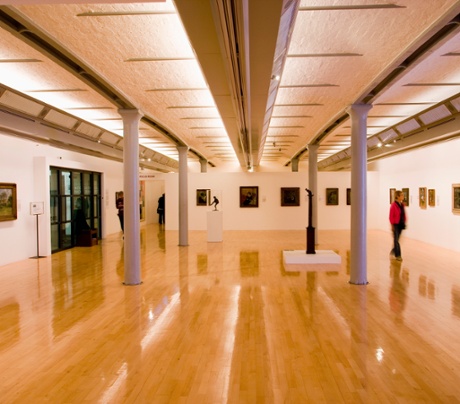
The idea of Living Room – exploring modern art’s connections with domestic space and life – works particularly well. What could make art more accessible and immediate than an exploration of its relationship with the domestic? It is a truly rich, universal theme, which makes total sense of setting Susan Hiller’s video installation Belshazzar’s Feast – a comfy lounge with an eerie, portentous flaming vision flickering on the TV – in the same display as a picture by Vanessa Bell of two Bloomsburyites painting.
Cognoscenti will know this display was created for the last Liverpool Biennial. I admire its clear, intelligent, imaginative curating. When I was there, a guide was giving a very witty talk to a keen group of visitors, and another friendly guide urged me to make myself comfortable on Hiller’s sofa.
The cafe is relaxed and offers all options from casual coffee to full-scale eating in a nice, easy way; the shop mixes serious art books with Liverpudlian souvenirs. In other words, everything works well. I left feeling artistically invigorated. Founded in 1988, this is a great modern British institution. How about a Tate Glasgow? It might just save the union.




.png?w=600)








