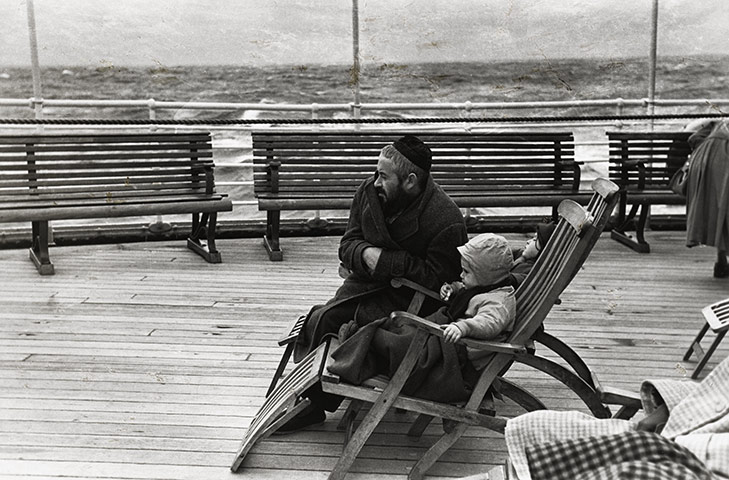
'Cecil Beaton set his sights on New York as "a pot of gold" that he intended to raid,' says Peter Conrad. 'The Photo League show has an ironic commentary on this mercenary declaration: in Louis Stettner’s ‘Coming to America’, a Jewish immigrant and his child, swaddled in blankets, huddle on the deck of a ship, buffeted by gales as they stare at a flailing wintry ocean. The promised land is nowhere to be seen' Photograph: Louis Stettner/Courtesy Bonni Benrubi Gallery

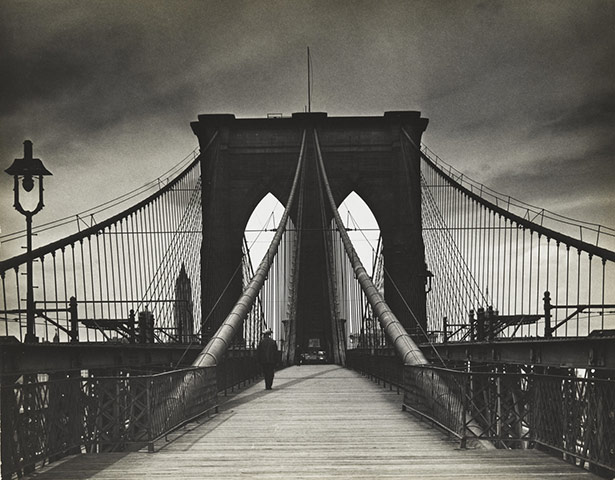
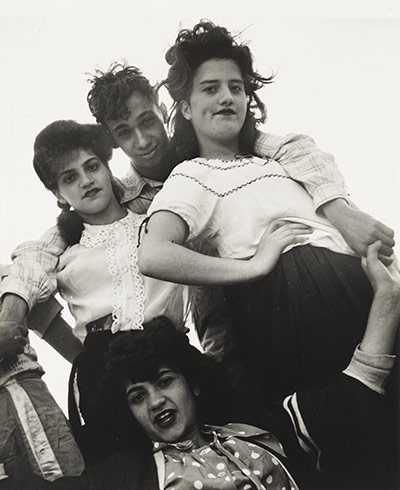
The drab streets where the Photo League worked were also a theatre, but of a different kind to the one portrayed by Beaton Photograph: Sid Grossman/Howard Greenberg Gallery
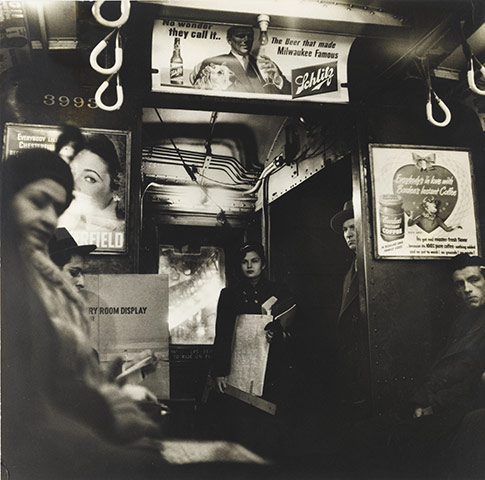
'The Photo League reconstructs the collaborative labour of documentarians concerned with groups of people Beaton snootily overlooked' Photograph: Sy Kattelson
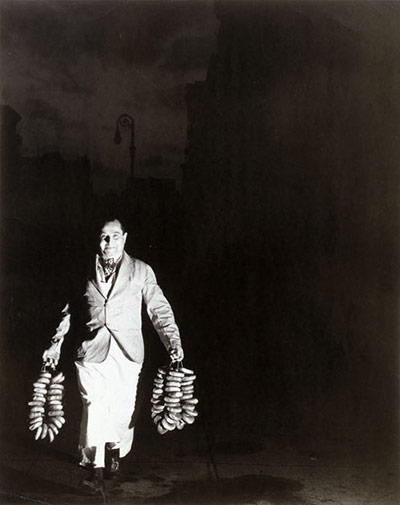
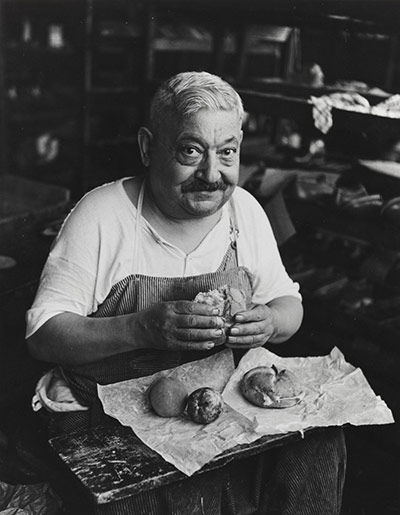
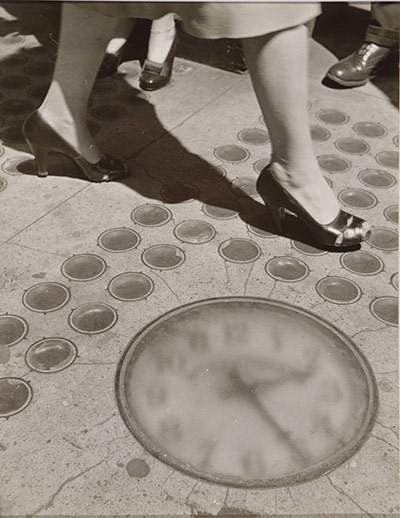
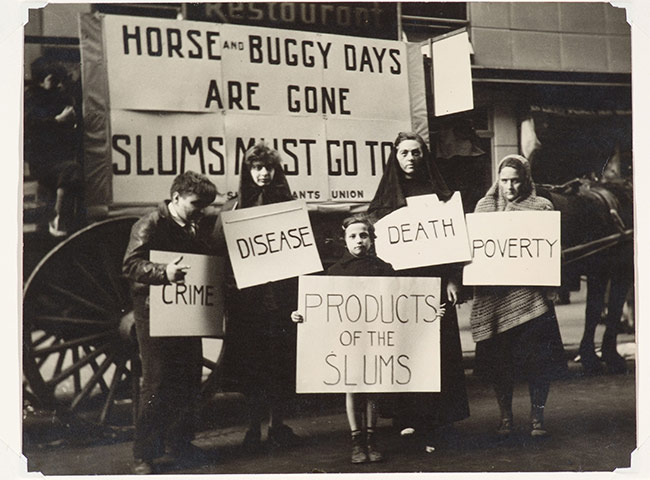
'Photo League policy discouraged them from wasting their time on the idly rich and the fatuously famous. For them, the camera’s purpose was to make social problems visible, not to flatter celebrities' Photograph: Joe Schwartz

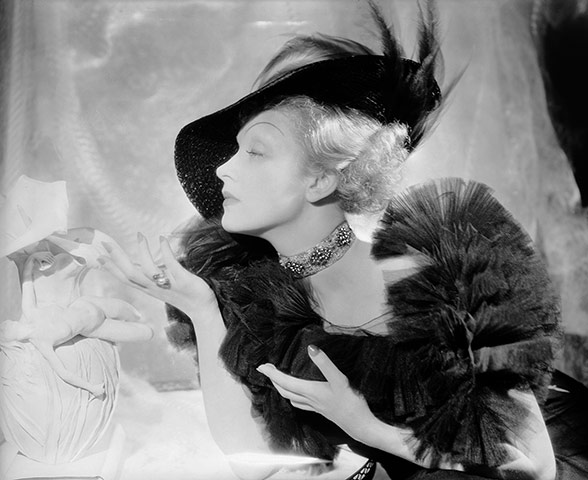
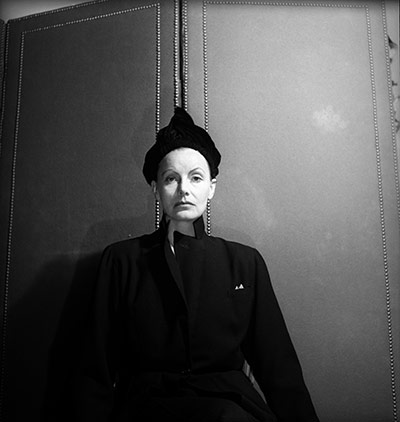
'The people who fascinated Beaton were mythical freaks, both more and less than human. He described Garbo as a unicorn, Truman Capote as a perverse cherub and the bloated gossipmonger Elsa Maxwell as an obese butterfly.' Photograph: Cecil Beaton Studio Archive at Sotheby's
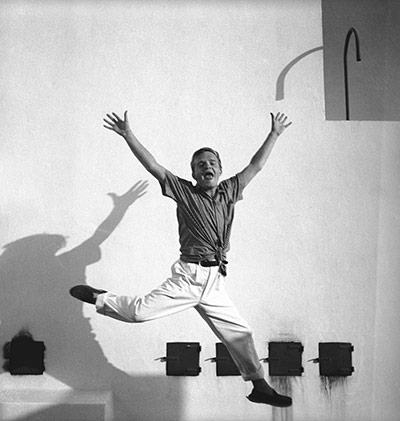
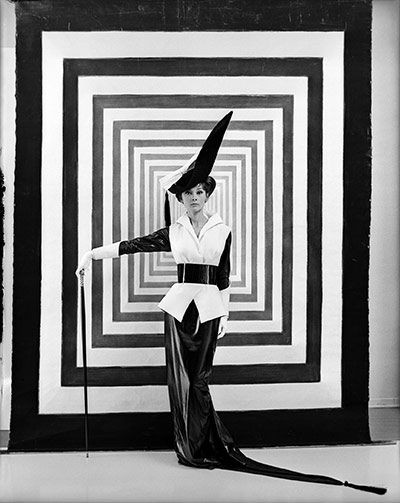
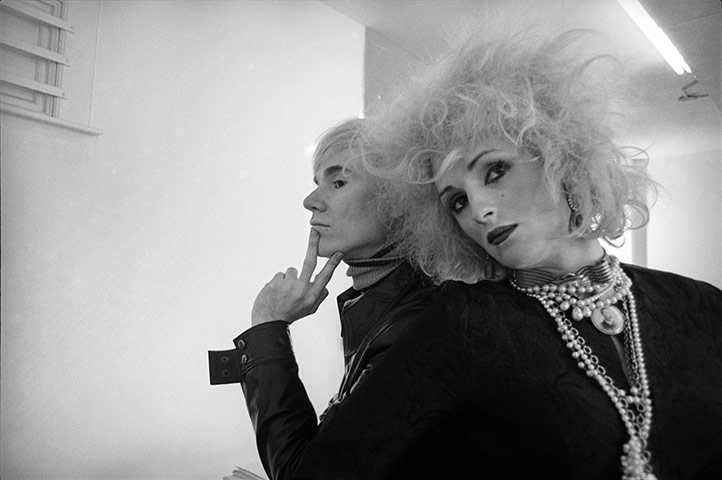
'Beaton's celebrities survey the world from behind cool, emotionally impervious faces' Photograph: Courtesy Cecil Beaton Studio Archive at Sotheby's