By 2050, two thirds of humanity will live in cities, predominantly in Asia and Africa, the UN predicts. A major contributor to the world economy, cities are behind 80% of global economic output. Their rise has been rapid and unprecedented, growing from 2% of the global population in 1800 to 50% today, as more people move from rural to urban areas, compelled by the promise of a better life. Making cities inclusive, safe, sustainable and resilient is one of the UN’s Sustainable Development Goals.
Alongside urbanisation, the trend towards megacities – cities with 10m or more inhabitants – is rapidly gaining traction. The number of megacities has nearly tripled since 1990 to 33 today, and could reach 41 by 2030.
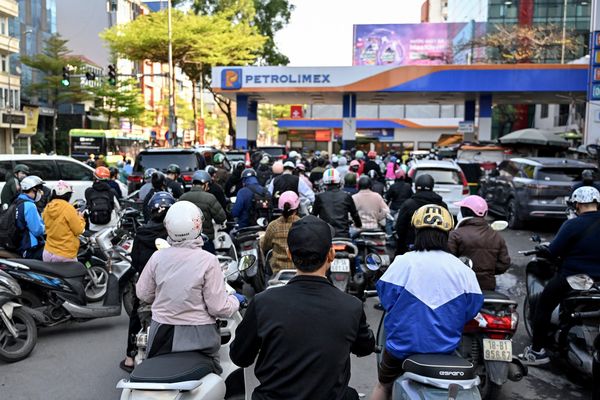
“The urban sprawl often outgrows the local infrastructure as the population increases, particularly when investments in infrastructure are insufficient or misdirected,” says Carsten Menke, commodity analyst at wealth management firm, Julius Baer. “The resulting challenges, such as traffic congestion and disruption to energy supplies, can temper the city’s productivity, and create major health and environmental issues.”
So how are the megacities of Shenzhen and Lagos coping?
Cutting carbon emissions in Shenzhen
The Chinese city of Shenzhen, located in Guangdong province, was a fishing village just 30 years ago. Now, it is home to more than 10m people. This “instant city” has benefitted from being one of China’s first Special Economic Zones (areas that benefit from separate trade agreements), and has grown its GDP some 3,500 times in 35 years. It is known for its ambitious urban planning, towering skyscrapers and high technology industry.
However, the city’s rapid development has prompted significant traffic congestion and rising greenhouse gas emissions. The average commute is predicted to rise from 55 minutes in 2014 to 92 minutes in 2016. And despite urban planning efforts, runaway construction and lack of affordable housing have resulted in housing shortages, urban slums and even safety incidents. A recent landslide at a construction site destroyed multiple buildings and swamped a nearby industrial zone.
Chinese authorities are taking steps to limit congestion, including by limiting new car registrations and banning non-domestic cars in rush hours. It is also incentivising more sustainable forms of mobility by subsidising “new energy vehicles” (although funding will end after 2020), and halving sales tax on small cars. Beyond this, Shenzhen is participating in China’s eco-city pilot programme, through which 36 cities aim to achieve economic growth while lowering their respective carbon emissions. They aim to cut energy consumption by adopting green technologies, researching sustainable construction techniques and improving buildings’ energy efficiency.
To help measure the city’s progress on environmental challenges, Cardiff University’s School of Geography and Planning is collaborating with urban planning and design professionals in Shenzhen to develop a monitoring tool: the Shenzhen Eco-city Development Indicator System. The aim is to introduce the tool to other Chinese cities as a model of best practice.
Visions for maximising urban space include the conceptual vertical city “Cloud Citizen”. Its futuristic design features a single, 680-metre high building complex housing a financial district, cultural buildings and green public spaces. Importantly, the complex would include rainwater harvesting and create its own electricity from solar and wind power, as well as algae.
Innovating to tackle waste and energy in Lagos
The megacity of Lagos, Nigeria has expanded rapidly, and now houses an estimated 21m people. The city faces challenges including major traffic congestion, frequent electricity outages, sprawling urban slums (such as the Makoko floating slum in the Lagos lagoon), and a rapidly escalating waste issue (Lagos has one of the world’s largest landfill sites). Managing waste collection and recycling is tough, with local authorities only collecting 40% of the city’s rubbish. Meanwhile, there is no city-wide wastewater system, and upgrading infrastructure can be fraught with bureaucratic difficulty. Rising coastal waters also pose risks for inhabitants’ security.
Recycling social enterprise Wecyclers is helping to stem the flow of waste and support local communities by giving people the opportunity to donate plastic bottles and aluminium cans in exchange for cash or household items. The city is increasingly looking to generate energy from waste, including by partnering with the private sector. Capturing methane from rotting waste is helping to bring much-needed electricity to urban slums.
Despite five power plants having been commissioned in six years, continuity of electricity supply remains a challenge. Back-up solutions include costly, polluting inverters and generators. Meanwhile, many communities have yet to be connected to the national grid. On the Guardian’s recent visit to Lagos, people shared stories of fighting the blackouts by ironing and charging their phones at the office.
Lagos’ governor, Akinwunmi Ambode, has launched the Light up Lagos initiative to help ensure uninterrupted power supply to the city within two years. Further innovations include a mobile phone manufacturer installing solar-powered streetlights in the city’s technology district, as well as a solar-powered football pitch and a school harnessing solar energy to generate its own electricity.
“There’s a real opportunity for bottom-up action on megacity development challenges such as energy, particularly as the cost of solar power decreases,” concludes Menke. “However, it’s important to remember that these problems have been building over decades, so solving them will be a long-term process. Commitment from local authorities and public-private partnerships will be vital, and cities must design credible projects that can attract investment.”
Content on this page is paid for and produced to a brief agreed with Julius Bär, sponsor of the what if? economics hub