Chris Wade reached into the darkness to silence his blaring alarm clock. It was 4:30 on a frigid winter morning in Warren, Ohio, and outside a fresh layer of snow blanketed the yard.
Thank God, Wade thought to himself. He would be able to get out his plow and make some quick cash.
Money never used to be a problem for Wade, 47, who owned a house with a pool back when he worked at Delphi Automotive, a parts manufacturer that for years was one of the biggest employers in this wooded stretch of northeastern Ohio. But 10 years after taking a buyout as part of Delphi's ongoing shift of production out of the United States and into Mexico and China, the house and the pool were gone.

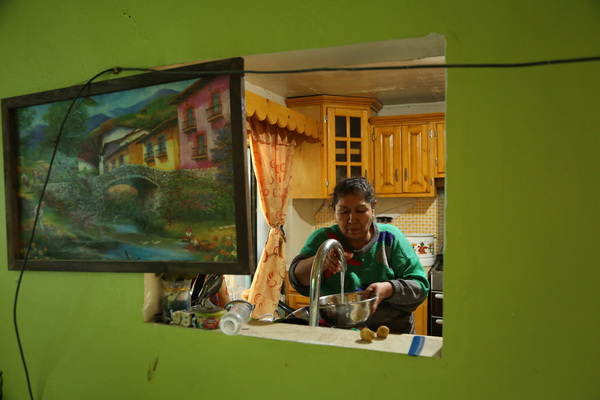
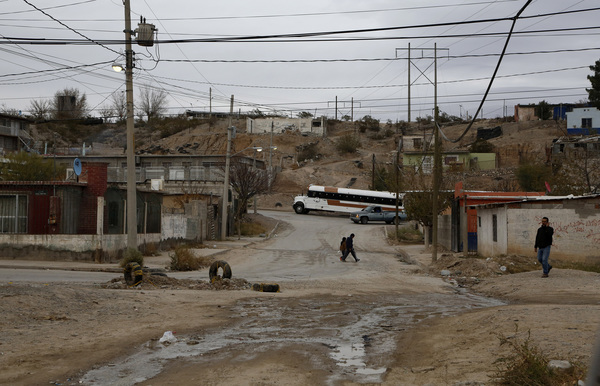
Berta Alicia Lopez, 54, is the new face of Delphi. On a recent chilly morning, she woke before sunrise on the outskirts of Juarez, Mexico, and caught an unheated bus that dropped her an hour away at the Delphi plant.
Lopez earns $1 an hour assembling cables and electronics that will eventually be installed into vehicles _ the same work that Wade once did for $30 an hour. A farmer's daughter who grew up in an impoverished stretch of rural Mexico, Lopez is proud to own a used Toyota sedan and a concrete block house.
She frequently thanks God for the work, even if it is in a town troubled by drug violence, even if she doesn't see many possibilities for earning more or advancing.

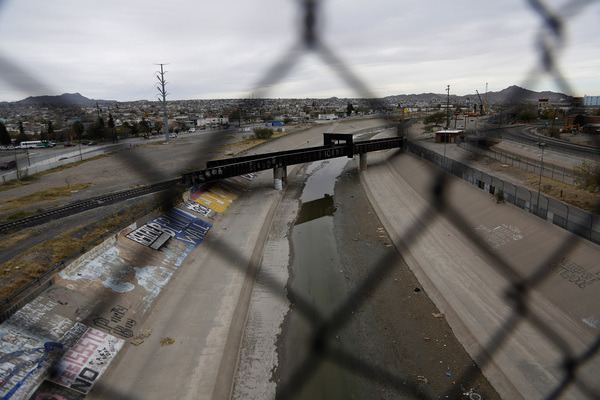
The two workers live 1,800 miles and a border apart and have never met. But their stories embody the massive economic shift that has accompanied the rise of free trade.
In the United States, that shift has contributed to the loss of jobs that once helped workers buy homes, pay for health insurance and send children to college. In Mexico, it brought jobs _ though they didn't create the kind of broad, middle-class prosperity they once had in America.
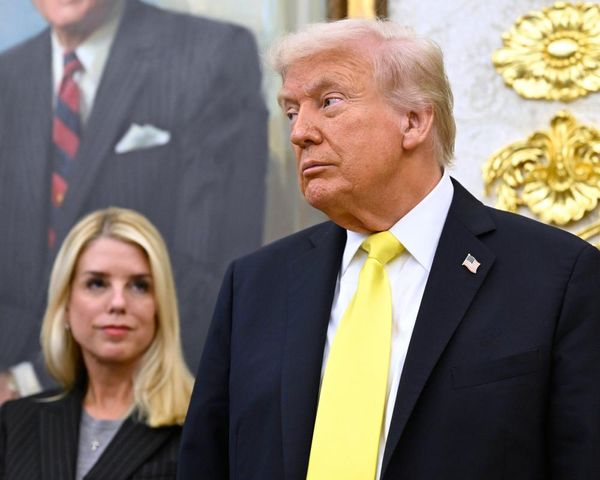
President Donald Trump has pledged to bring factory work back. But it may be too late to turn back the clock on the powerful forces shaping the lives of Wade and Lopez and two cities, one American and one Mexican, that remain inextricably linked by the geography of global economics.