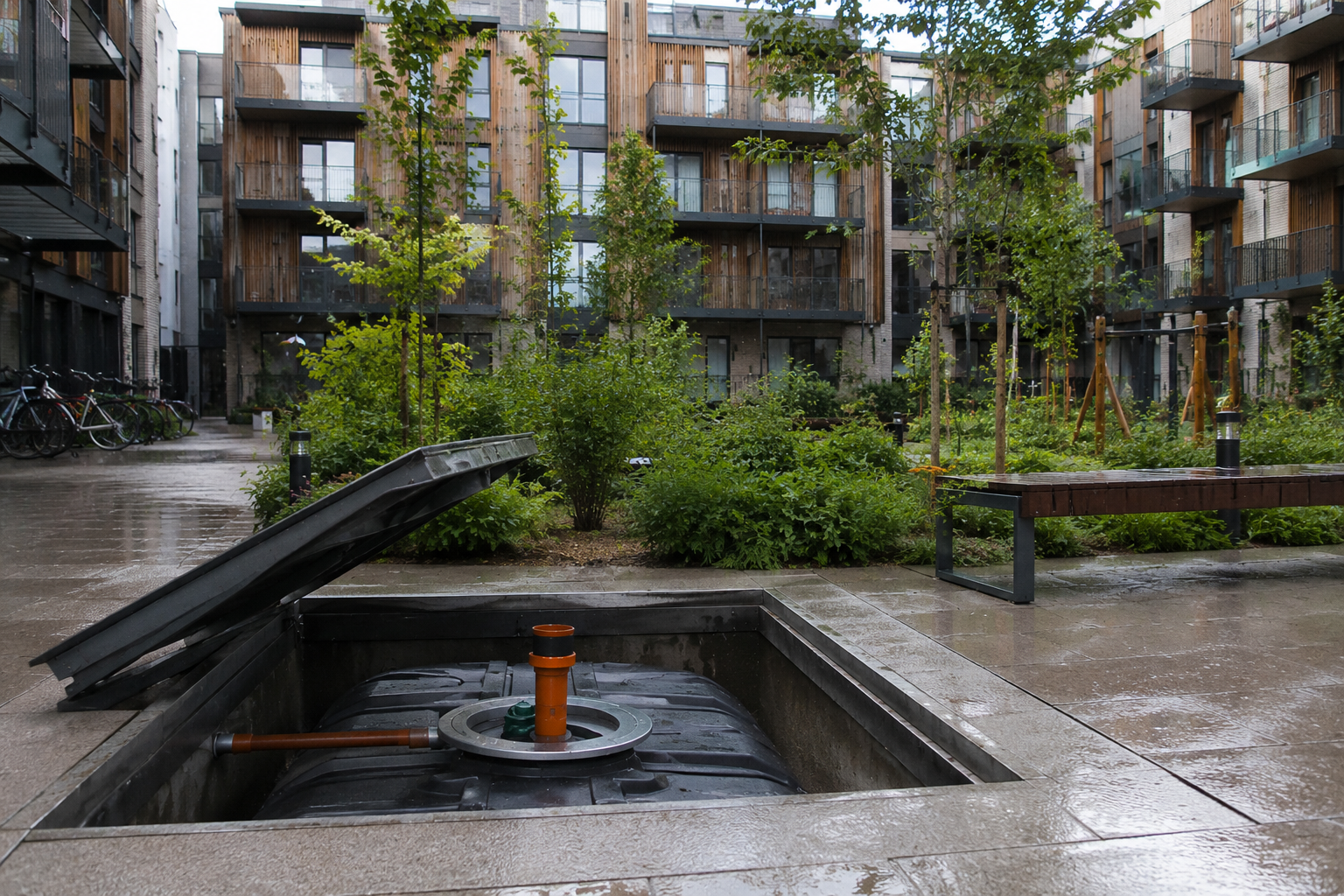
When we picture a modern residential neighbourhood, our minds usually drift toward standard urban landscapes. We imagine neatly paved pathways, towering apartment complexes, and manicured green courtyards where children play, and neighbours gather for evening chats. For a long time, traditional real estate design has treated infrastructure as something meant to isolate residents from the elements. The common belief is that heavy summer rainfall is simply a temporary nuisance that should be quickly funnelled away into municipal sewers to keep sidewalks dry and tidy.
Get breaking news anytime, anywhere. Download the TOI app now!
But as global weather patterns present more frequent summer dry spells, innovative communities are completely rethinking our daily relationship with natural resources. An unexpected urban experiment in Scandinavia suggests that a neighbourhood can use its built environment to support local greenery. By shifting our perspective on what falls from the sky, a routine housing block can transform a potential waste problem into a vibrant life support system for local greenery.
This neighbourhood transformation is explored in a report by Hem & Hyra . The investigation documents how a municipal housing company decided to build a sustainable housing development equipped to handle modern environmental pressures. The project demonstrates that instead of watching precious rainwater vanish down the drain, residential buildings can help reduce reliance on municipal water during dry periods.
The growing challenge of water scarcity in modern cities
The significance of this change in infrastructure can be explained by exploring the environmental difficulties that lie hidden within urban areas. One of the major assumptions that individuals have regarding northern Europe is that they are blessed with an unlimited amount of fresh water all year round. But the meteorological data reveal that climate change is quickly altering rainfall patterns, leading to droughts.
The comprehensive survey details shared in the investigation by Hem och Hyra suggest that localised water scarcity warnings are becoming more common. In Sweden, organisations like the Geological Survey of Sweden frequently issue urgent alerts regarding precariously low groundwater levels following unusually dry winters and warm springs. When municipal water supplies run low, local governments are forced to implement strict restrictions, which means public lawns, neighbourhood flowerbeds, and delicate young trees are often left to wither under the summer sun.
To counter this repeated danger, the housing company Helsingborgshem installed an enormous underground water storage system in a housing block constructed in 2023. The housing block is located in the coastal city of Helsingborg and includes an entirely concealed twelve-metre-long plastic reservoir placed three metres underground below the main stone square. This concealed storage system has a capacity of 25,000 litres of water, serving as an alternative source of water for watering the green spaces of the area.
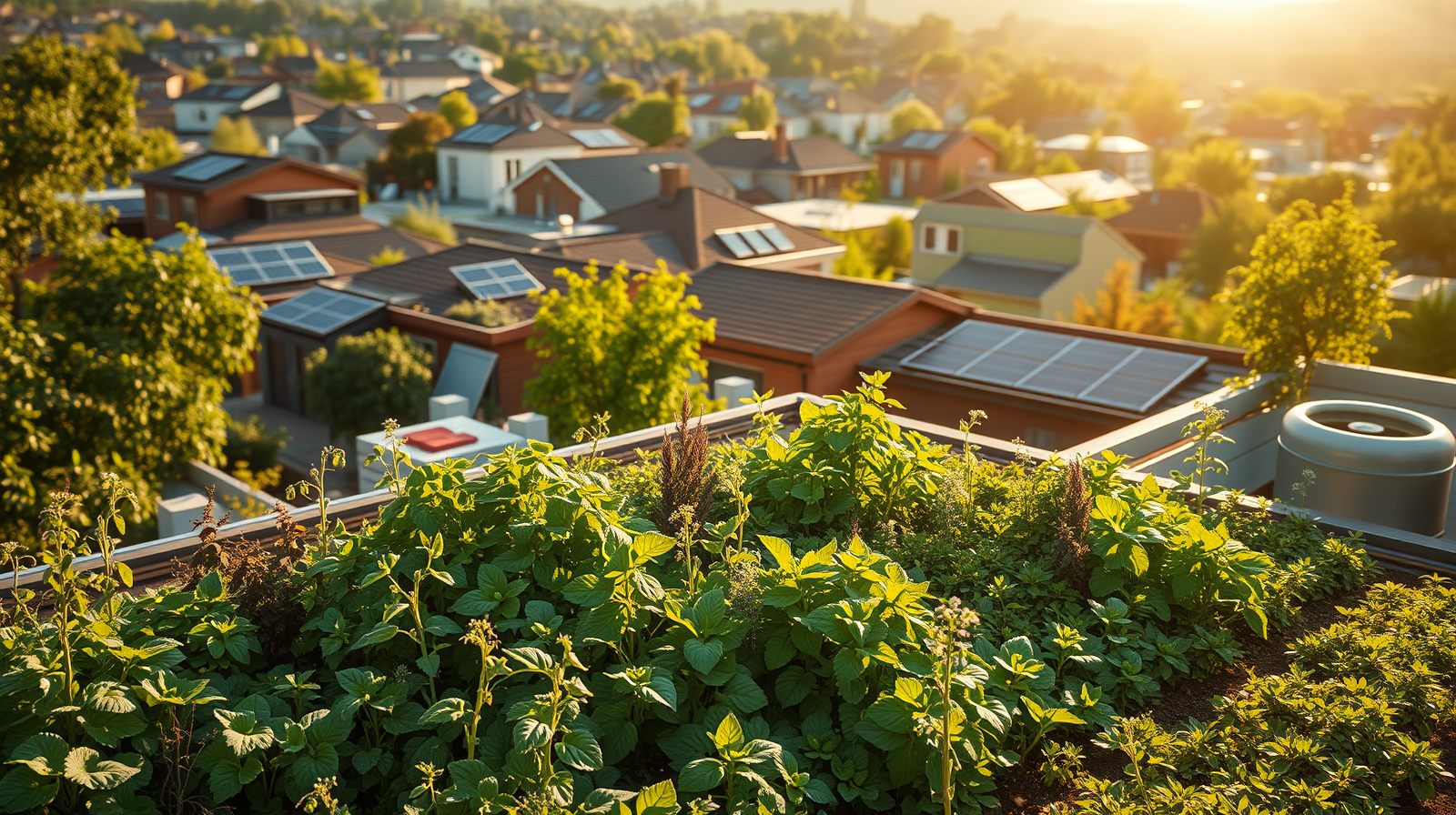
How the rainwater system works
The underground water storage system is designed to function in connection with the building design. In case there is an unexpected storm in the neighbourhood during summer days, drainage systems will divert the excess water from storm sewers and transfer the water runoff from the rooftop apartments into the underground reservoir.
According to the field interviews published in the Hem och Hyra report, the system gives landscaping teams a highly reliable, independent resource to nourish the estate's flora. Property workers like Celia Gerber regularly monitor a digital display connected to the underground system to track available volume before connecting hoses to water young trees, potted decorative flowers, and fragile new plantings. Even during peak summer operations, the water level in the tank rarely drops below thirty percent capacity, proving that a single decent downpour can reliably sustain a suburban landscape for up to three consecutive weeks.
This is one instance where urban design is adjusting itself according to the changing climatic environment. According to the survey, many other housing companies in the region are being influenced by this strategy and considering using the harvested rainwater in order to flush toilets in an eco-friendly manner.