
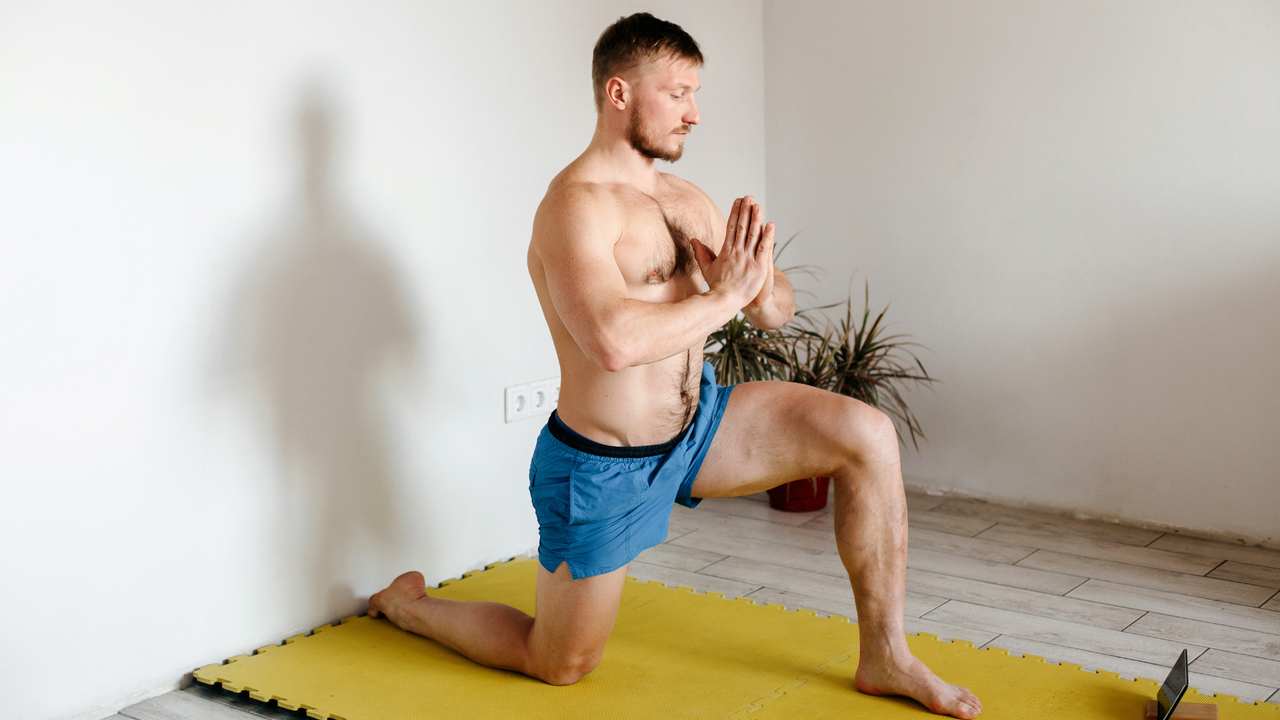
Stiff knees when you get out of bed. Achy hips after a day on your feet. A shoulder that crunches every time you reach overhead. Joint pain is often seen as an inevitable part of getting older, but according to the experts, losing mobility and experiencing pain isn’t something you should simply accept.
In fact, strengthening your joints isn’t just about preventing injuries; it’s about helping your body continue to move, lift and function well - keeping you physically independent as you age.
How to future-proof your joints
“Joints thrive on movement,” says certified personal trainer and group exercise instructor, Bruno Pontes from Muscle Booster. “Regular movement and strength training help maintain joint stability, mobility and overall function."
"Strengthening the muscles around your joints also helps reduce stress on the joints themselves, which becomes increasingly important as we get older.”
“As you move through the years, joints naturally become less resilient, increasing the risk of stiffness, injuries and falls,” he explains.
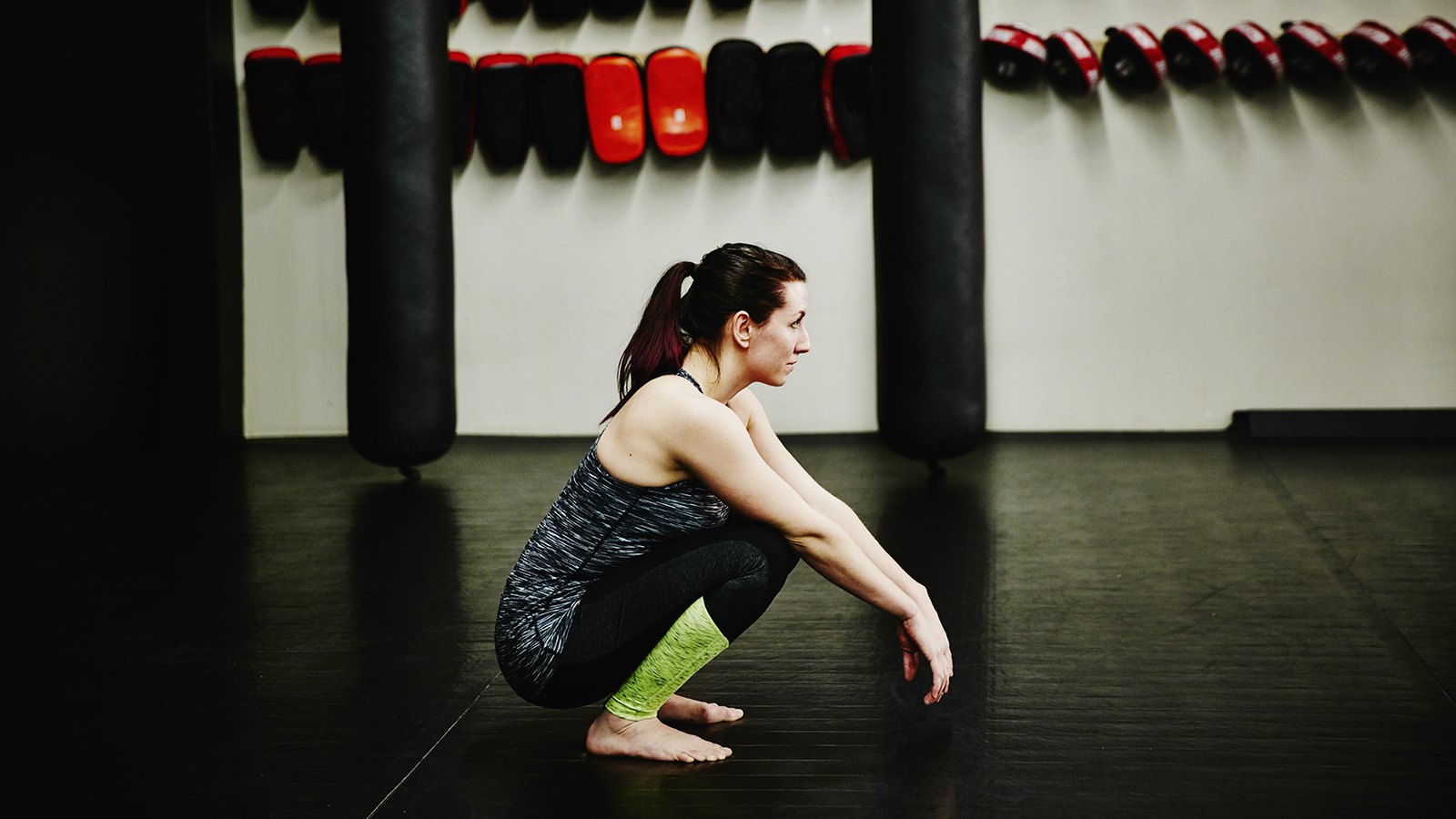
“The more strength, stability and mobility you build around them now, the better your body will cope later on. One of the biggest mistakes people make is avoiding movement altogether once stiffness starts.”
The good news is that supporting your joints doesn’t require complicated workouts, physio appointments or endless mobility drills. A handful of smart exercises that improve strength, balance and control can help reduce aches, improve movement quality and keep you moving well for years to come.
Five best exercises to future-proof your joints
All you’ll need for this workout is a bit of space, either a gym or a living room with a yoga mat and a low step, weight bench or platform.
Perform the five exercises below after a five-minute warm-up and aim to complete the workout at least twice a week, “which allows for effective rest periods between workouts while still challenging your muscles - and therefore helping protect your joints,” says Pontes.
“My other advice is not to rush through the movements. Focus on quality and control rather than speed or the number of repetitions,” he adds. “Your joints will seriously thank you for it.” Here are your exercises:
1. Squats
“Squats are great movements for future-proofing joints because they improve leg strength, hip and ankle mobility, as well as balance and coordination,” says Pontes. “They can be performed as traditional squats while standing or simply by routinely standing up and sitting back down in your chair.”
How to do it
- Start by standing tall with your feet slightly wider than shoulder-width apart and your toes turned slightly outward.
- Brace your core, squeeze your glutes and bend your knees to lower into a squat. Raise your arms in front of you if you need help balancing.
- Lower until your hips dip just below knee level, then drive back up by pushing through your heels and squeezing your glutes at the top.
- Aim for 2–3 sets of 10–15 reps.
2. Push-ups
“Push-ups are highly effective for building upper-body strength and strengthening the muscles around your shoulders to help protect the joint,” says Pontes. “They also improve core strength and the functional strength needed for everyday activities such as pushing, lifting and getting up from the floor.”
How to do it
- Start in a high plank position with your hands directly underneath your shoulders, core engaged and spine neutral.
- From here, bend your elbows to slowly lower your body towards the floor until your chest or nose nearly touches the ground - or as low as feels comfortable while maintaining good form.
- Push the floor away from you to return to the start position. That’s one rep.
- Aim for 2 sets of 8–12 reps.
3. Lunges
“Lunges are effective for maintaining balance, coordination and leg strength - all of which become increasingly important as we age,” says Pontes. “They help strengthen the muscles around the hips, knees and ankles, which can help reduce injury risk.”
How to do it
- Stand tall, then take a large step forward with one leg. Bend both knees until your back knee almost touches the floor.
- Push through your front heel to drive yourself back up to the starting position, then repeat on the opposite leg.
- Once you’ve completed both sides, that’s one rep.
- Aim for 2 sets of 20 reps in total (10 reps per side).
4. Step-ups and step-downs
“Step-ups and step-downs are great for knee health and everyday functionality because they mimic movements we perform daily,” explains Pontes. “They help strengthen the muscles around the knees and improve balance, both of which can help prevent trips and falls.”
How to do it
- Stand in front of a step, plyo box or bench.
- Lift your right foot onto the platform and push through your heel to raise your body up until your left foot meets your right.
- Slowly lower your left foot back to the floor, followed by your right foot, then repeat.
- Aim for 2–3 sets of 10 reps per leg.
5. Glute bridges
“Glute bridges help strengthen the glutes, lower back and hips without placing too much stress on the knees,” says Pontes. “Strong glutes help support posture, reduce lower-back strain and assist with mobility as we age. They are particularly beneficial for people who spend long periods sitting down.”
How to do it
- Lie face up on the floor with your knees bent and feet planted flat on the ground, hip-width apart.
- Rest your arms by your sides and gently tilt your pelvis to press your lower back into the floor while bracing your core.
- From here, squeeze your glutes and drive through your heels to lift your hips off the floor in a controlled motion until your body forms a straight line from your knees to your shoulders. Avoid over-arching your lower back.
- Pause briefly at the top, then slowly lower your hips back down with control until they lightly touch the floor.
-
That’s one rep. Aim for 2 sets of 10–15 reps.
Why joint-strengthening exercises matter
We get it, strengthening your joints may not sound sexy, or even like the most exciting training goal, but failing to continue resistance training as you age can significantly increase the risk of sarcopenia: the gradual loss of skeletal muscle mass and function.
“This can lead to poor balance, reduced mobility and increased pressure on your joints, all of which raise the risk of falls and injuries later in life,” explains Pontes.
“People who don’t do resistance training regularly are more likely to have weaker muscles, meaning the joints are less supported and may deteriorate more quickly," he says.
"Introducing resistance training can help slow or even reverse age-related muscle loss, preserving strength and helping protect your joints, while also making everyday activities easier.”
Pontes explains that maintaining muscle mass may also help "support metabolic health because muscle tissue burns more calories at rest than fat tissue, which may help reduce the risk of conditions such as type 2 diabetes later in life."
For the sake of doing these five exercises a few times a week, it really is a win-win.