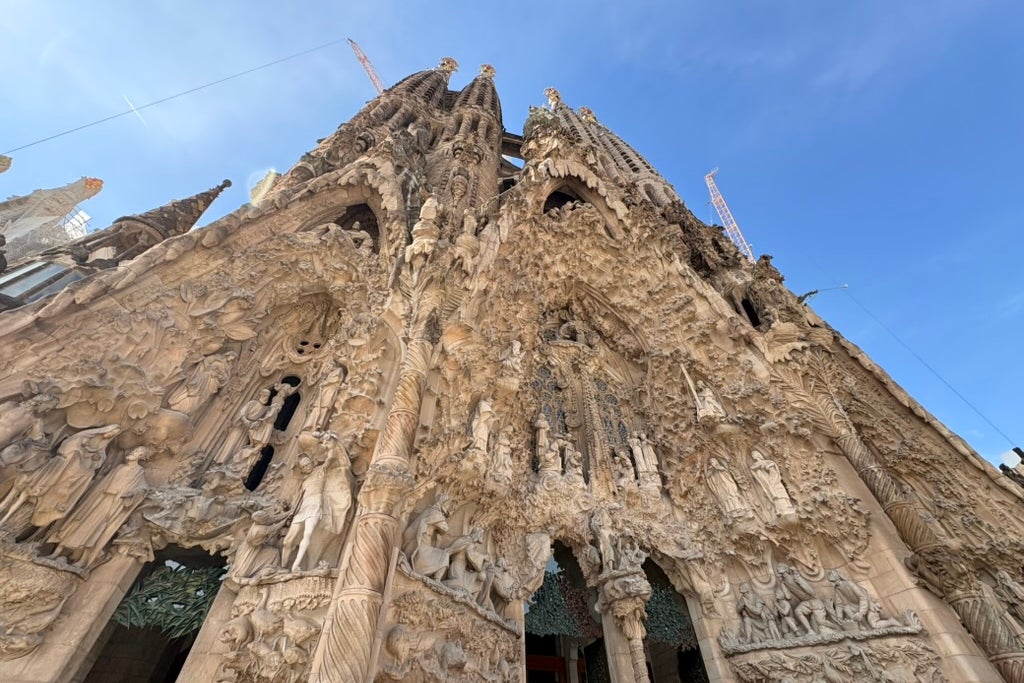
Gaze up at the Nativity Facade of the Basílica de la Sagrada Família, and you will get lost in the intricate details cascading down the church. A visual bible set in stone telling the story of the birth and early life of Jesus Christ through lifelike figures mixed in between thick lashings of chiselled foliage.
It's the work of one Antoni Gaudí, a Catalan architect known for paving the way for the Modernisme movement that can be seen across Barcelona. The Nativity Scene was the only part of the Sagrada Família – his life’s work – that this creative genius saw complete before he died in 1926. One hundred years on, Barcelona is commemorating the centenary anniversary of the death of the architect, which happens to coincide with the Sagrada Família’s largest tower reaching its peak, making it the tallest church on the planet.
I am here in the Catalan capital to explore the city in the footsteps of Gaudí to get a better understanding of how his style went on to materialise in one of the most groundbreaking structures in the world. I spent almost a whole morning admiring the exterior of the Sagrada Família with its slender towers, organically shaped motifs and its maximalist approach, noting Gaudí’s confidence to break away from the more rigid art movements and architectural styles of his time.
The looming question was why the city is making such a big fuss about the church’s largest tower being complete, when in fact it may take another decade to actually finish the entire complex – well over a century since construction began. There’s a saying in Barcelona for when things take an unfeasibly long time to complete: “Això dura més que les obres de la Sagrada Família” (This is taking longer than the work on the Sagrada Família!).
Read more: I’m a Barcelona destination expert and these are the best cheap hotels
But there might be something in the art of slowing down, especially in a busy city like Barcelona, which attracts millions of tourists every year. “My client is not in a hurry,” the deeply religious architect is thought to have said over early concerns that the basilica would take a long time to build – the client in this scenario being God.
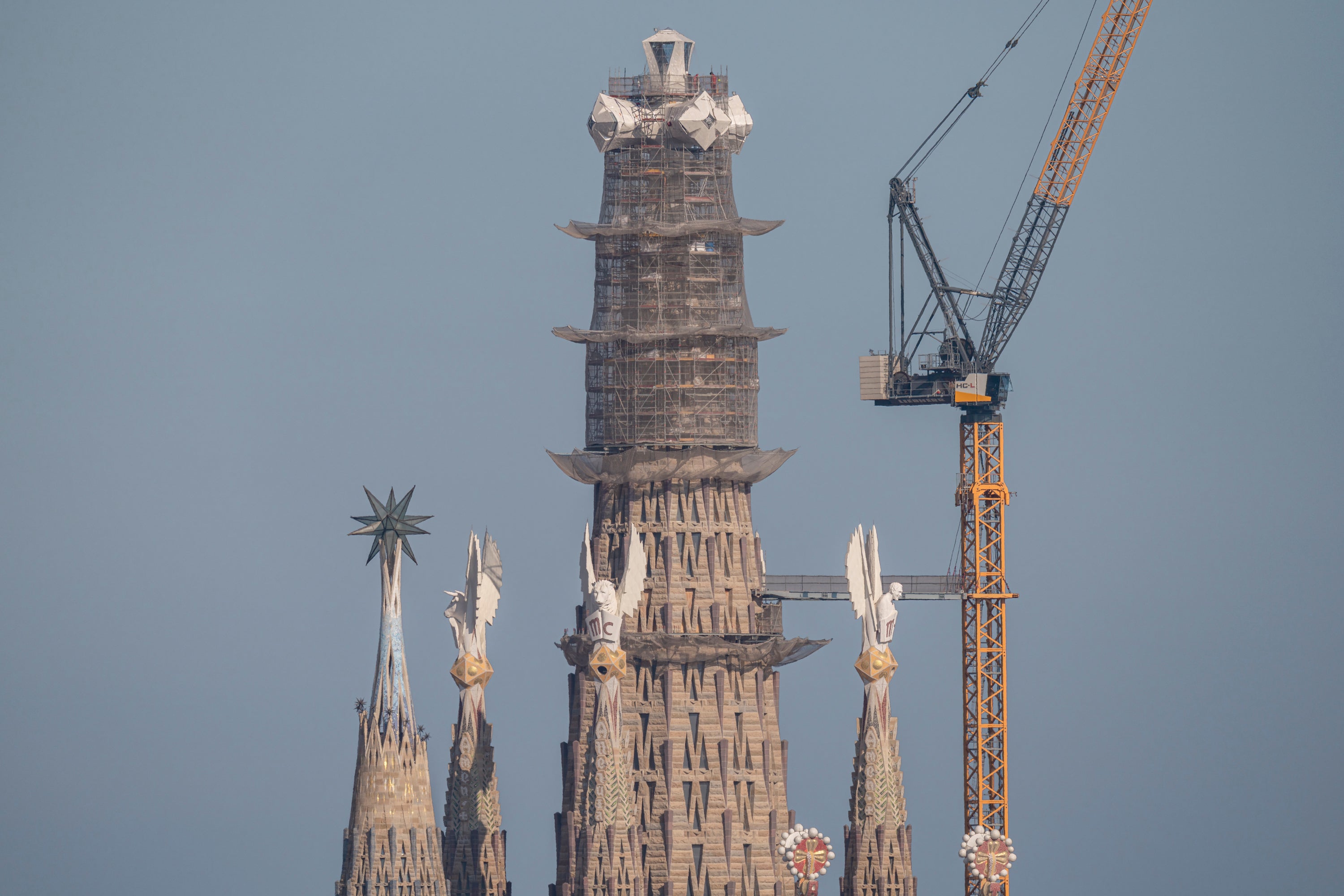
If the Sagrada Família prioritises quality over fast-paced production, why would I rush my way around the church? If Gaudí’s client was not in a hurry, neither am I. Adopting this approach, I take my time looking at the facade, appreciating all the detail and craftsmanship that has gone into making this explosion of devoted maximalism.
While an official completion date is not yet set, in the meantime the Catalan capital is keen to celebrate the major milestone year with various masses, concerts and events celebrating Gaudí, along with a special visit from Pope Leo XIV in June.
If the outside of the basilica left my spine tingling, then stepping inside the Sagrada Família was like a full-body electric rush. I meet with Marta Otzet, the culture and social director of the church, who tells me that people have strong emotional reactions when they enter the nave.
“A lot of people burst into tears, not because something happens inside them, and it's really lovely, because it's not connected to the religion, it's connected to the human,” said Marta.
Read more: On the trail of Picasso in Barcelona, Catalonia’s art-loving capital
Its human appeal certainly did start to attract crowds, but visiting when the church first opens at 9am, I find most visitors respect that the Sagrada Família is first and foremost a place of worship and keep noise to a minimum. At any rate, eyes are not on your fellow visitors; they are instead fixed on the sky-high tree-like columns that stretch up to the ceiling while speckles of light from the sunset-hued stained glass windows dance off the trunks.
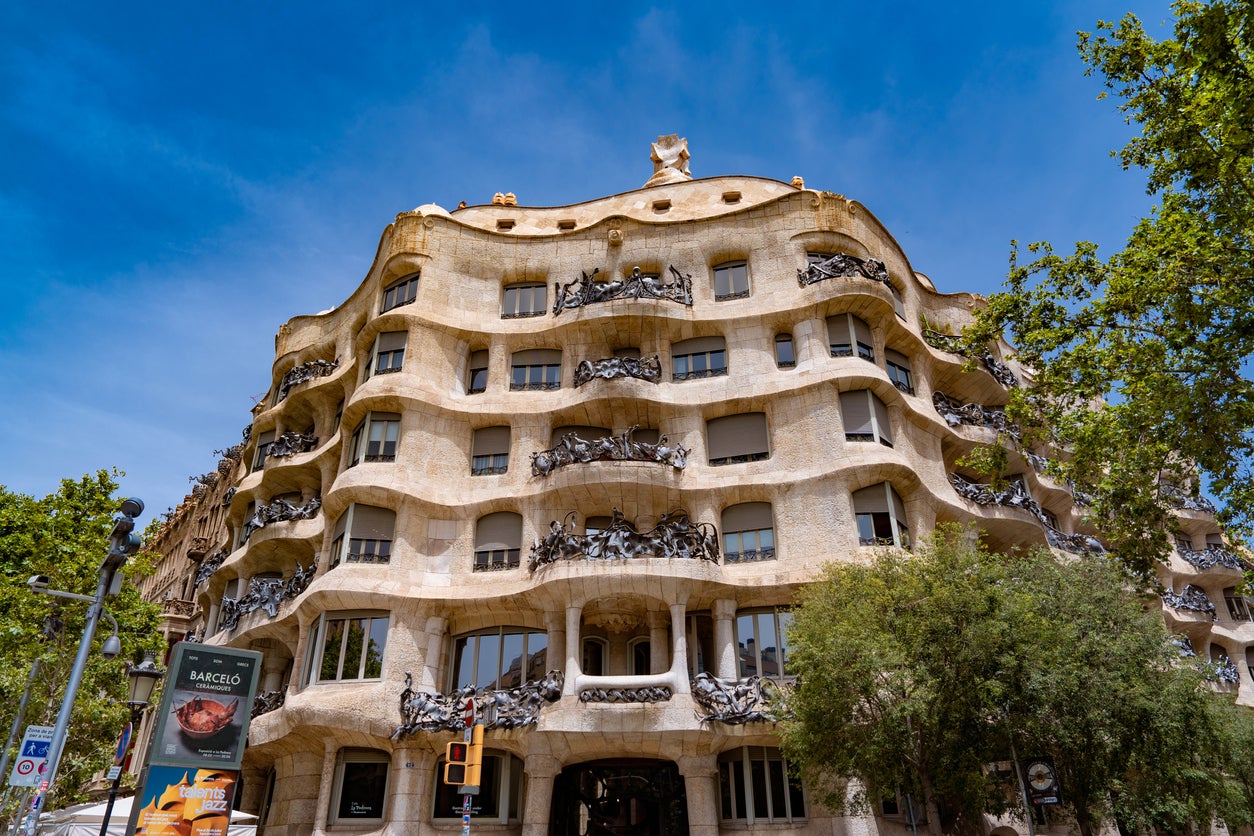
Appreciation for Gaudí’s work didn’t always come in this form. The architect’s early career saw him design houses for the upper echelon, who gave him full rein and the funds to let his creative freedom flourish, designing buildings such as Casa Mila. It was eventually sold off by Mr Mila’s widow, who felt disdain for the building's curving walls that were in direct conflict with her traditional taste. The house was nicknamed La Padrera (the quarry) to mock its undulating stone appearance, and even as recently as the 1980s, when it was put up for sale, the Art Nouveau building struggled to attract buyers.
I amble down to La Pedrera, and as I stand in front, I catch glimpses of Gaudí’s style that would later be reflected in his basilica masterpiece: the structure designed to achieve maximum light and suspended ceilings with sinuous shapes that almost look like rolling waves.
Just down the road, past a few designer storefronts on the upscale Passeig de Gracia, Casa Batlló offers a whole new perspective on Gaudí’s mind. It’s another of the architect's creations that can now be visited inside by the public, but its facade is the true standout, using organic shapes that look like slender bones and railings resembling skulls. A more fantastical roof appears to mirror the arched back of a scaly dragon – an ode to the beast that patron Saint George famously slayed.
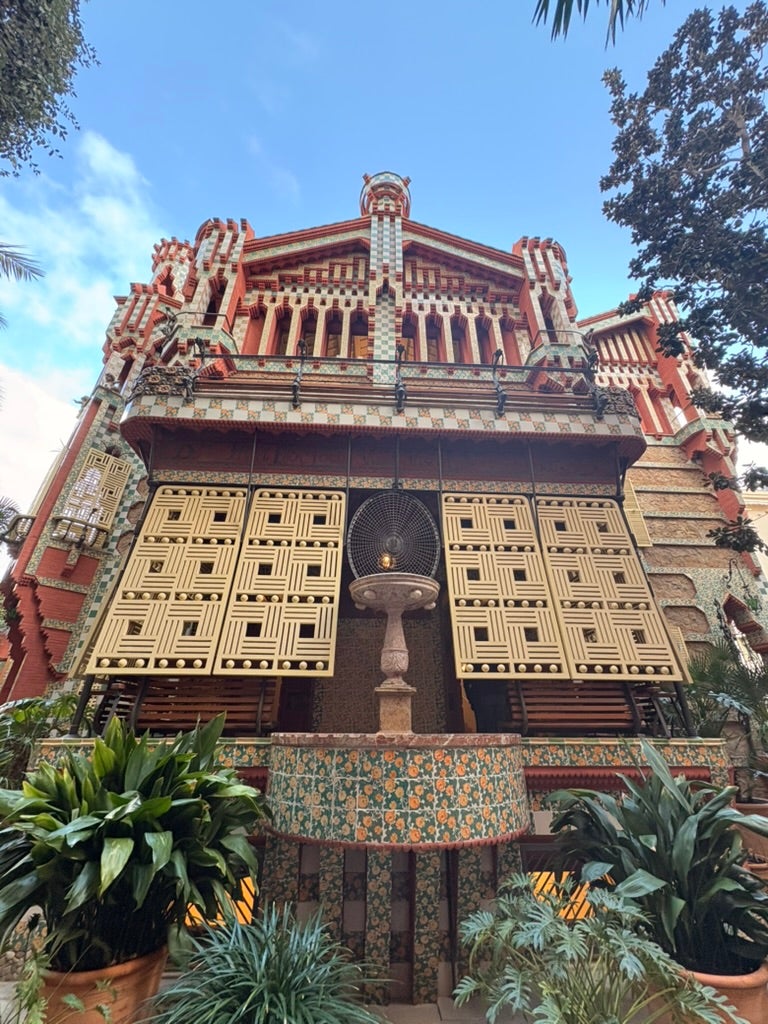
My favourite of Gaudí’s works is Casa Vicens, known as Gaudí’s first masterpiece, which shows flashes of how his later projects would eventually materialise. I hop on the metro to the village-like Gràcia neighbourhood, where the summer house was built before the area became an integrated part of the city. The architect used Eastern, Islamic and Mudejar influences and combined ceramic, brick and wood, ushering in floral and natural patterns in every nook. The finished result: a Modernisme manifesto of a house.
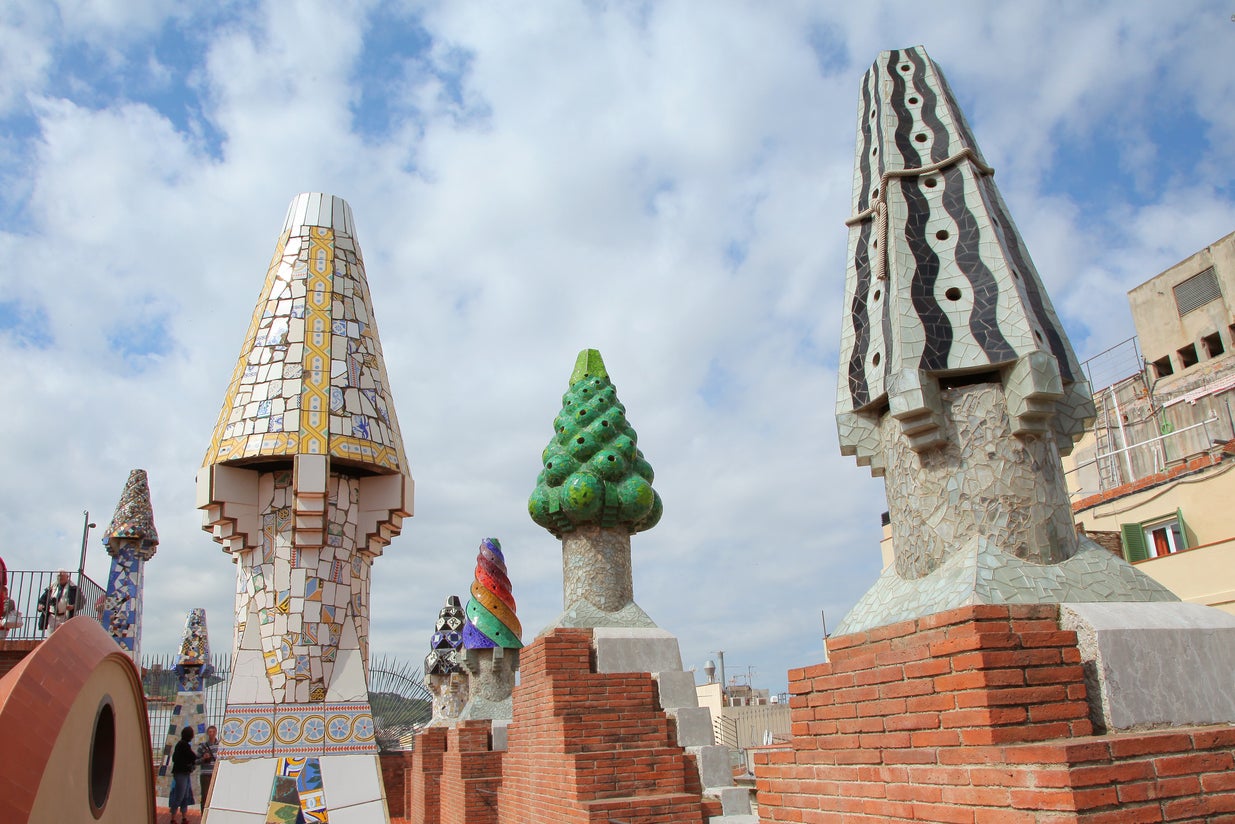
Each house is worth visiting for the rooftops alone. Gaudí believed that everything practical should also be beautiful, and so constructed smoke and ventilation chimneys, which were works of art in themselves. Taking my time, I weave between each chimney unfurling out of the roof in tree-like shapes, futuristic helmet forms or psychedelic ice cream cones, some embellished with small broken tile shards to create a mosaic of colour.
Read more: The best hotels in Barcelona for your next city break in the Catalan capital
Recycling trencadís (broken) tiles to create mosaics is yet another long and laborious technique used throughout Gaudí’s work, but the outcome is well worth the hours. For the best example of this, I persevere up a steep hill in Gràcia to reach Park Güell, one of Barcelona’s largest and most spellbinding green spaces. The park has an exquisite view of the rest of Barcelona, but my gaze keeps being captured by the flourish of colour on the undulating benches that look out over the skyline. I hone in on individual small shards, and admire the hours of craftsmanship it must have taken to place each segment, fitting them together like puzzle pieces.
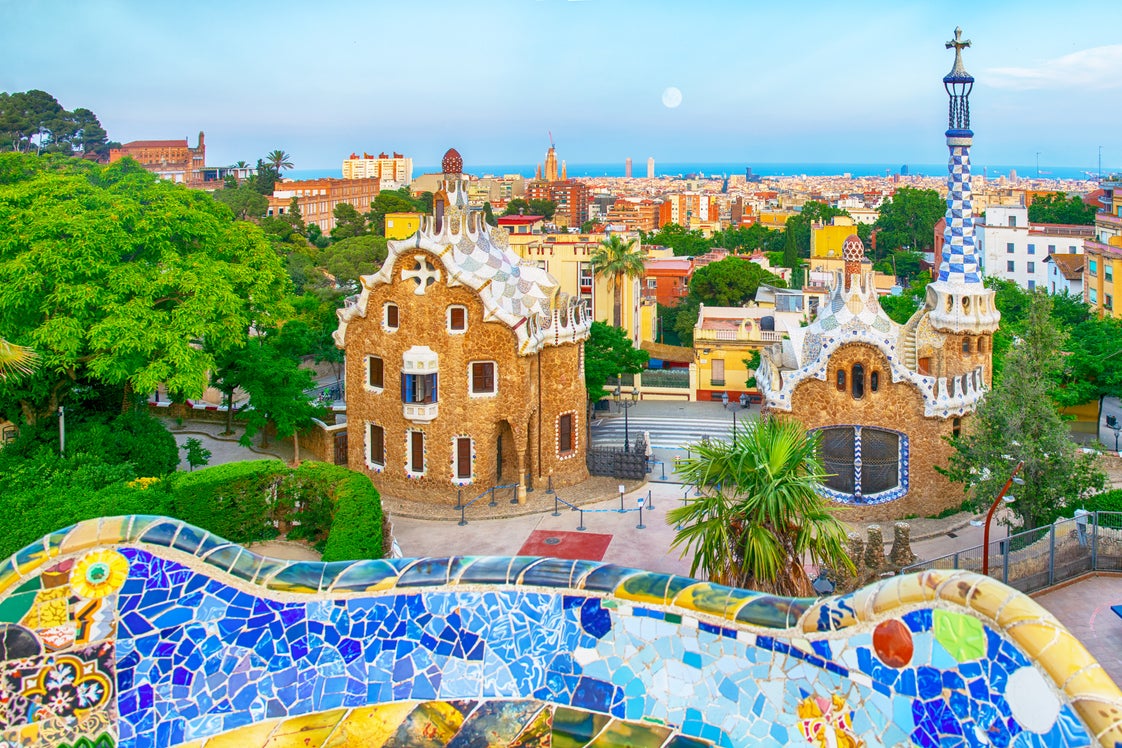
Finally I look out and spot the Sagrada Família in the distance. It reached its highest point a few weeks ago, but the very tip was still covered by a large white tarpaulin and flanked by large cranes, which the locals say have become as much a part of Barcelona’s skyline as any other building.
For some, it may be off-putting to visit a church still under construction, but Gaudí believed that masterpieces take time, knowing that even he himself would not see the day it was completed.
“He wanted to give meaning to every single thing that he was doing. In the Sagrada Família, everything has meaning,” Marta told me. “This beauty, this emotional power, this creativity, it's creating something special for the people that come here.”
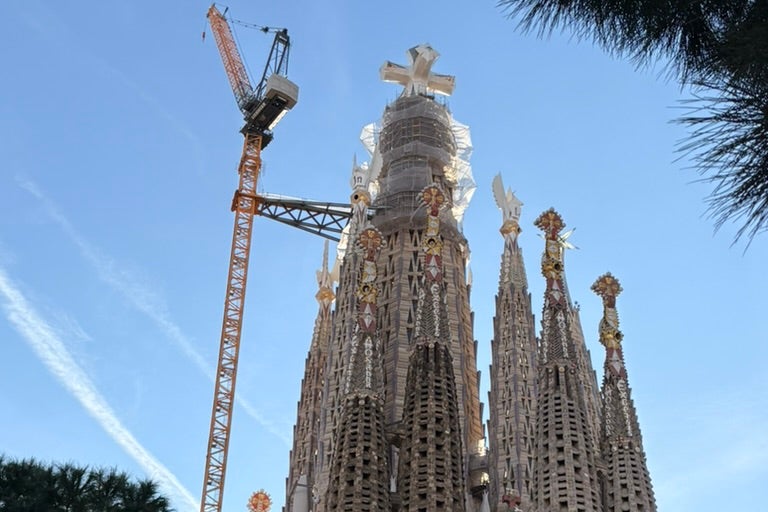
Rushing is not in the nature of a Gaudí project, and this means the Sagrada Família continues to be an ever-evolving story. The next day, I visit the church once again and see that the veil of tarpaulin has been lifted, revealing a colossal 17-metre-tall, four-armed cross glinting in the sun – a sight I believe is well worth the over 100-year wait.
Read more: I lived in Spain for two years and Elche is a green, sunny paradise
How to do it
I would recommend booking tickets to each Gaudí building well in advance, as these landmarks get very busy, especially the Sagrada Família – so much so that you may not be able to get tickets on the day. For all of Gaudí’s buildings, I visited just after they opened or before they closed for a quieter and more peaceful experience.
Tickets for each attraction are sold separately, but the Barcelona Tourism Board sells a “Barcelona Card Modernista”. which gets you into most Gaudí buildings along with other museums and attractions for €134. The card does not include access to the Sagrada Familia, with tickets separately from €26, and Park Güell, which can be bought from €18.
Direct flights to Barcelona airport are offered by Iberia, British Airways, Vueling Airlines, easyJet and Ryanair from the UK’s major airports such as Manchester, Birmingham, Glasgow, Edinburgh, Newcastle and all in London.
Where to stay
El Palace
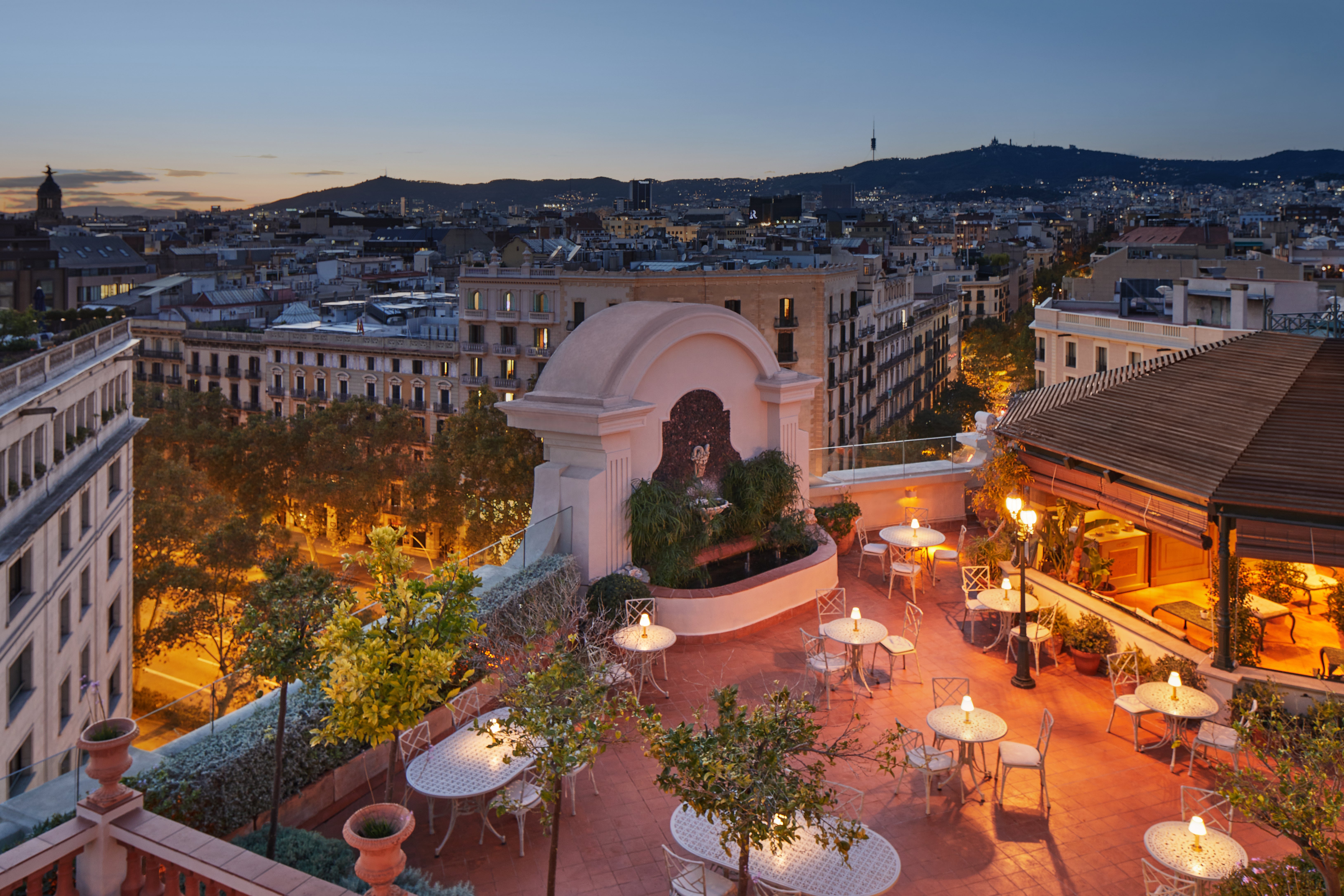
Opened in 1919 as Barcelona’s first five-star hotel, Hotel El Palace is woven into the city’s history. For anyone visiting Barcelona this year and going all-out for the occasion, this luxury stay will meet expectations. There are 120 rooms in El Palace, six of which are the signature Art Suites, each inspired by famous regulars, from artist Joan Miro to Rolling Stones’ Ronnie Wood, complete with separate lounges and Roman-style baths. The standout feature is El Palace’s rooftop, with unmatched views of the Sagrada Família. On 1 May, the rooftop will introduce Gaudí’s Secret Garden cocktail terrace, with a drinks menu drawing inspiration from the architect’s Modernisme style. Downstairs, a Gaudí-inspired Afternoon Tea will launch in October in the Great Hall, a majestic space lined with marble pillars and twinkling chandeliers. For those in town when the Pope visits, El Palace will be offering a Centennial Dinner on the terrace on 10 June, commemorating 100 years since Gaudí’s death.
Read more: Hotel El Palace, Barcelona, review
Kimpton Vividora
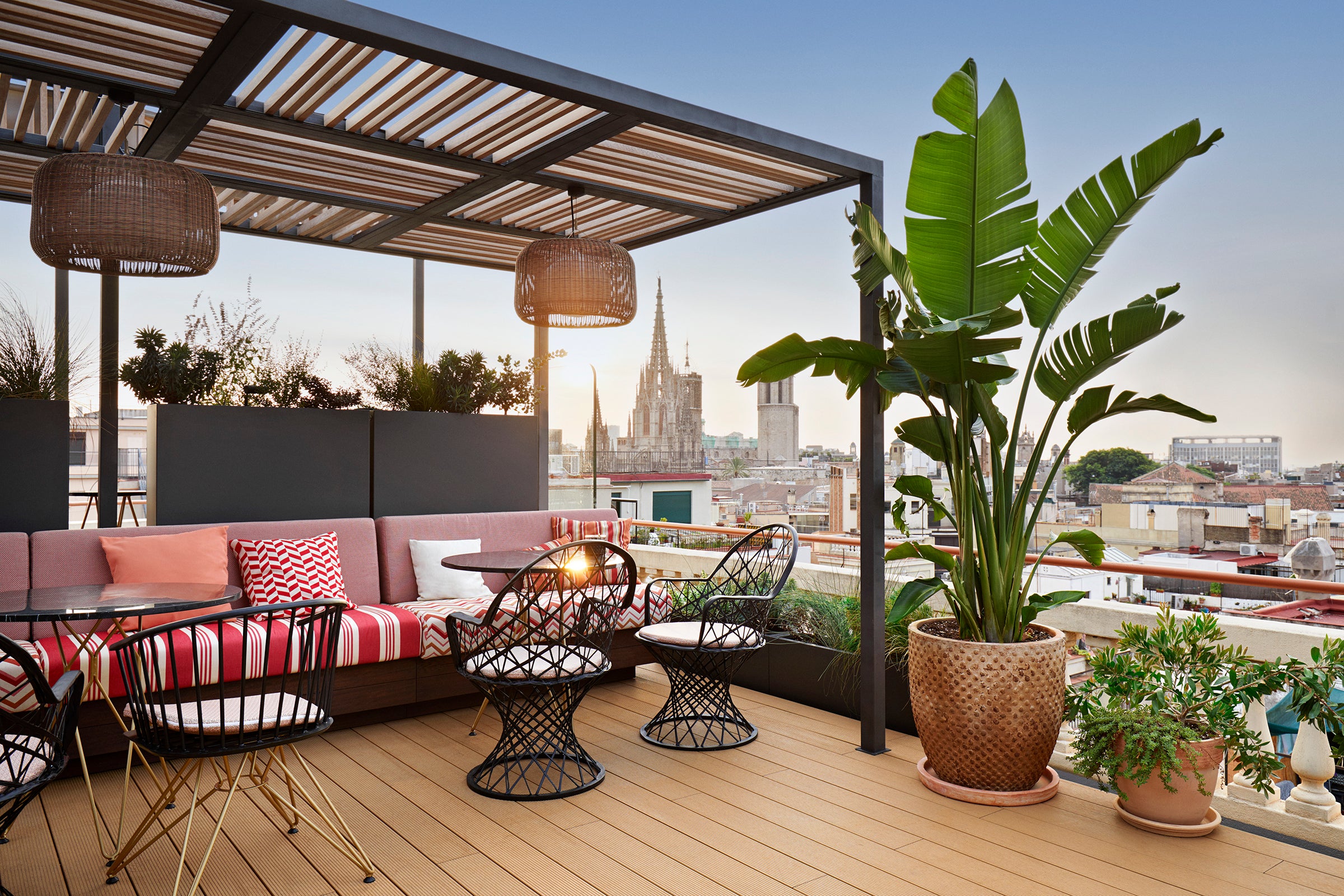
For something a little more laidback, but still keeping a luxury feel, Kimpton Vividora in Barcelona’s Gothic Quarter is a relaxing place to base yourself between Gaudí visits. With Palau Güell, La Pedera and Casa Battlo all within walking distance – and the rest a short metro ride away – the hotel lets you stay close to the action while also providing a comfortable place to rest. There are 151 rooms at Kimpton Vividora, 10 of which are suites that come with freestanding bathtubs and a private terrace with seating. From most terraces, windows, and certainly on the rooftop, views of Barcelona's Cathedral and Sagrada Família are in full view. In summer, Kimpton’s pool and cocktail area are the ideal place to wind down on an afternoon, while evenings are spent in Fauna, the hotel’s restaurant serving up Catalan favourites in its tapas sharers.
Read more: The best luxury hotels in Barcelona for a lavish stay in the coastal Spanish city
Amelia’s trip was supported by barcelonaturisme.com, El Palace and Kimpton Vividora