Britain loves baking. A nation was glued to its screens to see Nadiya Hussain win The Great British Bakeoff recently, as if a TV cookery show actually mattered.
Me too. In fact, I am so down with the Great British Bake Off that I agreed to be a judge in an art homage to it, called Edible Masterpieces. The Art Fund contest challenges art- and food-lovers to create culinary tributes to artworks. It’s very much an attempt to grab some of that Mary Berry cool for art – my fellow judges this week included 2013 Bake Off winner Frances Quinn, though we gave first prize to just about the only entry that was not a bake.
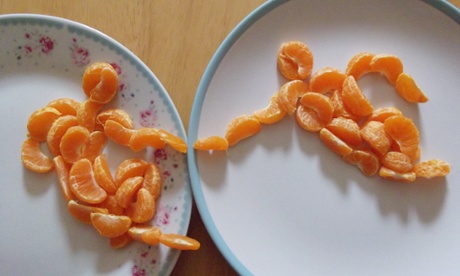
Priley Riley’s winning Edible Masterpiece is a recreation of God and Adam from the Sistine Chapel ceiling – made out of satsumas. The satsumas are wittily arranged across two plates to give an effective image of Michelangelo’s Creation of Adam.
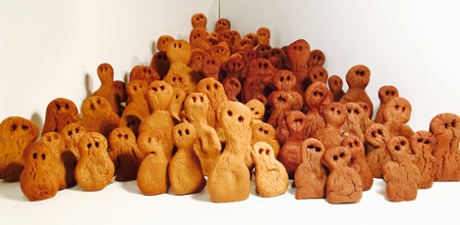
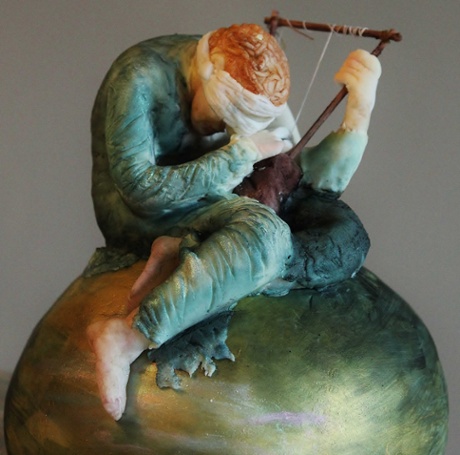
Other impressive entries included GF Watts’ painting Hope re-created as a sugar sculpture, a gingerbread version of Antony Gormley’s Field for the British Isles, and a chocolate rendition of an Alexander McQueen corset. There were cakes that looked like Anglo-Saxon designs and a set of modern art cupcakes featuring little icing replicas of everything from Munch’s The Scream to Warhol’s Marilyn.
It was sweet.
But it did worry me. When I signed up for Edible Masterpieces, the current series of Bake Off had not yet begun. By the time we sat down (over cakes, naturally) to reach our verdict, the national culture had apparently been transformed by TV baking and the passions it can arouse. Nadiya’s victory was a major moment in the history of Britain, a delicious triumph for whatever view of society you happen to hold.
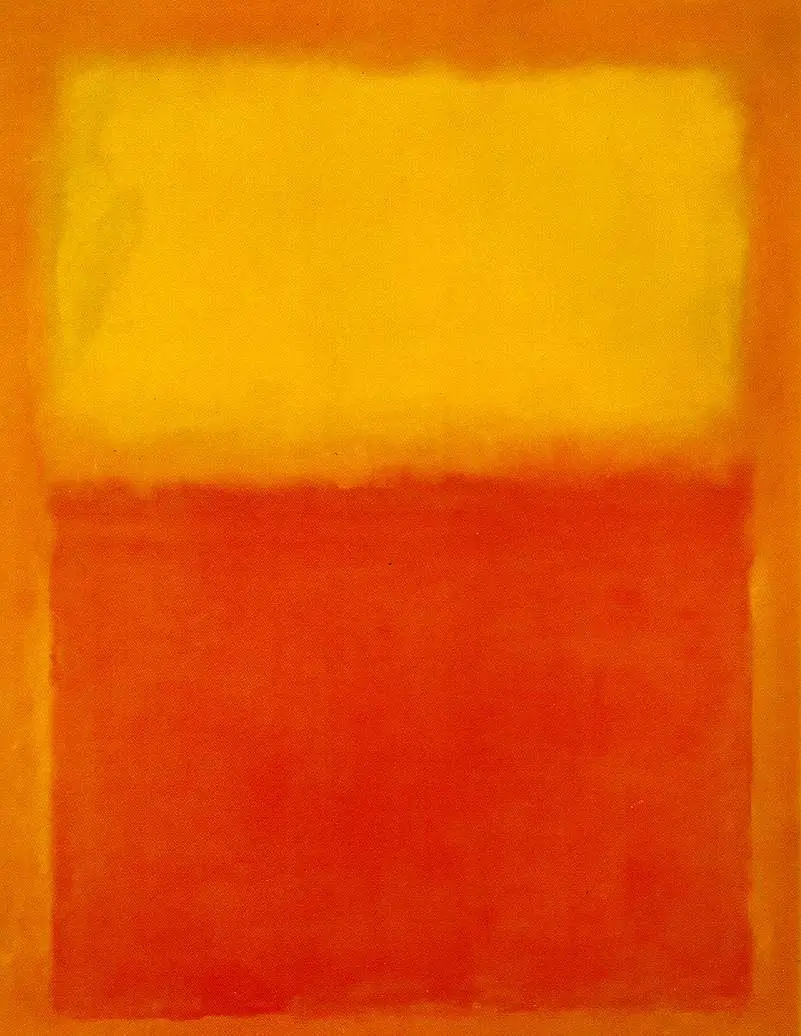
Oh come on. A cake is a cake. The nice thing about Edible Masterpieces is that it does not pretend food is the same as art. Food is not profound; it is not philosophical. It is a necessity that we turn into a luxury. You can do a lot of things in food, but you can’t rival the effect of a Mark Rothko painting let alone the Sistine Chapel.
The clever thing about making a Michelangelo out of satsumas is that, quite clearly, it does not replace the real thing. It is a playful tribute, no more, no less. As it happens Michelangelo had very little interest in food. He was too busy creating sublime art to worry about his tea. Friends used to send him cheese to make sure he didn’t starve.
Art can touch the parts that cakes will never reach. If you visit the real Sistine Chapel, you get lunch in a huge Vatican cafeteria. Then you stand under the ceiling and look up into another realm, another reality – the dizzying world of Michelangelo’s imagination. A place beyond baking.
Food is a joy but it does not mean anything. Great art feeds the soul. It matters so much more than cakes, in the end.