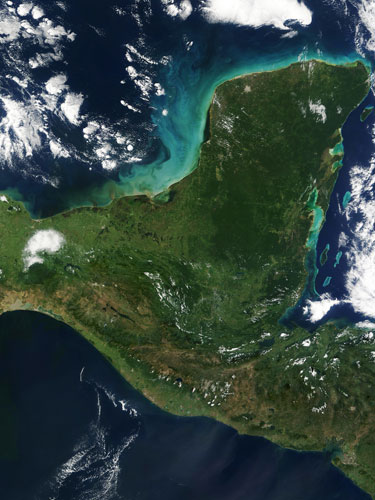
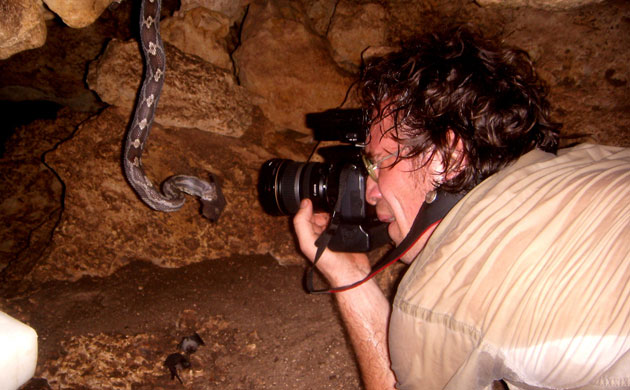
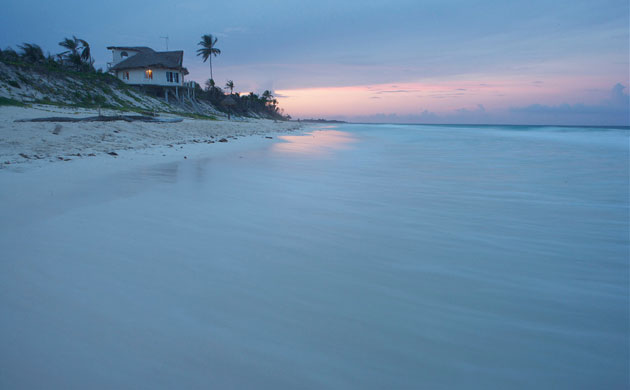
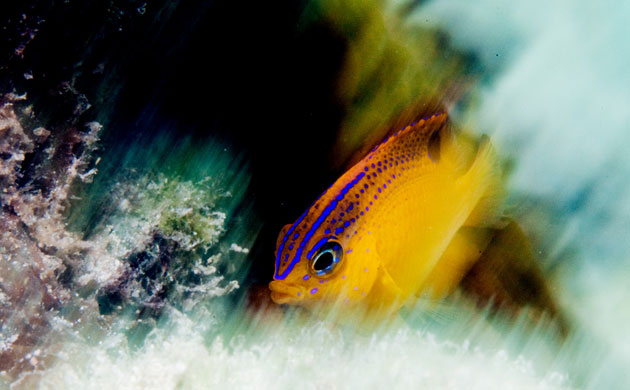
Photos released at the opening of the ninth World Wilderness Congress (WILD9) in Merida, Mexico, highlight the diversity and threats to conservation in the Yucatán peninsulaPhotograph: MODIS/NASAThe Rapid Assessment Visual Expedition (RAVE) is an initiative of the International League of Conservation Photographers, and was set up to address the challenges of modern conservationPhotograph: Christian Ziegler/iLPCEarly morning at the Centro Ecologico Sian Ka'an, a small eco-tourism and education centre that serves as a model for sustainable development in sensitive tropical ecosystems. Revenue generated through tours, fishing, accommodations, and various activities funds conservation and education programs within the Sian Ka'an reservePhotograph: Claudio Contreras/iLCP
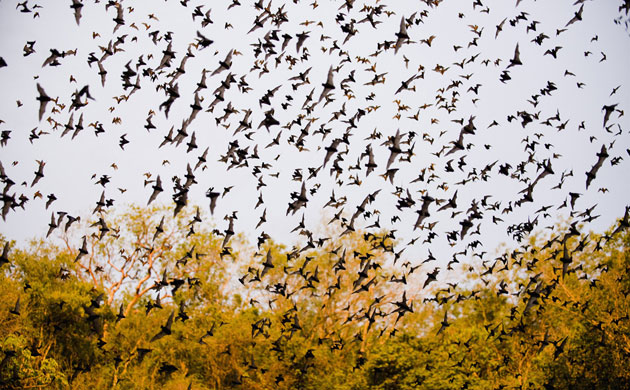
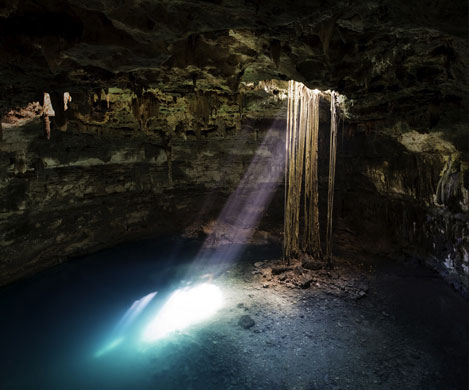
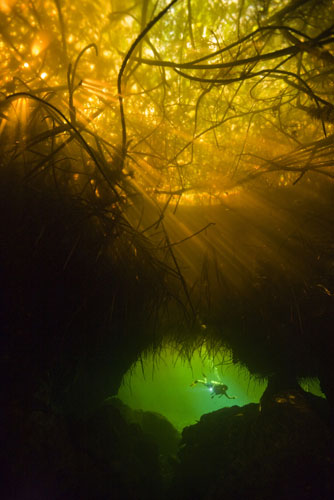
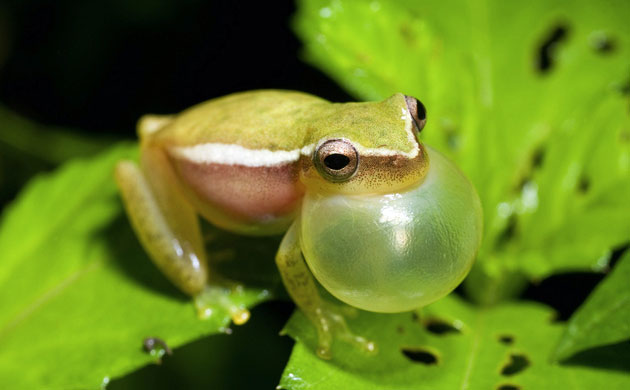
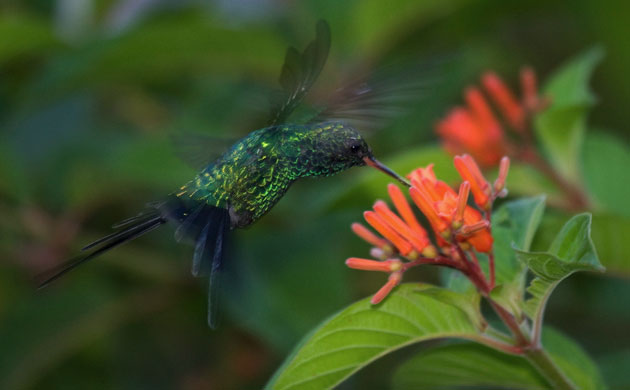
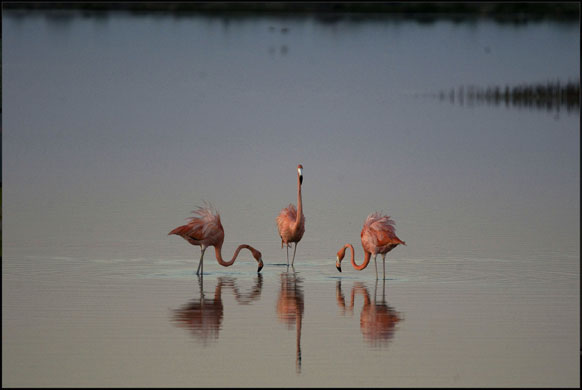
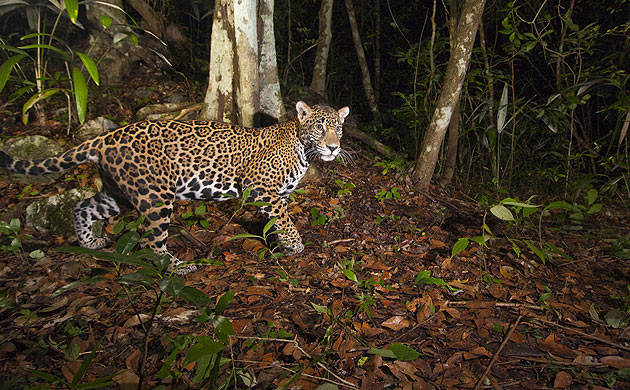
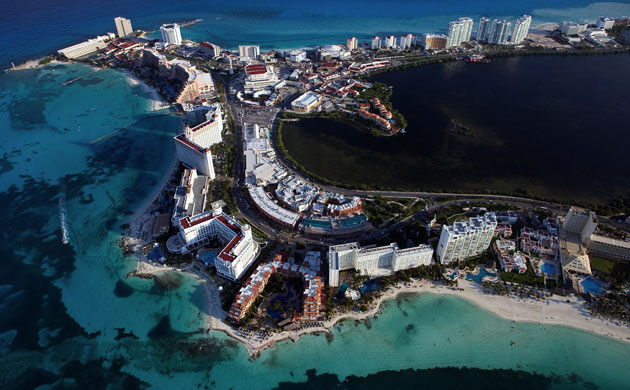
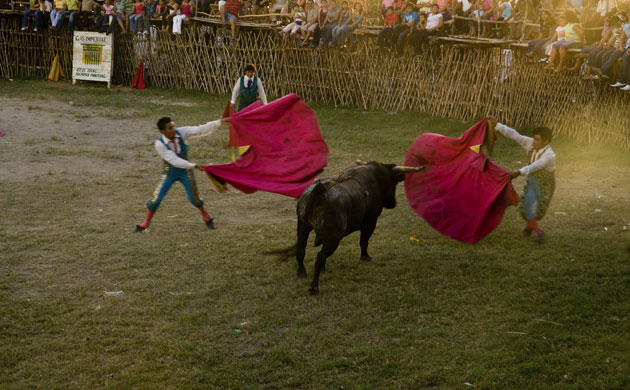
The RAVE has monitored areas of concern such as coastal island development and biodiversity lossPhotograph: Ben Horton/iLPCA whale shark (Rhincodon typus), the world's largest fish, by the island of Holbox, off the north coast of the Yucatán peninsulaPhotograph: Brian Skerry/iLCPA cloud of bats emerges from a limestone cave at dusk, Calakmul biosphere reserve, YucatánPhotograph: Kevin Schafer/iLPCCenotes – subterranean pools – can be found all over the Yucatán peninsula. Cenotes have long been the main sources of water in much of the areaPhotograph: Jack Dikynga/iLCPThere are over 3,000 cenotes in YucatánPhotograph: Paul Nicklen/iLPCPainted treefrog (Tlalocohyla picta). This species of frog is also found in parts of Belize, Guatemala and HondurasPhotograph: Kevin Schafer/iLCPThe cozumel emerald (Chlorostilbon forficatus) is a hummingbird endemic to the island of Cozumel, MexicoPhotograph: iLCPA trio of Caribbean flamingos (Phoenicopterus roseus) feed in the Laguna Rosada. They are highly social birds and live in colonies that can contain thousands of individualsPhotograph: Cristina Mittermeier/iLCPA jaguar (Panthera onca) photographed here via camera trap in Mexico Calakmul national park are the largest cat in America. They are classified as near threatened by IUCNPhotograph: Florian Schulz/guardian.co.ukAn aerial view of Cancún on the Yucatán peninsula. Over the past few decades, the peninsula has seen some of the highest deforestation rates in the world, in addition to forest fires and unsustainable development for tourism infrastructure Photograph: Daniel Beltra/iLCPA Mexican rodeo in Dzilam González, Yucatán. Cattle are an important part of economic activity, food security and culture in this part of YucatánPhotograph: Cristina Mittermeier/iLCP
Sign up to read this article
Read news from 100’s of titles, curated specifically for you.