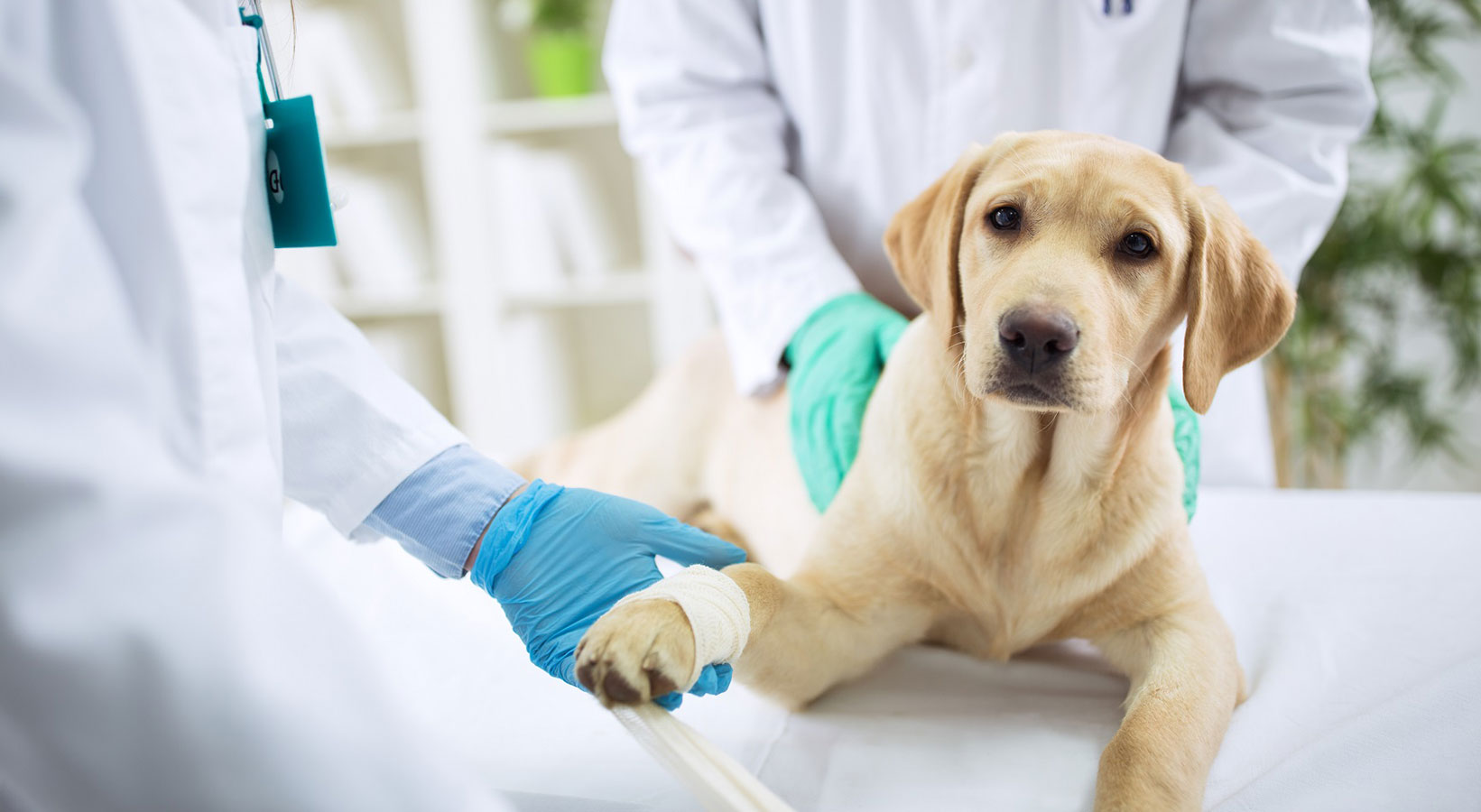
Pet emergencies can be a deeply frightening experience for any loving owner. That pit in your stomach, the frantic worry – we’ve all been there. It’s easy to feel overwhelmed when your furry friend needs urgent medical help. But understanding the basics of pet emergency care can make all the difference in those critical moments.
Navigating a pet emergency isn’t just about knowing where to go, although that's crucial. It’s about recognizing the signs, staying calm, and being prepared to act swiftly. In this guide, we'll walk through the most common pet emergencies. We will also discuss when to seek help, what to expect at an emergency vet visit, and some essential tips for managing costs.
Finally, we'll cover supporting your pet through recovery. Being informed about pet emergency care can bring you much-needed peace of mind—and could even save your best friend’s life.
Recognizing a Pet Emergency
Recognizing the signs of a pet emergency is crucial. Early intervention can drastically impact your pet’s well-being. While some signs are obvious, others are more subtle.
Common Pet Emergencies:
- Breathing Difficulties: This can present as difficulty breathing, rapid, shallow breathing, wheezing, gasping for air, coughing persistently, or your pet exhibiting open-mouthed breathing or panting even when at rest. This could be due to a blocked airway, asthma, heatstroke, or other respiratory issues.
- Seizures or Convulsions: Witnessing your pet experience a seizure is incredibly distressing. You may observe uncontrollable shaking, stiffness, loss of consciousness, drooling, urination, or defecation. If the seizure lasts for more than a few minutes or if your pet has multiple seizures in a row, seek emergency care immediately.
- Severe Vomiting or Diarrhea: While a single episode of vomiting or diarrhea might not be a cause for immediate concern, repeated instances, especially if they are severe, bloody, or accompanied by other symptoms like lethargy, loss of appetite, or abdominal pain, warrant a trip to the emergency vet.
- Trauma: Any incident like being hit by a car, falls from heights, fights with other animals, or experiencing a significant impact requires urgent veterinary attention. Even if there are no visible external injuries, internal bleeding or organ damage may be present. Promptly seeking help after trauma can save your pet’s life.
- Sudden Collapse or Inability to Walk: If your pet suddenly collapses or loses its ability to walk or stand, it’s vital to seek immediate veterinary help. This could be a sign of a spinal cord injury, heart problems, internal bleeding, or poisoning. Prompt action is critical in such cases.
Preparing for an Emergency Visit
Pet emergencies are stressful, so it’s essential to stay calm and act quickly. Knowing what to do beforehand can make a significant difference.
What You Should Do:
- Ensure Safety: Your safety and the safety of those around you are paramount. If possible, move your pet to a safe location away from any hazards. If your pet is injured or frightened, approach cautiously to avoid being bitten or scratched. Use a towel or blanket to move an injured pet if necessary.
- Contact Your Nearest Emergency Vet: Once safety is addressed, call the emergency veterinary hospital and tell them you're on your way. Explain your pet's symptoms briefly so they can prepare for your arrival. Having your pet’s medical history accessible can be beneficial.
- Gather Essential Items: If you have time before leaving for the emergency vet, collect a few important items. Bring any medications your pet is currently taking (including heartworm, flea, and tick preventatives), recent medical records, a sample of vomit or diarrhea (sealed in a bag), or anything else you believe might be helpful in diagnosing your pet. Also, having a familiar blanket or toy can comfort your pet.
- Transport Your Pet Safely: Use a secure carrier for cats and small animals. Secure dogs with a harness and seatbelt. If your pet is injured, pad the carrier or your car with towels or blankets. Keeping them as still and comfortable as possible can prevent further injury. Drive safely.
By acting swiftly and keeping a cool head during these tense moments, you contribute significantly to positive outcomes. Every minute counts in a pet emergency. Your preparedness could very well be the difference between life and death. Having essential items and information at hand enables the veterinary team to administer timely and appropriate treatment. So, plan ahead. You'll be grateful you did.
Navigating Costs & Options
Pet emergency care can get expensive. This is often because these facilities are open 24/7, require specialized equipment and personnel, and may necessitate lengthy stays and intensive care. Here are some points to consider regarding pet emergency care costs and options.
Pet insurance
Pet insurance can help offset some costs if an emergency arises. Discuss this with your vet or consider researching reputable providers online. Having that financial safety net in place can make difficult decisions a little less stressful when you need to act quickly. Consider investing in pet insurance.
Payment plans & options
Many emergency vet clinics offer various payment plans and options to make treatment more manageable. Don’t hesitate to ask about these. Remember, communication with the veterinary staff can be helpful when navigating finances during these already challenging times.
Understanding Your Options: Types of Veterinary Specialists
In certain pet emergencies, you may be referred to a veterinary specialist. These are veterinarians who have completed additional training in a specific area of veterinary medicine. Here are a few examples of veterinary specialists you might encounter.
Veterinary Surgeon
Veterinary surgeons are experts in performing surgical procedures on animals. They handle a wide range of surgeries. This could include anything from routine spays and neuters to complex orthopedic surgeries and emergency procedures. Veterinary surgeons are essential for treating many conditions and injuries in pets.
Veterinary Dentist
Veterinary dentists specialize in the oral health of animals. They provide services like dental cleanings, extractions, and treatment for gum disease. Veterinary dentists play a crucial role in maintaining your pet's overall health and well-being.
Veterinary Dermatologist
Veterinary dermatologists focus on diagnosing and treating skin conditions in animals. If your pet has allergies, infections, or other dermatological issues, a veterinary dermatologist can provide specialized care.
Veterinary Oncologist
Veterinary oncologists specialize in the diagnosis and treatment of cancer in animals. They work with pet owners to develop treatment plans and provide supportive care. Their expertise offers hope and improves outcomes for pets diagnosed with cancer.
Veterinary Ophthalmologist
Veterinary ophthalmologists specialize in the diagnosis and treatment of eye conditions in animals. They perform eye exams, diagnose diseases, and can even perform surgeries to correct vision problems or treat eye injuries. Their expertise is vital in preserving and restoring the vision of our animal companions.
Veterinary Neurologist
Veterinary neurologists specialize in disorders of the nervous system in animals. They diagnose and treat conditions like seizures, spinal cord injuries, and brain tumors. Veterinary neurologists are invaluable in managing these complex and often debilitating conditions in pets.
Importance of Aftercare
Once your pet is back home after an emergency, proper aftercare is vital for a smooth recovery. Follow your veterinarian’s instructions carefully and be patient; healing takes time. Make sure your pet rests, gets plenty of fluids, and takes any prescribed medications as directed. Monitor their behavior closely and contact your veterinarian immediately if you notice any changes. Your love and attention are crucial to your pet’s well-being during their recuperation. Remember, the road to recovery might be gradual, so providing a comfortable and stress-free environment is essential for your furry friend to heal and thrive.
Pet emergency care is a topic every pet owner should be informed about. Your pet depends on you, especially in those critical times. By equipping yourself with knowledge about the common emergencies, clear action steps, and what to expect at the vet, you're one step ahead in ensuring their well-being. Being prepared offers immense peace of mind and enables you to act decisively should an unfortunate event occur.