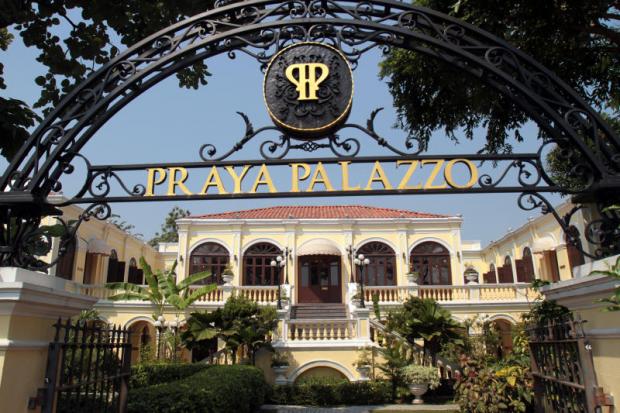
The exotic waterway access to this week's subject of review and its architectural grandeur that awaits to greet you never fails to cast the spell of first impression.
It was my second visit to Praya Dining restaurant and the visual charm of its setting was still unbeatable.
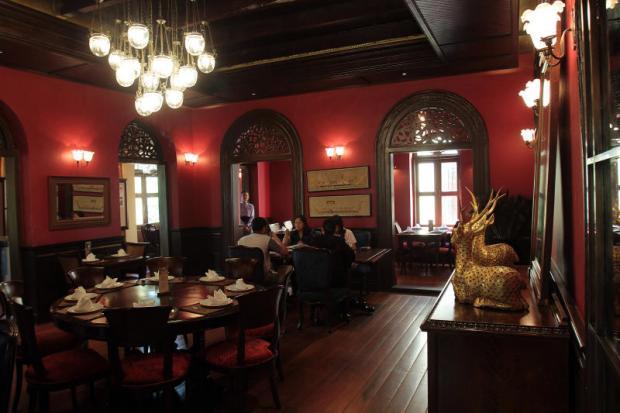
The 40-seat Thai restaurant occupies a grand foyer space on the ground floor of a Chino-Italian styled riverside mansion built in 1923 as a residence of Phraya Cholabhumi Panit, an elite bureaucrat during the reign of King Rama V.
The mansion was scrupulously restored by late architect Wichai Pitakworrarat and reborn in 2009 as the exquisite 14-room Praya Palazzo hotel. In 2011, the hotel was recognised by the Association of Siam Architects with the Best Conservation Award.
Today the hotel is owned by the Montara Hospitality Group. Though under new management, its culinary work is said to continue to stay true to local heritage and boasting authentic heirloom recipes.
On my first visit seven years ago the menu presented a lovely collection of ancient Thai dishes together with some Western classics. The menu now focuses solely on Thai fare.
Most of the restaurant's signature Thai dishes, including goong talai (spicy prawn ceviche in small cups) and moo phad som siew (stir-fried pork with yellow chilli paste) are still on offer. And to add a more bygone thrill to the meal, the new menu presents dishes according to their culinary era, starting from Sukhothai and Ayutthaya to Rattanakosin.
Personally I found the selection, which lists dishes such as lhon (savoury coconut cream relish); spicy beef salad; tom yum goong soup; and deep-fried vegetables spring rolls; to phad Thai noodles rather a utopian mishmash than comprehensive.
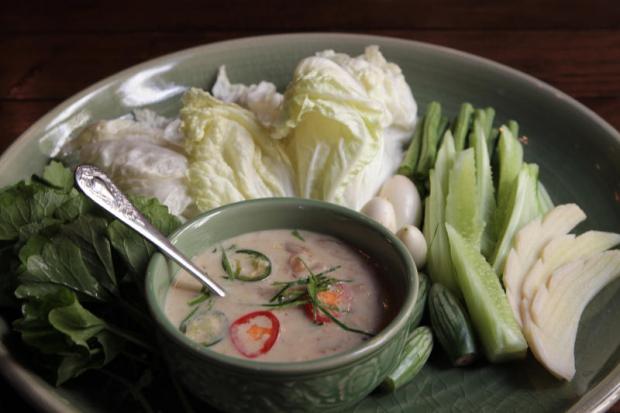
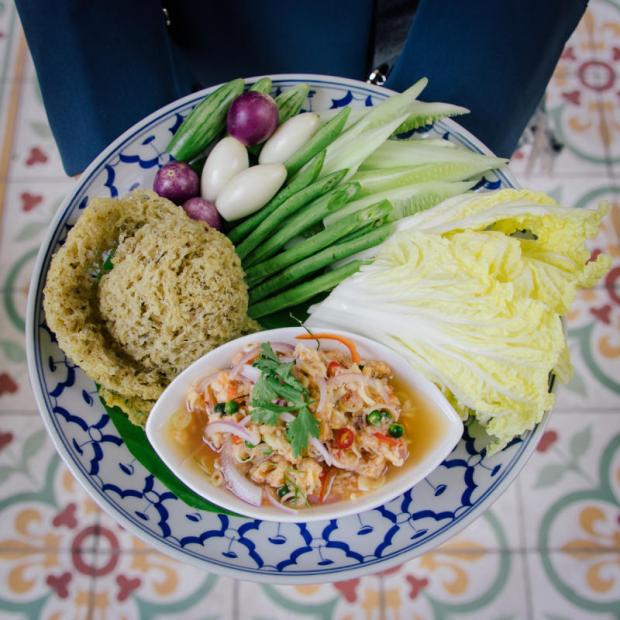
Lhon pla khem (290 baht), a simmered dish of mashed morsels of salt-cured mackerel, shallots and other herbs in coconut cream, was one of the delightful dishes I had. The creamily salty delicacy is best enjoyed with rice as well as with fresh vegetables, which are served on the side.
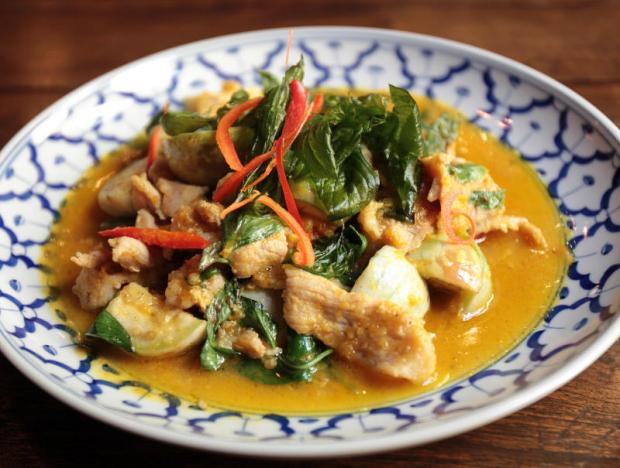
Another dish that brought full contentment was the all-time best-selling moo phad som siew (350 baht). Prepared with tender morsels of pork stir-fried with garlic, local eggplant, yellow chillies, basil and rice vinegar, the age-old dish rarely available anywhere else is guaranteed to open your taste buds to a new delight.
The restaurant also recommends its newly launched sharing set menu (1,800 baht per two persons or 2,800 baht for four persons).
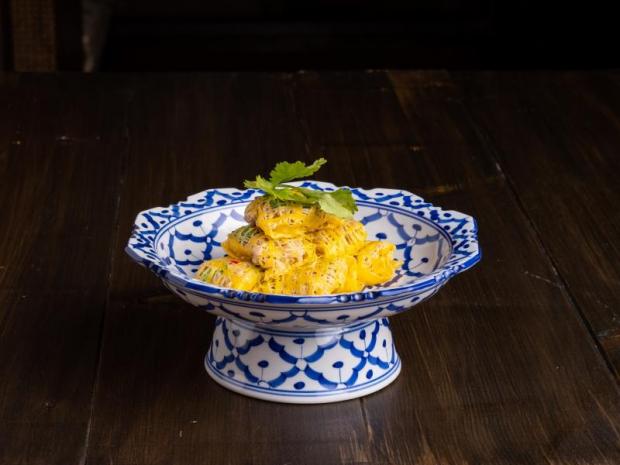
The set begins with a trio of appetisers: namely la tiang, or ancient snack of shrimp and peanut wrapped in egg mesh; goong sarong, or deep-fried prawns wrapped with vermicelli noodles; and krathong thong, or, as described on the menu, marinated minced chicken and vegetables served in crispy golden cups. All three of them tasted average.
Following was sang wa goong pla duk fu (380 baht). It's large platter of catfish meat mashed and deep-fried until puffed out and fluffily crispy. Complementing the fish was a spicy dip made with flash-cooked shrimp and herbs and an assortment of fresh vegetables.
Gaeng runjuan represents the soup course of the set. It's a spicy pork soup, a loose hybrid of gaeng leang (spicy vegetable herbal soup) and tom som (sweet and sour soup flavoured with shrimp paste and tamarind paste). Praya Dining's rendition of the century-old recipe was, however, presentable though not memorable.
Of the set, guests are offered four dishes to eat with rice.
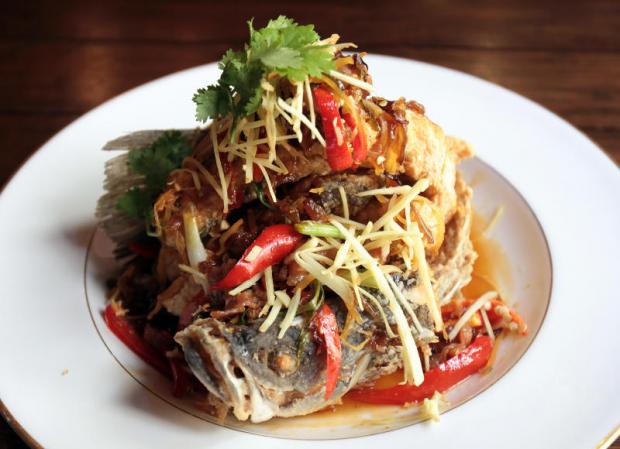
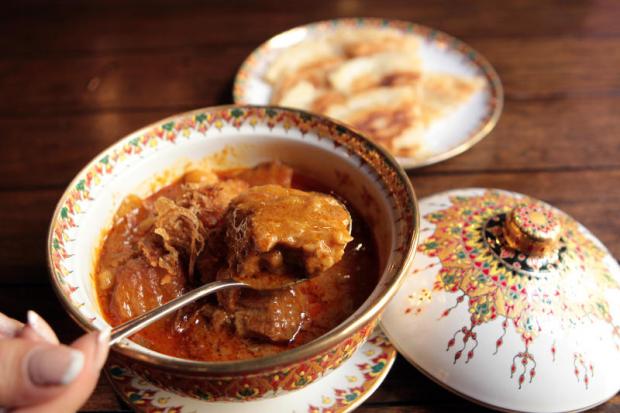
Dishes include beef massaman with young potatoes, moo phad som siew, deep-fried sea bass with sweet tamarind sauce and wok-fried mixed vegetables with oyster sauce.
I was very pleased with the massaman for the beef was cooked properly to retain its nice chew while the thick curry blasted all the quintessential spices, aromas and flavours.
Whereas the deep-fried sea bass dish, despite the fish's fresh quality, could have been improved on the concoction of sauce, which I found run-of-the-mill sugary.
Dessert options include inthanin, or glutinous pearls of pandan leaf-seethed rice flour dough in coconut milk with young coconut flesh; and yellow toddy palm dumplings in warm coconut milk. Both were enjoyable.
During my visit, service was prompt and pleasant with a cordial local touch.
The hotel is set on the Chao Praya River bank on the Thon Buri side and accessible only by boat. Guests can board the hotel's shuttle at Wat Racha Thiwat's pier, where there's plenty of car parking spaces (fee applied). For guests coming by taxi, it is best to board the hotel's boat at Phra Athit pier, which is right across from the hotel. Call the hotel to arrange pickup service.