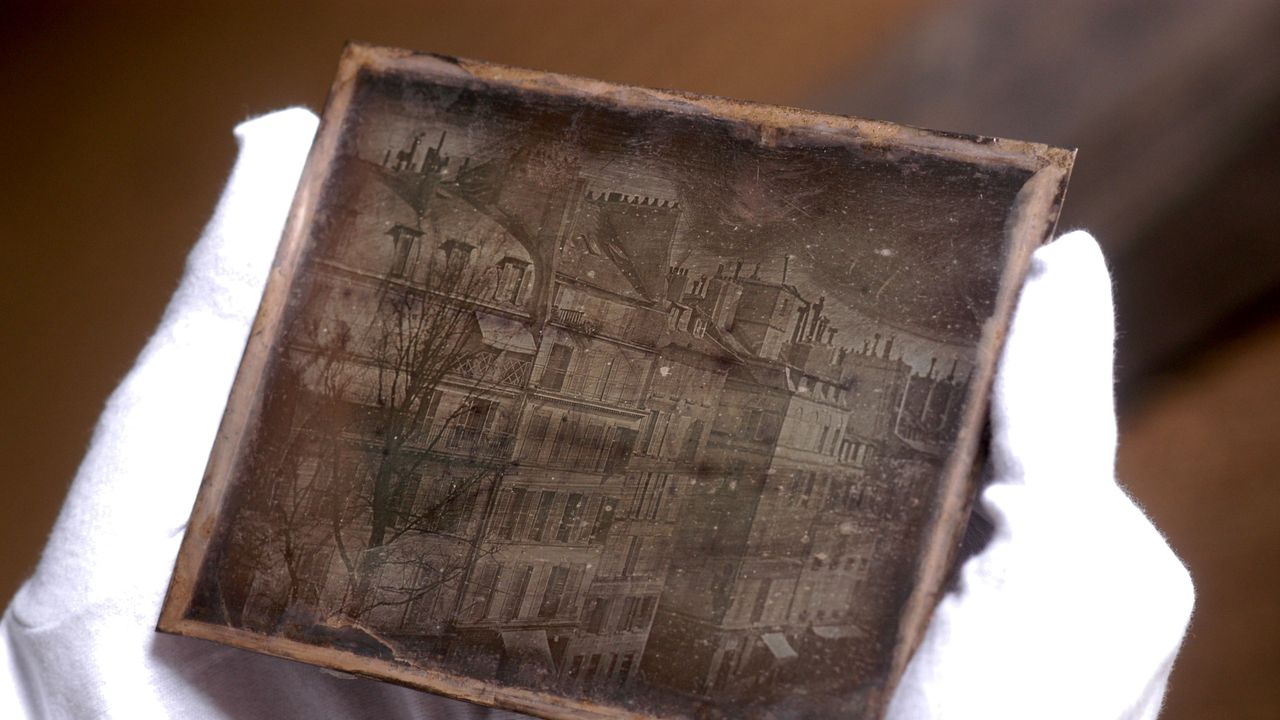
At photography’s start, painters dismissed the camera as a vulgar threat to fine art – but much of photography’s early start actually originates from a painter: Louis Daguerre.
The invention of photography didn’t stem from a single person, but rather a series of discoveries that played off each other.
Nicéphore Niépce (1765-1833) created what is widely believed to be one of the first permanent photographs around 1826-1827, but there was a key problem with the newly discovered method of using chemicals to preserve light: a single photograph took eight hours or more.
Daguerre (1787-1851) was actually a scene painter for the opera. But his interest in lighting led to a desire to turn images from a camera obscura – a simple box and hole that projected an image through physics, used by many painters – into a lasting image.
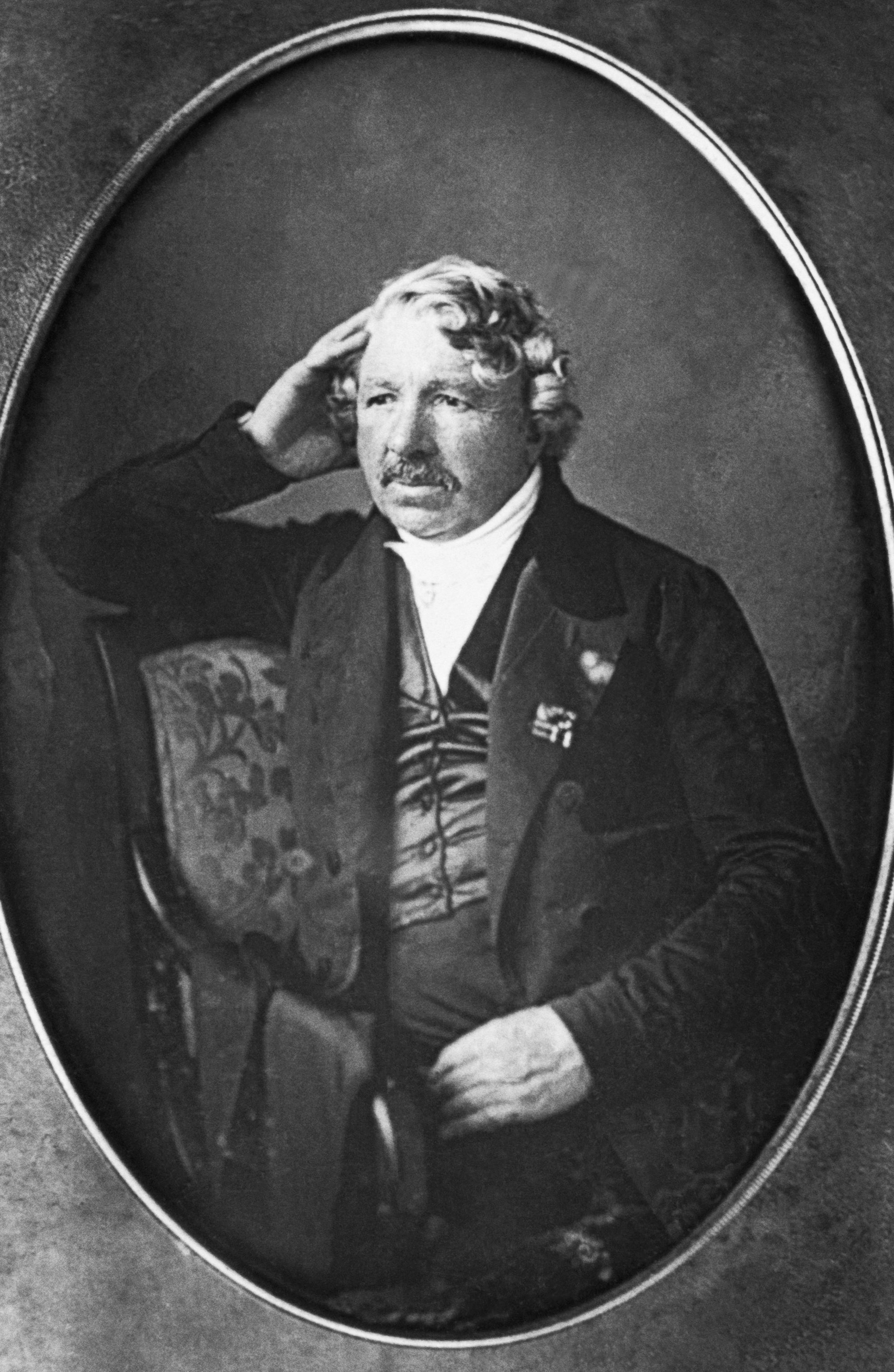
That drive led to Daugaerre working with Niépce, and the two created a new process using lavender oil. However, the Physauotype still took about a four-hour exposure time. After Niepce died in 1833, Daugaerre continued to work on the process – almost obsessively.
An archived 1929 article from the New York Times said that he worked on the concept feverishly: “He shut himself up in his laboratory, invisible to almost everybody, and for nearly two years tried chemical after chemical in hopes of having a picture emerge.”
History diverges a bit on Daguerre’s exact moment of discovery, but several stories suggest the invention of the daguerreotype happened nearly by accident despite those two years in a laboratory: he left a silver spoon on a metal plate coated with iodine in the cupboard, only to later find an image of the spoon transposed on the metal.
The silver and iodine, however, weren’t all the chemicals that Daguerre would need to perfect the process. Legend suggests a broken thermometer and leaked mercury vapors in that cabinet are what caused the “photo” of the spoon to develop.
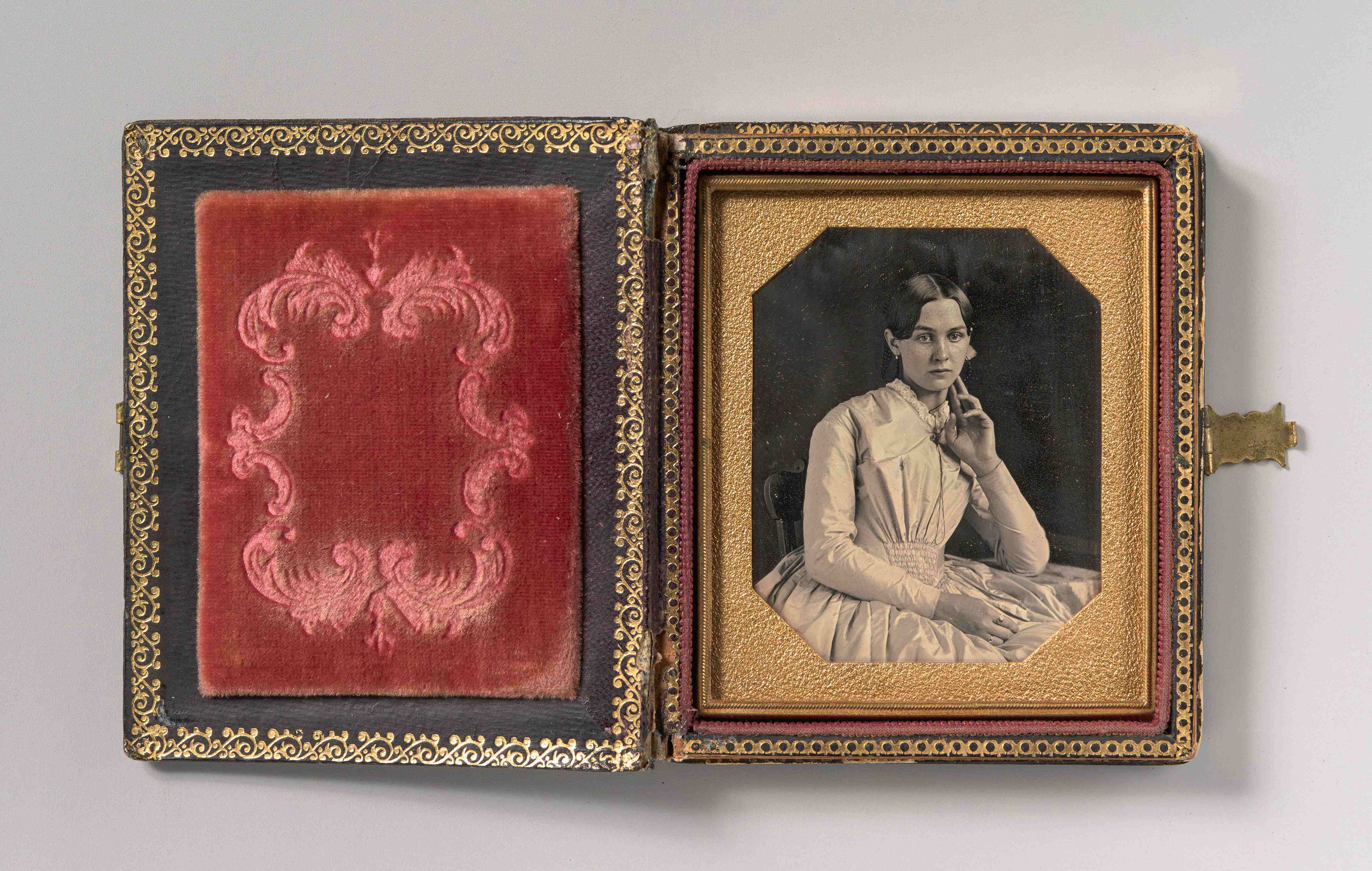
The daguerreotype wasn’t the earliest form of photography but, by shortening the exposure from eight hours to a time measured in mere minutes, the daguerreotype became the first practical photography process.
The daguerreotype would later be further improved with additional processing chemicals to shorten the exposure time from 20-30 minutes down to as little as 3-8 minutes – and then, with the addition of bright optics, down to exposures measured in seconds.
You may also like…
These top-ranked retro cameras may be modern on the inside, but they;re retro on the outside.