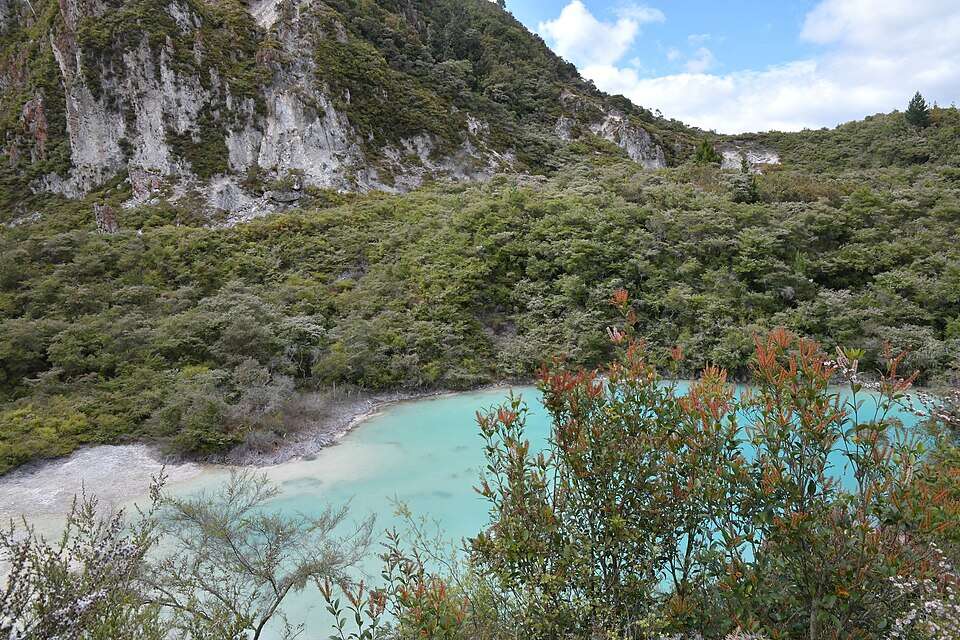
Kaingaroa has long sat amid some of the country's largest forestry resources, yet has not fully benefited from the wealth they generate. Currently, the small Bay of Plenty village has a plan to become the nation’s first integrated forestry processing cluster, producing high-value wood products, biofuel and renewable chemicals.
Get breaking news anytime, anywhere. Download the TOI app now!
This innovative initiative by the company NZ Bio Forestry intends to combine all phases of the wood production process in one place, including processing of wood, production of energy, and biorefining. This approach is intended to maximise the value of wood by using every part of the tree rather than just logging and exporting it.
According to New Zealand’s Ministry for Primary Industries , the forestry sector in the country has great potential of providing higher-value wood products, bioenergy, and bioproducts through utilizing residues.
A village created by forestry, but changed by industry changes
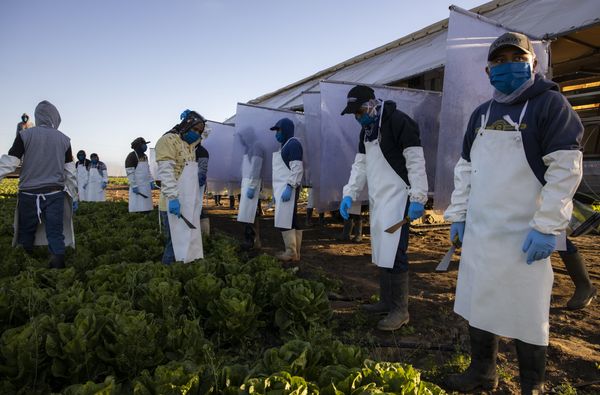
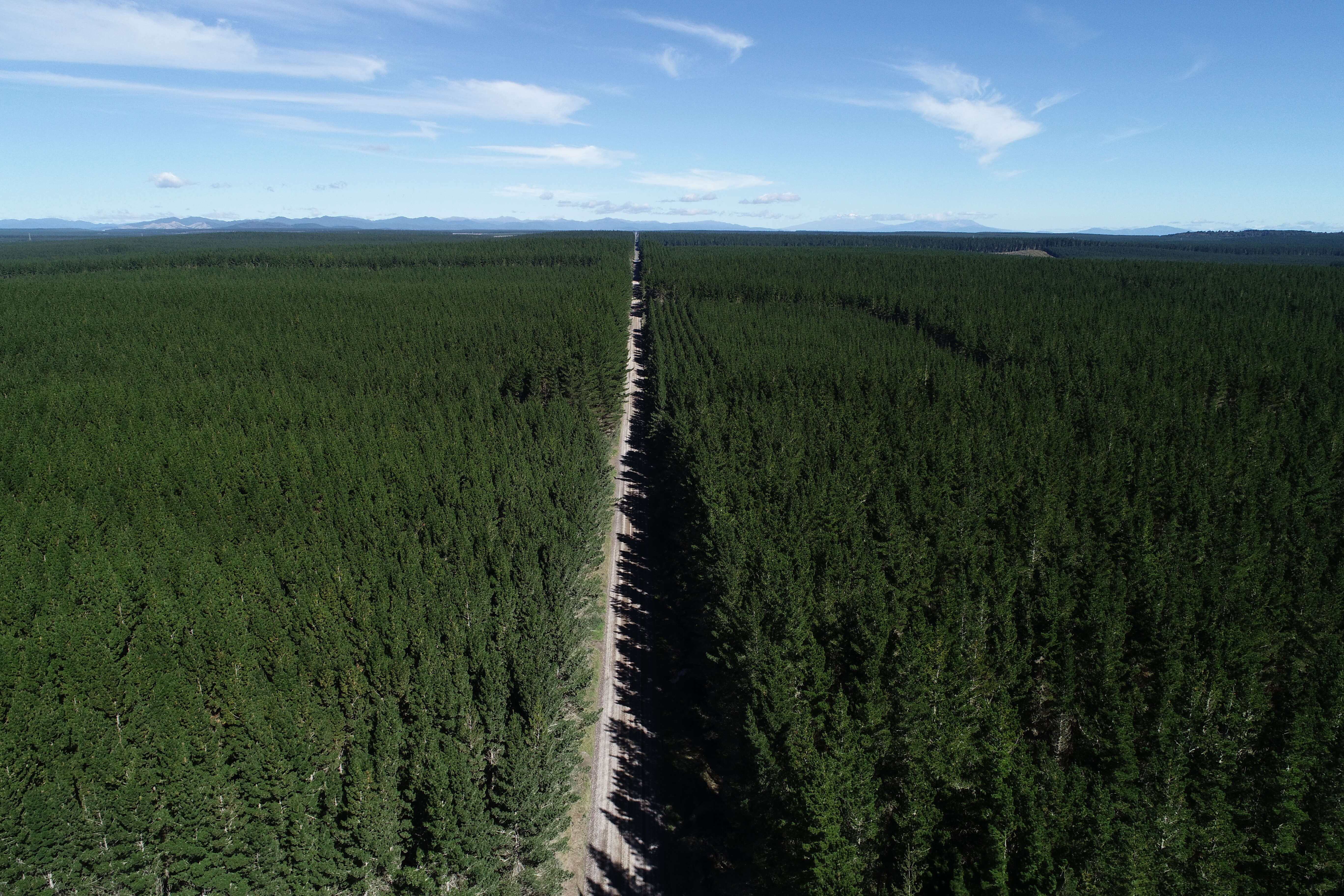
The village of Kaingaroa is known to have been created by forestry. The village is near Kaingaroa Forest, one of the largest plantation forests in the Southern Hemisphere, covering hundreds of thousands of hectares in the central North Island of New Zealand. Nevertheless, changes in the forestry industry over the past few decades have caused significant economic shocks to communities that rely heavily on it. In particular, state forestry restructuring and privatisation have affected employment in Kaingaroa and nearby Murupara.
The project is being framed as a regional development initiative rather than just an industrial one. NZ Bio Forestry has entered into a heads of agreement with Ngāti Manawa iwi to develop the project, with the joint venture focused on employment, training and economic opportunities. Ngāti Manawa says the decline in forestry jobs has affected generations of local families, and future investment could help them remain in their communities.
Transforming trees into something more than timber
This proposed project is based on an existing concept that works in some parts of Scandinavia. In these parts, forest products, manufacturing, power generation, and chemistry have been working together for decades. Instead of shipping logs without doing any further processing to them, the idea is to develop a system where the timber can be transformed into engineered wood products, with the remainder being put to different uses.
These might include chemicals, industrial products, and renewable fuels, such as sustainable aviation fuel. The New Zealand government has previously seen potential for generating renewable energy from forestry biomass. According to the Ministry for Primary Industries, wood residues could be utilized for making biocrude oil, liquid biofuels, and solid fuels.
According to the Ministry for the Environment , wood-based biomaterials, biochemicals and bioenergy have the potential to decrease reliance on fossil-based products along with increasing the value of forest-based products.
Why there has been an interest in sustainable aviation fuel
The aviation industry faces growing pressure to cut emissions because alternatives such as electric aircraft are limited on long-haul routes. One potential solution to the problem that has emerged is sustainable aviation fuel, which is made using renewable energy, such as selected biomasses, and can operate on existing aircraft engines, blending well with conventional jet fuel.
In New Zealand, the Ministry of Business , Innovation and Employment explains that biofuel can be extracted from biomass such as forestry residues and is useful in reducing emissions in hard-to-electrify sectors. The process is, however, not easy since it involves large investments, constant supply of materials and technology capable of making wood residues useful as fuel.
An experiment in creating an alternative economy in the forestry industry
Its supporters claim that Kaingaroa would show how forestry areas can switch from the export of raw materials to the development of high-tech manufacturing. At present, the village has about 400 residents, which is much less than its maximum number several decades ago. A successful manufacturing centre would create jobs in manufacturing, engineering, forestry technology, and renewable energy.
The initiative also aligns with New Zealand’s broader policy direction for developing its forestry industry. Government policy papers have called for a shift toward higher-value wood products.
Funding is still the greatest barrier
Although the vision is ambitious, attracting funding will be difficult. Biorefineries and advanced manufacturing plants are expensive projects that require substantial upfront investment before they become profitable. Many industry associations support the idea because it could strengthen the regional forestry economy by combining timber resources, labour and transport links.
For Kaingaroa, the development could mean not only a new plant but also a chance to rebuild a village that once depended on forestry and later lost its identity as the industry changed.
If successful, Kaingaroa could become an example of how traditional resource-based economies can be reshaped with modern technology and renewable energy.