

Steam controls over 75% of the PC games market, and it’s the go-to choice for almost every gamer who wants to buy a game on PC. The platform has great sales year-round, the refund policy has saved me more times than I can count, and it’s the one launcher that “just works.” Reviews and the Steam community are also a big part of the whole picture, and a recent report from Gamesight (h/t GamesIndustry.biz) highlights how reviews translate to sales.
According to the data, if a game moves from the “Mixed” to “Very Positive” review label, the chances of a sale triple. Gamesight offers the following insight based on their analysis:
“Both from this analysis and our experience working with game developers, we consistently see things like game patches, bug fixes, and adding player-requested features tend to be at the center of these sentiment improvements.”
Interestingly, free-to-play games see no measurable impact from review scores, even in terms of meaningfully improved player engagement.
Community Trust Is King
As a case study, Gamesight tracked the progress of a single game during a 21-month campaign. They found that when review scores were higher, sales boosted as a result. At a point when the game reached the “Overwhelmingly Positive” label, the conversion rates were at their highest. You can also see this trend in the other direction, as conversion rates were low when there was a “Mixed” rating, almost as low as “Mostly Negative.”
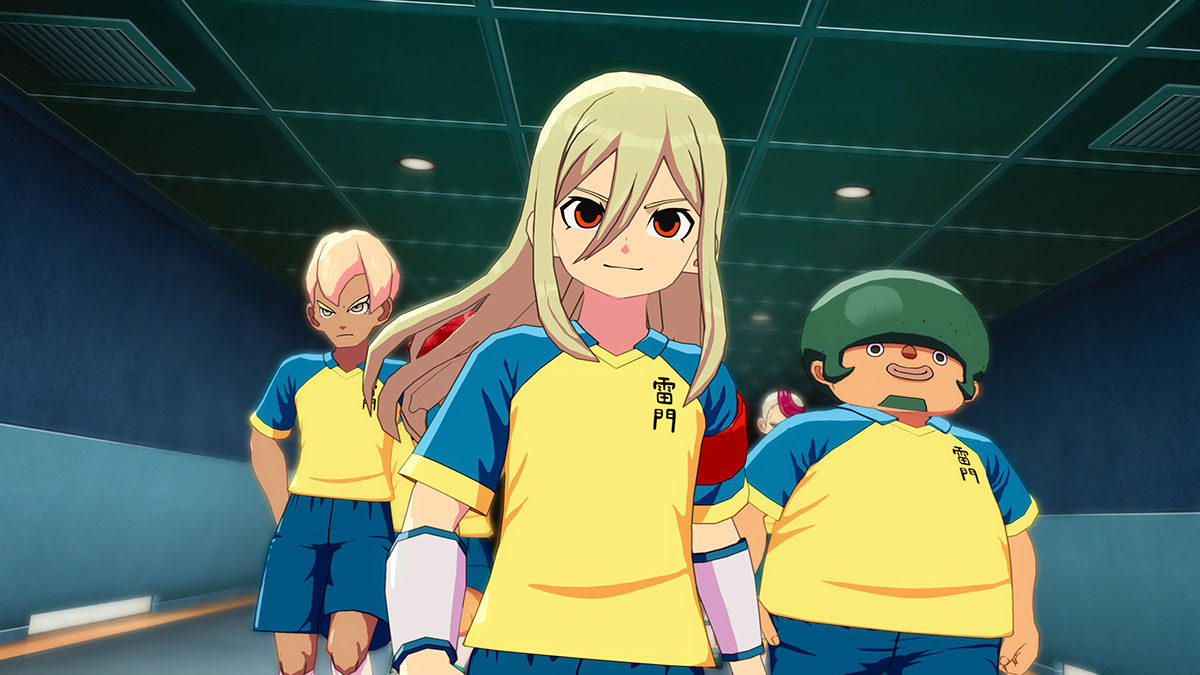
Of course, positive reviews are important for major titles, but they’re even more important for projects with smaller scopes. For example, Inazuma Eleven: Victory Road is by no means as big as something like FC 26. However, when reviews were “Overwhelmingly Positive,” the game’s popularity skyrocketed.
Unfortunately, this also means that review bombing is more effective than you might think. When a game suddenly shifts from positive to negative reviews on Steam, it sometimes can be the result of something as minor as a server problem that lasts a day. Some long-time players also tend to leave negative reviews after unpopular balance updates or minor changes. These reviews don’t always reflect the overall quality of the game itself.