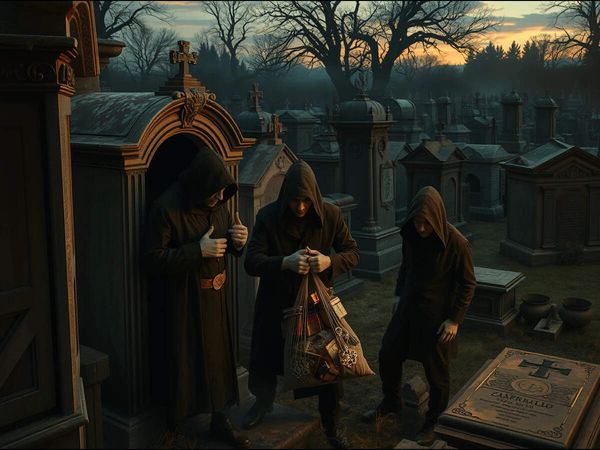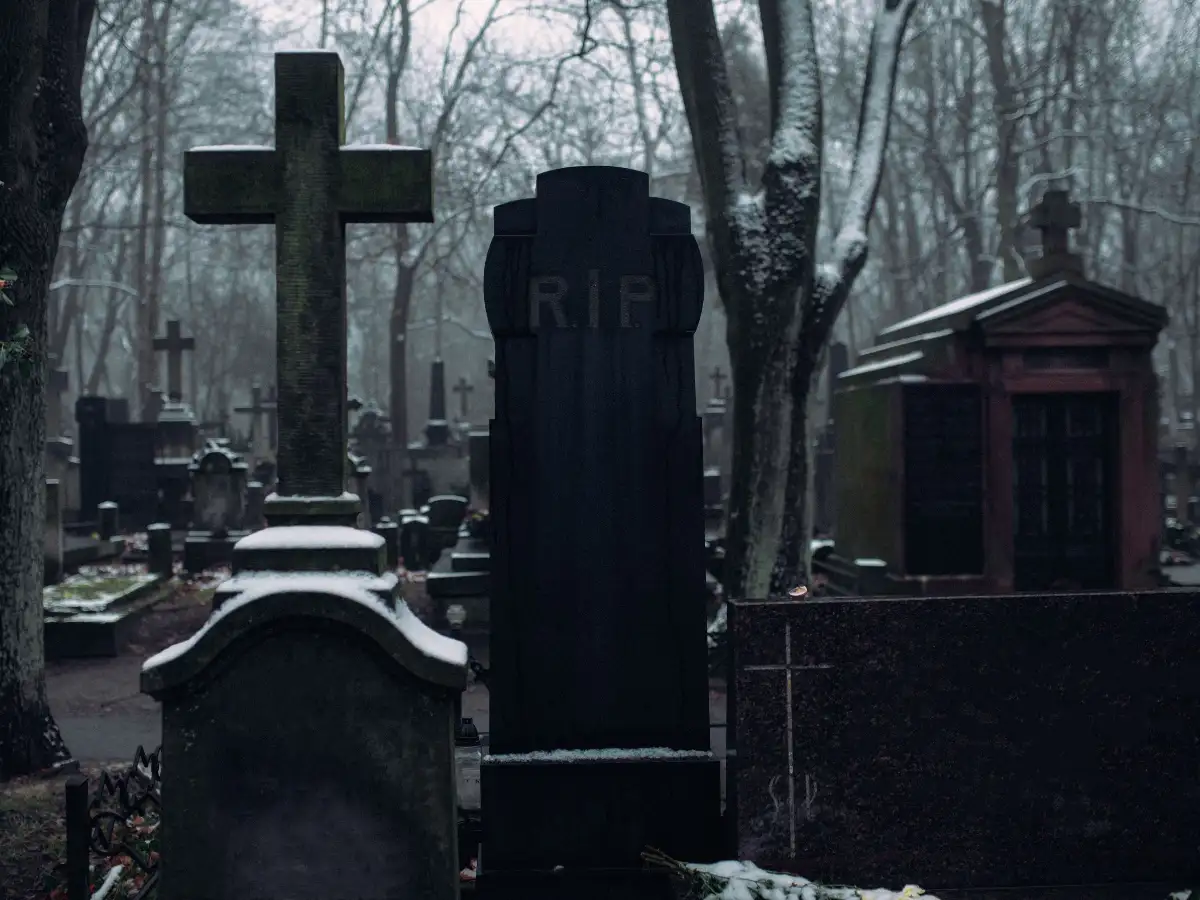
Late April in Cambridge, Massachusetts: a small group of people on the edge of a pond in a historic cemetery, standing near a willow tree, eyes closed, listening. They are not here to mourn. They’re here to do science, and what they listen for could help determine the fate of an entire class of animals.
According to a report by writer Cara Giaimo for bioGraphic's Field Notes series, the group was gathered at Mount Auburn Cemetery as part of FrogWatch USA, a national citizen science program managed by the Akron Zoo. Leading the local group that night was Jenni Austiff, a herpetologist at Boston University. They were to listen for frogs, record what they heard, and submit that data to a national database used by researchers tracking amphibian populations across the country.
No biology degree needed: just ears, a notebook, and a willingness to stand in the dark.
Why a cemetery? And why frogs?
Mount Auburn Cemetery is no ordinary cemetery. The cemetery, which opened in 1831, is described in its official records as occupying 175 acres in one of the most densely developed areas of North America and containing more than 5,000 trees across hundreds of species.
That makes it part of a global pattern. According to a review titled ‘Biodiversity potential of burial places: A review on the flora and fauna of cemeteries and churchyards’ published in Global Ecology and Conservation, which analyzed 97 studies across five continents, cemeteries and churchyards consistently act as refuges for rare and endangered species in otherwise heavily developed landscapes, with 140 protected taxa documented across the reviewed literature. Their conservation value, the researchers found, is rooted in something simple: they have been left largely undisturbed for a very long time. It attracts birders, naturalists, and community scientists year-round. And there is something to defend in the stillness of its ponds. It attracts birders, naturalists, and community scientists year-round. And there is something to defend in the stillness of its ponds.