A month in space: from a perigee moon to a black hole at work – in pictures
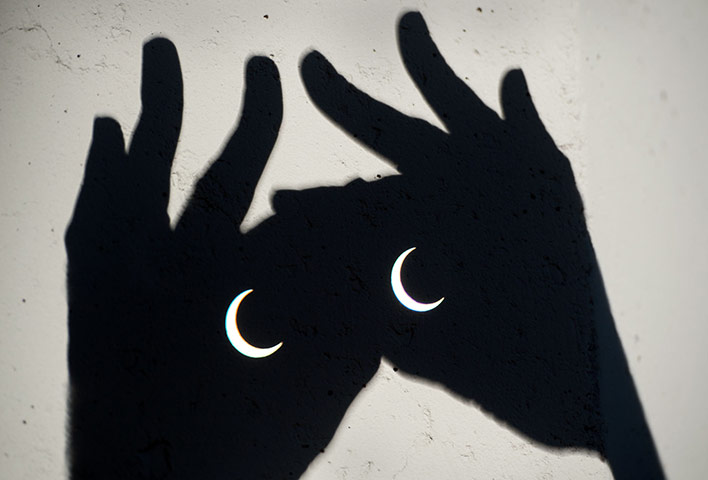
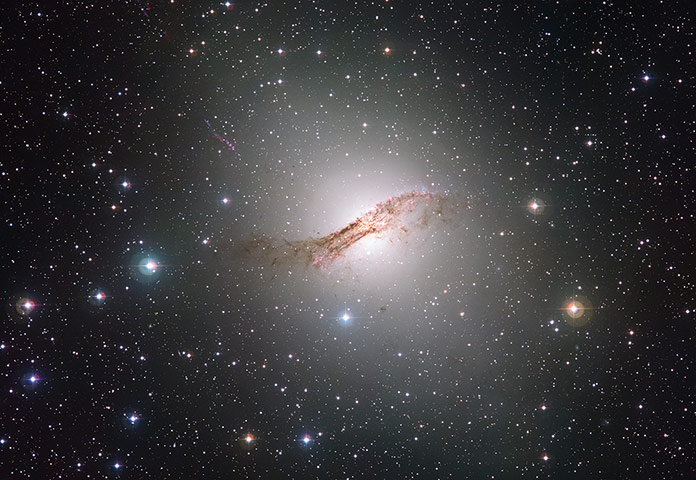
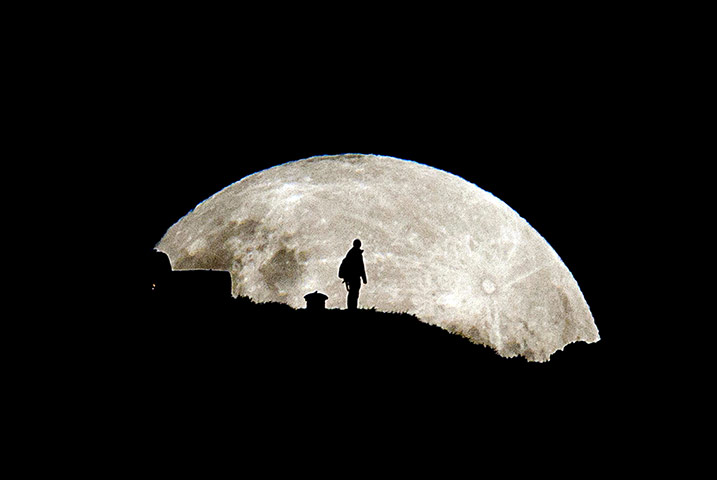
The annular eclipse is seen through binoculars which cast two images of the rarely seen ring of fire, Sacramento, California, 20 May 2012Photograph: KeystoneUSA-ZUMA/Rex FeaturesThe peculiar galaxy Centaurus A (NGC 5128) is pictured in this image taken by the Wide Field Imager attached to the MPG/ESO 2.2-metre telescope at the La Silla Observatory in Chile. With a total exposure time of more than 50 hours this is probably the deepest view of this peculiar and spectacular object ever created Photograph: ESOA 'super moon' lights up the night sky in a once-a-year cosmic show, seen from Mount Eden in Auckland, New Zealand, 6 May 2012. The moon seems especially big and bright when it reaches its closest spot to Earth at the same time as it is in its full phase, Nasa said. The scientific term for the phenomenon is 'perigee moon'. The moon follows an elliptical path around Earth with one side, or perigee, about 50,000km closer than the other, or apogeePhotograph: Simon Runting/Rex Features
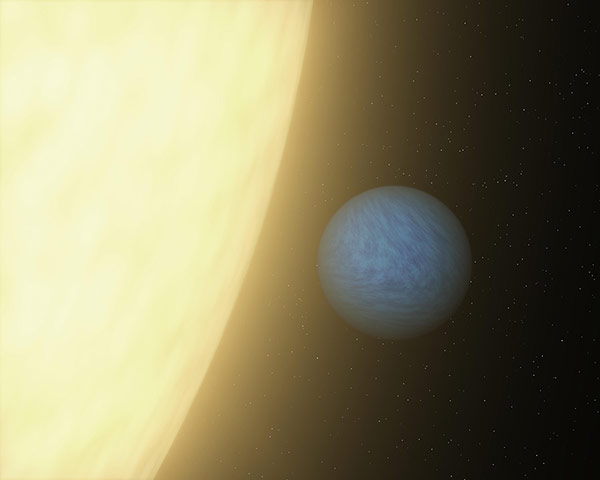
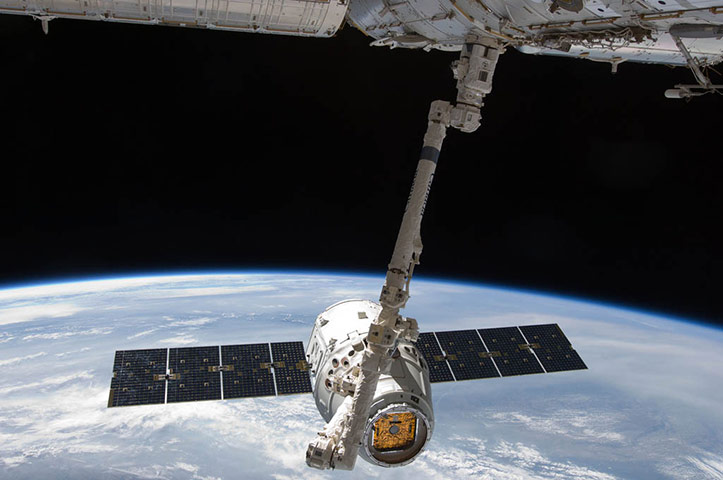
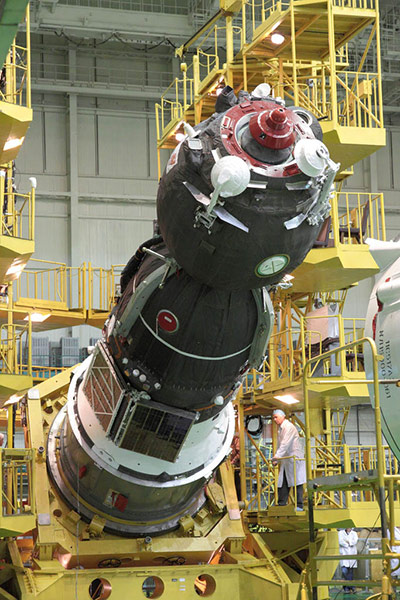
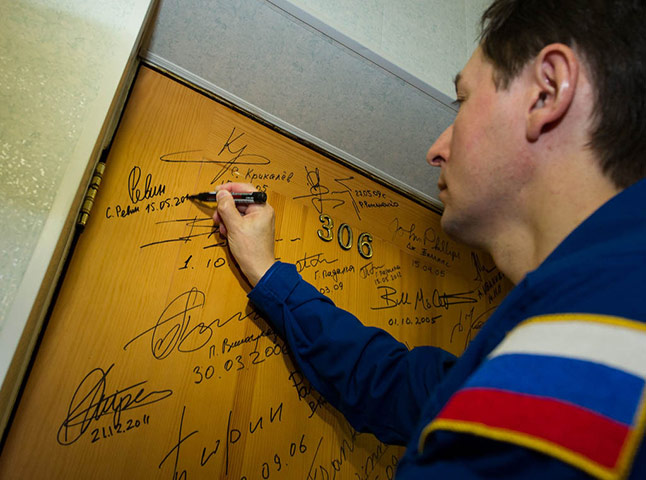
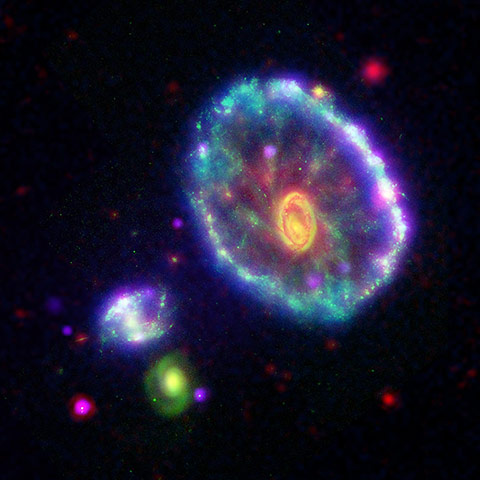
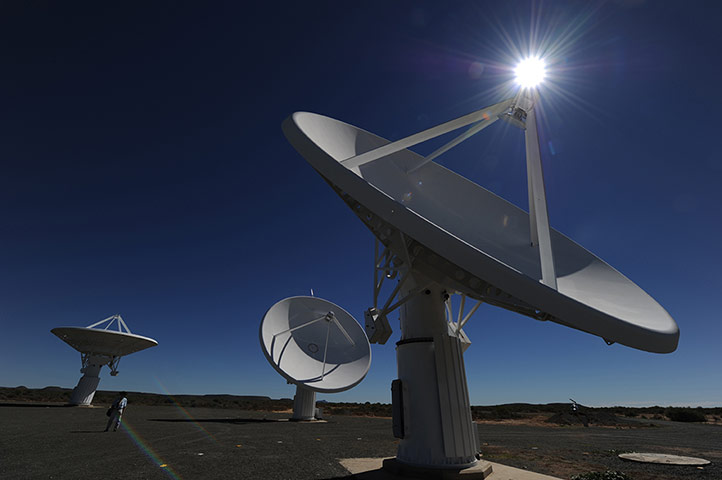
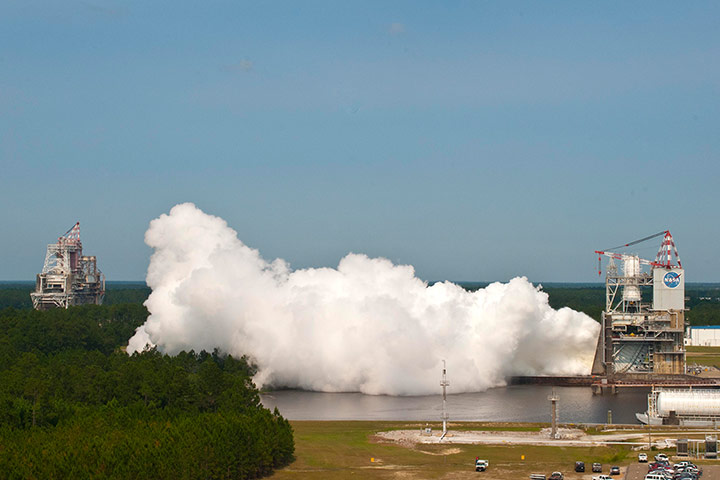
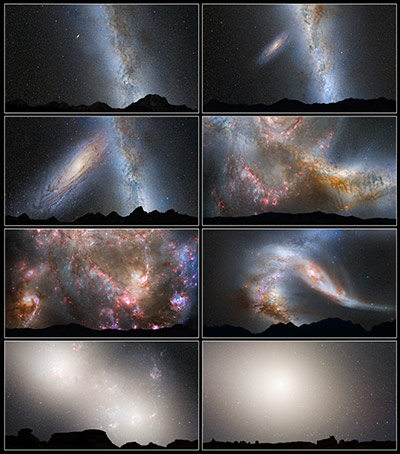
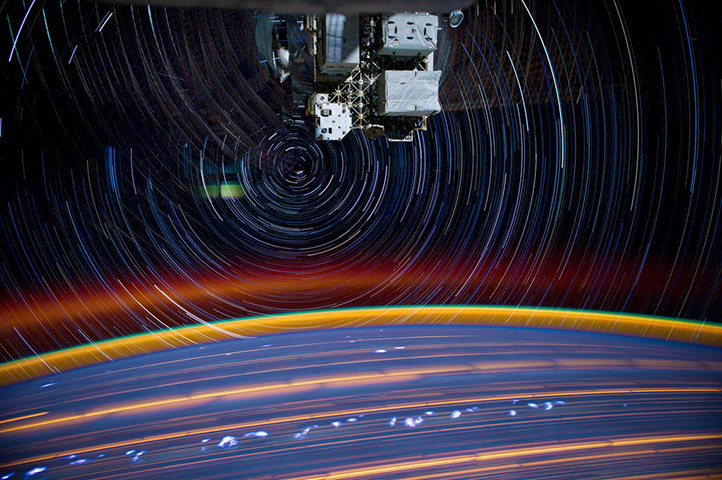
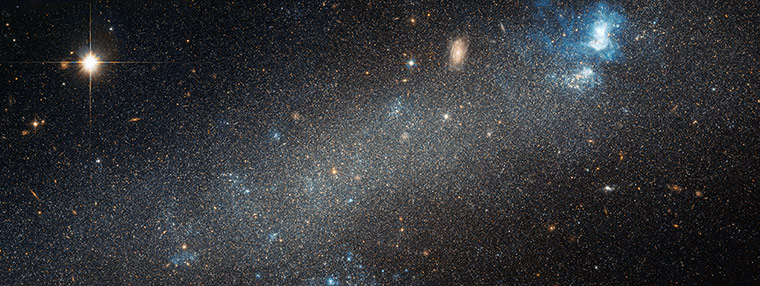
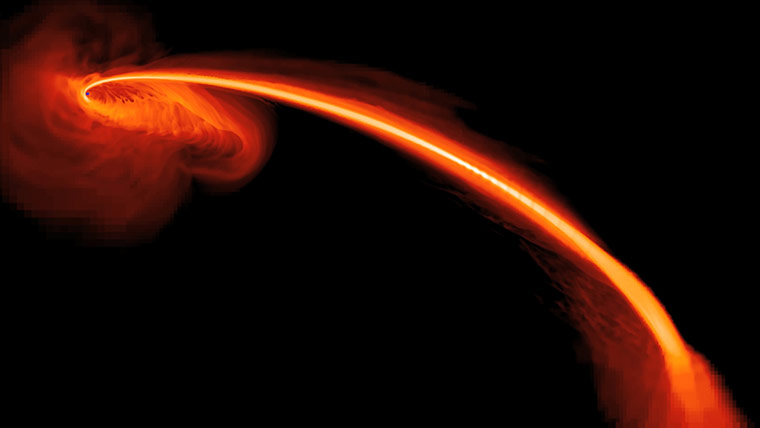
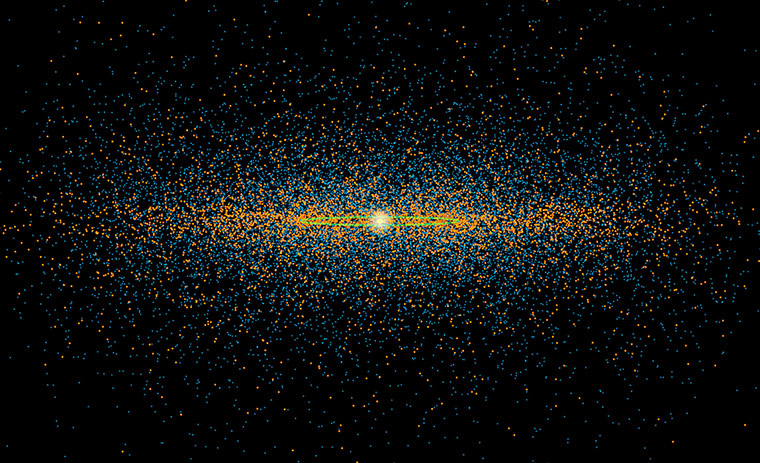
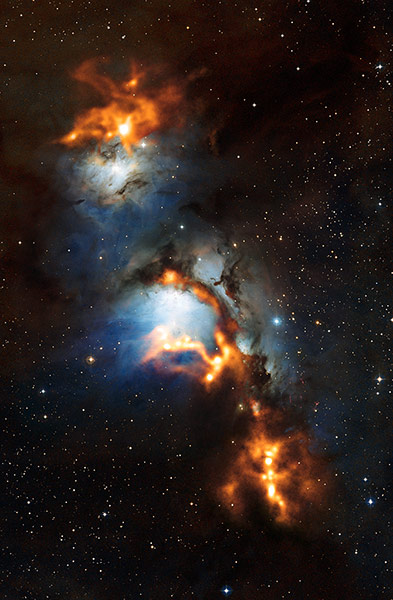
Nasa's Spitzer Space Telescope was able to detect a super earth's direct light for the first time using its sensitive heat-seeking infrared vision. Super earths are more massive than Earth but lighter than gas giants such as Neptune. As this artist's impression shows, in visible light, a planet is lost in the glare of its star. When viewed in infrared, the planet becomes brighter relative to its star. This is largely due to the fact that the planet's scorching heat blazes with infrared light. Even our own bodies emanate more infrared light than visible due to our heatPhotograph: JPL-Caltech/NASAThe SpaceX Falcon 9 rocket soars into space from Cape Canaveral in Florida, 22 May 2012, carrying the Dragon capsule to the International Space Station. The capsule's cargo includes food, water and provisions for the station's expedition crewsPhotograph: NASAThe SpaceX Dragon berths alongside the International Space StationPhotograph: ISS/NASAAt the Baikonur Cosmodrome in Kazakhstan, the Soyuz TMA-04M spacecraft is rotated to a horizontal position on 8 May 2012 ahead of the launching of three new crew members – Gennady Padalka, Joe Acaba and Sergei Revin – to the International Space Station for a four-month missionPhotograph: Victor Zelentsov/NASAExpedition 31 flight engineer Sergei Revin performs the tradition of signing one of the doors at the Cosmonaut Hotel in Baikonur, Kazakhstan, before taking off in the Soyuz spacecraft, 15 May 2012Photograph: Bill Ingalls/NASAThis image of the Cartwheel galaxy shows a rainbow of multi-wavelength observations from Nasa missions, including the Galaxy Evolution Explorer (blue), the Hubble Space Telescope (green), the Spitzer Space Telescope (red) and the Chandra X-ray Observatory (purple) Photograph: JPL/NasaThe Karoo Array Telescope site in the northern Cape, the location for the world's most powerful radio telescope – a joint venture between South Africa and AustraliaPhotograph: Alexander Joe/AFPThe next-generation J-2X rocket engine is tested at the John C Stennis Space Center in Mississippi. On 25 May Nasa recorded another first during a 40-second test of the engine. For the first time, test conductors fired the J-2X in both the secondary and primary modes of operation, 20 seconds in each. Previous tests were run in one mode only; combining the two allowed operators to collect critical data on engine performancePhotograph: SSC/NASANasa's Hubble telescope shows that the Milky Way is destined for a head-on collision with the Andromeda Galaxy. Thankfully it will only happen in billions of years' timePhotograph: Hubble telescope/NASA/ESAFour aluminum domes, each created using innovative friction stir welding processes, are seen in this overhead view of the Marshall Space Flight Center advanced welding and manufacturing facility in Huntsville, Alaska. In this cutting-edge facility, a team of Nasa and contractor engineers and technicians develop complex manufacturing processes aimed at achieving high-strength, defect free, uniformly bonded aluminium structures – a vital requirement for next-generation launch vehicles and hardware designed for long-term space travel Photograph: David Higginbotham/MSFC/NasaA composite of a series of images photographed from a mounted camera on the International Space Station, from approximately 380km above Earth by flight engineer Don Pettit using 'stacked' multiple 30-second exposuresPhotograph: ISS/NASAThe Nasa/ESA Hubble Space Telescope has made detailed observations of the dwarf galaxy NGC 2366. While it lacks the elegant spiral arms of many larger galaxies, NGC 2366 is home to a bright, star-forming nebula and is close enough for astronomers to discern its individual starsPhotograph: Space telescope/NASA/ESAAstronomers have gathered the most direct evidence yet of a supermassive black hole shredding a star that wandered too close. Nasa's Galaxy Evolution Explorer, a space-based observatory, and the Pan-STARRS1 telescope on the summit of Haleakala in Hawaii were the first to the scene, helping to identify the stellar remainsPhotograph: Hubble Telescope/S. Gezari (JHU), and J. Guillochon (UC Santa Cruz)/NASAThis landscape showing the impact crater Tycho is among the most violent-looking places on the Moon. Astronomers weren't using Hubble to study Tycho, however; the image was taken in preparation to observe the transit of Venus across the sun on 5-6 JunePhotograph: NASA/ESANew results from Nasa's Neowise survey find that more potentially hazardous asteroids (PHAs) are aligned with the plane of our solar system than previous models suggested. PHAs are the subset of near-Earth asteroids, coming within 8m km. Photograph: JPL-Caltech/NASAThis image of the region surrounding the reflection nebula Messier 78, just to the north of Orion’s belt, shows clouds of cosmic dust threaded through the nebula. The submillimetre-wavelength observations, made with the Atacama Pathfinder Experiment telescope and shown here in orange, use the heat glow of interstellar dust grains to show astronomers where new stars are being formed. They are overlaid on a view of the region in visible light.Photograph: ESONasa's Jupiter-bound Juno spacecraft tested its JunoCam instrument on one of the icons of the night sky - the Big Dipper.Photograph: JPL-Caltech/NASA
Sign up to read this article
Read news from 100’s of titles, curated specifically for you.