A month in space: A Martian dust devil, Milky Way bubbles and a star trek navigational aid – in pictures
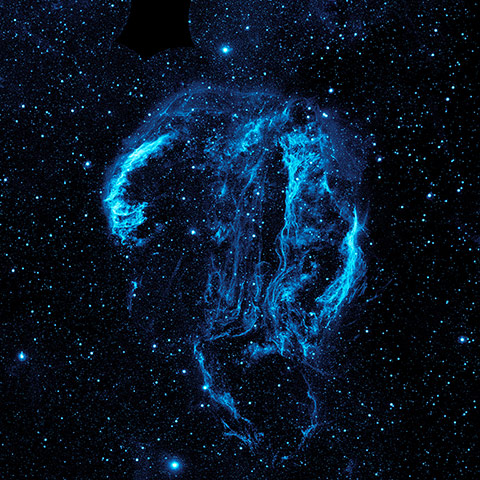
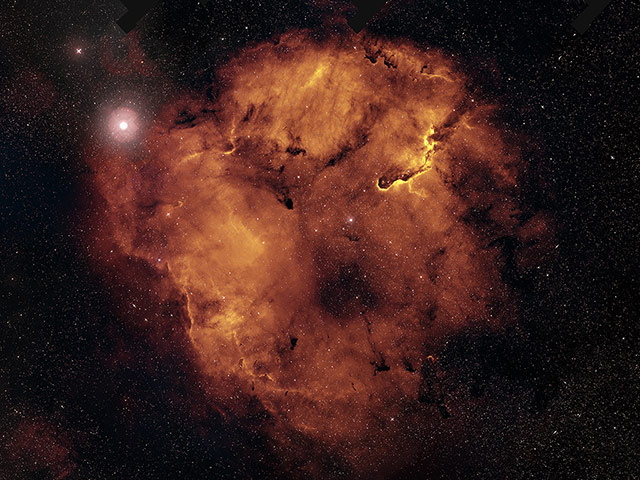
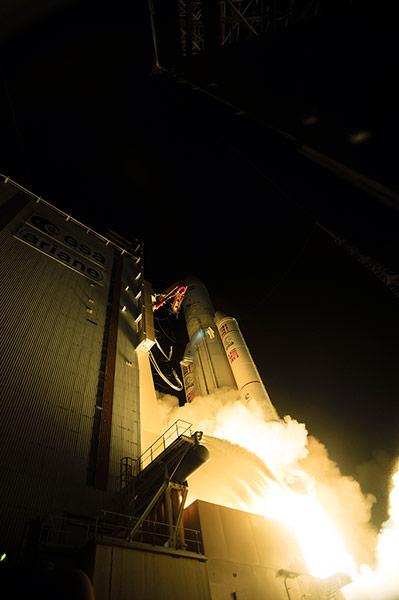
Ultraviolet jellyfish: Wispy tendrils of hot dust and gas glow brightly in this UV image of the Cygnus Loop nebula, taken by Nasa's Galaxy Evolution Explorer. The nebula lies about 1,500 light-years away, and is a remnant from a supernova that occurred between 5,000 and 8,000 years agoPhotograph: Galex/NASAIC1396, aka the Elephant's Trunk Nebula, a giant cloud of gas and dust 2,400 light years from Earth. It is illuminated by a massive star in the centre. Radiation and winds from this hot star are thought to compress parts of the cloud and trigger star formation. The image was captured by the Isaac Newton Telescope, which is perched on a volcano in the Canary IslandsPhotograph: Geert Barentsen & Jorick Vink (Armagh Observatory) & the IPHAS Collaboration/INGOn Friday 23 March, an Ariane 5 rocket lifted off from Europe's Spaceport in French Guiana carrying the third automated transfer vehicle to replenish supplies on the International Space StationPhotograph: Stephane Corvaja/ESA
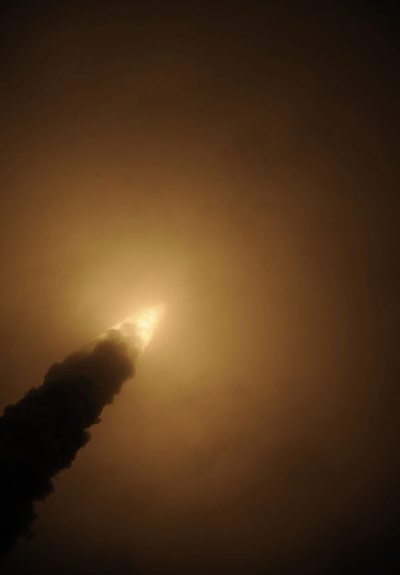
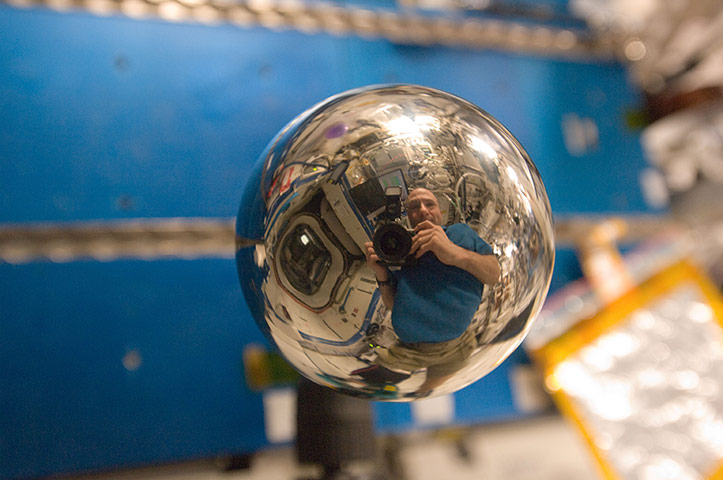
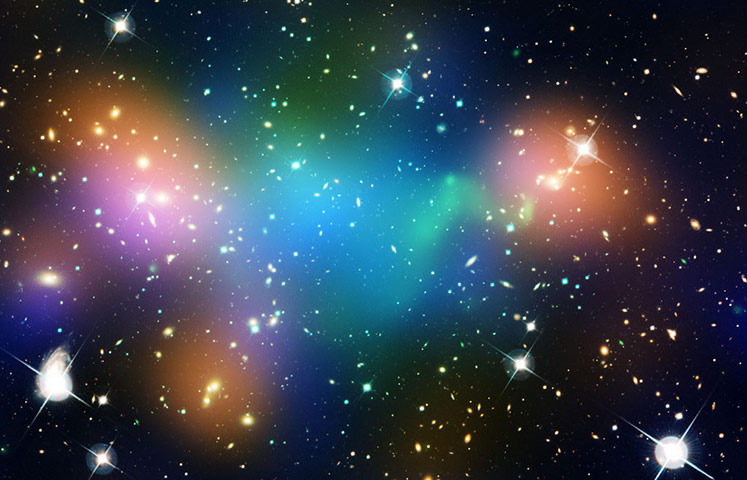
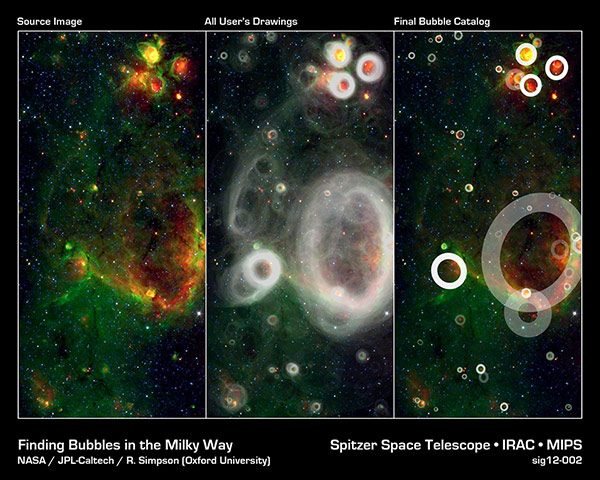
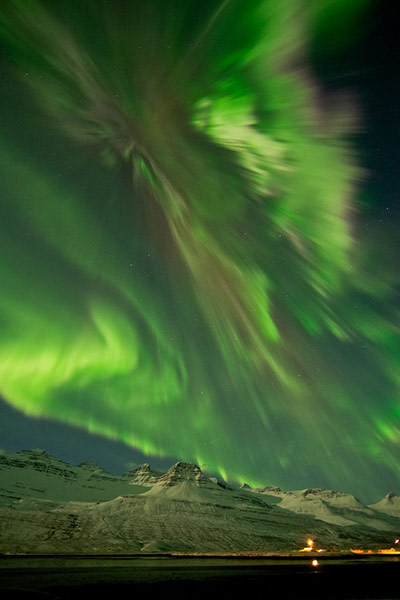
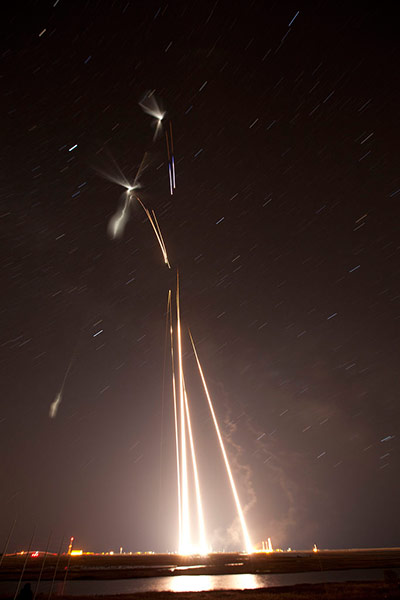
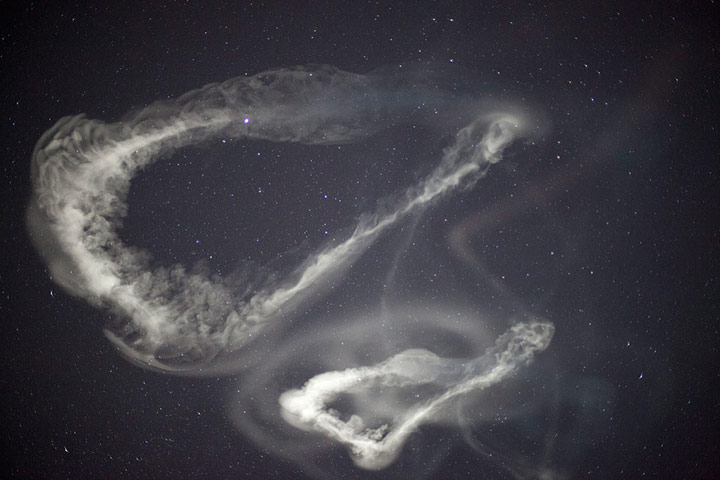
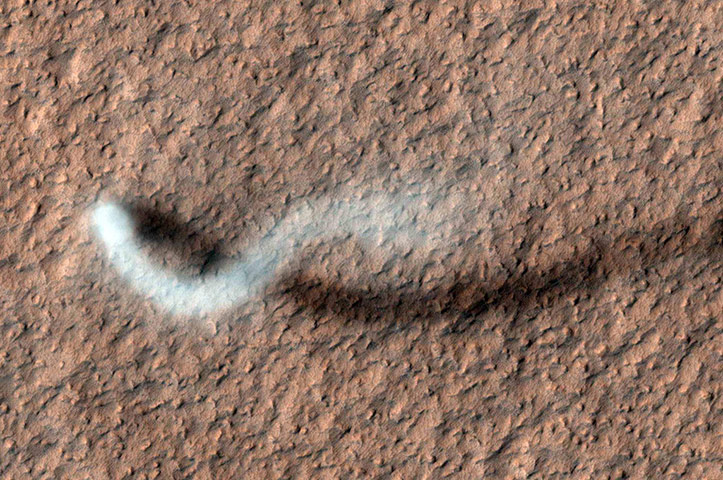
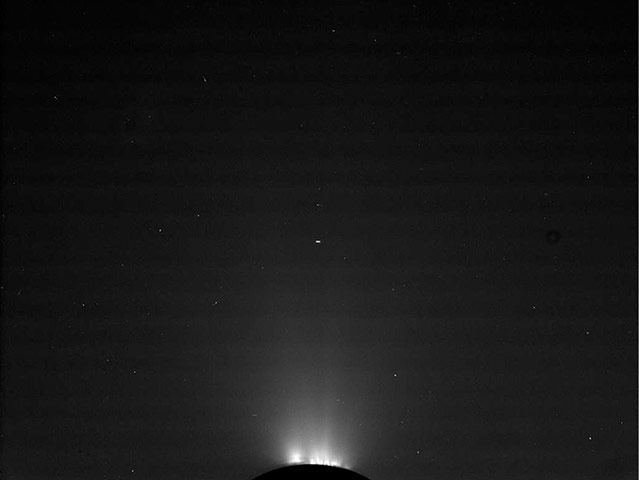
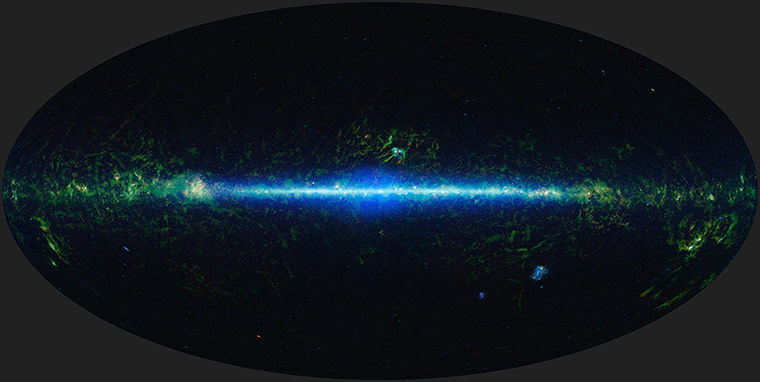
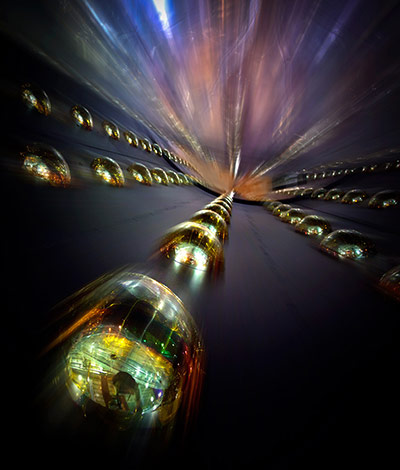
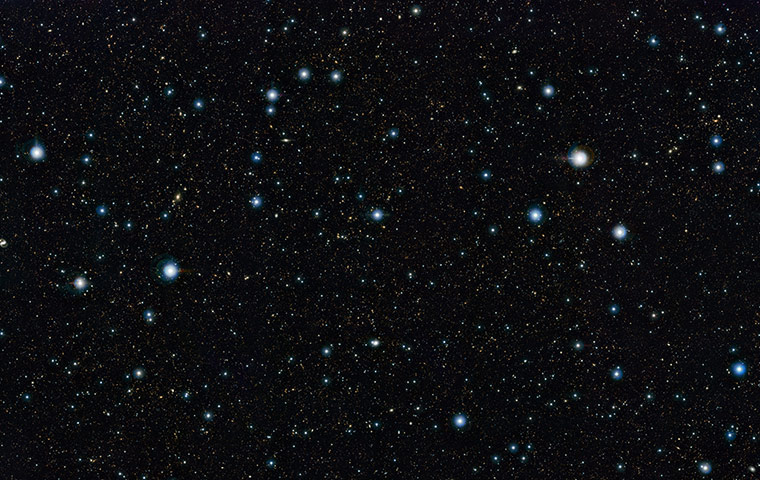
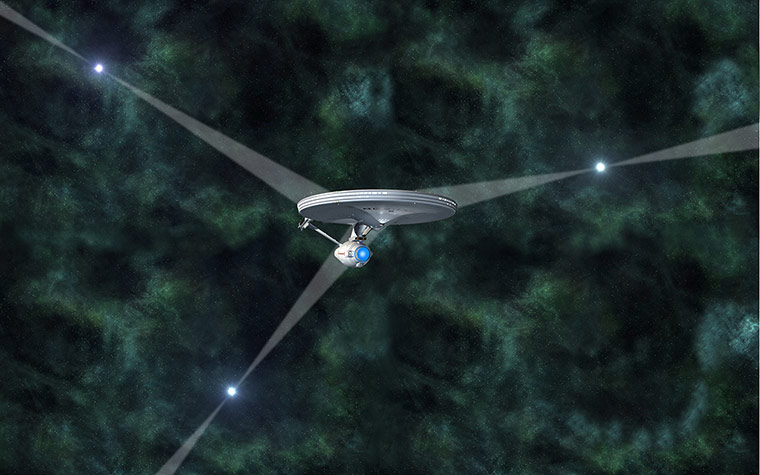
It was the heaviest payload ever lofted by Ariane 5 – more than 20 tonnes, with more than 19.7 tonnes accounted for by the ATVPhotograph: S. Corvaja/ESAA close look at a floating polished metal sphere onboard the International Space Station. The photographer is Nasa astronaut Don Pettit, Expedition 30 flight engineerPhotograph: ISS/NASAThis Hubble image released by Nasa presents astronomers with a puzzle. What appears to be a clump of dark matter has been left behind after a smash-up between a collection of galaxy clusters known as Abell 520 some 2.4bn light years away. The result could challenge current theories about dark matter because these predict that galaxies should remain anchored to the invisible substance even during the shock of a collision Photograph: A. Mahdavi/M.J. Jee/NasaAround 35,000 'citizen scientists' discovered more than 5,000 bubbles in the disc of our Milky Way galaxy, after poring over infrared observations from Nasa's Spitzer Space Telescope. Young, hot stars blow these shells into surrounding gas and dust, highlighting areas of new star formation. Online volunteers in the Milky Way Project have so far turned up 10 times as many bubbles as previous surveysPhotograph: Spitzer Space Telescope/NASAA butterfly-like aurora on 8 March flutters over snow-covered mountains in Faskrudsfjordur, Iceland. On 18 March Britain's Cabinet Office included solar flares with terrorism, floods and pandemics in a list of potential catastrophes that threatened the country Photograph: Jónína Óskarsdóttir/Nasa Nasa launched five rockets in five minutes on 27 March from its Wallops Flight Facility in Virginia as part of a study of the jet stream 65 miles high in the sky. Each rocket released a chemical tracer that created milky white clouds at the edge of spacePhotograph: Wallops/NASATracking the way the clouds move helps scientists improve their models of the electromagnetic regions of space that can damage satellites and disrupt communications systemsPhotograph: Wallops/NASAA towering dust devil casts a serpentine shadow over the Martian surface in this image acquired by Nasa's Mars Reconnaissance Orbiter Photograph: NasaThe Cassini spacecraft took this image of jets of water ice and vapour, mixed with organic compounds, over the south polar region of Saturn's moon EnceladusPhotograph: Space Science Institute/JPL/NASANasa released a mosaic image of the entire sky in infrared showing more than half a billion stars, galaxies and other objects captured by the Wide-field Infrared Survey Explorer (Wise)Photograph: NASAThe Daya Bay Reactor Neutrino Experiment in China released the first results of its quest for a solution to a long-standing puzzle: why is it neutrinos can appear to vanish as they travel? The answer may help to explain the preponderance of ordinary matter over antimatter in the universe todayPhotograph: Roy Kaltschmidt/Lawrence Berkeley National LaboratoryA section of the widest deep view of the sky ever taken using infrared light. It was created by combining more than 6,000 images from the VISTA survey telescope at the Paranal Observatory in Chile. Above is a region of the sky known as the COSMOS field in the constellation of Sextans (The Sextant), where more than 200,000 galaxies have been identifiedPhotograph: ESOA group of scientists at the Max-Planck Institute for Extraterrestrial Physics in Garching, Germany, announced that they had developed a way to navigate during voyages across the universe, using stars known as pulsarsPhotograph: RAS
Sign up to read this article
Read news from 100's of titles, curated specifically for you.