Within minutes of arriving on a San Diego beach, marine ornithologist Tammy Russell came across a grim sight: seabird carcasses scattered along the shoreline, some tangled in kelp, others wedged beneath rocks. It's a scene scientists and volunteers have been documenting with growing alarm during monthly surveys along California's coast, where a prolonged marine heat wave is taking a devastating toll on wildlife.
The decades-old surveys provide baseline data that helps researchers spot changes in marine ecosystems. In recent months, large numbers of California brown pelicans, loons, grebes and other seabirds have died from starvation as record ocean temperatures pushed the cold, nutrient-rich waters that support krill, anchovies and sardines farther offshore.
"We've been seeing cormorants walk to shore and then just die within the hour. One time it happened within 15 minutes, and I've never seen that before," said Russell, a postdoctoral researcher at the University of California, San Diego's Scripps Institution of Oceanography. "It's heartbreaking, and we're seeing it across the whole coast."
Scientists fear conditions could worsen after the National Oceanic and Atmospheric Administration confirmed El Niño formed in June and is expected to strengthen. While seabird die-offs are not uncommon, researchers say marine heat waves are becoming more frequent and severe as oceans warm.
The current heat wave has lingered off the West Coast for more than a year, only the third event of its kind on record, according to NOAA. Scripps reported record ocean temperatures at several California monitoring stations for more than 40 days this year, with underwater gliders also detecting unusually warm water offshore. Researchers say the temperature anomaly already rivals conditions seen during the last major El Niño.
As cold-water species retreat deeper or farther north, food supplies for seabirds, gray whales and other marine animals are shrinking. Russell said the arrival of five species of booby birds—normally found in warmer waters—shows how dramatically ocean conditions are changing.
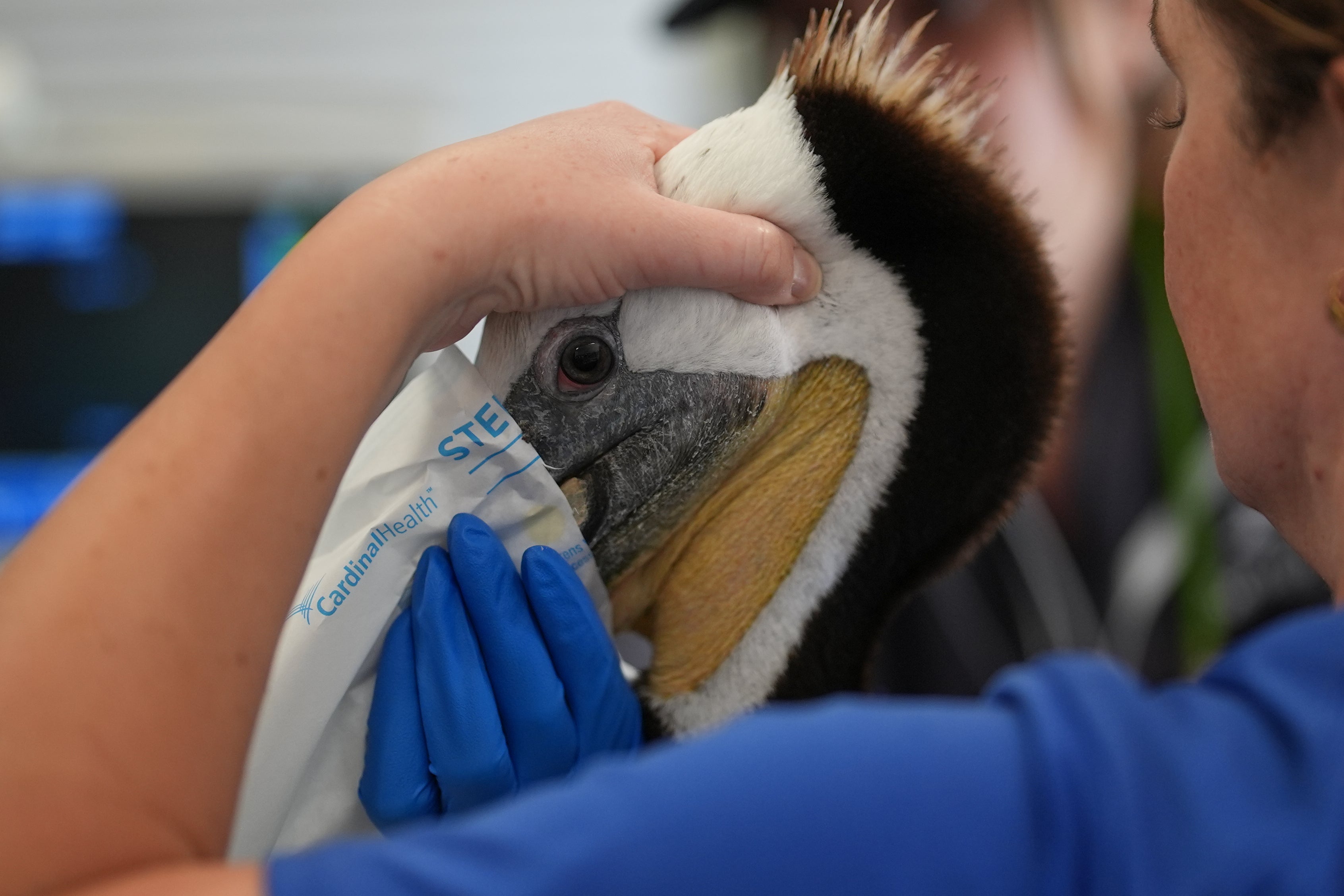
Wildlife rehabilitation centers treated hundreds of starving birds this spring.
"It's not abnormal to see dead birds on the beach, but the quantity of dead birds is unusual," said J.D. Bergeron, CEO of International Bird Rescue. Starving pelicans are increasingly turning up at inland lakes, fishing piers and boats in desperate search of food, often suffering injuries from hooks and fishing line.
The California Department of Fish and Wildlife says many of the birds examined were severely emaciated, with most testing negative for avian flu. Some showed infections linked to malnutrition. Officials say the marine heat wave is likely a major factor, although natural mortality among young birds following a strong 2025 breeding season may also be contributing.
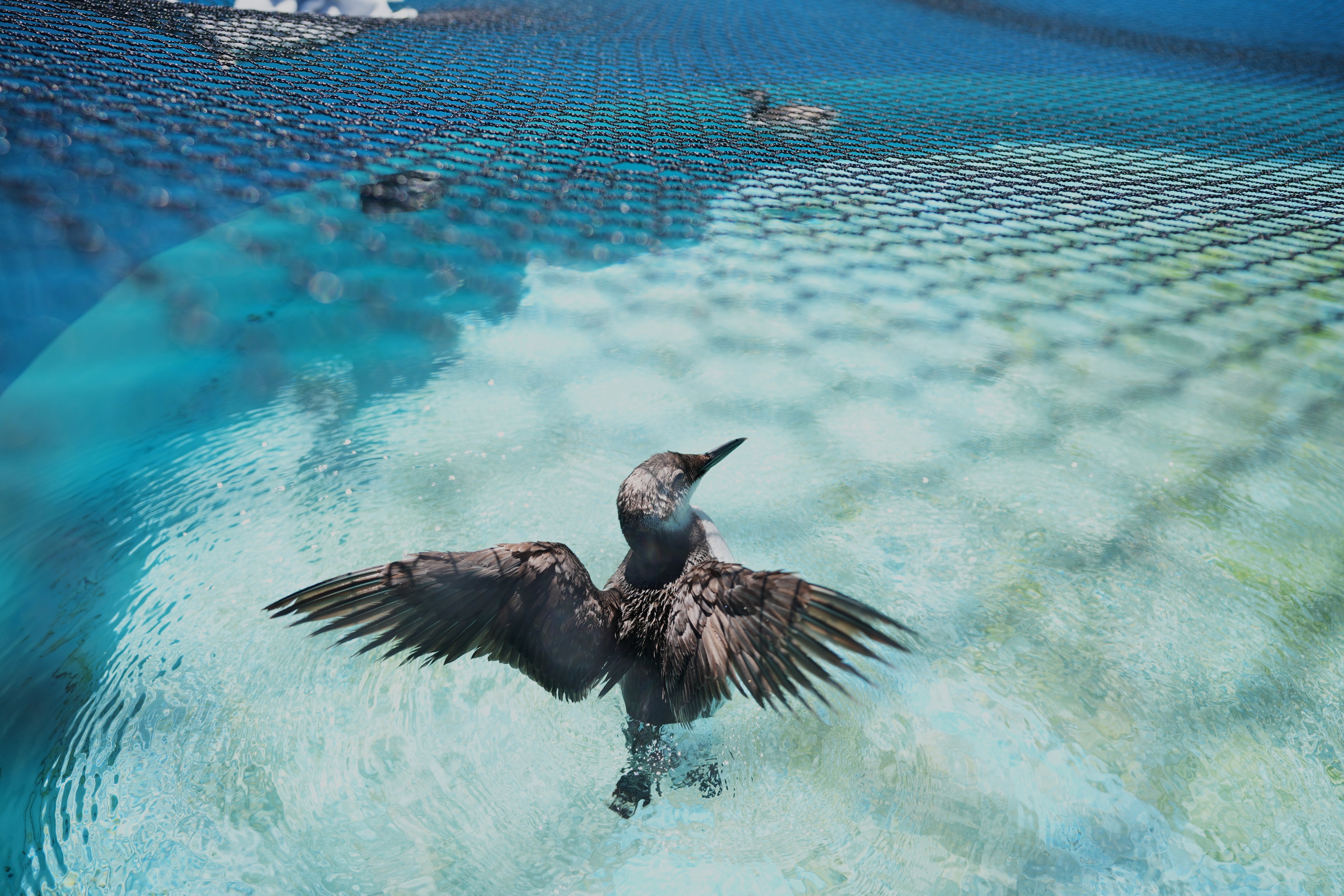
Researchers caution that beach surveys capture only a fraction of birds that die at sea.
They point to the infamous 2013 marine heat wave known as "the Blob," which combined with a powerful El Niño and triggered what scientists believe was the largest seabird die-off ever recorded. More than half of Alaska's common murre population—around 4 million birds—died during the event, according to a 2024 study published in Science, and the species has yet to fully recover.
Now, scientists worry history could be repeating itself. "We don't know how bad this is going to get," Russell said.