For many tourists, Norway is a dream destination to enjoy glimpses of the midnight Sun in summer or the Northern Lights in winter. In this Scandinavian country which is the inventor of modern salmon farming and the world's top producer of commercial salmon, food enthusiasts can please their palates with a variety of fresh seafood and other arctic delicacies. One of the best places to taste the most delicious fresh and smoked Norwegian salmon is Tromso, a salmon farming destination is Skjervoy.
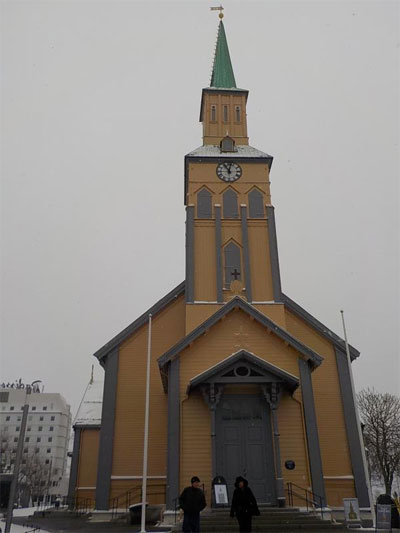
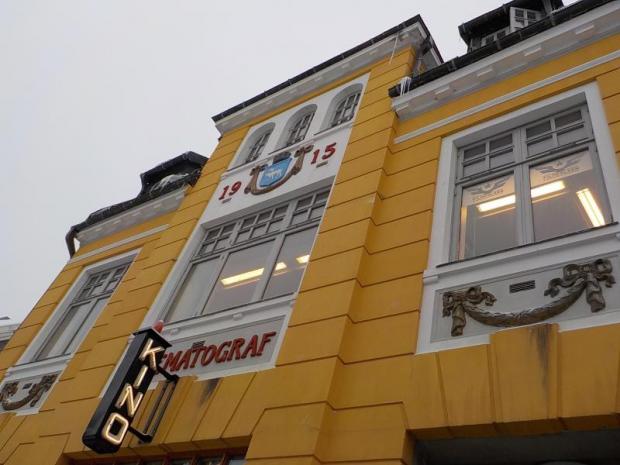
Nestled on a stretch of the 20,000km Norwegian coastline, over 1,100km northwest of Oslo, Tromso is a region that offers a variety of attractions and activities for tourists throughout the year. Visitors can stroll the small town centre and visit various museums, churches and old buildings, including Norway's oldest cinema, which is still in operation.
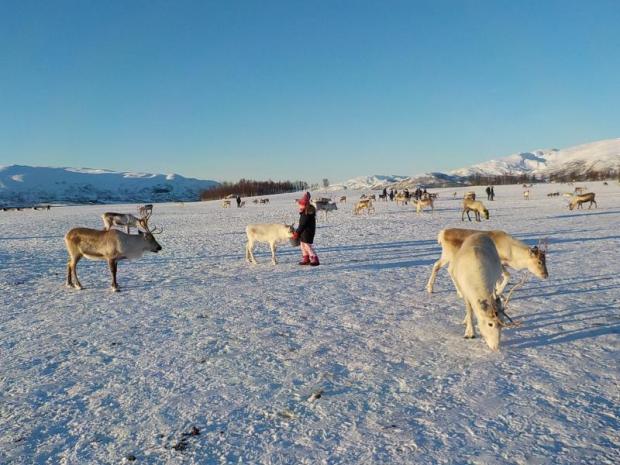
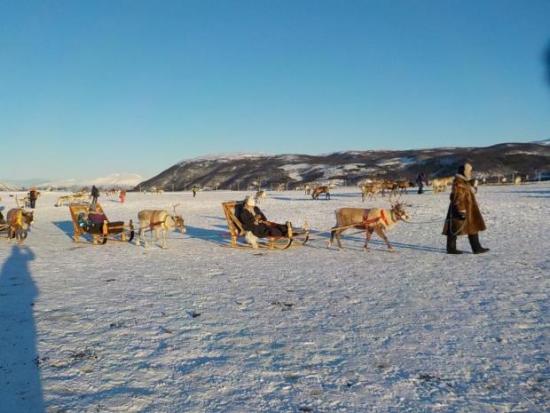
From September to March, the Northern Lights await you. From May 20 to July 20, the midnight Sun shines, allowing tourists to engage in activities around the clock. From the middle of October until late January, whale sightseeing is popular along the fjords around Tromso. Also in winter, tourists can experience reindeer herding and sledding by the indigenous Sami people at the Sami Arctic Reindeer, or Sami Camp, in Kvaløya, only a 20-minute drive from downtown Tromso. Adventure seekers may want more challenges like active dog sledding or fishing trips.
One of the most popular tourist attractions in Tromso is the cable car, or Fjellheisen. It takes visitors 421m above sea level to cherish the panoramic views of Tromso and the surrounding mountains and fjords, and runs from the Solliveien area in Tromsdalen up to Mount Storsteinen in only four minutes. It was built in 1961 by the Brødrene Jakobsens Rederi Co, a shipping company that was active in Arctic hunting, fishing and expeditions to the Arctic and Antarctic.
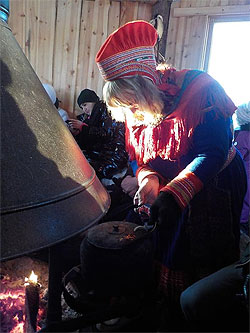
At Sami Arctic Reindeer, or Sami Camp, near Tromso, visitors can have the memorable experience of reindeer sledding on the snow and feed the Sami people's herds of reindeer. The Sami people are an indigenous people of northern Europe inhabiting Sápmi, which today spans from parts of northern Sweden, Norway and Finland to the Kola Peninsula of Russia. The Sami people live in four countries: Norway, Sweden, Finland and Russia. The total population in these four countries is estimated at 80,000, around half of whom live in Norway. The Sami speak nine different Sami languages. Traditionally, most Sami people support themselves through hunting, fishing and livestock farming alongside rivers, along the coast and on the fjords. About 2,600 Sami people in Norway make their living from herding reindeer. Visitors to Sami Camp may take a break from reindeer feeding by sitting by a fire in the lavvu (a traditional Sami tent), sipping hot coffee or cocoa or savouring traditional Sami soup, which is freshly cooked over the fire. Following 20 minutes of reindeer sledding, visitors gather around the fire and listen to stories about Sami culture and way of life and reindeer herding, look at the Sami costumes and handicrafts and enjoy traditional Sami songs called joik. A visit to Sami Camp costs 1,845 krone (6,765 baht) for adults, 1,100 NOK for children aged seven-12 and free for small children. Visit samiway.no. Pichaya Svasti
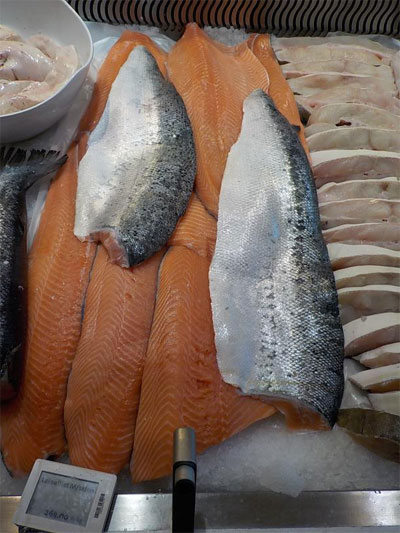
Those interested in aquaculture can visit fish farms in many parts of Norway where salmon are raised sustainably in the cold clear waters of the Norwegian Sea. The salmon has a streamlined body shape, the dark blue upper-side, the shiny skin with black dots and the fat (adipose) fin located in front of the tail fin.
The salmon is the most important species in Norwegian aquaculture. Norway is the world's largest producer of Atlantic salmon, which accounts for around 70% of Norwegian seafood exports. It sells salmon to over 100 countries. Each day, 14 million meals of Norwegian salmon are served around the globe. According to the Norwegian Seafood Council, over 90% of fresh salmon in Thailand is imported from Norway. More importantly, Thailand is the biggest importer of Norwegian salmon in Southeast Asia.
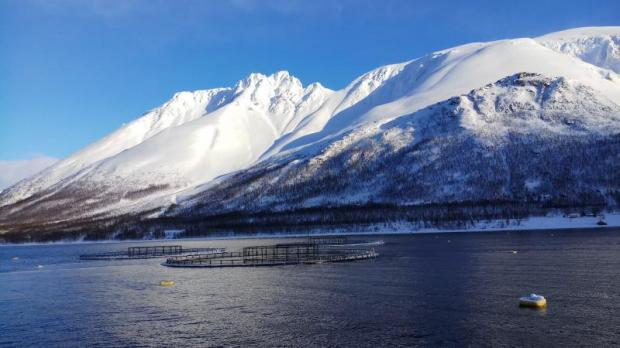
Atlantic salmon are farmed along almost the entire coastline from East Finnmark to Western Norway. Salmon farming facilities are located in fjords and other areas with good water replacement. For salmon farming, the roe is fertilised in freshwater and incubated in a constant temperature for 80 days before hatching. After 10-16 months in freshwater, the salmon are put in the sea after a smoltification process.
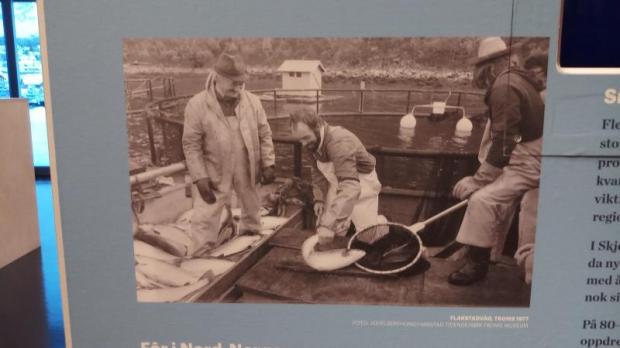
Smolt is a young, silvery salmon in the stage of its first migration to the sea. Each fish weighs between 60-100g. After that, they stay in pens located in the ocean and fjords for 14-22 months until they weigh 4-6kg each. Then they are shipped in wellboats to processing facilities. This salmon farming method has been practised for four decades in Norway.
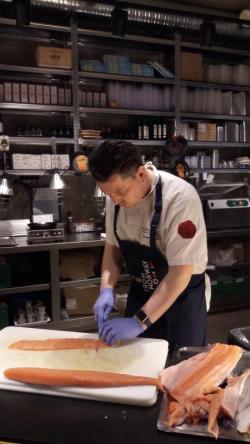
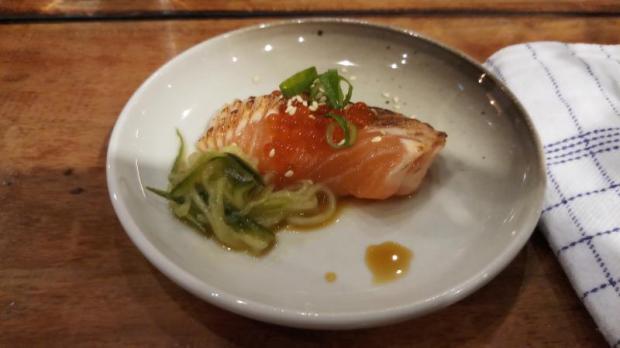
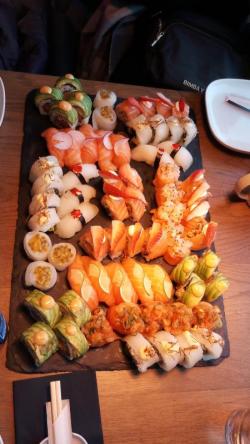
In Tromso, tourists can have very fresh salmon sushi and sashimi at Dragoy AS, a fish counter near the quay, and enjoy fusion salmon dishes at Mathallen restaurant which is well-known for using locally sourced seasonal ingredients and focusing on the flavours of the Arctic.
Renate Larsen, managing director of the Norwegian Seafood Council of which headquarters is in Tromso said: "Where the best seafood in the world comes from. That's Norway."
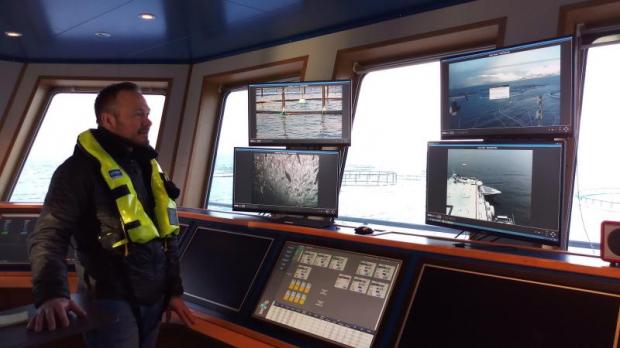
Apart from producing good food for the world, salmon farms can be tourist attractions. So far, 24 licences for tourism have been issued for salmon farms, allowing their opening to tourism with the aim to provide knowledge about salmon farming practices in Norway.
It is convenient to travel from Oslo to Tromso by plane. Each daily flight takes two hours.
To get to salmon farms and processing facilities in Skjervøy, board a ferry from Tromso. It takes about four hours between Tromso and Skjervøy. Visit global.hurtigruten.com/ports/tromso/.
For more information about tourism of Tromso, visit visittromso.no/en/.