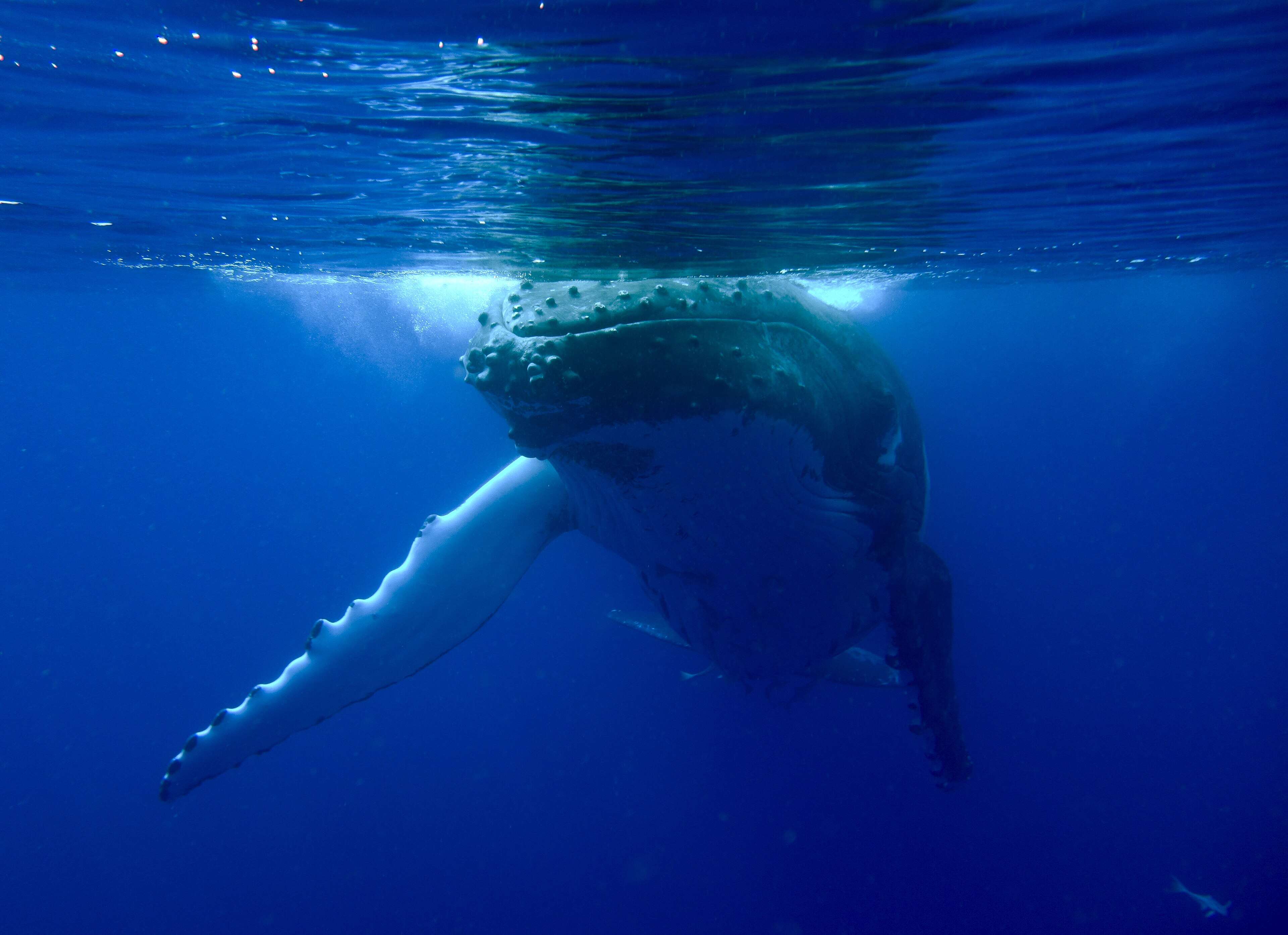
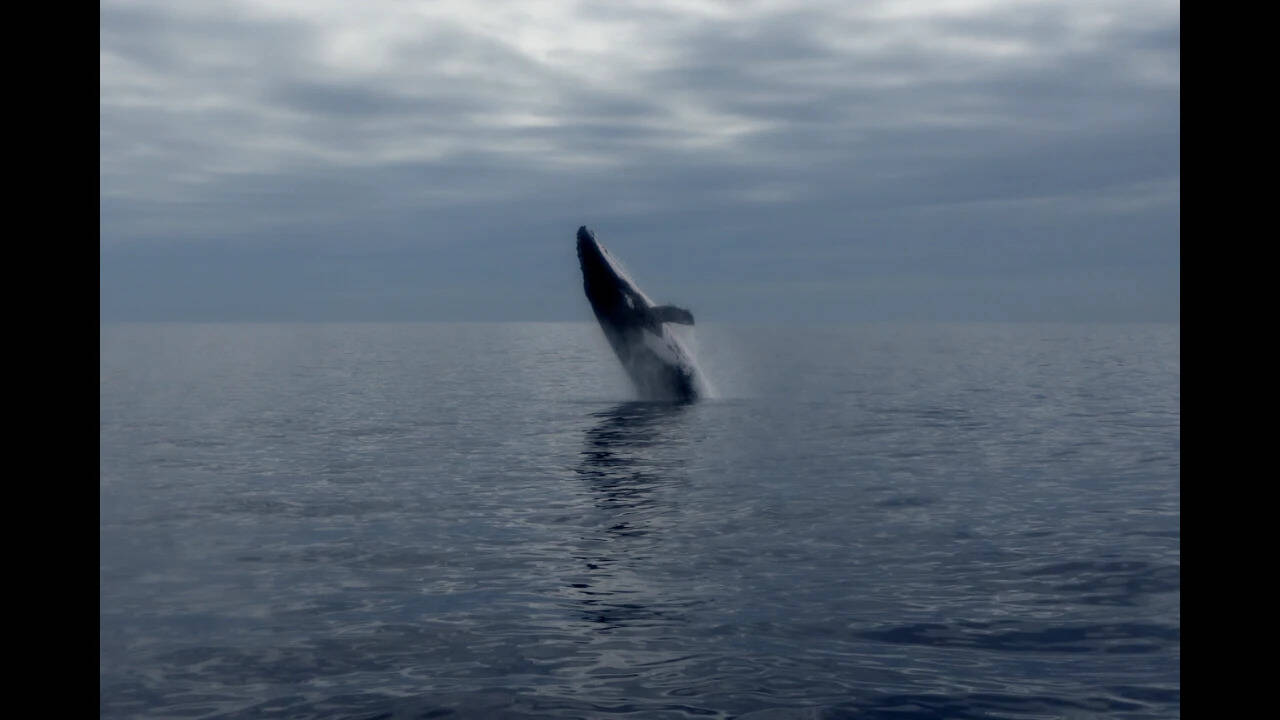
Sydney Harbour is usually a place of constant movement, with ferries carrying commuters, boats crossing the water and visitors gathering along the shoreline. But on one occasion, the harbour drew attention for a different reason. A humpback whale entered the busy waterway, creating a rare wildlife sighting in the middle of the city.
Get breaking news anytime, anywhere. Download the TOI app now!
According to the research article on the humpback whale encounter published in the Australian Zoologist journal, the whale travelled approximately 7 kilometres through Sydney Harbour during the event. It moved into an urban waterway instead of the open coastal areas where humpback whales are more commonly seen during migration. Marine experts, authorities and members of the public helped track the whale with photographs, videos and location reports.
Humpback whales are known for their long migrations along Australia’s coastline. During these seasonal journeys, they travel between feeding areas in colder waters and breeding grounds in warmer regions. Because thousands of whales follow similar routes each year, the migration pathway along Australia’s east coast is often described as the “humpback highway”.
However, humpback whales do sometimes enter bays and harbours during migration. Although these sightings are uncommon, they require careful management in busy waterways. In Sydney Harbour, authorities monitored the whale's movements while managing vessel traffic to reduce risks for both the animal and harbour users.
The unusual trip of the whale through a busy harbour
Sydney Harbour is not just a place with beautiful sights but also an important transport junction. There are many ships in the harbour every day. This means that the presence of the whale was very important to track.
The research article published in the Australian Zoologist journal described the coordinated response to the whale’s presence, including the involvement of multiple agencies in monitoring and managing the encounter. Rather than trying to steer the whale, responders focused on observation, communication and risk reduction while allowing it to continue moving naturally. People across the harbour shared updates when they spotted the animal, helping create a clearer understanding of where it was travelling.
What was the lesson from the sighting regarding wildlife in an urban environment?
It was learnt from the sighting of the whale that there is coexistence of the city and wildlife. In spite of being in an urban environment, the harbour links up with the sea. The marine animals continue to move about and sometimes find themselves in unexpected places.
The study highlighted the value of cooperation in responding to unusual wildlife encounters. Managing such situations requires balancing public safety, vessel movement and the need to avoid disturbing the animal.
The incident also showed how quickly a routine day can change when wildlife appears in familiar places. For ferry passengers, residents and visitors, the whale was an unexpected sight.
For scientists, unusual sightings can offer opportunities to learn more about animal behaviour. A whale moving into a different environment can offer clues about how it navigates, responds to its surroundings and interacts with human-influenced areas.
While one sighting cannot explain broader changes in whale behaviour, events like this can add to understanding of marine movements. Wildlife monitoring is not limited to research teams collecting data in controlled settings. Public participation is increasingly an important part of understanding animals in real-world environments.
As coastal cities grow, encounters between people and marine wildlife may require careful planning and cooperation. Responses that combine scientific knowledge, effective planning and coordinated management can help reduce risks in rare situations like this.
The whale eventually continued its migration after leaving Sydney Harbour. Although the encounter was brief, it demonstrated how coordinated planning can help authorities respond to unexpected wildlife events in busy urban waterways. It also showed that even in one of Australia's busiest harbours, nature can sometimes appear where it is least expected.