
What is it?
Sire is a brand that has proven itself capable of delivering high-quality instruments for relatively little cash, and as such has become a big name at the forefront of affordable and beginner electric guitars. Starting off with the entry-level, the brand has since expanded into mid-range territory, showing what a guitar company used to building to a budget can do when they have a little more money to play with.
For the uninitiated, Sire made waves with its affordable bass models around 2015, before moving into acoustic guitars and then electrics in 2020. The Korean company was built from the ground up, going from a small operation in a garage to the globally successful one it is now.
Part of that success is due to some well-chosen artist collaborations. Sire’s basses are created with the legendary Marcus Miller, and guitars with the icon that is Larry Carlton. But more importantly, they were received well for being impressive instruments at surprisingly low prices.
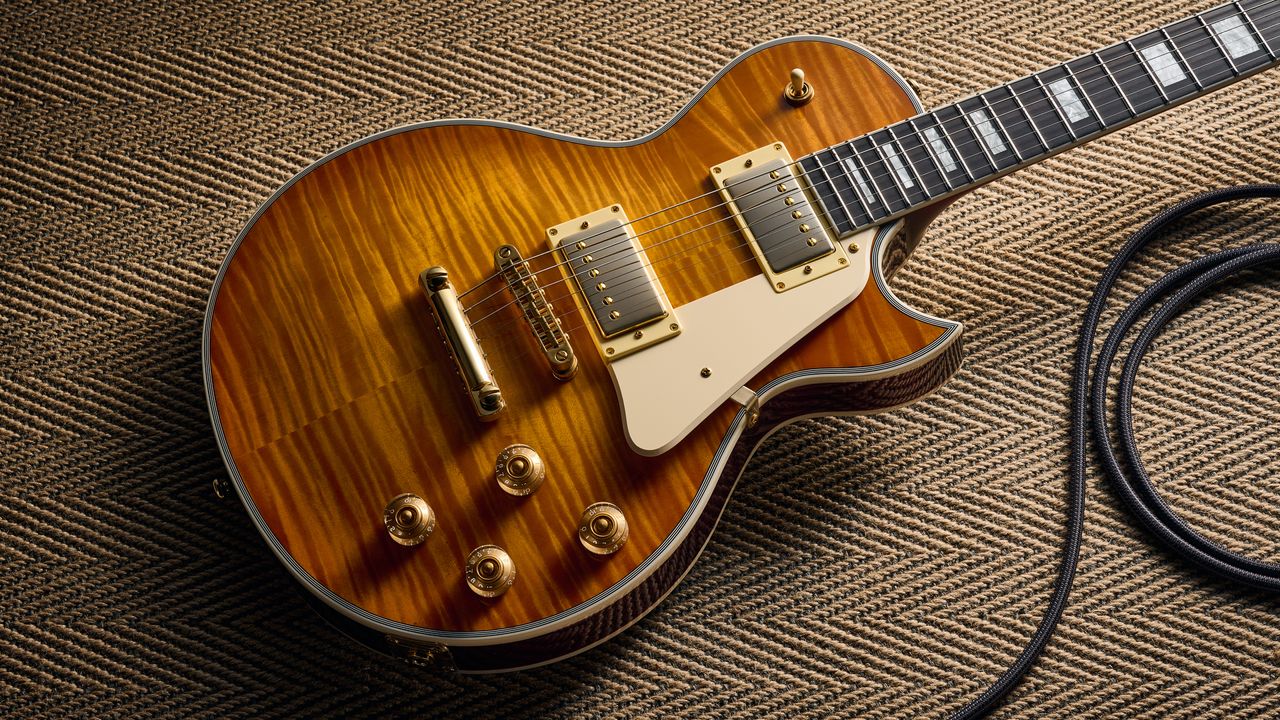
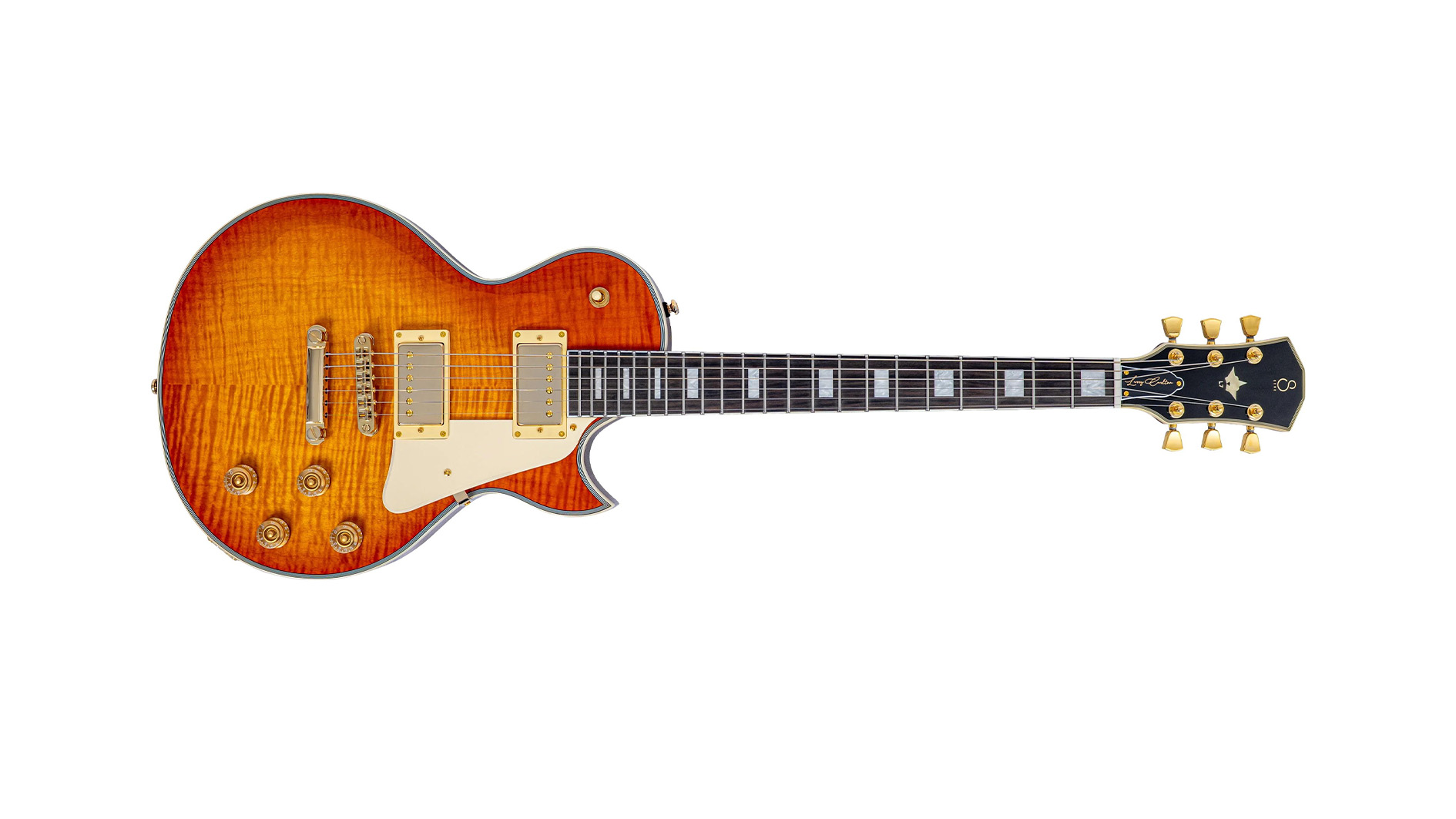
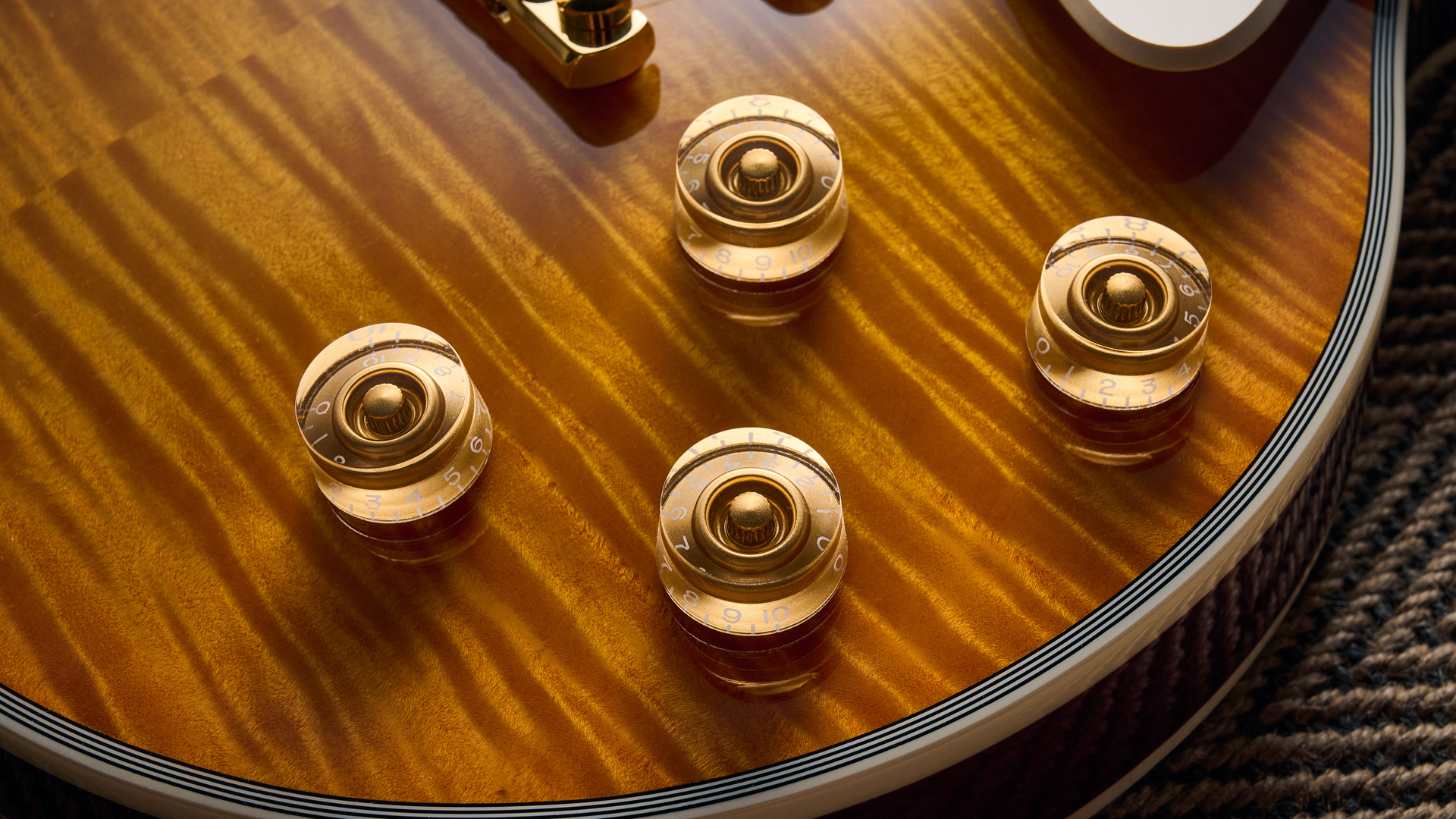
What I’ve got here is the new for 2026 Sire Larry Carlton L7dx. Let’s not beat around the bush; it's a Les Paul-inspired instrument with that familiar single-cut shape and dual humbuckers with a four-control setup.
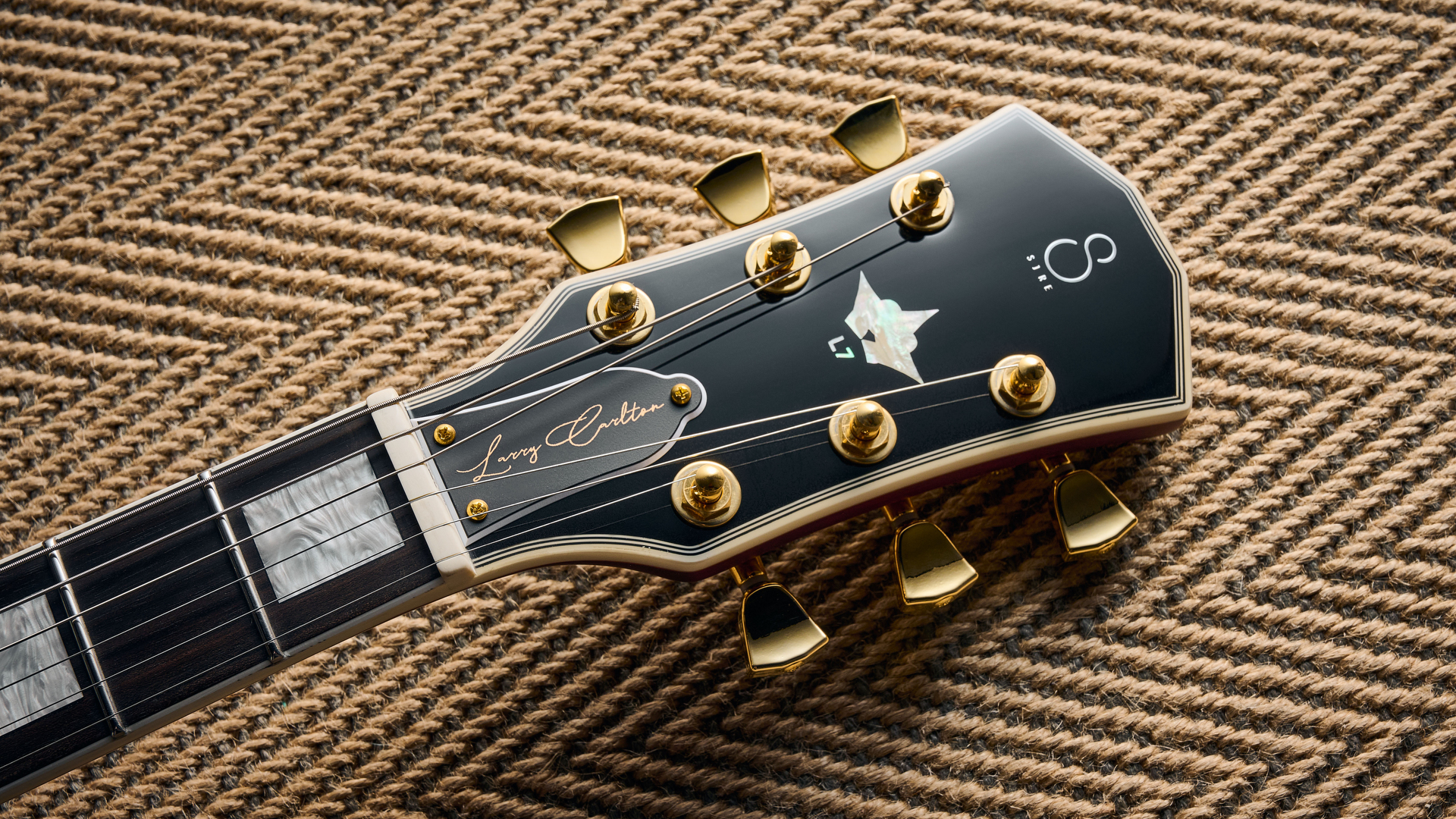
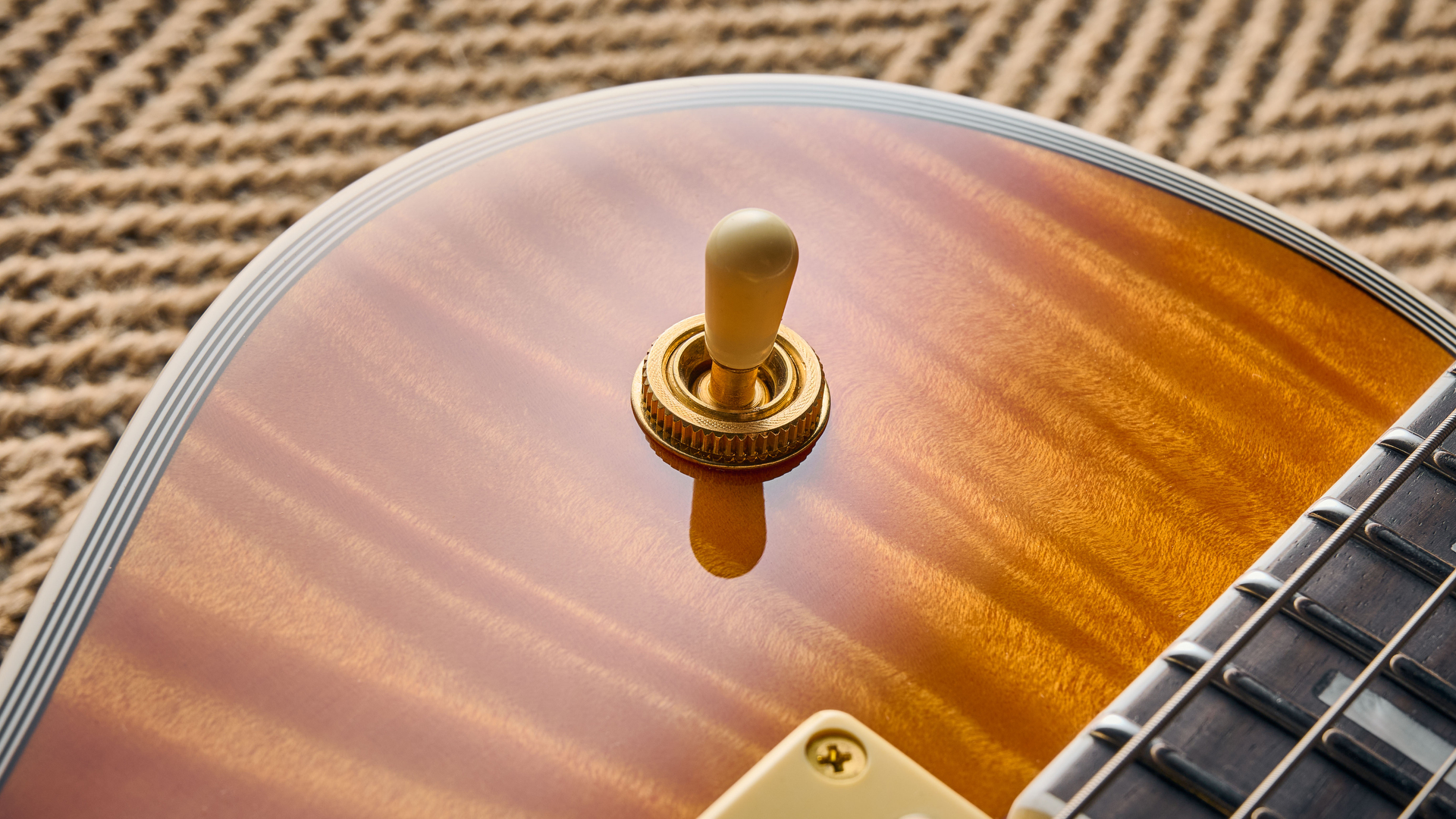
It sits at the top of the L series, with differences from the non-deluxe Sire Larry Carlton L7 being double multi binding on the body's front and back, a Gotoh Tune-O-Matic bridge, Sire C Custom-2 pickups, and an additional white pearloid block inlay on the first fret. At $949, we are firmly at mid-range guitar level, so with the company's reputation for quality at a budget price, I am expecting quite a lot here.
Specs
- Launch price: $949 | £749 | €795
- Made: Indonesia
- Type: Six-string electric guitar
- Body: Mahogany body, maple top/flame veneer
- Neck: Mahogany
- Fingerboard: Ebony
- Scale length: 24.75”
- Nut/width: 42mm
- Frets: 22, stainless steel, medium jumbo
- Hardware: Sire premium locking tuners
- String spacing at bridge: 10mm
- Electrics: HH, 2 x volume and tone controls, three-way selector
- Weight: 8.3lb / 3.8kg
- Options: L7 $759 / L7V $799
- Left-handed options: Yes, Amber Burst and Tobacco Sunburst ($1,049)
- Finishes: Black, Amber Burst (as reviewed), Tobacco Sunburst
- Cases: Soft case
- Contact: Sire
Build quality
Build quality rating: ★★★★½
I’m going to start with the obvious; this guitar is stunning. The gold hardware against the striking flame of the maple veneer in the Amber Burst finish is a look I’m a huge fan of. It is a veneer, of course, and it isn't bookmatched, but it looks good enough that those details don’t feel like a compromise.
There is nothing worse than getting a ding on your brand new guitar – especially when it looks like this one – but thankfully, the L7dx comes with a mightily impressive gig bag that is well padded and about as sturdy as it is possible for a soft case to be.
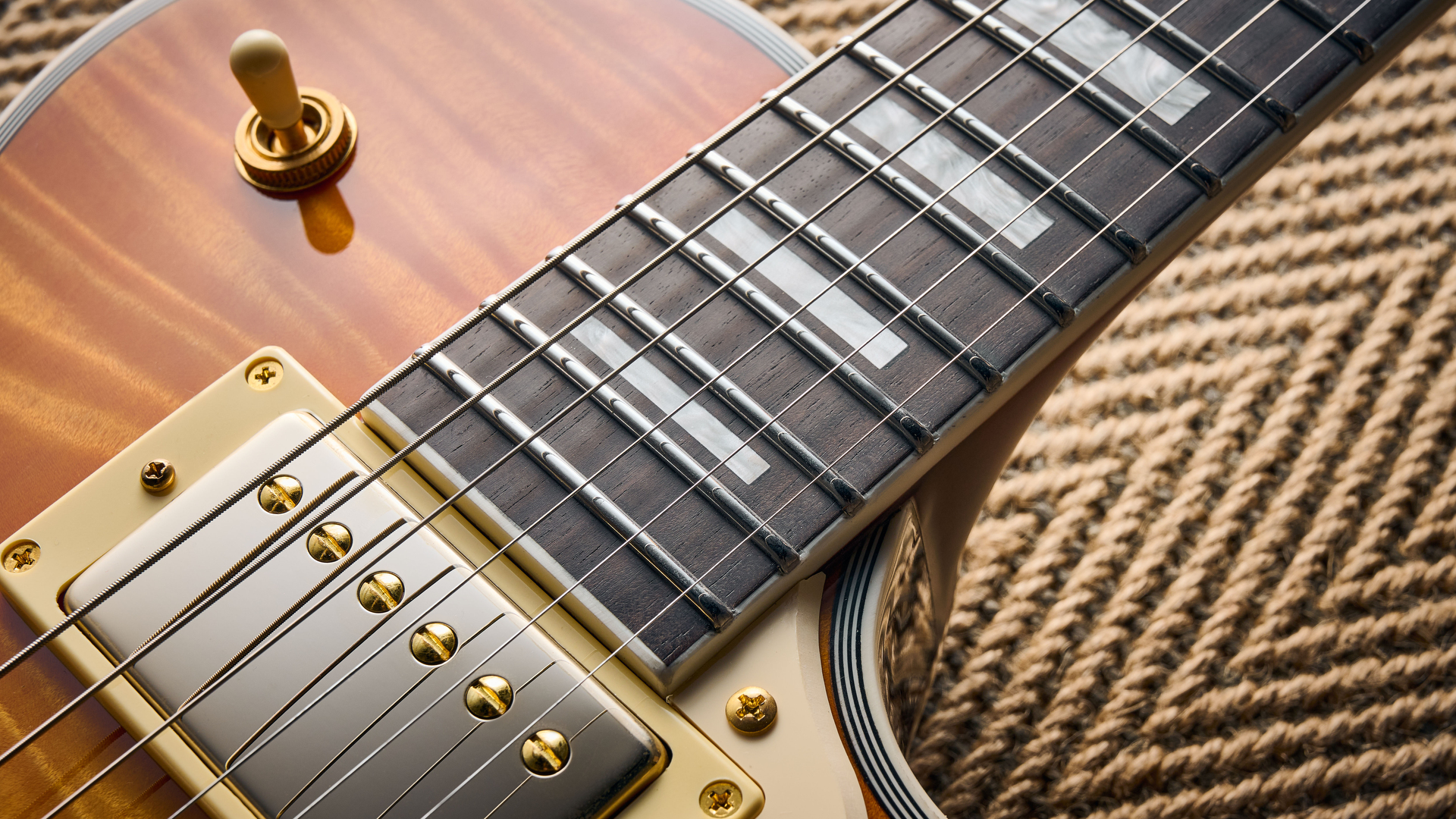
It's the familiar mahogany body, maple top, and mahogany neck that you will find on most guitars of this style, with the ebony fretboard and first fret inlay evoking that Les Paul Custom thing. Like many Les Paul-style guitars, it's also on the heavier side at a weighty but not ridiculous 8.3lbs. So, if you like your guitars light, this isn't for you.
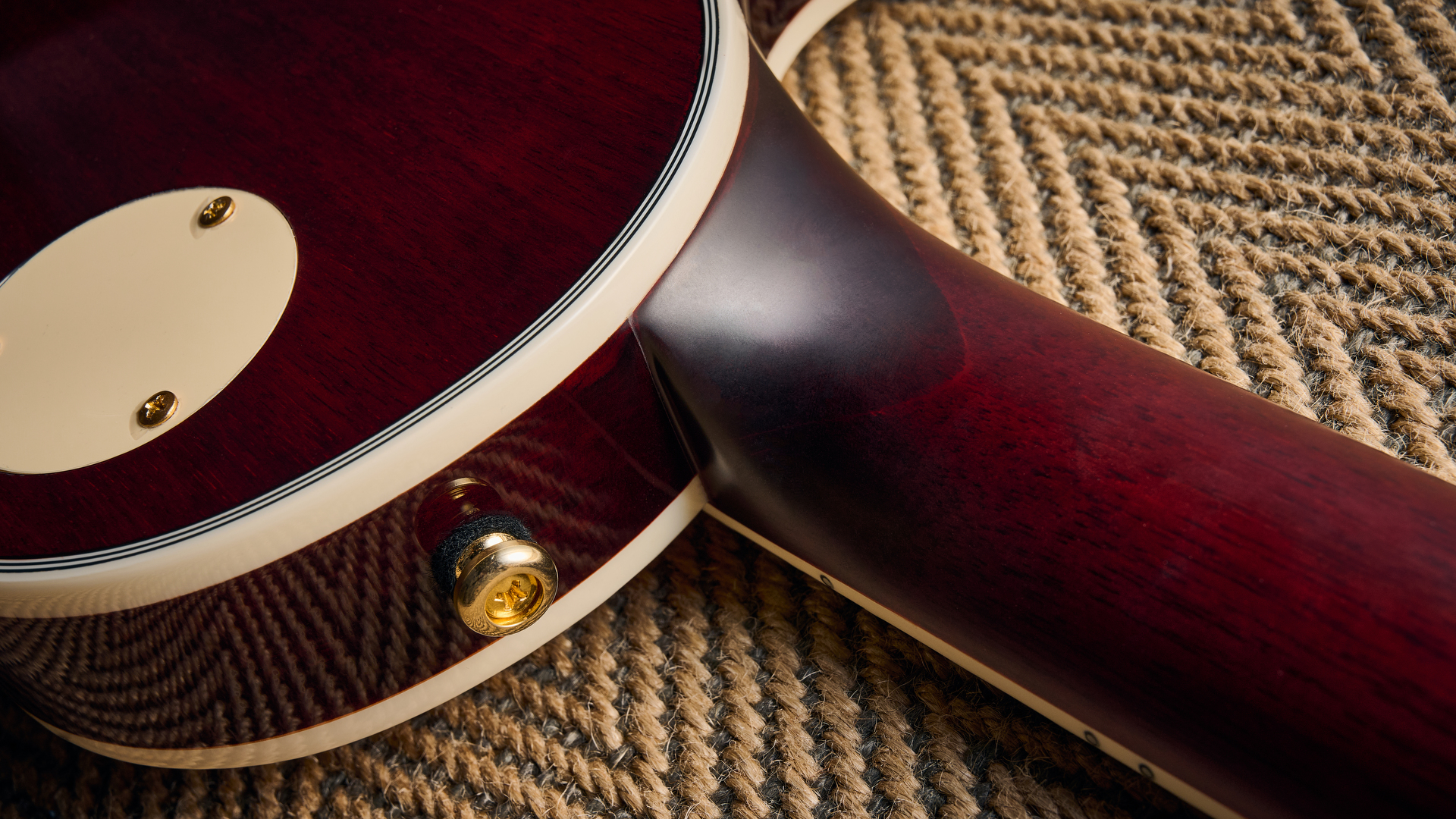
The only points of minor complaint in the finish are some small aesthetic blemishes in the binding up by the first fret, and a slight ridge on the cutaway side of the neck pocket. It is a tight neck pocket, though, so no issues there.
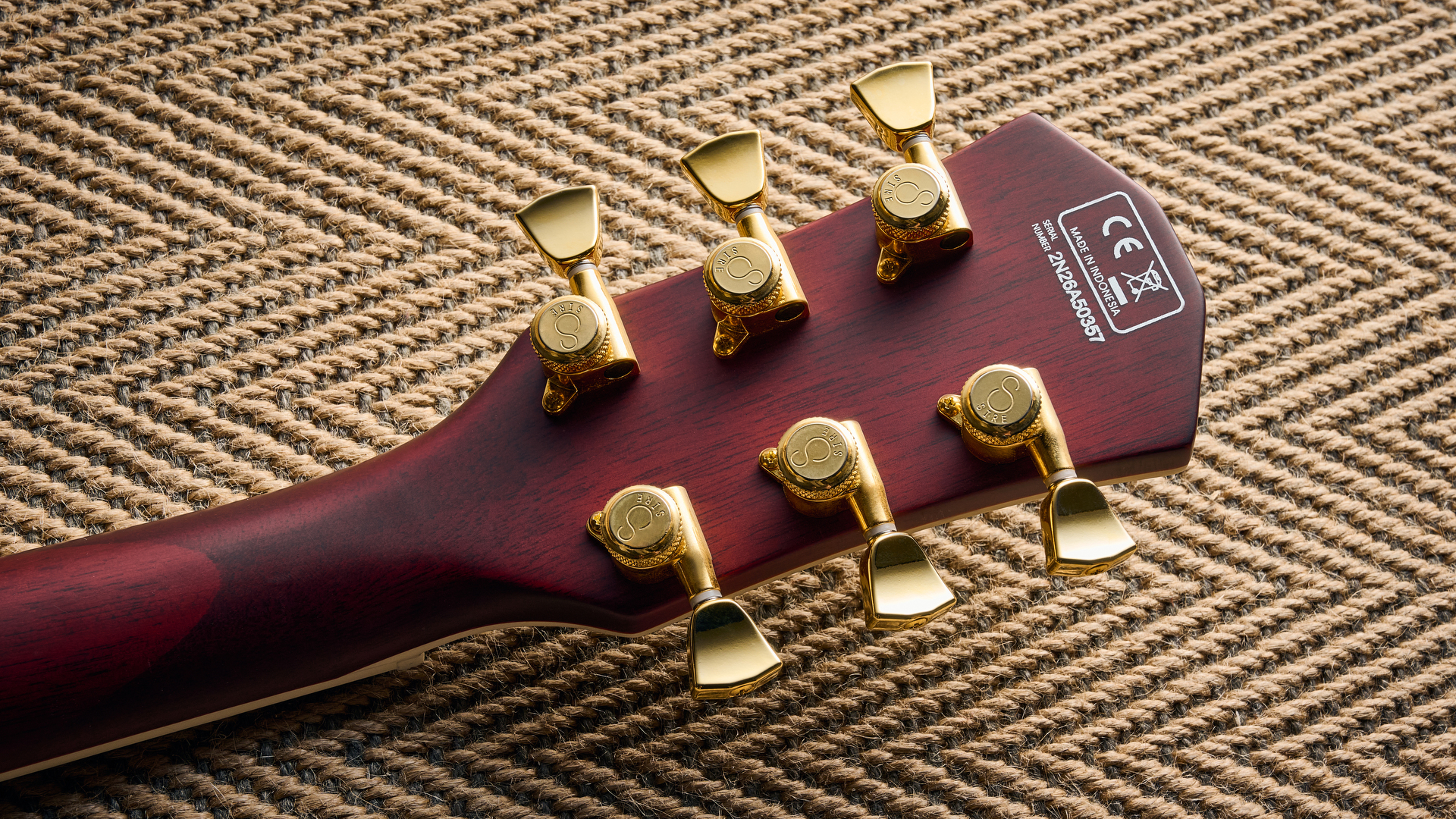
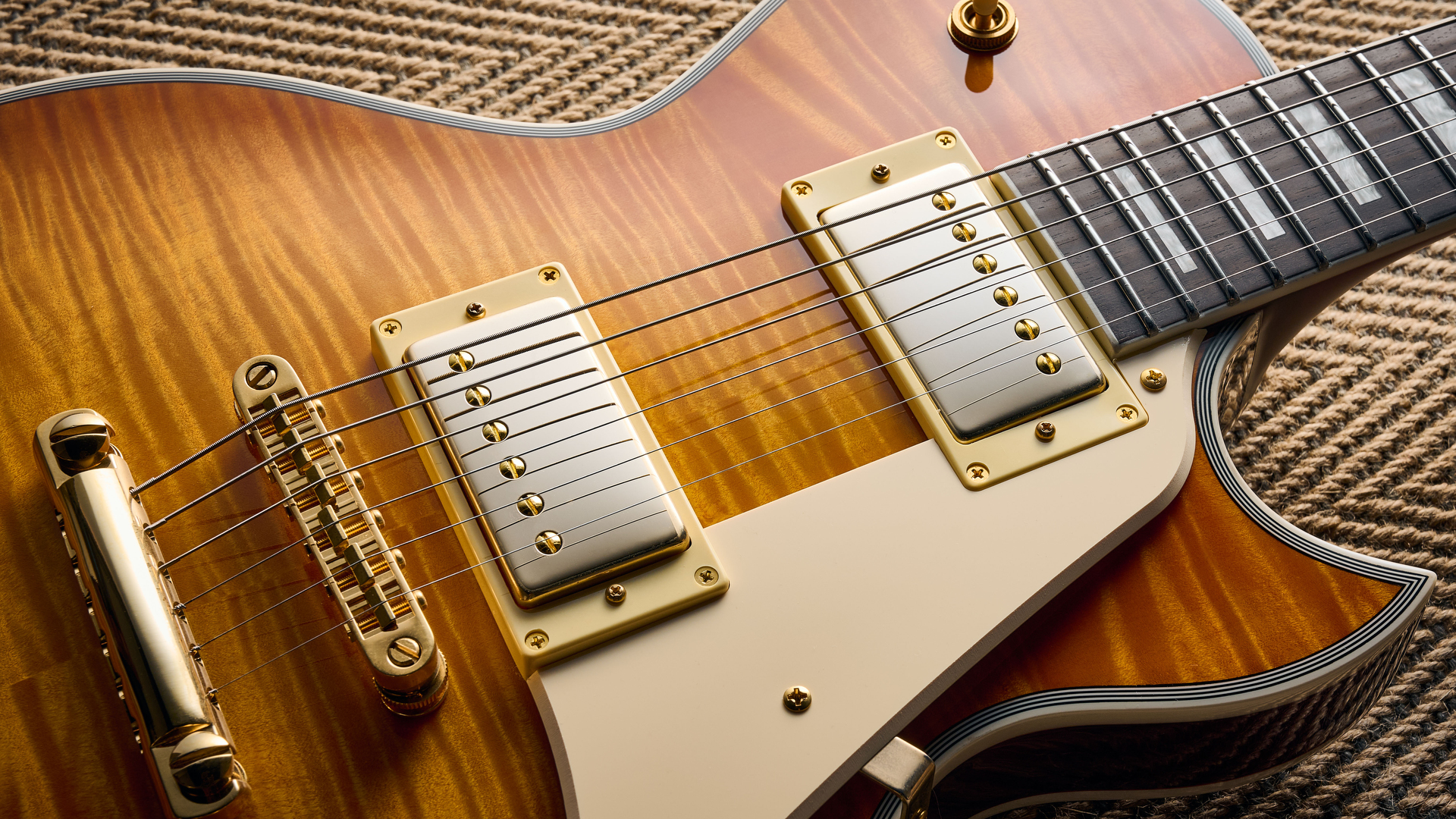
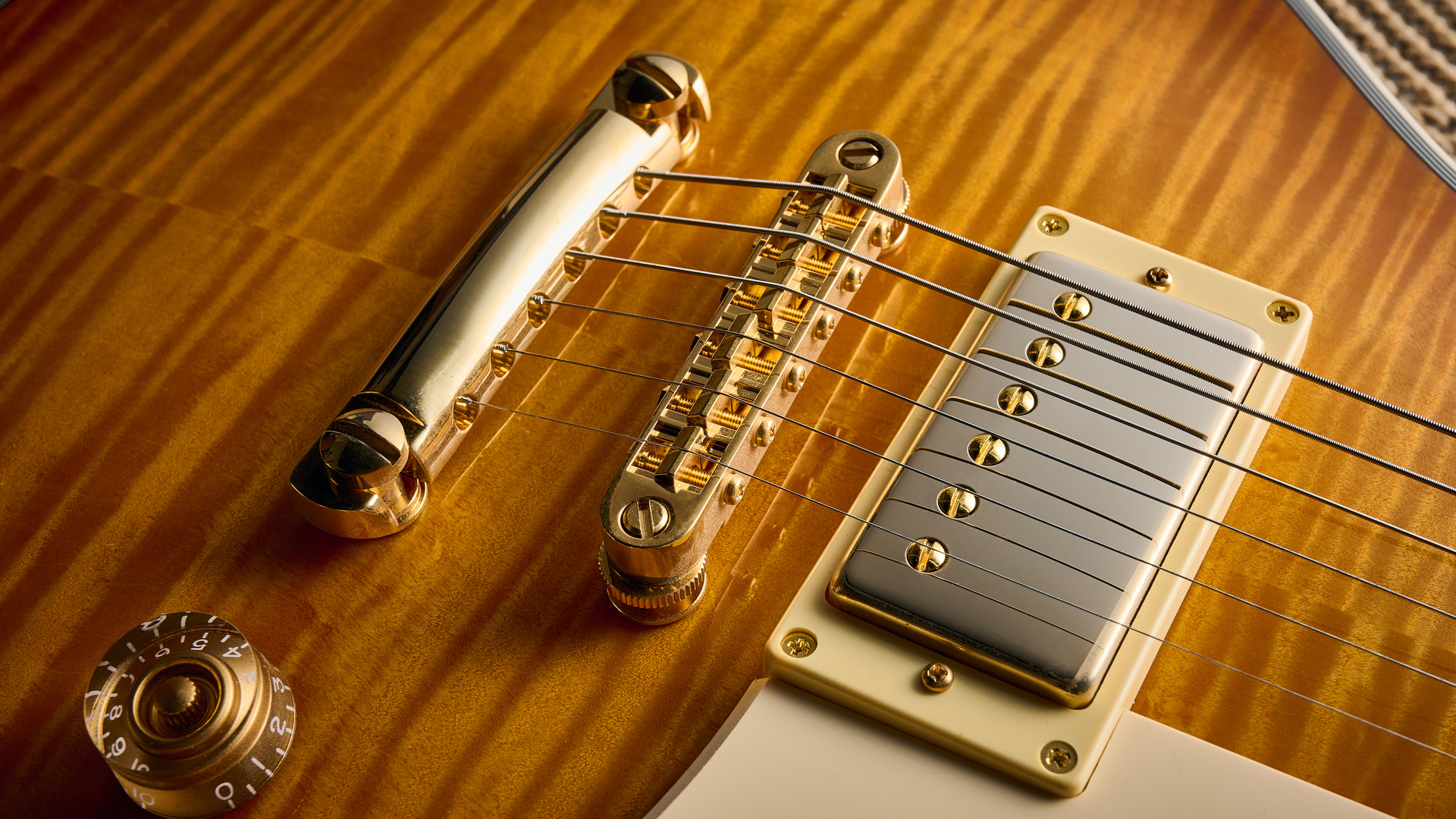
The dx model is equipped with a Gotoh Tune-O-Matic and aluminium stop tailpiece, a Graph Tech Tusq XL nut, and Sire Premium Locking Tuners. All quality components that can be important factors in a guitar holding its tuning - something the L7 DX does well despite my best efforts to catch it out with some wild bends and unreasonable vibrato.
Playability
Playability rating: ★★★★½
It’s not a neck for the shredders among us, but certainly one that more traditionally inclined rockers will enjoy
Continuing the theme of a well-put-together instrument, the medium jumbo frets are finished immaculately, making those bends and vibrato a joy to execute. Furthering this is the 24.75” scale length, and the lesser string tension associated with it when compared to Fender-esque 25.5” scale guitars.
While it is not too big, the C-shape neck has slightly more girth than my Les Paul Classic, making it feel relatively substantial in the hand. So it’s not a go-to neck profile for the shredders among us, but certainly one that more traditionally inclined rockers will enjoy.
I’m also enjoying the satin finish to the back of the neck and the resulting smooth feel as I’m sliding up and down the fretboard. This is a fairly common appointment nowadays, but personally, I’m glad to see it on so many guitars. No more sticking to lacquer under the sweaty heat of stage lights.
None of this means anything without a decent setup, and thankfully there is no work needed here, as this particular example arrives with a medium action (1.6mm on the low E, 1.4mm on the high E), zero fret buzz, and is well intonated.
With all of that considered, it is clear that Sire is not aiming at players with an inclination towards lightning-quick, three-note-per-string legato runs with the L7dx, but instead for those with roots in blues-based classic rock, whilst still offering a guitar slick enough for the technique required of some modern playing.
Personally, it suits me well as I find myself playing through a repertoire of familiar classic rock solos with ease, on a guitar that is just a ton of fun to play.
Sounds
Sounds rating: ★★★★½
For volume, I’ve got my pedalboard equipped with a Browne Amplification Ethane overdrive pedal and an MXR Carbon Copy delay, running into a Fender Hot Rod Deluxe.
As I get going, the most immediately impressive thing about this guitar is its sustain. It's almost on a par with a gained-up hollow body in that it just wants to sing. This is aided by some pokey pickups, as the Sire C Custom-2s put out a little more level than the Burstbuckers on my aforementioned Les Paul Classic.
These pickups also feel pleasantly compressed, making clean riffs incredibly comfortable and rewarding to play. Again, compared to my own Les Paul, they are voiced with a relatively mid-forward sound. The highs stay controlled and the low end impressively tight.
With a clean tone, this translates to a very smooth neck pickup sound that is quite forgiving under the fingers. The bridge, while obviously not the ideal clean pickup in most contexts, manages to stay away from ice pick territory. Use both together, and some air is brought to that mid focus, resulting in a tone great for a little funk rhythm playing.
I could do with a touch more high-end articulation and dynamic response for some strummy stuff, but this is completely down to taste, as many will feel that the aforementioned advantages are well worth the trade-off.
The experience is nothing short of addictive
The fun continues when I add some gain into the mix. Particularly for lead playing, as that sustain combined with the mid-forward nature is just epic for busting out ‘80s rock solos. The bridge is honky in a good way that will cut through the mix, and the neck provides a comfortable warm tone, while managing to keep the low end tight. The experience is nothing short of addictive.
Low-gain rhythm tones are nice and focused, but again, and being picky here, I find myself wanting a little more high end for some crunchy rhythm chords.
Verdict
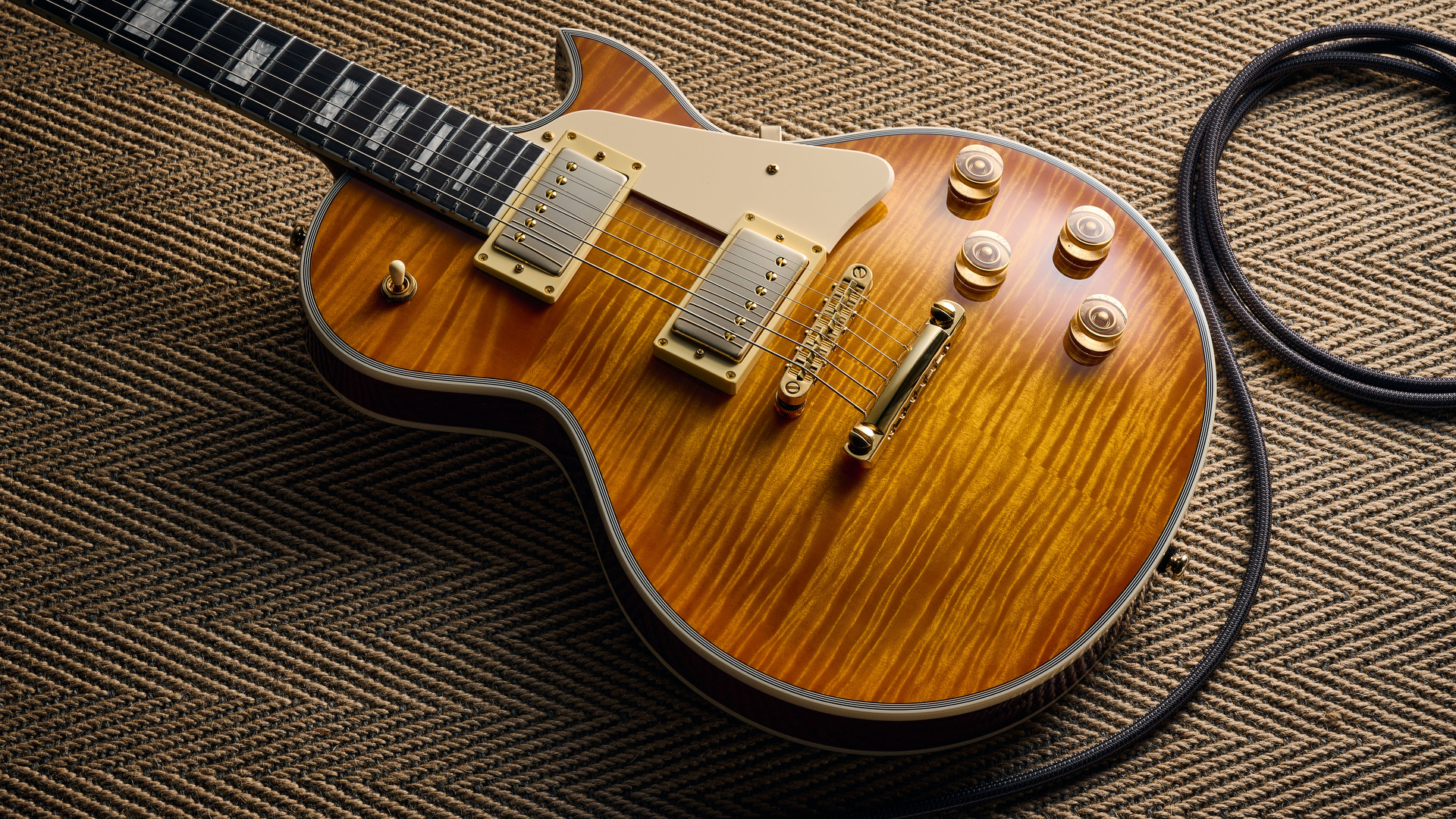
In short, the L7dx is an excellent guitar. Aesthetically, it makes no attempt to hide the fact that it is very obviously inspired by the Gibson Les Paul, but that does not take away from the fact that it looks stunning.
While there are guitars better suited to those who aim to squeeze in tons of notes at high tempos, most looking at this type of guitar will be of the rock, blues, and classic rock ilk, and here the playability offers everything one needs to pull off those technical pentatonic licks and tasty bends.
Where the L7dx separates itself from the guitar it is inspired by is in the tone. The foundation is familiar, but it is a sound that is slightly more mid-forward, with a ton of sustain, a tight low end, and a little less presence in the highs.
The foundation is familiar, but it is a sound that is slightly more mid-forward, with a ton of sustain, a tight low end, and a little less presence in the highs
Whether you prefer this difference will be entirely down to your own taste. If you do, however, then the Sire L7dx is a genuinely high-quality alternative that may suit you better, whilst simultaneously saving you a wad of cash.
Guitar World verdict: The L7dx affirms Sire's prowess at creating guitars that punch above their price tags. The difference here is that at this cost, it is not an entry-level instrument. It is instead a guitar that any gigging musician would be happy with thanks to stunning looks, a quality build, and a tone that offers a genuine alternative to the guitar that it is inspired by.
Test |
Results |
Score |
|---|---|---|
Build quality |
A build worthy of a gigging musician, with only a couple of very minor aesthetic blemishes. |
★★★★½ |
Playability |
Technical pentatonic licks and tasty bends fly off the fingerboard with ease. |
★★★★½ |
Sounds |
More mid forward than other Les Pauls, it's great for leads, but some may want for a touch more high end articulation. |
★★★★½ |
Overall |
A great guitar that offers a genuinely good alternative to a classic shape. |
★★★★½ |