European Union leaders finally agreed on the heads of the 28-nation bloc’s institutions. The package of four key appointments includes the central banker that will steer the euro area economy to the chief executive that sets the political agenda. Here’s a look at the cast of characters that will shape EU policy on everything from trade to foreign policy.
Ursula von der Leyen, 60, Germany: European Commission chief
A latecomer to politics, von der Leyen entered the Christian Democratic party in 1990. She rose to become its deputy leader and is the only minister who’s been in Angela Merkel’s government since the German leader took office in 2005. She has served as family minister, labor minister and defense minister – and for a long time was considered a natural successor as chancellor, though her star faded in recent years amid questions about Germany’s military readiness, procurement projects that have run aground and the prevalence of outside consultants. Her challenge will be to navigate a world of bruising trade wars, renewed geopolitical tension surrounding Iran, as well calls for increased transparency and representation within the bloc itself. Von der Leyen, a trained doctor who raised seven children, lived in California for years and is fluent in English and French.
Christine Lagarde, 63, France: European Central Bank President
The onetime lawyer and first woman appointed to the helm of the International Monetary Fund was born in Brussels and her father worked for the EU. French President Emmanuel Macron described her as having Europe “in her DNA.” It was President Jacques Chirac who launched Lagarde’s political career by appointing her minister for trade in 2005. She thrived as finance minister before going on to spend eight years managing the IMF. EU Council President Donald Tusk has dismissed concerns about her lack of formal economic training, saying she’ll make a “perfect” ECB president. Investors will likely bet that as a seasoned crisis-fighter, she will share Draghi’s taste for aggressive and innovative monetary policy.
Charles Michel, 43, Belgium: President of the European Council
He’s the archetypal EU politician who as Belgian prime minister since 2014 has mastered the art of keeping warring parties together in a fragile coalition. Although he comes from the French-speaking half of Belgium, he agreed to head up a government that included for the first time a party pushing for independence for the country’s Dutch-speaking half. That shows the compromise-building skills he’ll need when he starts chairing summits of the EU’s rival leaders. After five years in the job, his party performed badly in a general election in May and, with coalition talks still going on, it looked unlikely that Michel would return as leader. Moving to an office up the road in Brussels to become president of the European Council is the logical next step for someone whose father is a former EU commissioner.
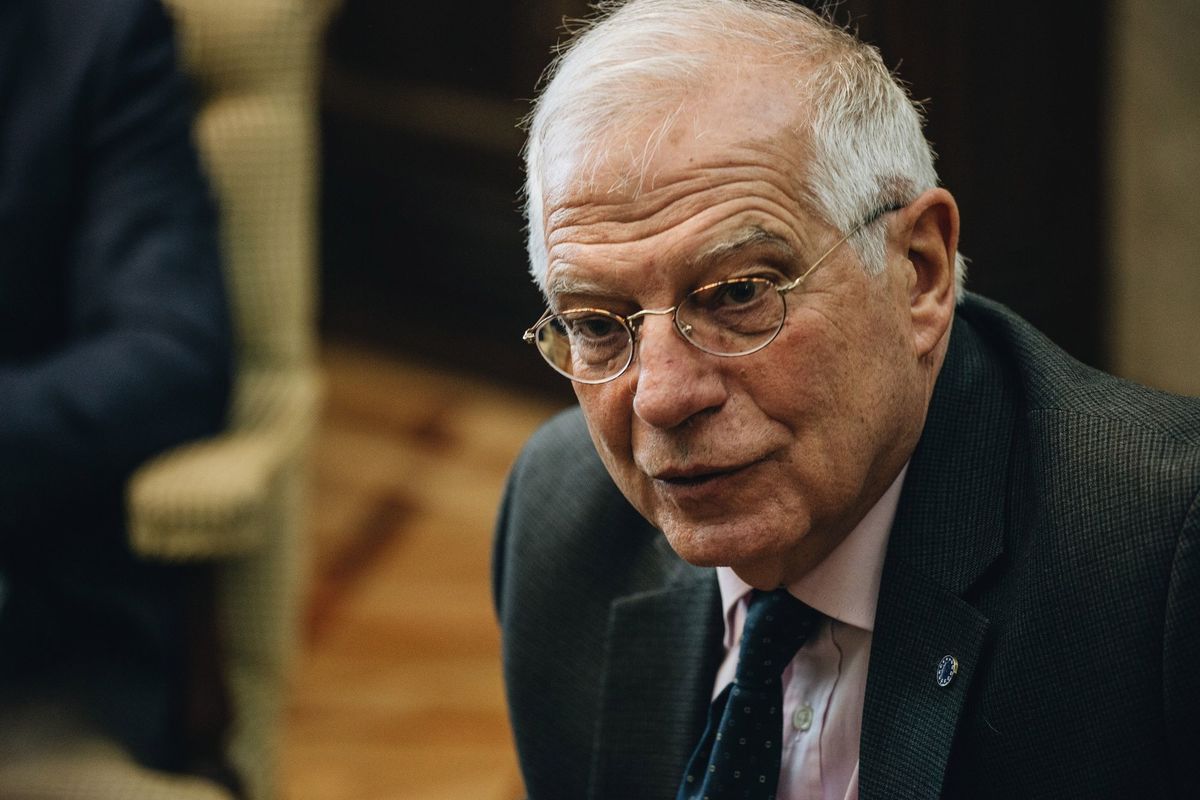
Josep Borrell, 72, Spain: EU foreign policy chief
Borrell is a veteran of many battles with the Spanish Socialist Party where he’s served as public works minister, party leader and most recently foreign minister. He also had a stint as president of the European Parliament between 2004 and 2007. Born in a small town in Catalonia, Borrell was drawn back into politics from semi-retirement by the separatist crisis that snowballed in his home region in 2017. As a fierce defender of the Spanish constitution, he was active in fighting against the separatists’ propaganda operation, publishing a take down of many of their claims in 2014. When Pedro Sanchez ousted the center-right government last year, he turned to Borrell as an old party hand for his foreign minister. He proved equally forthright defending his positions on the international stage, brushing off U.S. demands for Europe to send troops to the Middle East and lecturing the Trump administration over its handling of Venezuela. He married his long-term partner, Socialist Party President Cristina Narbona, in July last year.
--With assistance from Ian Wishart, Ben Sills, Patrick Donahue and Craig Stirling.
To contact the editor responsible for this story: Flavia Krause-Jackson at fjackson@bloomberg.net, Caroline Alexander
©2019 Bloomberg L.P.