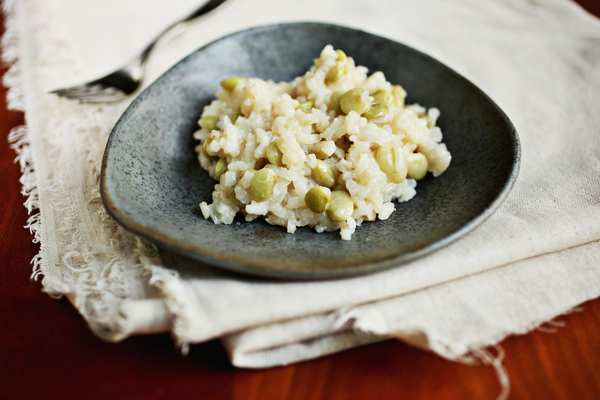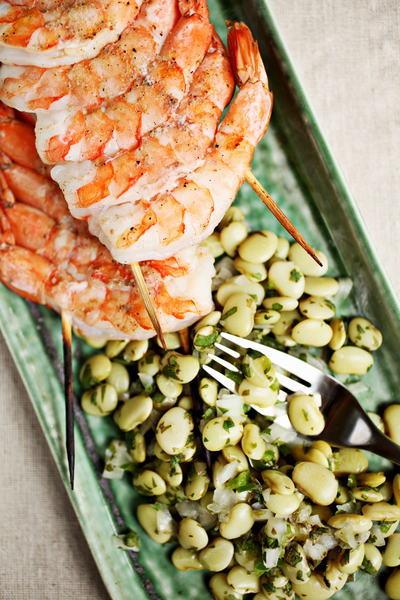
The time to enjoy Southern peas is finally upon us. Every summer brings forth a plethora of pods filled to the hilt with tiny spheres of different colors.
Here is your guide to this iconic Southern vegetable: how to cook them and save some for winter.
FOUR MAIN TYPES: The realm of Southern peas is divided into four major groups: black-eyed peas, creamer peas, field peas and crowder peas. There are hundreds of varieties of legumes that fall within these categories _ too many to mention here. However, among them are: purple hulls, Emily Lees, white acres, pink-eyed, zippers, Dixie Lees, yellow-eyed, colossus, Sea Island red peas and (my favorite because I love to say their name) Whippoorwills. Their shapes vary, as does their color; some are speckled, and others have different colors variegated throughout. Some are perfectly round, others are tapered (a sign that they've been crowded together within the pods) and yet others are kidney-shaped, like beans. Lima beans are indeed beans, native to Peru (hence their name); they belong to the Phaseolus Lunatus family. Butter beans are a subspecies of lima beans and belong to the Sieva family, first domesticated in Central America. In the American South, butter beans are also considered part of the "crowder" family, which is why some people align butter beans with peas.
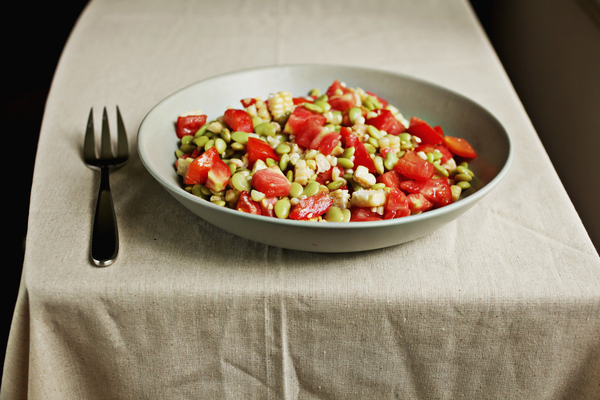
HARVEST TIME: Field peas make their appearance in late spring; they continue to grow through the summer and into early fall. First to arrive to markets are tiny, cream-colored six-week peas that are delicate and sweet in flavor. Soon after, beautiful, green butter beans (or baby lima beans, as they're also called in the South) are ready for harvest. Young pods (called snaps) can be enjoyed raw in salads or lightly cooked and buttered. Peas can be harvested when they are fresh or after their pods (and seeds) have dried. Shelling peas is a family tradition for many, but it's hard to find the time needed to shell them in bulk.
HOW TO COOK: Cooking fresh peas is very easy: cover them with water by a couple of inches. You can add seasoning in the form of smoked pork (or turkey wings). Bring the water to a boil, lower the heat and simmer until tender _ about 35 minutes. Once cooked, the peas can be eaten all on their own or combined with other ingredients to produce other dishes, such as the famous Hoppin' John. One of the simplest recipes to make combines tomatoes, corn and peas with a light vinaigrette; the resulting salad is a refreshing ode to summer. The residual liquid from cooked peas is called "pot likker" or "pot liquor," and it's delicious on its own or when served with crumbled cornbread.
HOW TO FREEZE: The best way to preserve peas is to shell them and freeze them. Some folks simply freeze them after they're shelled, but I was taught to blanch them first. This is how I do it: First, rinse the peas well in cold water to remove dirt or debris. Bring a large pot of water to a rolling boil. Fill a large bowl with cold water and a generous amount of ice. Add the peas to the boiling water; cook them two to three minutes and immediately remove the peas with a sieve or a small strainer and add them to a bowl of iced water to stop the cooking process. Once cool, drain them well. Dry the peas well between kitchen towels and divide them into small freezer-safe bags; freeze them for up to six months. There is no need to thaw peas before cooking them (simply add five to 10 minutes to the cooking time).