Launching a medical device is one of the highest-stakes endeavors in manufacturing. A single misstep in production can trigger regulatory setbacks, costly delays, and compromised patient safety. For project managers working within contract manufacturing environments, production adjustments aren't optional—they're an ongoing reality shaped by supply chain volatility, evolving regulatory requirements, and the relentless pressure to deliver flawless products on schedule. The challenge intensifies when raw material shortages force last-minute changes or when design iterations ripple through established workflows.
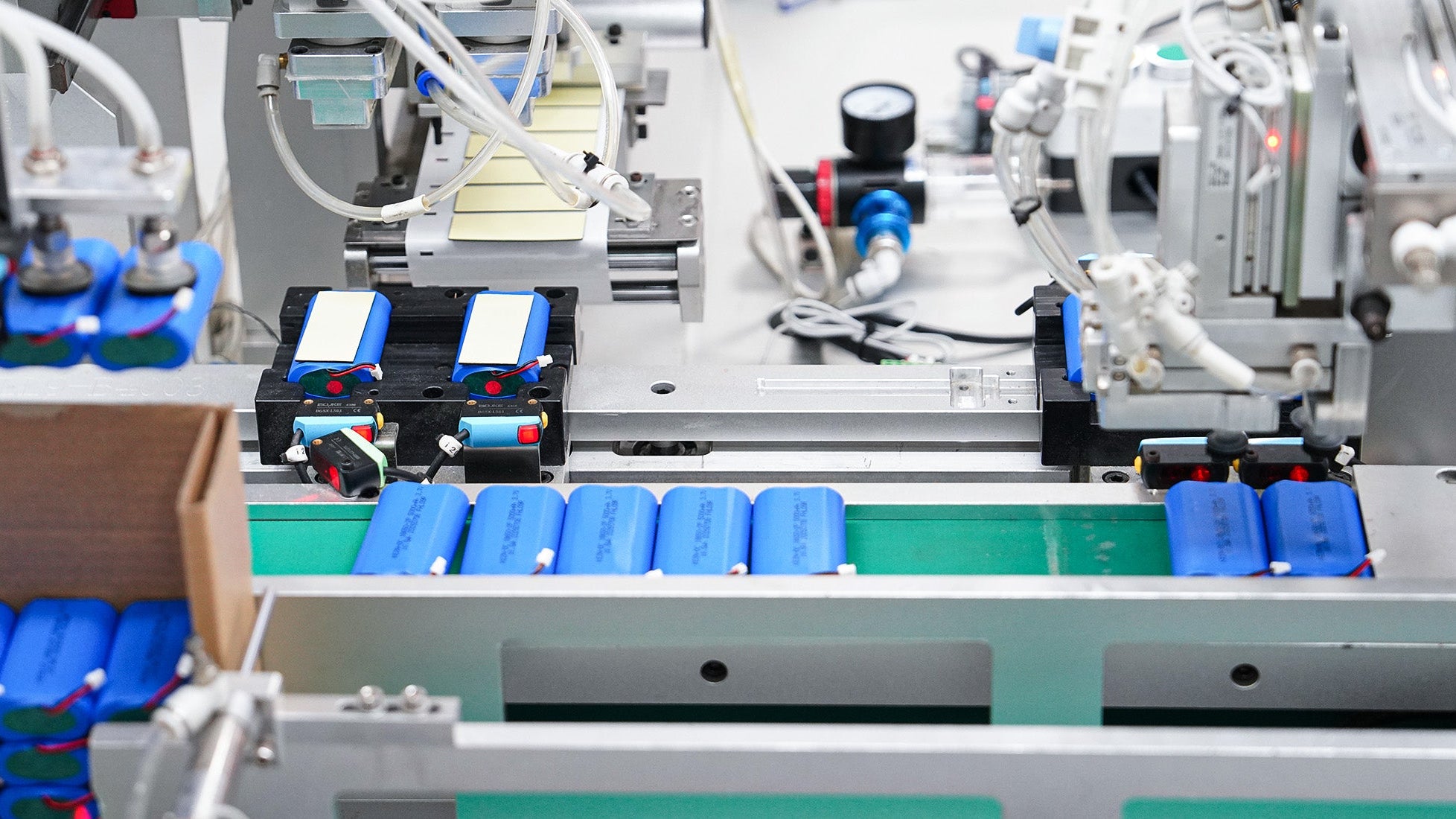
This guide focuses on two powerful levers that project managers can pull to optimize production adjustments: Simulation & Analysis tools that predict outcomes before costly physical changes are made, and Engineering Plastics expertise that informs smarter material decisions throughout the adjustment process. Whether you're struggling with risk assessment frameworks that fail to capture real-world complexity, or project tracking systems that can't keep pace with rapid changes, the strategies outlined here offer concrete, actionable approaches. Understanding how to navigate production adjustments proactively—rather than reactively—separates successful device launches from those mired in delays and budget overruns.
The Fundamentals of Production Adjustments in Medical Contract Manufacturing
Production adjustments in medical contract manufacturing encompass any deliberate modification to established manufacturing processes, workflows, or material inputs made after initial production planning is complete. These changes range from minor parameter tweaks—adjusting injection molding temperatures by a few degrees—to wholesale retooling driven by a component redesign or a regulatory body's updated guidance on biocompatibility testing.
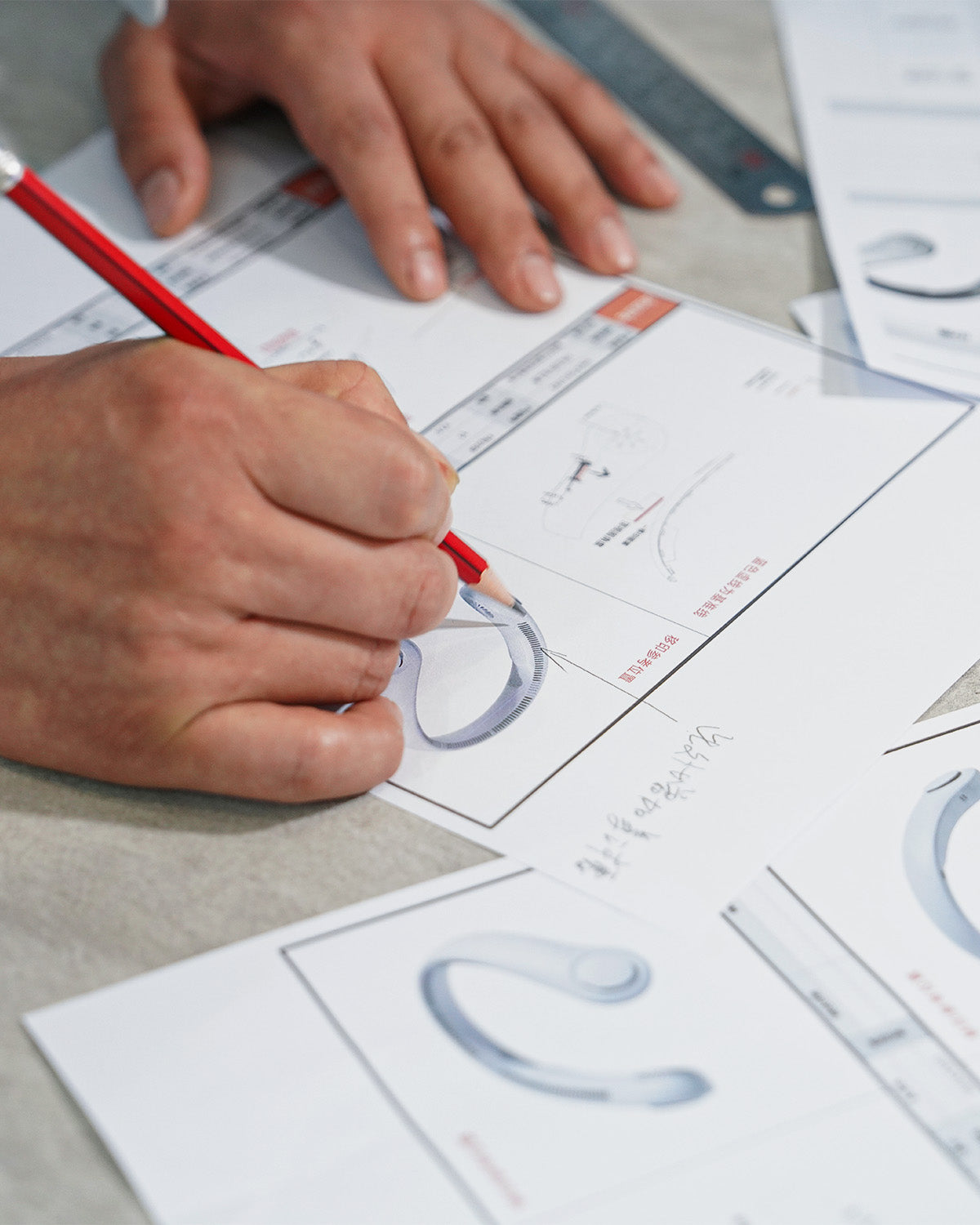
Adjustments are inevitable for several reasons. Design changes emerge as clinical feedback reveals performance gaps. Regulatory updates from bodies like the FDA or notified bodies under EU MDR impose new documentation or testing requirements mid-stream. Supply disruptions force material substitutions that cascade into process modifications. Each scenario demands a structured response rather than ad hoc firefighting.
For project managers operating within medical contract manufacturing, mastering these adjustments is fundamentally about protecting two things: timelines and quality. A poorly managed adjustment can push a product launch back by months while validation cycles reset. Conversely, a well-executed adjustment—one anticipated through simulation, supported by material science expertise, and tracked through robust project management systems—can actually strengthen the final product. The operational framework of medical contract manufacturing, with its emphasis on documented processes and traceability, provides the scaffolding project managers need to implement changes systematically rather than reactively.
Leveraging Simulation & Analysis for Predictive and Efficient Adjustments
Simulation & Analysis tools transform production adjustments from reactive scrambles into calculated, evidence-based decisions. By creating digital representations of manufacturing processes, these tools allow project managers to test proposed changes virtually—identifying bottlenecks, stress points, and failure modes before committing resources to physical modifications. In medical device manufacturing, where validation cycles can consume weeks or months, this predictive capability is invaluable.
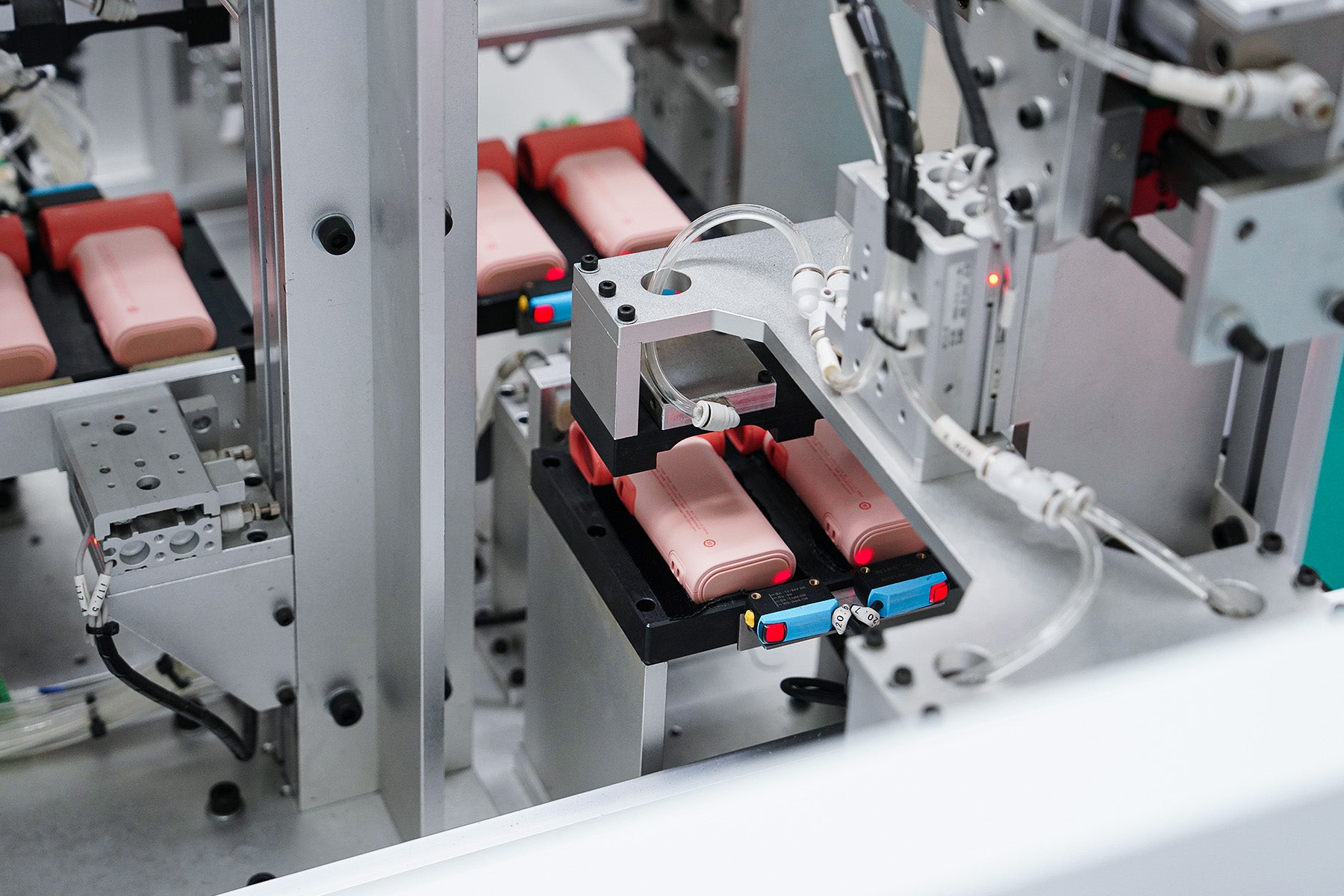
Finite element analysis (FEA) enables teams to evaluate how design modifications affect structural integrity under real-world loading conditions. Computational fluid dynamics (CFD) proves essential when adjusting processes for fluid-handling components like catheters or drug delivery systems. Mold flow analysis predicts how changes to injection parameters—gate locations, cooling channels, or fill pressures—will affect part quality, helping teams avoid warping, sink marks, or incomplete fills that would trigger rejection during quality inspection.
The benefits compound rapidly. Physical prototype iterations drop significantly when simulation narrows the viable design space before any material is cut or molded. Cost savings follow naturally, but the deeper advantage lies in data-driven decision-making. When a project manager presents simulation results showing that a proposed material substitution maintains mechanical performance within tolerance, regulatory conversations become smoother and stakeholder confidence increases. Simulation data also feeds directly into risk assessment documentation, creating an auditable trail that satisfies both internal quality systems and external regulatory reviewers.
Key Simulation Tools and Techniques for Project Managers
Project managers don't need to become simulation engineers, but they must understand which tools address which questions. ANSYS and Abaqus handle complex structural and thermal analyses suited for implantable devices or load-bearing components. Moldex3D and Autodesk Moldflow specialize in injection molding simulation—critical when adjusting tooling or switching engineering plastics. COMSOL Multiphysics bridges multiple domains simultaneously, useful when a single adjustment affects thermal, mechanical, and fluid behavior. For resource allocation, integrating simulation timelines into project schedules means building in iteration cycles—typically two to three rounds—before physical validation begins. Timeline forecasting improves when historical simulation accuracy data informs how many virtual iterations a given adjustment category typically requires, allowing project managers to set realistic milestones rather than optimistic guesses that erode team credibility.
Engineering Plastics: Material Considerations Driving Adjustment Strategies
Engineering plastics form the backbone of modern medical device manufacturing, and their selection directly dictates how production adjustments unfold. Materials like PEEK (polyether ether ketone), polycarbonate, PPSU (polyphenylsulfone), and various grades of nylon each bring distinct mechanical, thermal, and biocompatibility profiles that influence every downstream manufacturing decision. When a production adjustment requires switching from one engineering plastic to another—whether driven by supply constraints, cost optimization, or updated performance requirements—the ripple effects touch tooling geometry, process temperatures, cycle times, and quality acceptance criteria simultaneously.
Consider a scenario where a supplier discontinues a specific grade of medical-grade polycarbonate used in a diagnostic housing. The replacement grade, while chemically similar, may exhibit different melt flow characteristics that demand revised injection molding parameters. Gate sizes may need modification, cooling times may shift, and dimensional tolerances could drift outside specification without careful recalibration. These aren't hypothetical concerns—they represent the daily reality of medical contract manufacturing where material traceability and lot-to-lot consistency carry regulatory weight. Contract molding manufacturers like WEILAN MFG routinely navigate these challenges, leveraging deep process knowledge to recalibrate parameters when material grades shift. PEEK components destined for implantable applications face even stricter scrutiny; any adjustment involving these high-performance polymers triggers extended biocompatibility testing and potentially new 510(k) submissions. Project managers must recognize that material-driven adjustments rarely exist in isolation—they propagate through validation protocols, supplier quality agreements, and production scheduling in ways that demand cross-functional coordination.
Adjusting Production for Material Sourcing and Compliance
Sourcing engineering plastics for medical devices presents unique challenges that compound during production adjustments. Single-source dependencies create vulnerability, yet qualifying alternative suppliers requires extensive testing—typically six to twelve months for critical-path materials. Project managers should maintain a qualified secondary supplier list for every engineering plastic in their bill of materials, with pre-validated processing windows documented and ready for activation. When a material change becomes necessary, the validation pathway follows a structured sequence: first, confirm the replacement material's regulatory status through USP Class VI testing or ISO 10993 biocompatibility data. Next, conduct simulation-guided process development to establish initial parameters. Then execute a formal process validation including IQ, OQ, and PQ protocols with statistical sampling that demonstrates equivalent or superior performance. Throughout this sequence, maintain parallel documentation streams—one supporting the technical justification and another satisfying regulatory change notification requirements. Building these contingency pathways before a disruption occurs transforms what could be a three-month crisis into a two-week transition executed from an established playbook.
Risk Assessment Strategies for Managing Supply Chain Disruptions
Effective risk assessment for supply chain disruptions in medical contract manufacturing requires moving beyond static risk registers toward dynamic frameworks that evolve with market conditions. Project managers should implement a three-tier approach: identification, quantification, and mitigation. Identification begins with mapping every critical-path component and its supply chain depth—not just tier-one suppliers, but tier-two and tier-three dependencies where single points of failure often hide undetected until a disruption strikes.
Quantification demands assigning probability and impact scores grounded in real data rather than gut instinct. Here, simulation becomes a force multiplier. By feeding supply variability data into Monte Carlo simulations, project managers can model how delivery delays of specific engineering plastics or components cascade through production schedules, revealing which disruptions pose existential threats versus manageable inconveniences. This predictive modeling identifies the precise inventory buffer levels needed—not arbitrary safety stock, but statistically justified quantities tied to lead time variability and demand forecasts.
Mitigation strategies then follow logically from the data. Supplier diversification for high-risk materials, strategic pre-positioning of qualified alternate grades, and contractual mechanisms like guaranteed allocation agreements all reduce exposure. Contingency plans should specify trigger points—when a supplier's on-time delivery rate drops below 85%, for instance, the secondary supplier activation protocol initiates automatically. Reviewing and updating these assessments quarterly ensures the framework reflects current market realities rather than outdated assumptions that create false confidence.
Tools for Effective Project Tracking and Resource Allocation
Production adjustments in medical device projects demand tracking systems that capture dependencies, resource constraints, and regulatory milestones simultaneously. Traditional Gantt charts remain valuable for visualizing critical path shifts when adjustments alter sequencing, but they must be supplemented with dynamic tools that reflect real-time progress. Enterprise Resource Planning (ERP) systems like SAP or Oracle provide the backbone for tracking material consumption, work order status, and cost accumulation across adjustment activities—essential when multiple production lines undergo simultaneous modifications.
Agile-inspired frameworks, adapted for regulated environments, allow project managers to break complex adjustments into sprint-like phases where each delivers a validated, documented outcome. This approach works particularly well when simulation results inform iterative process refinement. Tools like Jira or Monday.com, configured with custom workflows reflecting design control requirements, enable cross-functional teams to coordinate engineering changes, quality reviews, and supplier communications without losing visibility. Budget management benefits from earned value analysis integrated into these platforms, flagging cost variances early enough to course-correct before adjustments consume contingency reserves. For medical device projects specifically, linking project tracking tools to document management systems ensures that every adjustment decision carries corresponding DHF updates, preventing the documentation gaps that surface painfully during regulatory audits.
Implementing a Step-by-Step Adjustment Protocol
A repeatable adjustment protocol transforms ad hoc responses into systematic execution. Phase one—assessment—requires defining the adjustment scope, identifying affected processes, and running initial simulations to characterize impact magnitude. Project managers gather cross-functional input from quality, engineering, and supply chain teams during this phase, establishing whether the change qualifies as minor (parameter adjustment within validated ranges) or major (requiring new validation activities). Phase two—planning—translates assessment findings into a resourced schedule with clear deliverables: simulation completion dates, material qualification timelines, tooling modification windows, and validation protocol approvals. Phase three—execution—follows the plan while maintaining rigorous change control; any deviation from the planned adjustment triggers a documented impact assessment before proceeding. Real-time tracking tools capture progress against milestones, flagging delays immediately. Phase four—review—closes the loop through effectiveness checks: confirming that the adjustment achieved its intended outcome, updating process documentation, archiving simulation data for future reference, and conducting a lessons-learned session that feeds back into risk assessment frameworks. This four-phase structure, when embedded into project management templates, ensures consistency regardless of which team member leads the adjustment effort.
Turning Production Adjustments Into Competitive Advantages
Production adjustments in medical device projects are not disruptions to be feared—they are opportunities to strengthen outcomes when approached with the right tools and mindset. By integrating Simulation & Analysis into every stage of the adjustment process, project managers gain predictive power that eliminates guesswork and compresses validation timelines. Deep expertise in Engineering Plastics ensures that material-driven changes are executed with full awareness of their downstream consequences, from tooling modifications to regulatory submissions.
The strategies outlined here—dynamic risk assessment frameworks that quantify supply chain vulnerabilities, structured adjustment protocols that ensure repeatability, and project tracking systems that maintain visibility across complex change activities—collectively equip project managers to lead with confidence in medical contract manufacturing environments. These aren't theoretical ideals; they represent proven approaches that transform reactive firefighting into proactive management. As simulation capabilities advance and material science continues delivering higher-performance polymers, the project managers who embrace these technologies today will build the organizational agility needed to navigate tomorrow's challenges. The goal remains constant: delivering safe, effective medical devices on time, every time, regardless of what disruptions arise along the way.