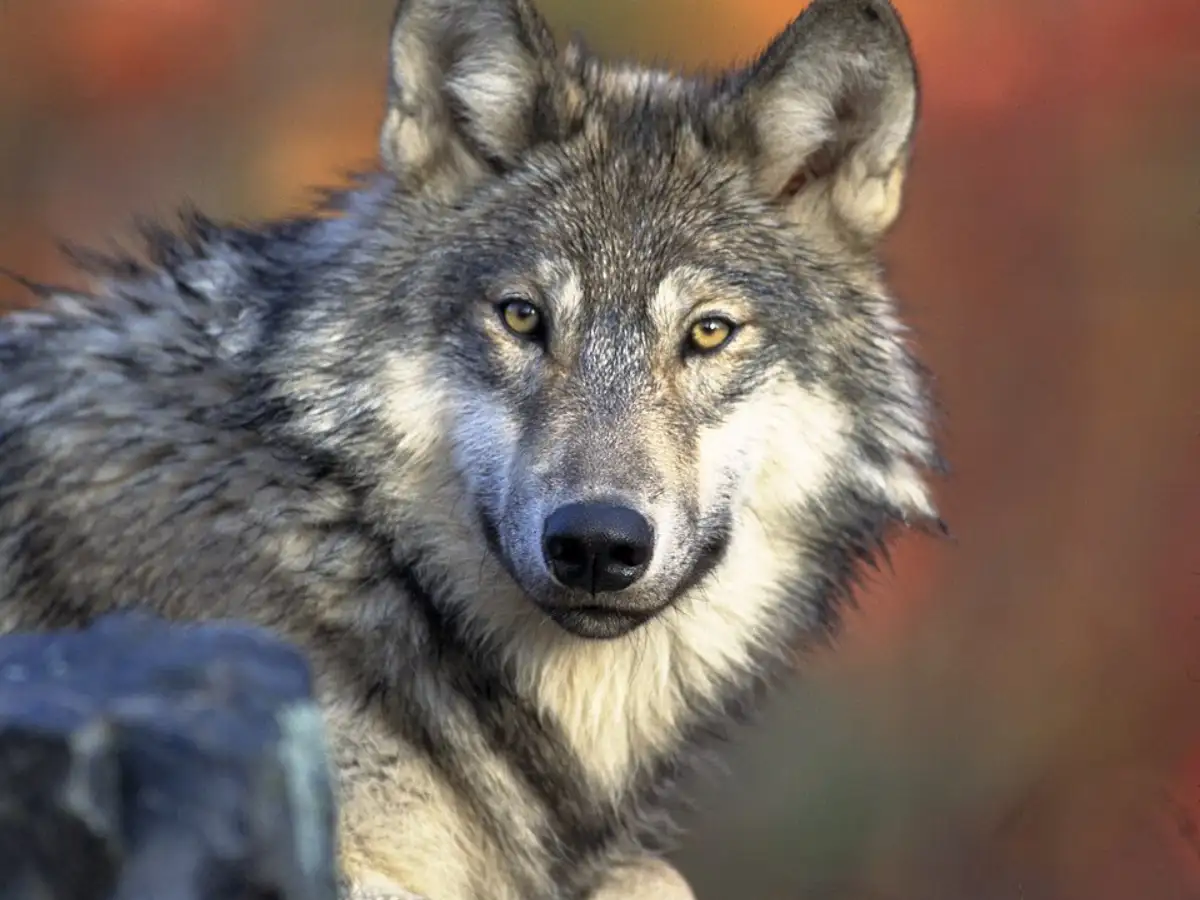
A lone wolf in Switzerland has surprised wildlife researchers after making a journey that seemed almost impossible. Tracked through a GPS collar, the wolf known as M637 crossed Lake Lucerne by swimming through freezing water, giving scientists a rare look at how wolves navigate modern landscapes. The unusual movement was recorded in February 2026 and has become a remarkable example of how technology can reveal hidden animal behavior.
The discovery has raised new questions about how far wolves will go when searching for territory, food, and a place to settle.
Wildlife researchers in Switzerland recorded an extraordinary event when a GPS-tracked wolf appeared to choose a freezing lake crossing instead of traveling around the shoreline. The male wolf, identified as M637, swam across Lake Lucerne on February 13, 2026, traveling around 0.93 miles (1.5 kilometers) through water that was only about 41°F (5°C).
The journey was captured through tracking data analyzed by the KORA Foundation and is believed to be the first confirmed case of a wolf swimming across this Swiss lake, as per a report by Eco News and KORA.
For experts, the moment was not just unusual. It showed how wolves can make unexpected choices while moving through landscapes shaped by roads, towns, and human activity.
Why did the wolf choose the lake route?
According to movement data shared by Lucerne canton officials, M637 entered the lake near Küssnacht and emerged on the opposite side rather than taking a longer route around the shoreline.
The GPS collar suggested that the wolf spent around 90 minutes in open water, depending on swimming speed and currents.
M637 had been fitted with the collar in October 2025. Since then, researchers tracked his movements from the Jura region in Vaud across the Swiss Plateau, into Emmental, through the canton of Zug, and back again.
The data revealed a direct line across Lake Lucerne, including a location point in the middle of the lake. That detail helped researchers determine the wolf likely completed the crossing by swimming, as per a report by Eco News and KORA.
How do young wolves behave when they leave their packs?
M637 is estimated to be around 3 to 4 years old, which is the age when many wolves leave their birth packs and begin searching for new territory and potential mates.
This stage, known as dispersal, often pushes wolves into unfamiliar areas. During this period, they may travel long distances and encounter challenges such as highways, settlements, and other animals.
From the wolf’s perspective, crossing the lake may have actually been the simpler option. A shoreline route could mean passing through villages, meeting dogs, or crossing busy roads.
The cold water created a risk, but the lake may have provided a faster and quieter path.
What did the GPS collar reveal?
Tracking technology has allowed researchers to observe animal behavior that would otherwise remain hidden. GPS collars do not provide constant live updates like a phone map. Locations can arrive at different times, and tracking gaps may happen because of terrain or satellite issues.
However, the Lake Lucerne data stood out because the collar recorded a point far from shore. For scientists, that was strong evidence that M637 had entered the water and completed the crossing.
KORA biologist Flurin Kunz told Swiss public broadcaster SRF that while this was the first documented wolf lake crossing in Switzerland, it may not be completely unusual. “In theory, dogs could also swim this distance,” he said.
Are wolves becoming more common in Switzerland?
The unusual swim comes as wolves continue to expand their presence in Switzerland. Wolves naturally returned to the country in 1996 after being absent for about a century. The first confirmed pack was recorded in 2012 in the Calanda region.
According to KORA’s monitoring, 43 wolf packs were confirmed in Switzerland during the 2025-2026 monitoring year, with 152 pups observed. As wolf populations grow, discussions continue around livestock protection, wildlife management, and coexistence.
The story of M637 adds another layer to that conversation. The wolf did not simply move across land — it crossed water, borders, and human-made obstacles while navigating a crowded country, as per a report by Eco News and KORA.
What happens next for M637?
M637’s journey is still being followed by researchers. Updates from KORA showed that by March 25, 2026, the wolf had left the Lamoura area in France and returned to Switzerland, reaching the Entlebuch region.
Whether he eventually settles after finding a mate or continues roaming remains unknown. The GPS data have captured a rare moment: a wolf turning a Swiss lake into a path forward.
FAQs
Which wolf crossed Lake Lucerne?
A male wolf called M637.
How far did it swim?
About 1.5 kilometers.