
What is it?
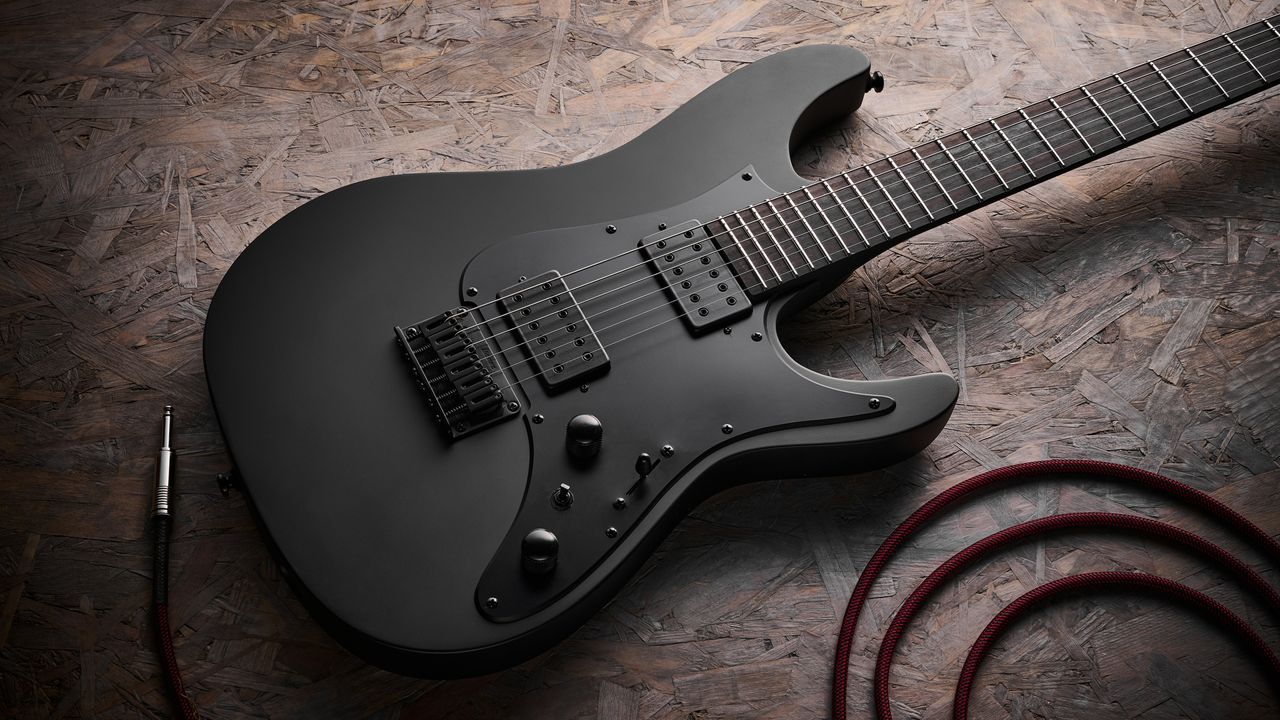
The Ibanez Iron Label range is unashamedly all about producing metal guitars for those who want to get heavy and shred. Launched in 2013, the ethos is strip back anything non-essential, prioritise performance, and of course, that all-black everything aesthetic. The Ibanez Iron Label AZ41B1, however, represents a slight deviation from the ultra-aggressive ethics of previous Iron Label guitars.
It’s the first Iron Label instrument to take the form of an AZ guitar, which is a bit less aggressive than the RG, S, and Xiphos models we’ve seen previously. That means some more modern features like the Super All Access Neck Joint and a much chunkier Oval ‘C’ neck profile - what you’d typically expect to find on the more rock/fusion orientated models - meet the hard tail bridge, stainless steel frets, and dual humbuckers.
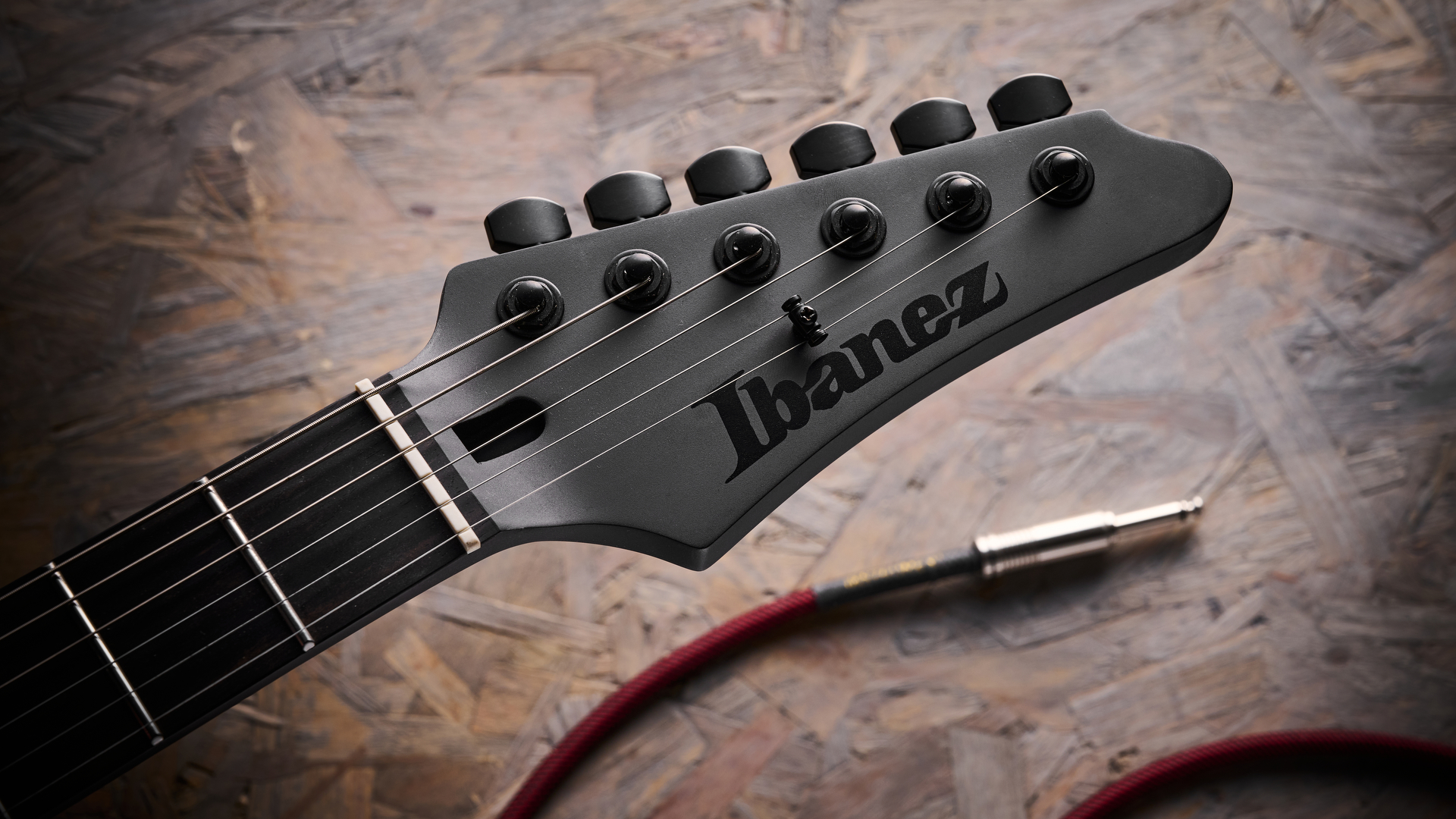
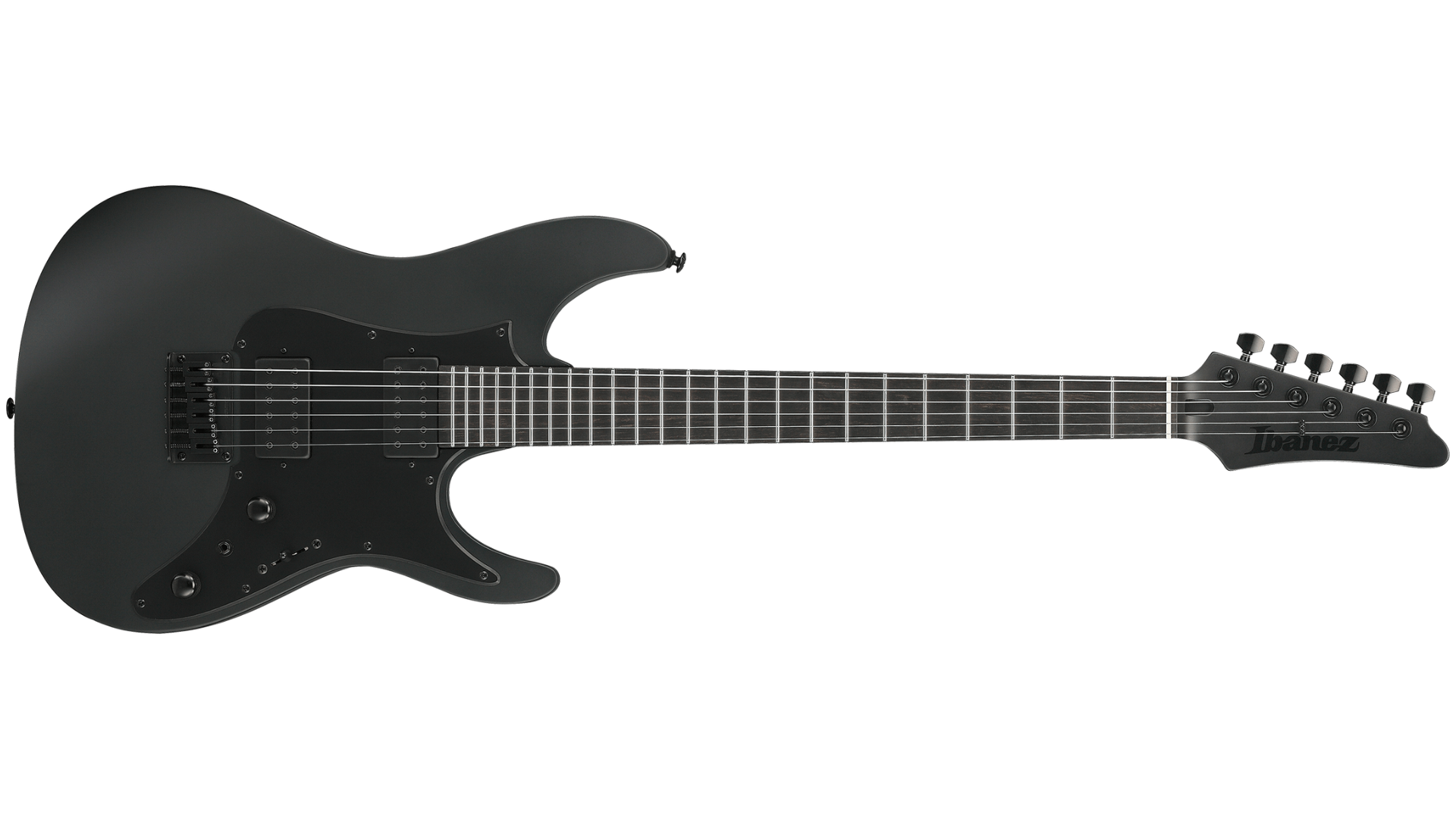
The AZ41B1 has an S-style American basswood body, finished in a satin black. It’s a roasted maple neck attached via four offset screws, with an ebony fretboard and 24 stainless steel frets. It’s a 12-inch radius with a GraphTech nut at the top. Gotoh MG-T locking tuners adorn the headstock, while at the other end, an Ibanez F106 hardtail, strings through the body bridge, acts as the anchor point.
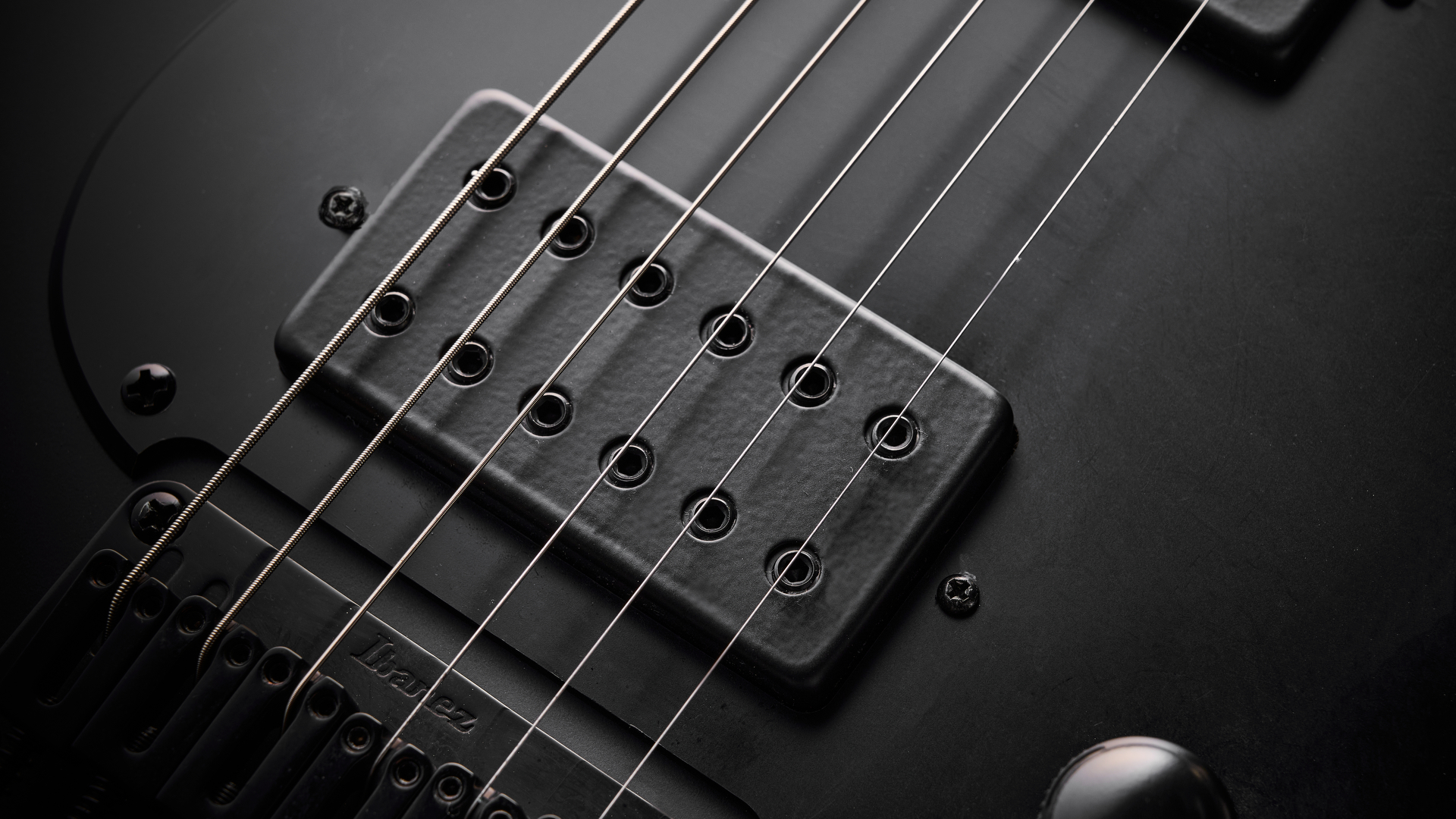
The two DiMarzio Fusion Edge humbuckers are controlled by a 5-way pickup selector and an alternate switch that unlocks Ibanez’s ‘Power Tap’ function, which allows bass frequencies to pass through both coils but limits the high frequencies to one, delivering better split coil tones. You can apply these in each position, which gives you a total of ten different pickup configurations. A single volume and tone control completes the electronics layout.
Specs
- Launch price: $1,099.99 | £949 | €1,079
- Made: Indonesia
- Type: Six-string electric guitar
- Body: American basswood
- Neck: Roasted maple / Oval ‘C’
- Fingerboard: Ebony
- Scale length: 25.5”/ 647.7mm
- Nut/width: Graph Tech / 41.9mm
- Frets: 24, jumbo, stainless steel
- Hardware: Gotoh MG-T locking, Ibanez F106
- String spacing at bridge: 52.9mm
- Electrics: 2x DiMarzio Fusion Edge, master volume, master tone, 5-way blade switch
- Weight: 6.83 lbs / 3.1 kg
- Left-handed options: N/A
- Finishes: Black Flat
- Case: No
- Contact: Ibanez
Build quality
Build quality rating: ★★★★½
Performing a close inspection of the guitar, the only thing I can see aesthetically out of place is a slightly jagged cut where the pickguard meets the body on the bass side of the fretboard
Pulling the AZ41B1 out of its box, the all-black design makes it clear what its intended purpose is. Literally everything is black, even down to the Ibanez logo on the headstock, which makes it difficult to read at certain angles and distances. I certainly appreciate the commitment to making everything as dark as possible. The only tiny splashes of color are the side dots on the fretboard, the stainless steel frets, the strings, and the thumb screws on the locking tuners.
Performing a close inspection of the guitar, the only thing I can see aesthetically out of place is a slightly jagged cut where the pickguard meets the body on the bass side of the fretboard. It’s absolutely tiny, though, and only visible with my nose pretty much up against the guitar.
That aside, it’s perfectly finished in every way, which is all the more impressive given how easy it is to mark a matte black finish. Case in point, once I was done with my inspection, there were plenty of fingerprints and marks on the guitar, and I can already envision what a nightmare it will be to keep this guitar looking clean, especially when gigging.
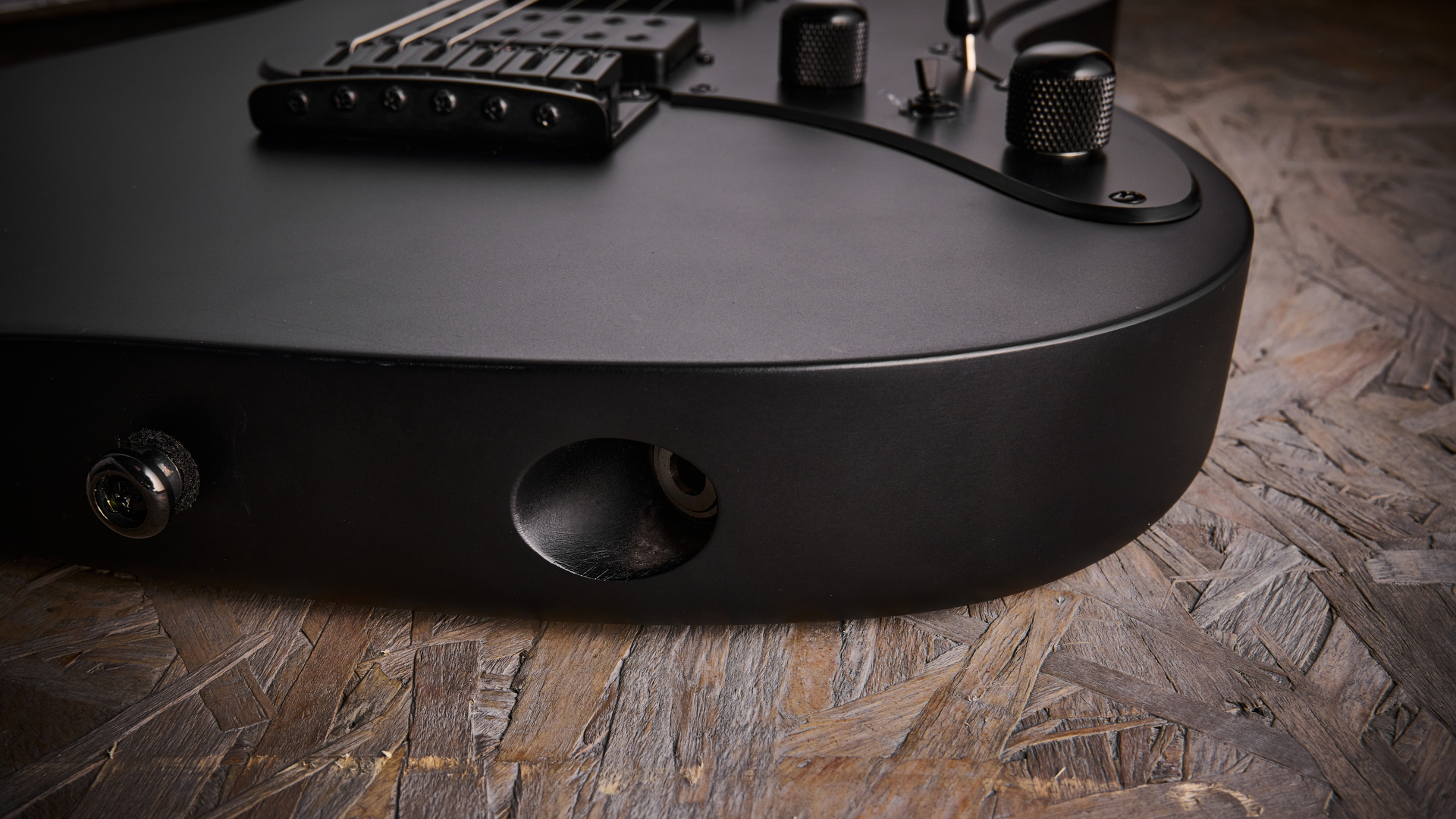
Unfortunately, while great for playing standing up, it means I can't get an angled cable, nor the transmitter of my Boss wireless guitar system into the output jack
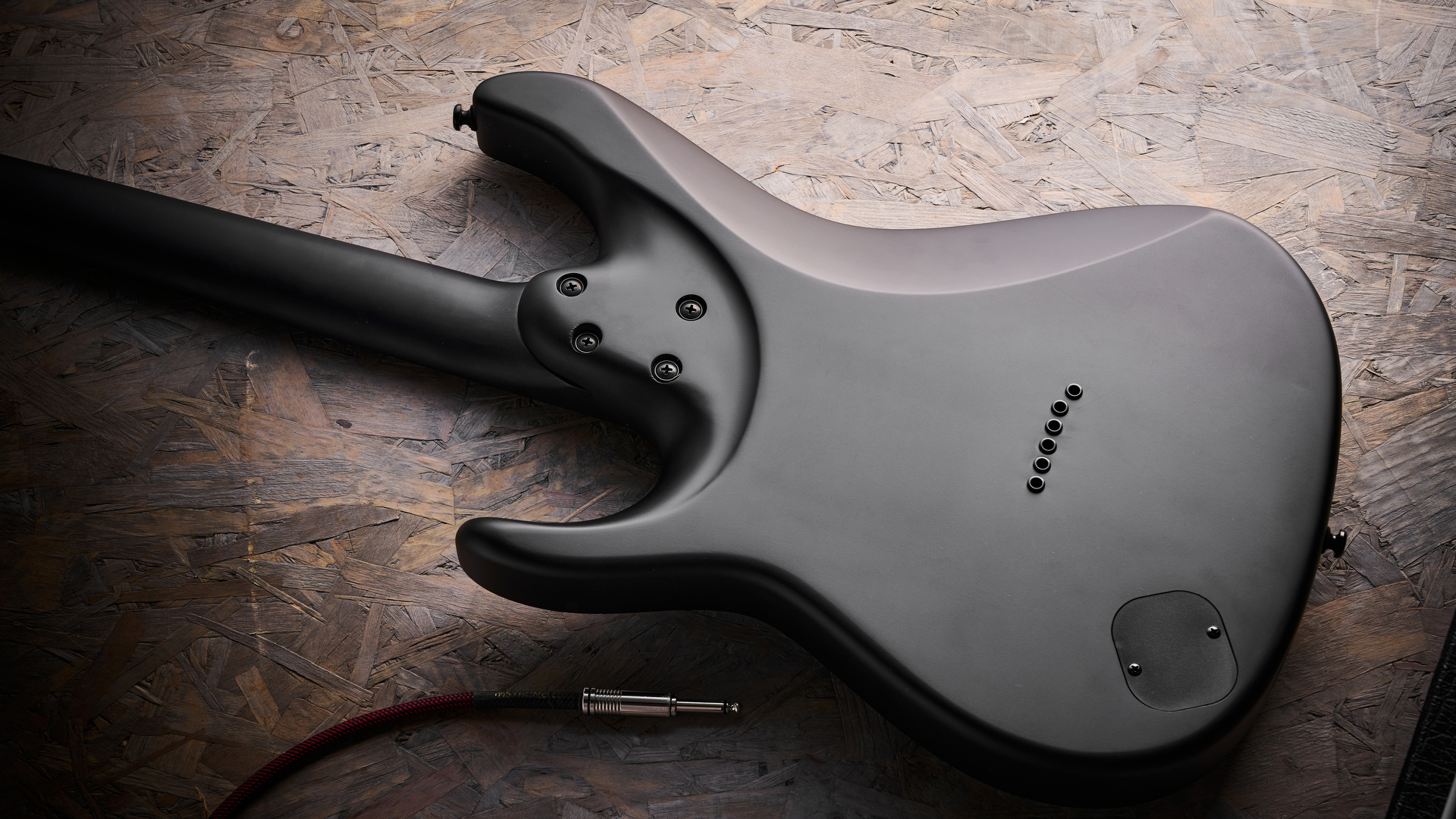
On the back side of the body there are a few interesting flourishes. The low E-string ferrule is slightly further back than the rest, which helps those downtuning by ensuring that even if you’ve got the saddle pushed all the way to the back of the bridge, there’s still a break angle. Interestingly, there’s no cavity on the back for the main electronics, so in order to access these, you’d need to take the whole pickguard off along with the strings.
There is a small plastic cover for the output jack wiring, which is positioned higher up on the body than is typical, angled upwards to make it more ergonomic for wrapping your guitar cable around your guitar strap. Unfortunately, while great for playing standing up, it means I can't get an angled cable, nor the transmitter of my Boss wireless guitar system into the output jack. Also, I can't lean the guitar against a desk when not in use, as the cable prevents it from sitting upright.
On a more positive note, the knobs offer a firm travel when turning, and the switches are all solidly applied, completing what is a very well put-together instrument indeed.
Playability
Playability rating: ★★★★½
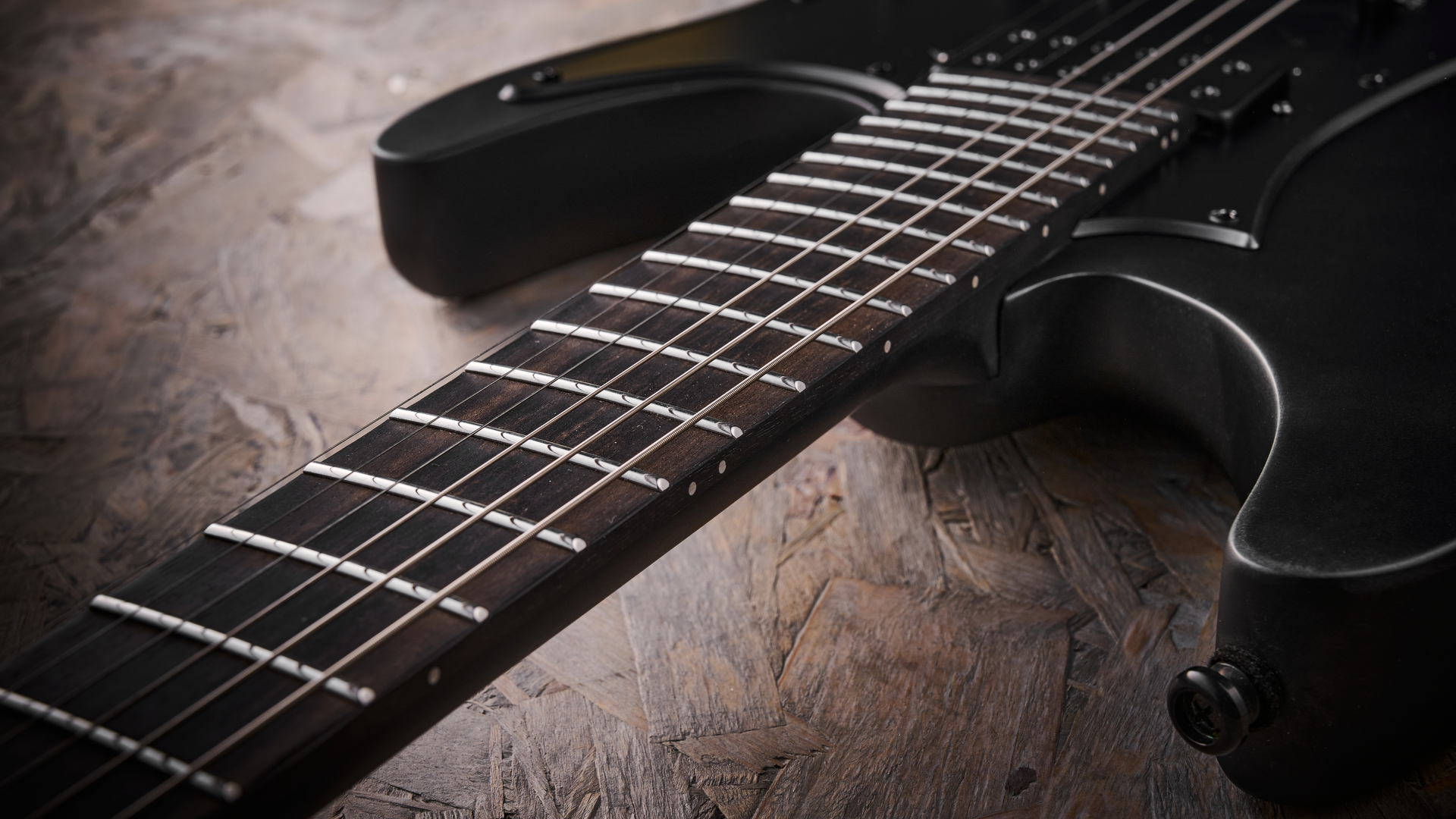
The neck is a decidedly thicker affair than the super slinky shred necks the brand is known for
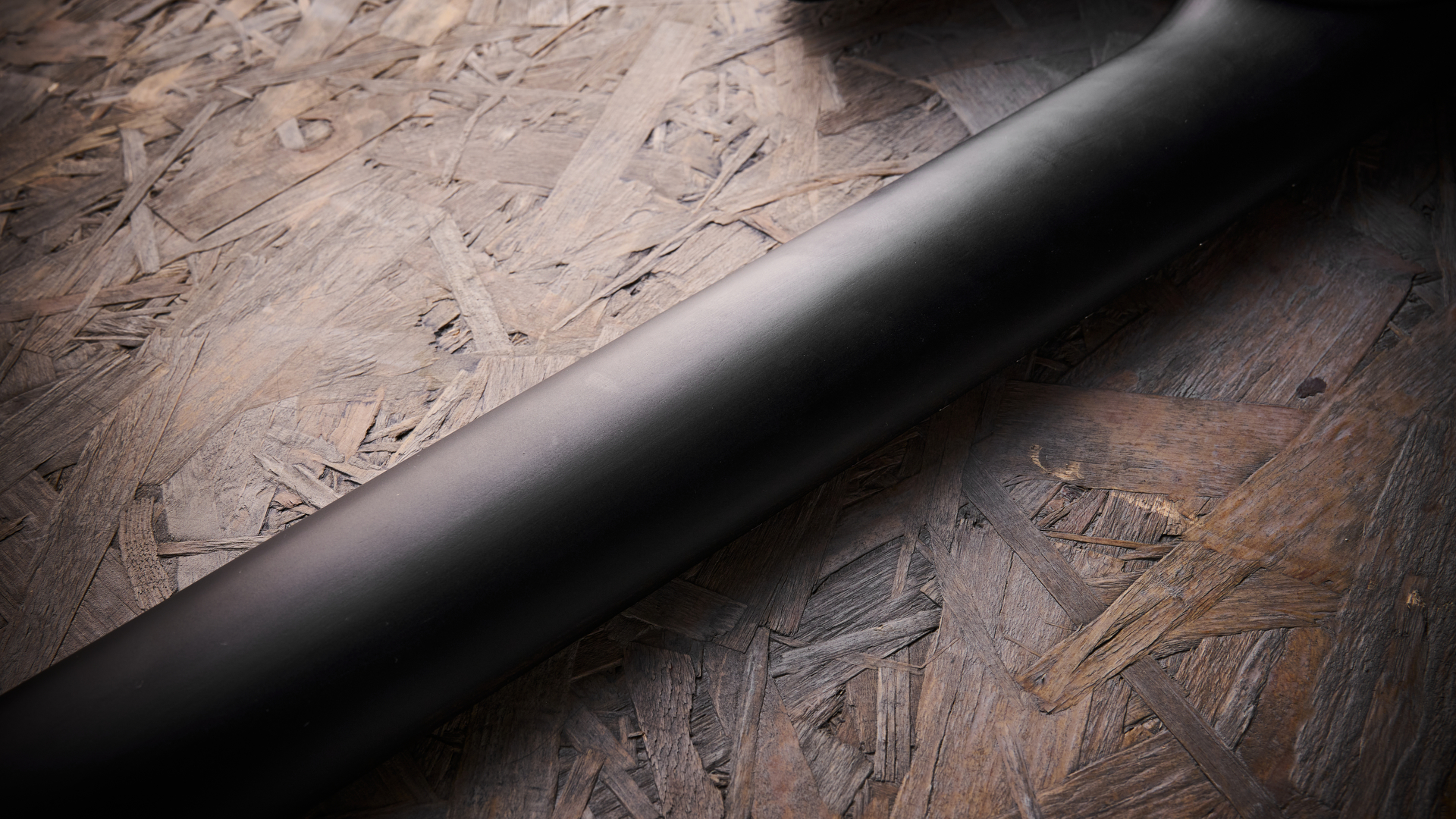
I’ve owned a couple of Ibanez RG guitars, so I was pretty surprised when I sat down to play the AZ41B1 unplugged. The neck is a decidedly thicker affair than the super slinky shred necks the brand is known for, but it wasn’t an unpleasant one. I generally prefer something with a bit more heft to it.
The Oval ‘C’ profile is a very comfortable all-rounder, with the rounded shoulders paying homage to the ‘D’ profile of the Ibanez Wizard necks but feeling much fuller in my hand overall. Playing some power chords and open chords feels great, and the satin finish ensures that it’s smooth when moving my hand up and down the fretboard.
Moving to some lead work, the action feels a little high, and pulling out my ruler, I measure it at 2mm at the 12th fret with my finger on the 1st fret. It’s a quick adjustment to get it lower, but I’d have expected a guitar geared towards metal to come with a much lower action out of the box. The neck relief looks good, so I adjust it at the saddle to get the guitar playing a lot faster.
The jumbo, stainless steel frets feel fantastic to bend against, and with the action lower, those three-note per string legato licks fly on the ebony fingerboard. There are no fret markers, so it’s easy to lose your way higher up, particularly as I usually play a 22-fret guitar. But, after an initial adjustment period, I soon find myself able to wing my way through my usual arsenal of lead licks, and the guitar accommodates everything from bluesy bends to sweep-picked diminished arpeggios.
Sounds
Sounds rating: ★★★★½
Plugging into a Fender '64 Princeton Reverb reissue tube amp, I’m initially very surprised by the character of the humbuckers. It’s not the super-compressed, surgical feel I expect from a modern metal machine; instead, I’m greeted by very organic-sounding, sweet clean tones.
Starting in the neck position, there are bags of articulate clarity, although with the volume on 3 on the amp, I do need to roll off the volume knob on the guitar a touch to get it completely clean, as there’s a fair bit of output. Moving to position 2, it’s very much that SSS Strat type sound, bright and thin, but it never verges on brittle. Position 3 puts both coils of both humbuckers on, which delivers a nice balance of spanky high end and low end warmth, without ever feeling overbearing on either side.
Position 4 delivers a similar sound to position 2, and ends up being my least favorite. It’s smoother than position 2 and sounds great with open chords, but there’s a touch of brittle high end when I dig in on lead work. Position 5 is a return to form though, delivering plenty of round warmth in the lows while still retaining clarity and cut for lead work.
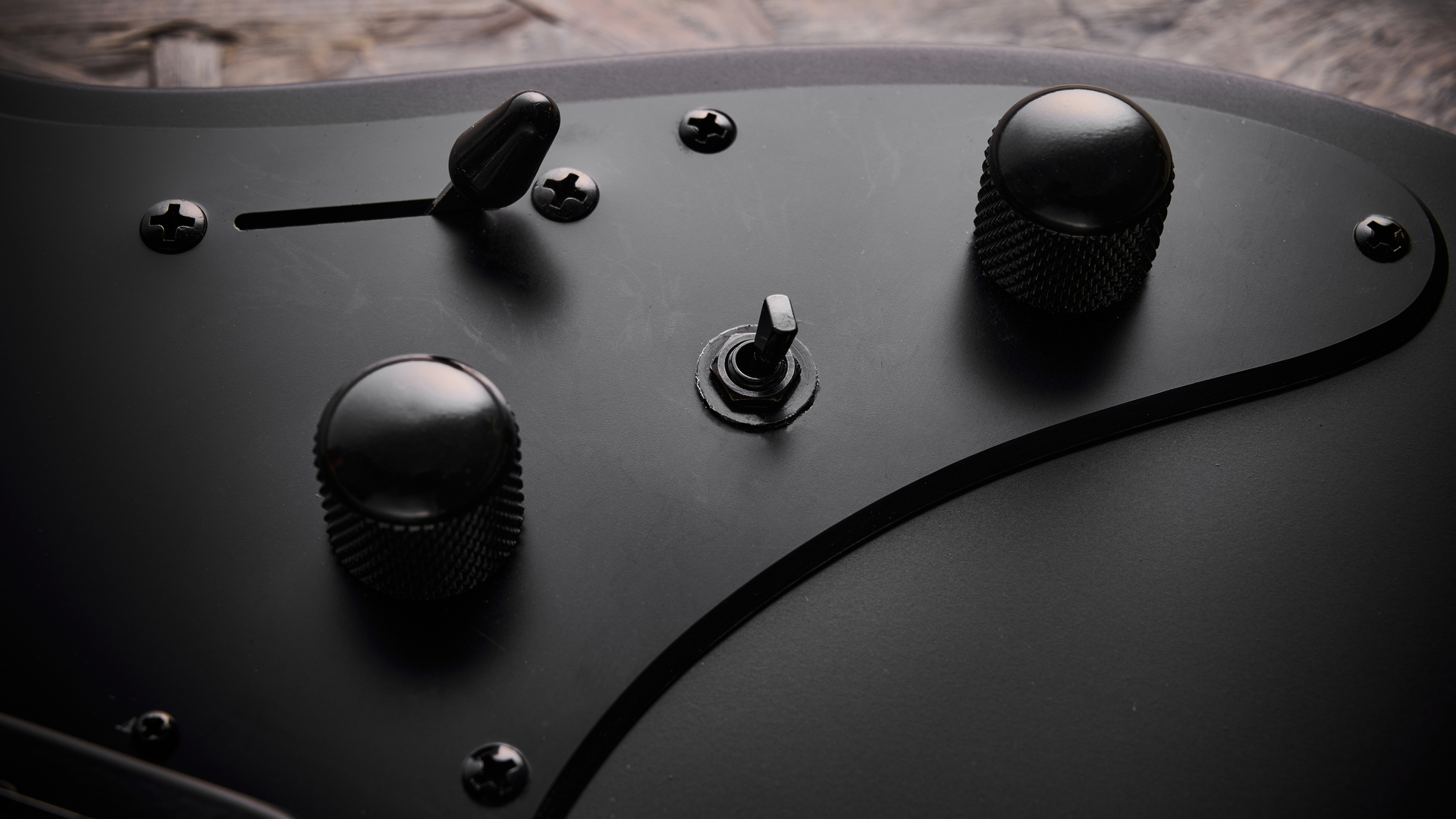
It’s chug city on the bridge humbucker
Switching to something a little better suited to this type of guitar, I bring out Nolly’s Neural DSP plugin and its 5150 simulation to see how the AZ41B1 feels with a metal amp. Needless to say, it excels in all departments. Digging in with open notes and alternating power chords sounds glorious, with a nice, tight bottom end, hefty midrange, and articulation in the highs.
It’s chug city on the bridge humbucker, and there’s some lovely extra warmth and thickness when I switch to the neck position for some lead work. Those in between sounds? Not quite as nice with this much gain piled onto them, so I end up skipping through those as I test each of the sounds.
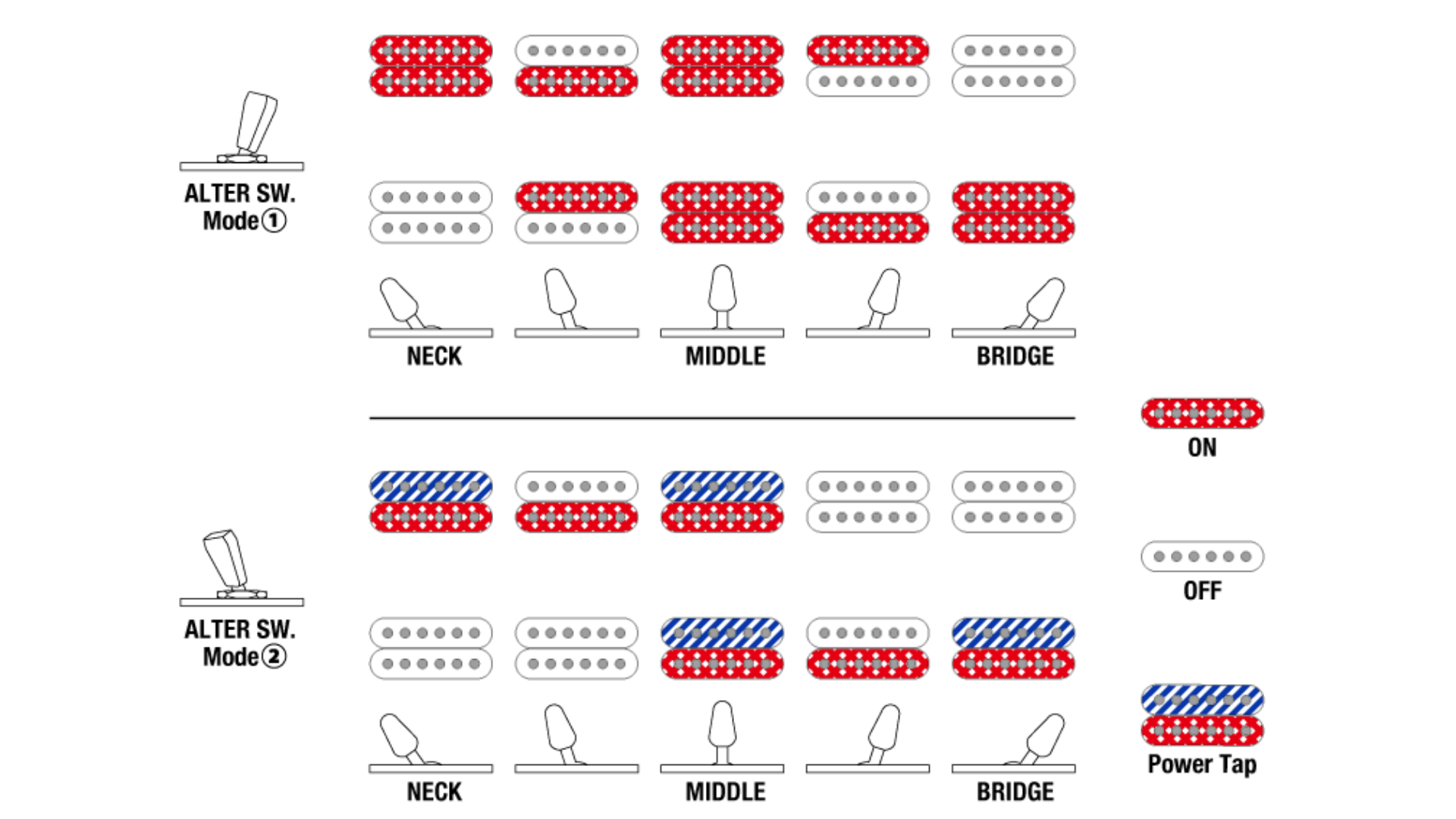
The AZ41B1 also features five other pickup configurations accessed via the Alter Switch between the volume and tone knobs. These offer some interesting tone combos by mixing power tapped coils with regular ones, giving a great variety of sounds. I liked some of these better than others, and to my ear, they sounded better on the clean amp than through anything high gain.
While some of them fall into ‘nice to have’, I did find the power tap in positions 1 and 5 was really nice on the clean amp, delivering a sort of hybrid single coil sound with a bit more oomph than what you’d expect from a traditional single coil pickup. It also unlocks a single coil of each humbucker on its own in positions 2 and 4, which sounds a little sweeter than the regular position, where a coil from each humbucker is active.
Verdict
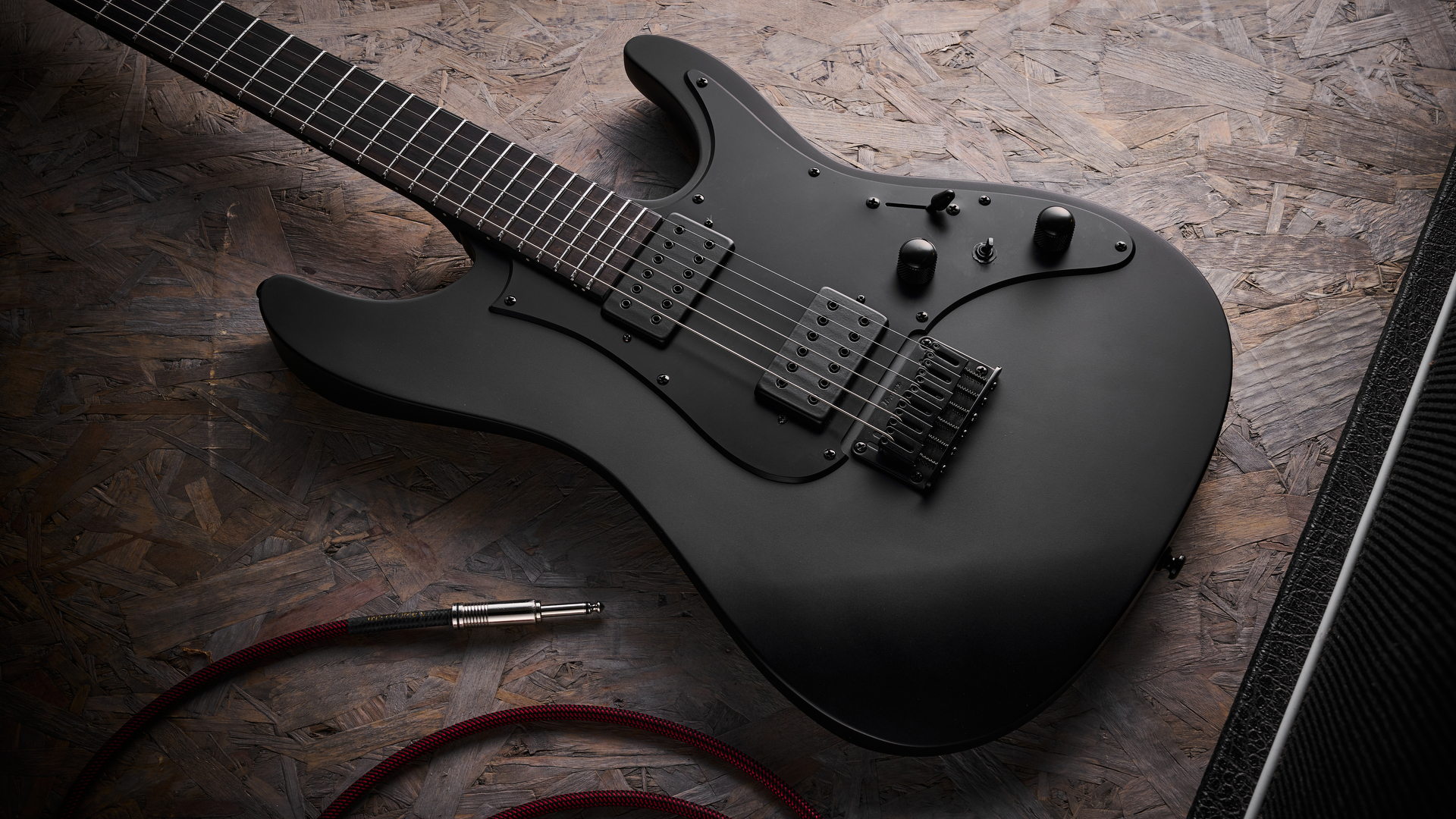
As someone who loves heavy music, I expected to enjoy the tones of the Ibanez Iron Label AZ41B1, but it definitely caught me off guard with its versatility. If you like that style, then it very much looks like the epitome of a metal guitar, but you could realistically take this to any kind of gig, and it will do the job for you.
Some players expecting that typical Ibanez shred neck might feel a little disappointed
Some players expecting that typical Ibanez shred neck might feel a little disappointed that this isn’t the case here. The neck is definitely heftier than you might expect, aimed at making it a little more of an all-rounder rather than a true shred guitar. I was surprised that the action was so high as well, considering it’s part of the Iron Label series aimed at heavy and fast playing. This was fairly simple to rectify, however.
Guitar World verdict: The Ibanez Iron Label AZ41B1 honestly surprised me with just how versatile it is, especially with its very heavy metal lineage in mind. It delivers a superb array of tones that can handle everything from crushing modern metal to funky spank, all with an organic feel that never gets too surgical, but can still handle itself when ladled with high gain. Add in a superbly playable neck (once the action was lowered), and you have a real sleeper guitar that can chug with the best but still has enough versatility to play a majority of roles.
Test |
Results |
Score |
|---|---|---|
Build quality |
Incredibly well put together with only one tiny cosmetic flaw and jack design not everyone will find practical. |
★★★★½ |
Playability |
Superb once the action was set right, but some players might be hoping for a thinner neck |
★★★★½ |
Sounds |
Surprisingly versatile, capable of everything from the heaviest chugs to organic clean tones |
★★★★½ |
Overall |
A genuinely brilliant guitar that can do far more than its heavy metal aesthetic suggests |
★★★★½ |