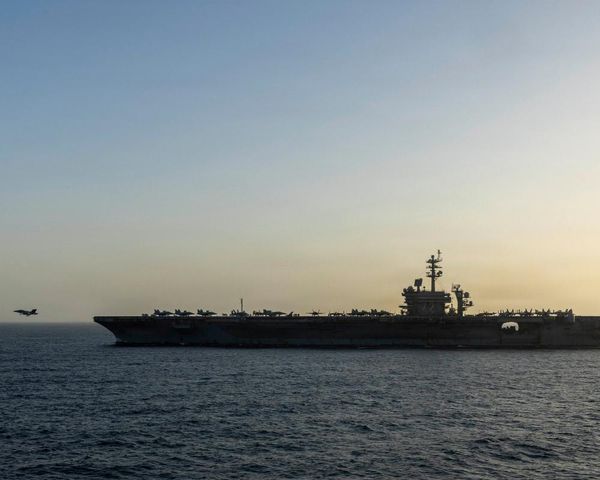
In May 1845, 129 British sailors set sail into the Arctic, never to be seen alive again. Their goal: to navigate the North-west Passage, the legendary sea route through the Canadian Arctic linking the Atlantic and Pacific oceans. The expedition, led by Sir John Franklin on board two ships, HMS Erebus and HMS Terror, ended in one of the worst disasters in polar exploration history, with the death of all 129 crew members.
Almost 180 years later, today, DNA science is doing what 19th-century search parties could not: put names to the men who died there.
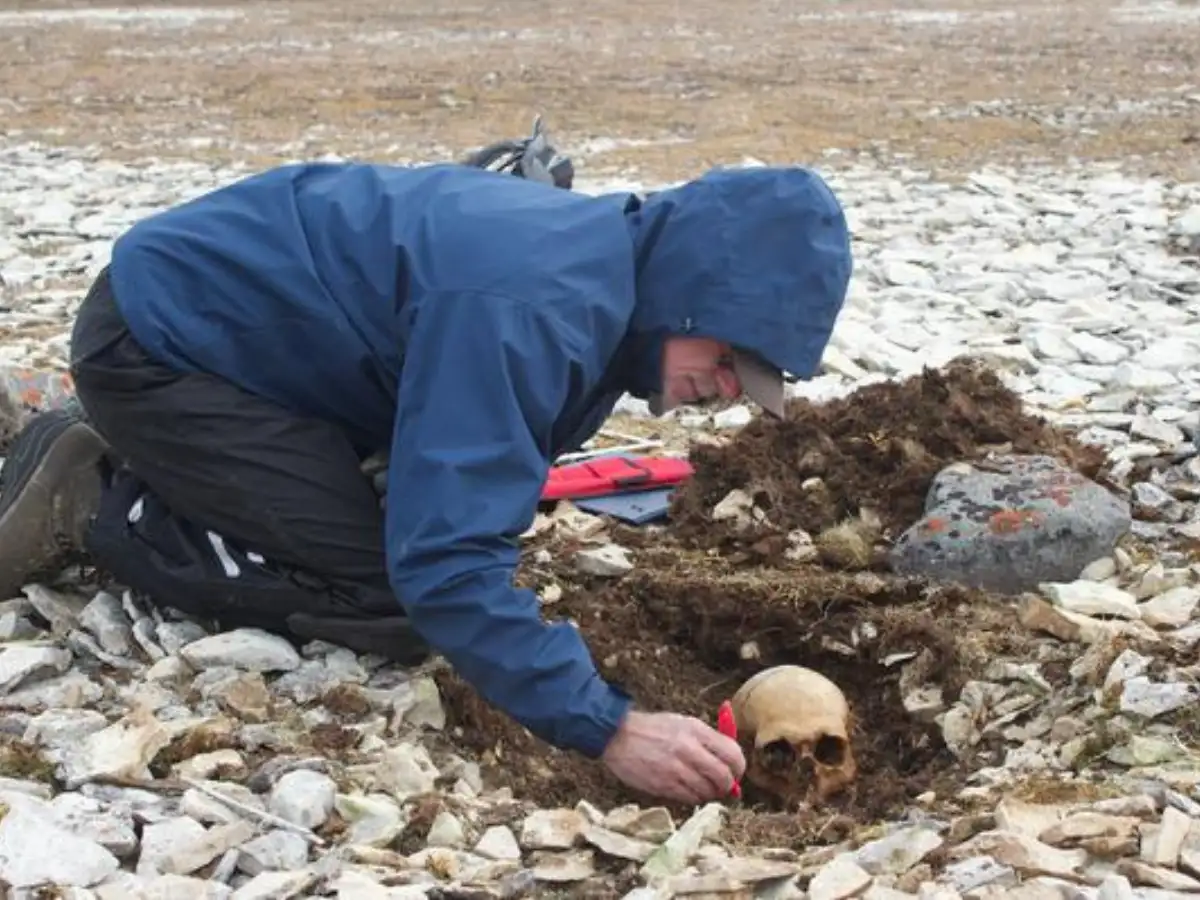
According to a peer-reviewed study, “DNA identifications of three 1845 Franklin expedition sailors from HMS Erebus,” published in the Journal of Archaeological Science: Reports by the anthropologists at the University of Waterloo, DNA from skeletal remains matched samples donated by living descendants, identifying four more sailors by name. That brings the total number of crew members identified to six.
What actually happened out there?
To understand why this is important, you need to know how complete the disaster was.
The two ships became trapped in ice off King William Island, in what is now Canada’s territory of Nunavut, and the crew was forced to spend two winters locked in the pack ice. Franklin died on June 11, 1847. On April 22, 1848, the surviving 105 men abandoned the ships and began to walk, walking and dragging boats on sleds, in a desperate attempt to reach the Canadian mainland. According to Live Science, all of them died along the way.
Since the mid-1800s, remains have been found scattered across King William Island and the Adelaide Peninsula, but for most of history, those bones had no names.