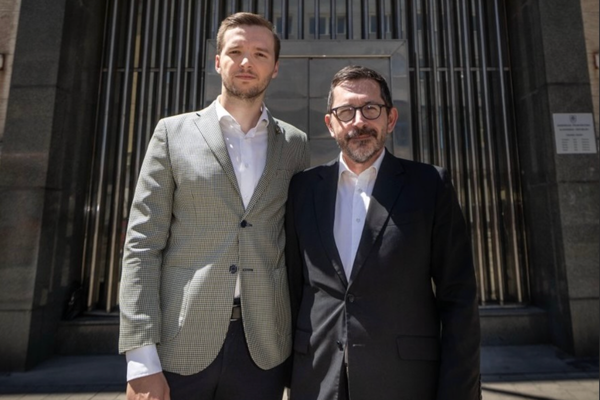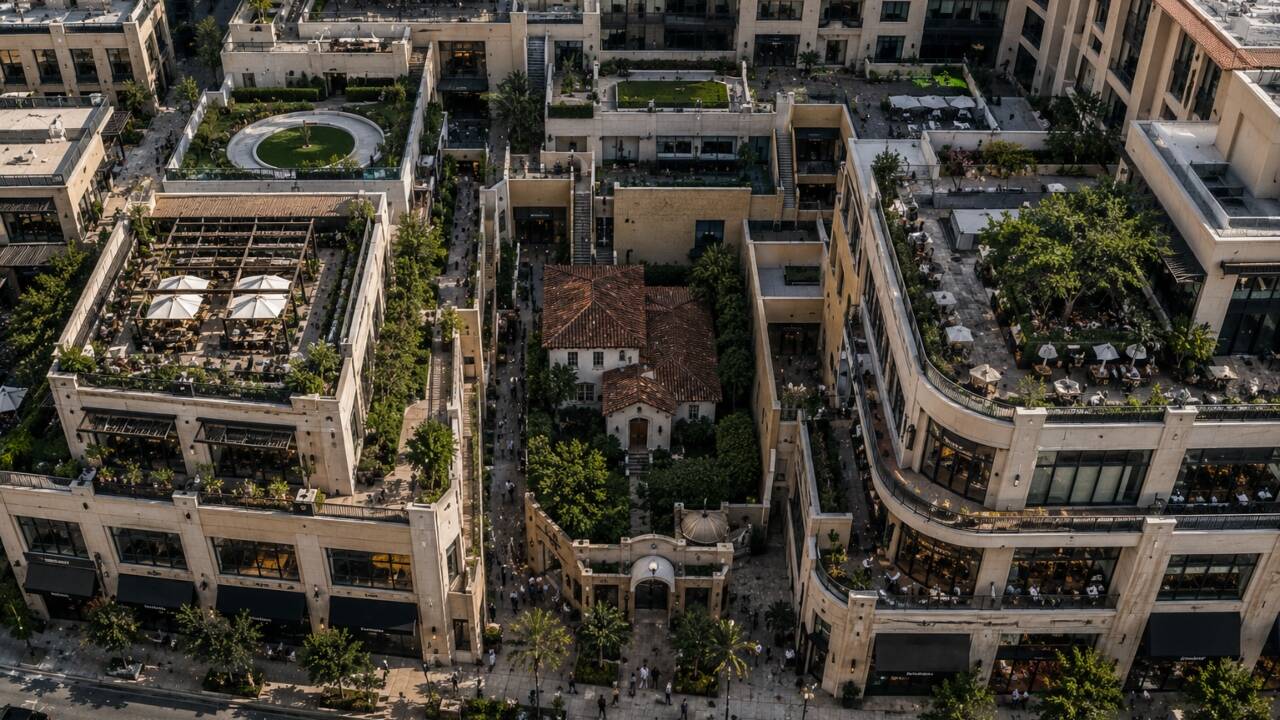
For more than two decades, Orlando Capote has held his ground against one of the largest commercial development projects in Florida’s Coral Gables. Today, his modest Mediterranean-style home sits amid office buildings, parking garages and a 14-storey hotel, where an open neighbourhood once stood. According to NPR, the transformation of the neighbourhood has left his house in near-permanent shadow for most of the year, with trees struggling to survive and even the family’s longtime mango tree no longer bearing fruit. What began as a refusal to sell his parents’ home has made Capote the lone holdout against Coral Gables’ biggest development.
Get breaking news anytime, anywhere. Download the TOI app now!
Capote refused to sell his family home
Orlando Capote’s parents, who were Cuban immigrants, purchased the two-bedroom house in 1989, and it became the centre of the family’s life. The article published by NPR noted that the dispute began in 2004, when a developer started buying properties across the neighbourhood to assemble land for a huge mixed-use project. At the time, Capote’s father was ill, and the family declined the offer to sell; shortly afterwards, Florida’s housing market crashed, thus halting redevelopment for several years. While speaking to NPR, the Florida resident shared that eventually another developer, Agave Holdings, revived the project, and the company’s representative repeatedly persuaded Capote to leave. They even reportedly offered to swap his home for another property nearby along with a car and $500,000. He refused every offer, arguing that the memories tied to the house were worth more than any financial offer.
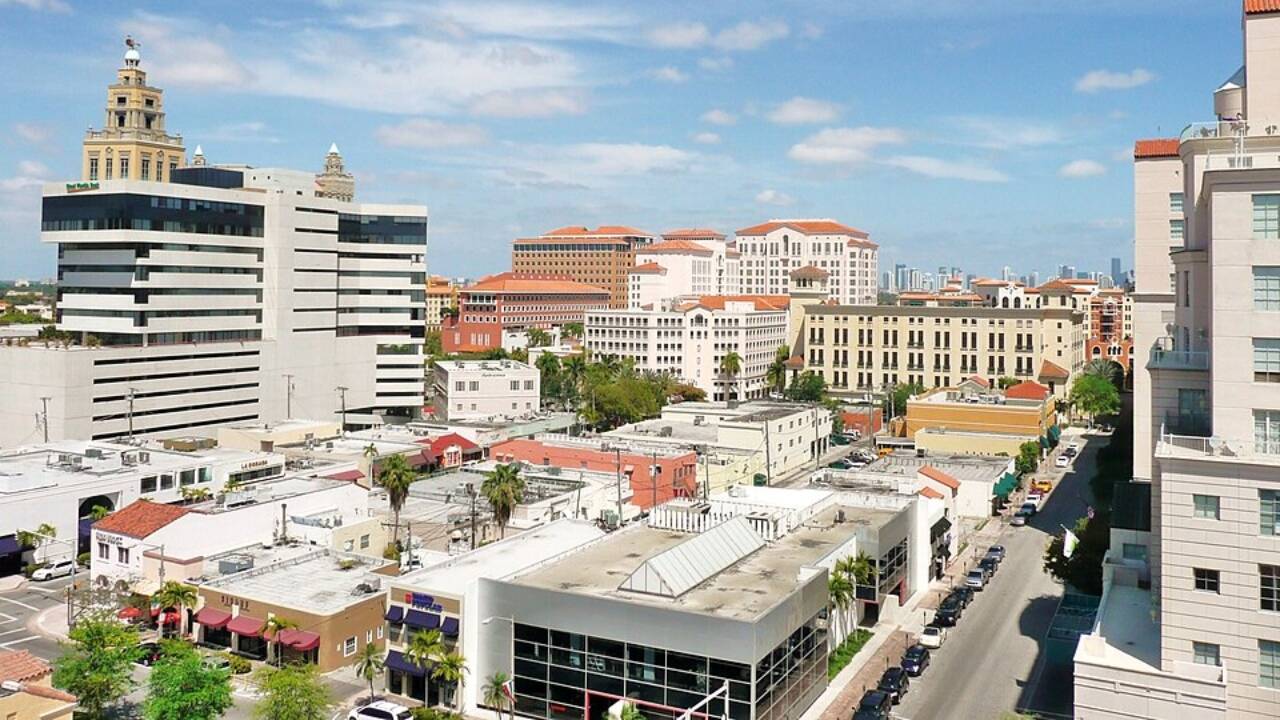
Eventually, construction gradually swallowed the area, with every surrounding house being demolished, leaving Capote's property isolated inside what became The Plaza Coral Gables, a $600 million, one-million-square-foot mixed-use development comprising offices, retail space, restaurants and the Loews Coral Gables Hotel. CBS News reported it to be the largest commercial development in Coral Gables’ history. While the complex transformed the area, Capote’s home remained untouched.
Life inside the completed development
In their article, NPR noted that life inside the completed development has become increasingly difficult for Capote and his family, the surrounding high-rise buildings now blocking most of the natural sunlight that once reached the property. The trees and shrubs have begun dying, while the family’s mango tree has stopped producing fruit. Access to the house has also changed with the development, as visitors must now navigate through the commercial complex before reaching an unmarked alley leading to Capote’s backyard. Additionally, decorative planters have been installed opposite the house near the hotel entrance, which Capote believes further obscures the property from public view.
The dispute has now extended beyond property ownership . The Florida resident told NPR that during construction, prolonged street closures had left emergency access to his home inadequate. He said that during the construction of the plaza, when his elderly mother fell and needed medical assistance, responders had to carry her on a stretcher more than 200 feet to reach the emergency vehicle because construction blocked closer access. According to NPR, Capote has also challenged code-enforcement citations involving vegetation and property maintenance, alleging that the city enforced regulations in ways that benefited the developer. Coral Gables officials have, however, rejected those allegations, citing that code enforcement has followed established procedures and that no property lien currently exists against the home.
As per NPR, Coral Gables had long promoted itself as one of Florida’s best-planned communities, known for Mediterranean Revival architecture and strict zoning standards. Furthermore, Mayor Vince Lago has acknowledged that Capote now finds himself in a difficult position but says that both the homeowner and the surrounding development must eventually find a way to coexist peacefully. Despite living in near isolation, Orlando Capote says he has no intention of leaving because the house means more to him than real estate.