A Community Destroyed with No Warning
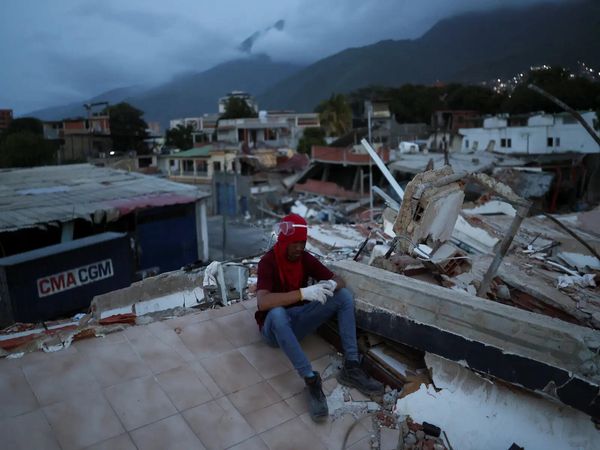
On July 13, 2026, a fast-moving wildfire overwhelmed Namaygoosisagagun First Nation — also known as Collins First Nation — in northwestern Ontario. Within less than an hour of flames jumping natural fire breaks, much of the community was destroyed. Residents evacuated by boat, escaping with little time to gather belongings.
Chief Helen Paavola later told the Assembly of First Nations that her community was destroyed without warning from any ministry and without assistance from anyone.
No advance alert. No early warning from provincial authorities. No pre-positioned support. Just fire.
The destruction of Namaygoosisagagun is the most visceral example of what the 2026 wildfire season has laid bare: Canada's wildfire emergency management system continues to fail its most vulnerable communities at the precise moments it matters most.
The Numbers That Expose the Disparity
The Namaygoosisagagun case is not an anomaly. It is a pattern documented across decades of Canadian wildfire history.
First Nations communities account for approximately 42% of all wildfire-related evacuations in Canada, while representing only about 5% of the country's total population — a staggering disproportion that reflects geography, chronic underinvestment in infrastructure, and a long history of Indigenous communities being located in remote areas with limited road access, limited firefighting infrastructure, and limited warning systems.
In 2025 alone, 44,920 people from 61 on-reserve First Nations were displaced from their homes due to wildfire. This year, Ontario officials estimate that more than 1,600 First Nations residents have already been displaced by wildfires in the 2026 season — and the season is far from over.
Mandatory evacuation orders remain in effect for multiple communities: Armstrong, Whitesand First Nation, Lac des Mille Lacs First Nation, Lac La Croix First Nation, and Gull Bay First Nation, with evacuees relocated to Thunder Bay or transported to southern Ontario.
Ontario Cut Firefighting Funds By 44% — During the Worst Week in Years
The destruction of Namaygoosisagagun coincided with a fiscal decision that has drawn sharp condemnation from Indigenous leaders, firefighting unions, and policy researchers.
Ontario's 2026-27 budget slashed the province's emergency forest firefighting allocation from the $271 million actually spent in 2025-26 to a planned $150 million — a 44 percent cut. The cut was announced in the same week that 180 wildfires were burning across Ontario, dozens of First Nations families were fleeing by boat, and the province was formally requesting federal air support because it had insufficient resources to manage the crisis.
Ontario currently has only 150 fire crews — fewer than its own internal firefighting targets. Firefighting crews have been pulled back from some active blazes because extreme fire behaviour has made direct suppression too dangerous.
The OPSEU union representing Ontario's frontline firefighters, the PIPSC scientists' organization, and a May 2026 Canadian Senate report have all called for a national firefighting authority — arguing that Canada's current response model addresses emergencies after they escalate rather than preventing escalation through proactive resource positioning. A Canadian Senate report published in May 2026 specifically called for a national wildfire authority to address what critics describe as structural underfunding.
What Federal Investment Is — and Is Not — Covering
The federal government's response to the crisis includes significant funding commitments. Ottawa has allocated $316.7 million over five years to the Canadian Interagency Forest Fire Centre for new aerial firefighting aircraft, $256 million over five years for firefighting equipment through the Fighting and Managing Wildfire in a Changing Climate Program, and $57.2 million over five years for Indigenous FireSmart programs.
The July 2026 update from the government included a $1.25 million investment for six projects to strengthen wildfire preparedness across Métis communities, and funding to train up to 38 Indigenous wildland firefighters through the Délı̨nę Got'ı̨nę Government and Chipewyan Prairie First Nation.
Parliamentary Secretary to the Minister of Indigenous Services, Ginette Lavack, said: "The floods, severe weather and wildland fires we've seen in recent weeks are another reminder that First Nations communities continue to bear the greatest impacts of climate change. As these emergencies become more frequent and more intense, our commitment remains the same: we will stand alongside First Nations."
Critics respond that standing alongside communities after they are destroyed is not the same as preventing their destruction.
Why Indigenous Communities Face Greater Risk — The Structural Reasons
A federal public health analysis of wildfire disparities identifies several interlocking reasons why First Nations communities are disproportionately harmed:
Geography and isolation. Many First Nations communities across Ontario, Manitoba, British Columbia, and the Northwest Territories are located in remote, forested regions with limited road access. When fires approach, evacuation routes may be a single road that can itself be cut off by fire.
Housing quality and infrastructure. On-reserve housing is chronically underfunded. Buildings are more likely to be older, built with materials that offer less fire resistance, and less likely to have had resources for defensible space clearing around them.
Communication gaps. Warning systems that rely on cell phone alerts or municipal infrastructure often fail in remote areas. The destruction of Namaygoosisagagun with no warning to residents is an extreme case of a well-documented systemic gap.
Loss of traditional land and knowledge. As Canada's federal public health analysis notes, wildfires restrict access to traditional land-based activities — hunting, fishing, foraging — that many First Nations communities depend on for food security and cultural continuity. Evacuation doesn't just displace people from houses — it disconnects them from their way of life.
Mental health and long-term recovery. Research on post-wildfire mental health impacts in Indigenous communities consistently finds that mental health services after wildfire events are inadequate, culturally inappropriate, and not resourced for long-term recovery. The trauma of repeated displacement is compounding across seasons.
What Needs to Change
The federal government's Emergency Management Assistance Program reimburses 100 percent of eligible response and recovery costs for First Nations affected by wildfire, which helps after a disaster occurs but does nothing to prevent a community from burning down without warning.
Indigenous leaders and wildfire policy advocates are calling for:
- Real-time wildfire monitoring technology deployed specifically in and around Indigenous communities
- Pre-positioned firefighting resources in areas with high First Nations concentrations before fire danger peaks
- Mandatory evacuation warning protocols with cultural liaisons who can communicate effectively with community members
- Long-term investment in FireSmart community preparedness programs funded at the scale the disparity demands
- Genuine expansion of Indigenous-led wildfire management capacity — not as a pilot program, but as a core component of Canada's national response
The Bottom Line
The 2026 wildfire season is not treating all Canadians equally. First Nations communities represent 5% of Canada's population but bear 42% of its wildfire evacuations. This season, a First Nation burned to the ground without warning in the same week that Ontario cut its firefighting budget by nearly half. The gap between the federal government's stated commitment to stand beside Indigenous communities and the reality experienced by Chief Paavola and the people of Namaygoosisagagun is the central story of Canada's 2026 wildfire crisis, and it will not be resolved by the next budget announcement.