
I get up bright and early at 6.15am. Today, I am duty AMHP (approved mental health professional) and will be working out of the AMHP hub in the Broadoak unit, Liverpool’s psychiatric unit, based at Broadgreen hospital.
I arrive at the hub at 8.30am and I’m greeted by Bill, who is in charge of admin and is also the hub’s most precious commodity. He’ll be busy preparing and collating the handover from the previous day and night’s activity and updating our board, ensuring that any outstanding or new referrals are listed.
I check the rota to see how many AMHPs are on today; luckily there are four, including me. Our AMHP manager, Martin, and two of the AMHPs, Suzanne and Dave, arrive.
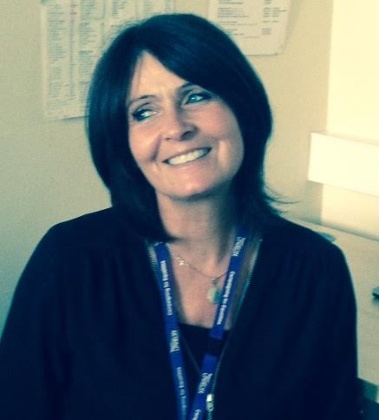
I love the AMHP hub! It’s two years old this month and has improved the way the service operates in Liverpool. Prior to the development of the hub, AMHPs operated from their respective team base, which often led to many feeling isolated and without peer support, particularly those who were newly qualified or trainees. AMHPs come from a variety of backgrounds across adult mental health services, including nursing and occupational therapy.
Hannah, our third AMHP, arrives and we begin our referral meeting. Martin is required to attend all week, conducting the morning meeting and returning in the late afternoon. My role as the duty AMHP is to make sure that the hub runs efficiently; to screen, allocate, liaise and co-ordinate referrals and, when we’re busy, to also act as an AMHP. And we can be very busy, as we work citywide and are spread across older people’s services too.
Today, we have four referrals: one from the wards, a section 136 at our local general hospital, and two from the community. One community referral has come from an out-of-hours GP and the person is known to the learning disabilities service. The other has been made by a community psychiatric nurse in one of our community teams.
Martin begins by discussing all referrals and we decide upon and prioritise the allocations. Hannah accepts the community referral of the person with a learning disability as she has experience of this client group.
Dave accepts the section 136 assessment and contacts the hospital for an update. The person has taken an overdose of medication and rang relatives to tell of her distress. She had left her house to do this in the local park and relatives informed police. Being detained under section 136 allows police to take someone to a place of safety to be assessed by professionals.
Suzanne accepts the second community referral working effectively with the psychiatric nurse and the relevant team to ensure all other routes of care and treatment are offered. Subsequently, the person is offered crisis support and an urgent medical review which has avoided a potentially distressing Mental Health Act assessment and admission to hospital.
I begin screening the ward-based assessment and conclude a patient requiring an interpreter can wait until tomorrow, when an interpreter will be in. The delay is acceptable and follows the code of practice. This now means I will be on site and available for support throughout the day and can respond to any other referrals and enquiries.
At 4.30pm Martin returns and we haven’t received any further referrals. Dave and Suzanne are present, but Hannah is still in the community, with two medical recommendations for detention under section two of the Mental Health Act (this means a person can be detained in hospital for up to 28 days for a period of assessment and treatment). However, there are no beds available. I contact the bed management team for a further update. I’m told there may be a bed this evening as a specialist bed is required in the learning disabilities sector. Shortage of beds is a problem at both a local and national level and a challenging and difficult aspect of our job.
Since the hub has been developed, the number of out-of-hours referrals has significantly reduced and has positively impacted the service. At the end of the day, Bill records all the updates and sends the referral which Hannah is unable to complete to Careline (Liverpool city council’s 24/7 social care contact centre).
It’s been an average day, and not overly busy. The hub is usually a hive of activity, discussion and debate. It is a great source of learning and peer support and reflects the obvious shared values and principles, as well as the knowledge and skills of the AMHPs who practise here. Above all, it shows our understanding of the Mental Health Act, the Mental Capacity Act, and the Human Rights Act, how they shape our practice and how they impact people’s wellbeing and liberty.
I go home just after 6pm and I’m too tired to go for a promised jog with my friend, maybe tomorrow. Tonight I’ll eat, read and sleep.
Content on this page is produced and controlled by Liverpool city council, sponsor of the adult social care hub