
The kiwi is unique: it’s a bird of personality, one that cannot fly, but that moves through the undergrowth with speed and precision, and sleeps in burrows like badgers. It fits perfectly into its habitat in the forests of New Zealand — and it could have continued to forever, had man not introduced the predators now found there.
This is why Kiwis for kiwi, supported by Old Mout Cider, has created predator-free islands off mainland New Zealand — safe havens where this endangered species can thrive.
And among those looking after these kiwi is ranger Paul O’Shea.
“As island ranger, it is my job to protect them,” he says.
“Every morning, I traverse the area by quad bike, stopping at vantage points to check up on the kiwi’s progress through various telemetry instruments. My main challenge is biosecurity, ensuring visitors don’t inadvertently bring in unwanted pests — be it rats stowed away in vehicles or seeds stuck to clothing or boots.
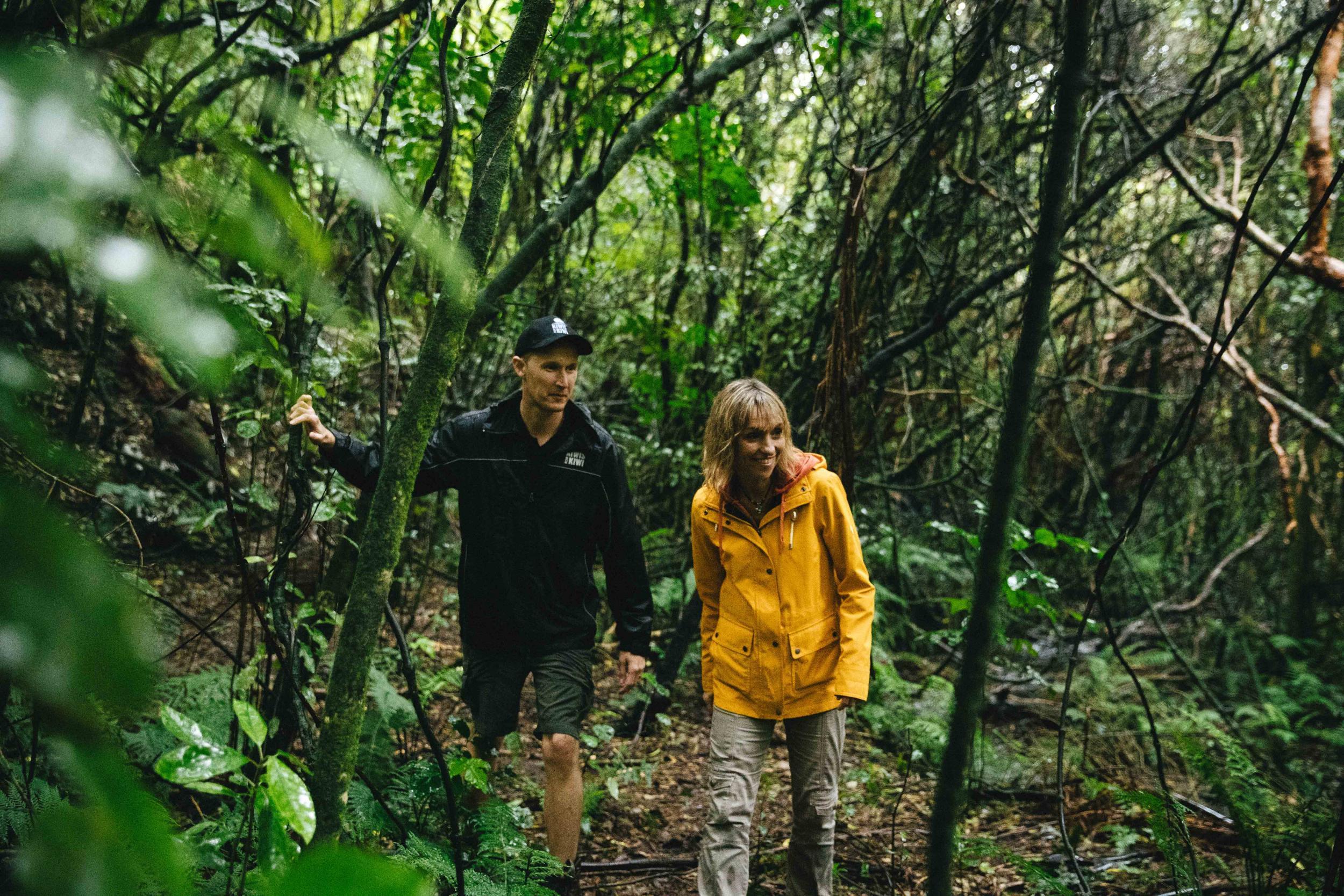
“If predator-free areas are kept that way, the kiwi and other threatened species inhabiting them will be safe. But this requires constant monitoring. Key threats are ferrets, wandering dogs and stoats — indeed, the latter (native to the UK) are responsible for 95 per cent of kiwi chicks not making it to adulthood in the wild.
“At midday, I eat lunch — somewhere idyllic — before taking a swim in the sea or walking along the beach. Afternoons are spent marking out nests in preparation for lifting eggs, and at nightfall, I listen for kiwi calls, to ascertain if any non-transmittered males are holding territory.
“I have lived on-site for 10 years. During this time I have spotted the kiwi in all manner of situations: a non-transmittered female nesting next to a predator trap; a chick by the roadside, weighing in at just 235g. These were unexpected interactions, outside my work as a ranger. But every sighting is a gift and makes my day feel blessed.”
Join Old Mout to support Paul’s fight to save the kiwi. Sign up at oldmoutcider.co.uk/campaign/signup
*This content was commissioned and approved by Old Mout Cider








.jpg?w=600)



