A day in the life of a family planning outreach team in Tanzania – in pictures
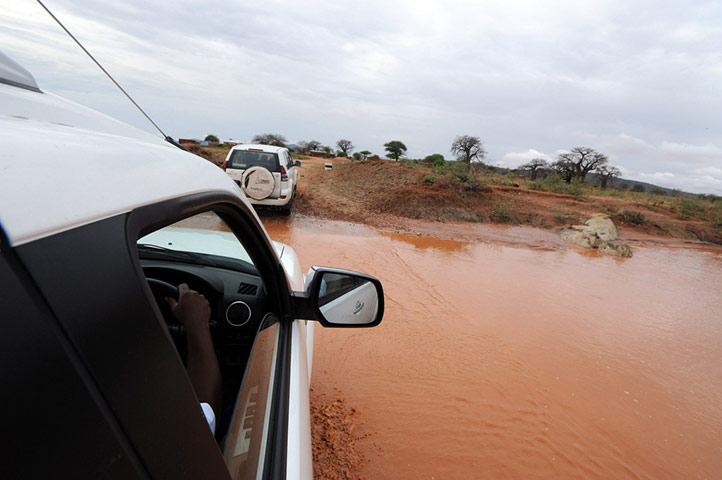
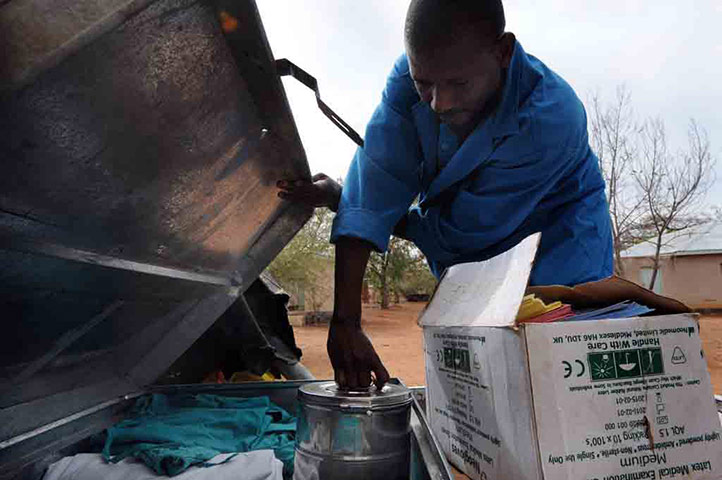
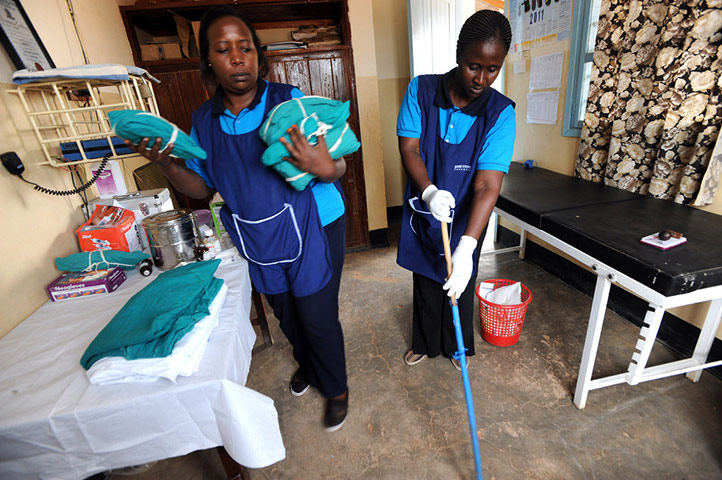
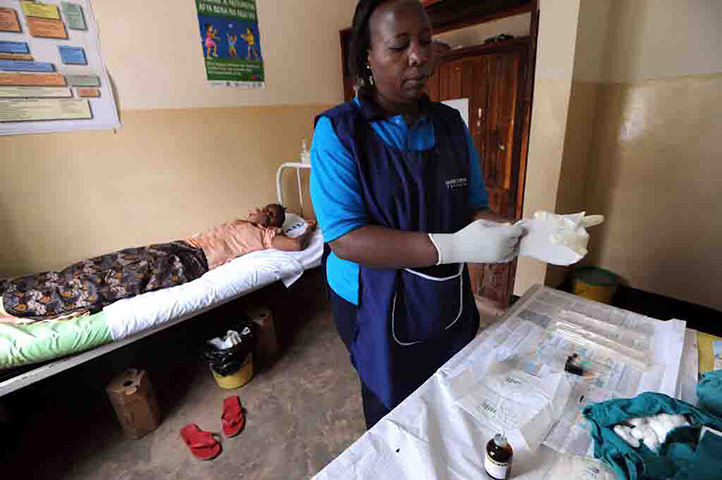
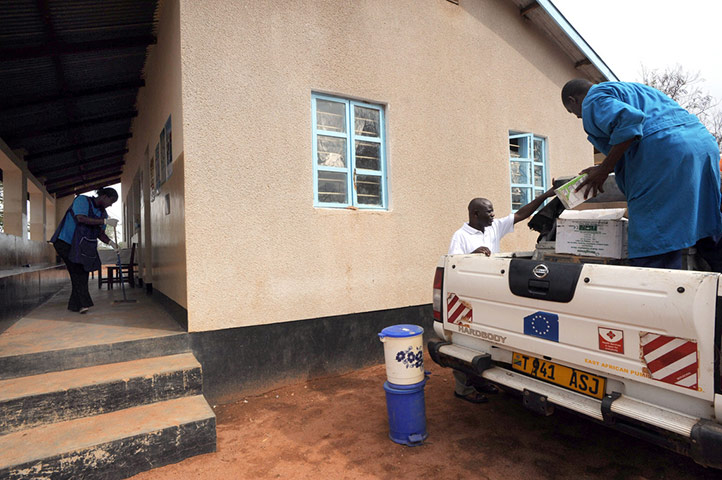
The outreach team set off at around 5am from one of the Marie Stopes clinics, which acts as a base. They drive for two to three hours through rough terrain to take contraception to women in rural Tanzania, as well as treatment for malaria and minor injuries. They stay out in the areas for up to 20 days. The NGO is one of few that offers long-term methods like implants and injections, which women often preferPhotograph: Marie Stopes InternationalThe team has to bring absolutely everything they'll need: from medical equipment to signs and cleaning supplies. One of the drivers, Omar Bakari, helps to unload a truck. He's an integral part of the clinical team, delivering a pain management technique called 'vocal local'. Used with local anaesthetic, 'vocal local' is an effective way to help women remain comfortable during their family planning procedure, and involves Bakari talking to them about their family and their day to keep their mind off any discomfortPhotograph: Marie Stopes InternationalThe outreach team's two nurses Martina Bulali, left, and Winifred Betier prepare one of the rooms where family planning services will be offered. In areas where no suitable buildings are available, the clinic is housed in a tent specifically designed for purpose – with separate roomsPhotograph: Marie Stopes International
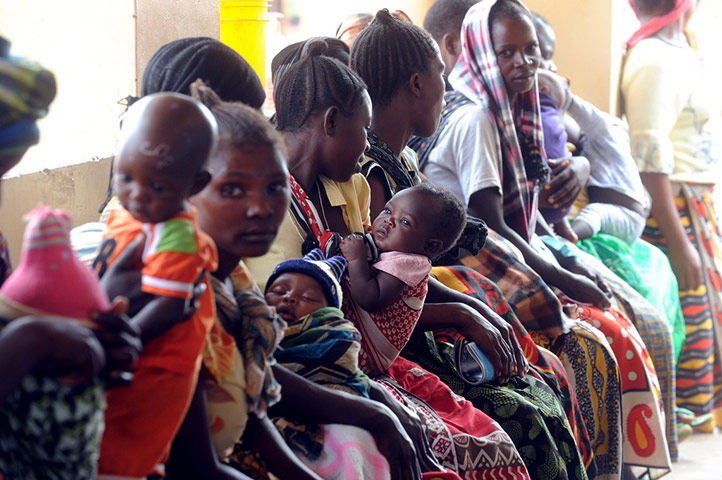
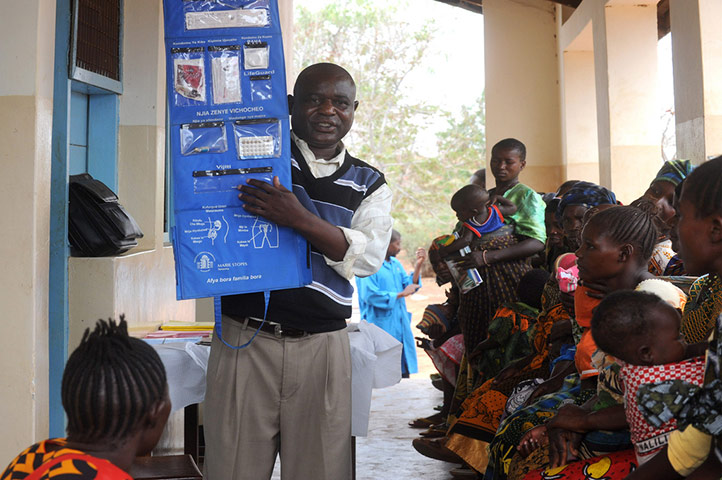
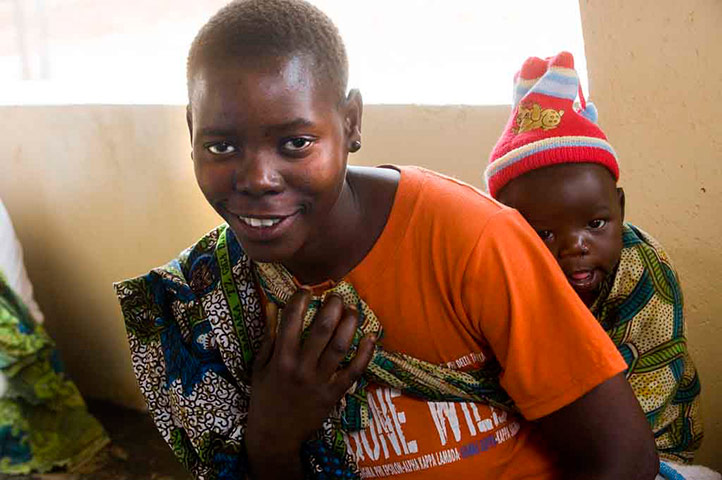
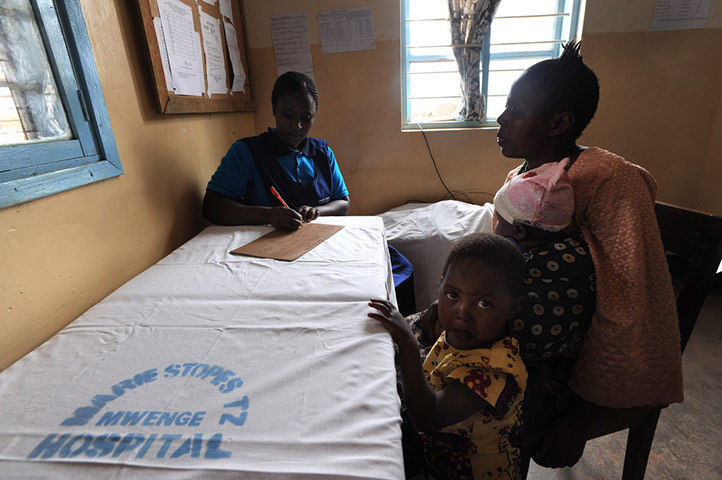
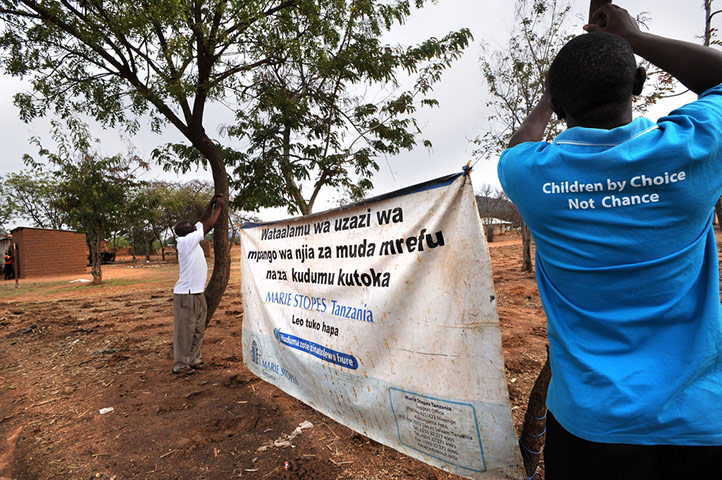
Many of the women visiting the clinic have walked from surrounding villages with their children. Community mobilisers visit the villages where they live a few weeks beforehand, to let them know where the family planning will be offered, and whenPhotograph: Marie Stopes InternationalDr Juma Brown talks through the contraceptive choices available in a group counselling session, explaining the benefits and side effects of each method, and answering any questionsPhotograph: Marie Stopes InternationalSofia, 21, already has two children and came because she wants to space her future children so she can look after them all properly – she's aiming for one more. She and her husband are farmers: they found out about the clinic through a hospital announcement and from friends. After counselling, she chose the implant Photograph: Marie Stopes InternationalAfter group discussion of all the family planning methods available, women have individual counselling with Winifred Betier. Around 80% make their visit to the clinic in secret, because if their husbands found out they might beat them. Polygamy is common in this areaPhotograph: Marie Stopes InternationalMartina Bulali prepares for her first client of the day, who has chosen to receive an implant. Implants and other long-acting and permanent methods of contraception tend to be the most requested on outreach – women have to travel so far to get contraception that they usually want a method they'll be able to rely on for as long as possiblePhotograph: Marie Stopes InternationalAt the end of the day the team sterilises equipment and stocks up for its trip to a different area the next dayPhotograph: Marie Stopes InternationalThe sign comes down and the Marie Stopes team head home. They'll return in around three months' time, to check on the women they have seen and hopefully provide contraception services to more women Photograph: Marie Stopes International
Sign up to read this article
Read news from 100's of titles, curated specifically for you.