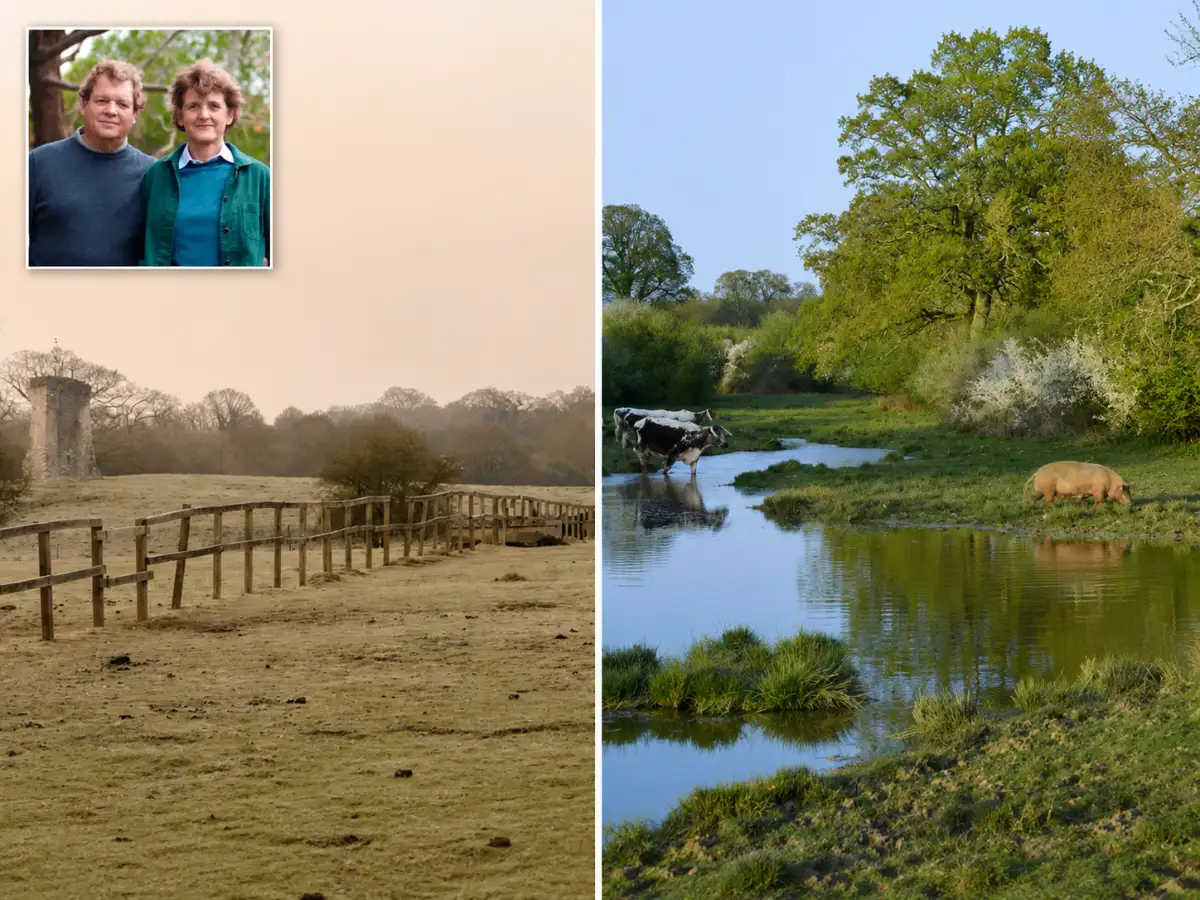
In 2000, author Isabella Tree and her husband Charlie Burrell were almost £1.5 million in debt. The couple had spent 17 years trying to make their family farm in West Sussex, England, profitable, but nothing worked, according to a feature in Country Life. So they gave up farming altogether, tore out the fences and let 3,500 acres go wild.
According to a peer-reviewed study published in PLOS ONE, that gamble turned Knepp Estate into one of the most closely watched rewilding projects in the world. This British tale will feel oddly familiar to American readers who grew up hearing about Yellowstone wolves and prairie restoration.
From a broke farm to a bold idea
In his youth, Burrell inherited the Knepp Castle Estate from his family and spent years farming it intensively, using heavy machinery and fertilizer on soil that resisted cultivation. Nothing changed the result. By 2000 he and Tree had sold the dairy herd, the machinery and the milk quota and stopped conventional farming for good.
According to the same PLOS ONE study, ‘Everything under control? Comparing Knepp Estate rewilding project with ‘traditional’ nature conservation,’ Knepp then became a test case for what conservationists call “process-led” rewilding. Instead of managing the land to a predetermined goal, they let free-roaming animals do the shaping.