A Cosmos: Rosemarie Trockel at the Serpentine Gallery – in pictures
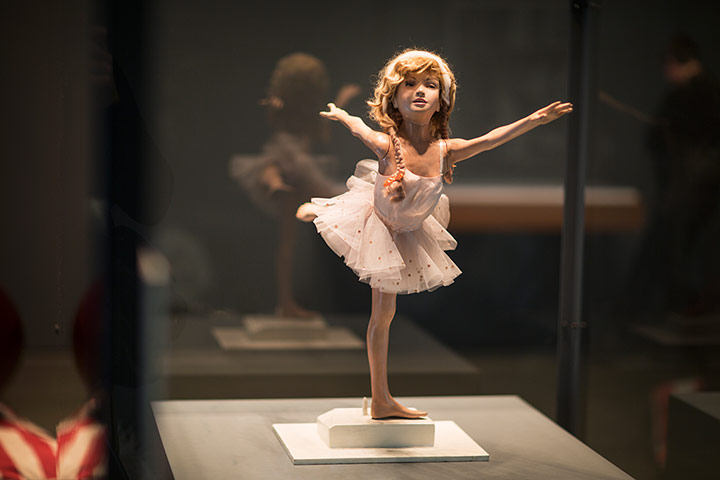
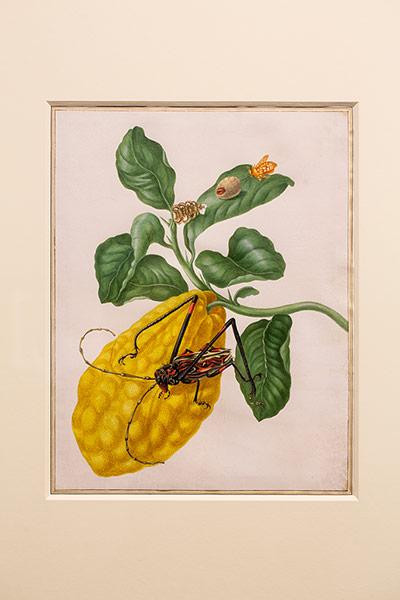
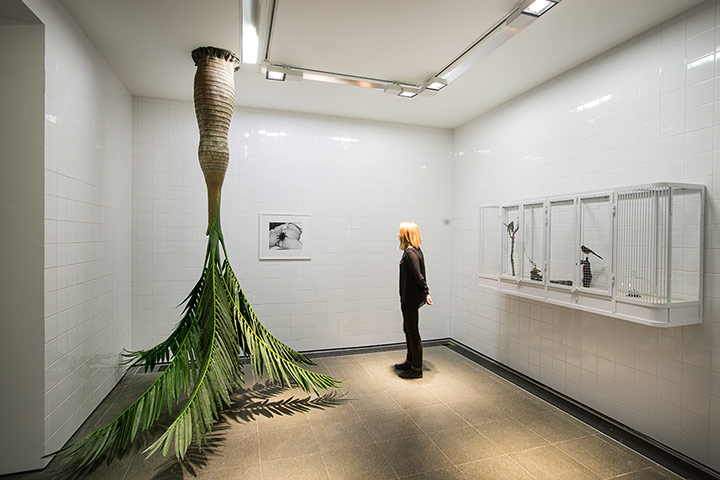
Trockel displays many works by other artists, such as this sculpture by the ballerina-obsessed Morton Bartlett – Untitled (Ballerina) 1950/60Photograph: David Levene for the GuardianA citron with a moth and a harlequin beetle (c1701-02). Trockel's botanical drawings hang among 17th-century studies of plants and animalsPhotograph: David Levene for the GuardianRosemarie Trockel's Replace Me (2011), an inverted plastic palm tree. Behind it hangs Trockel's photographic version of Gustav Courbet’s Origin of the World, which has replaced the pubic hair with a large spiderPhotograph: David Levene for the Guardian
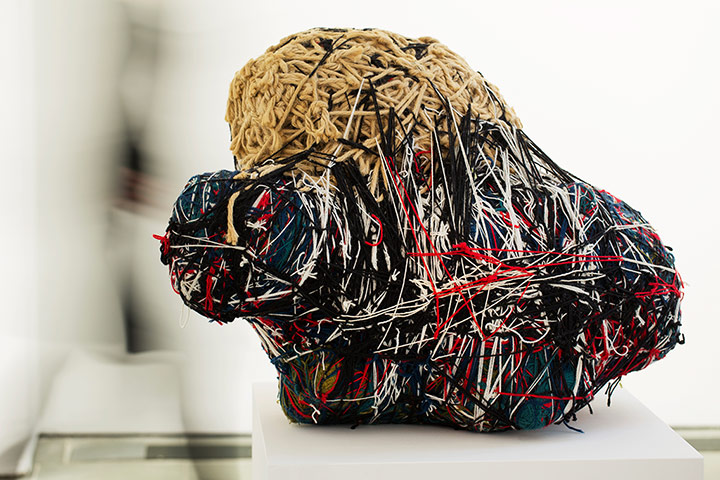
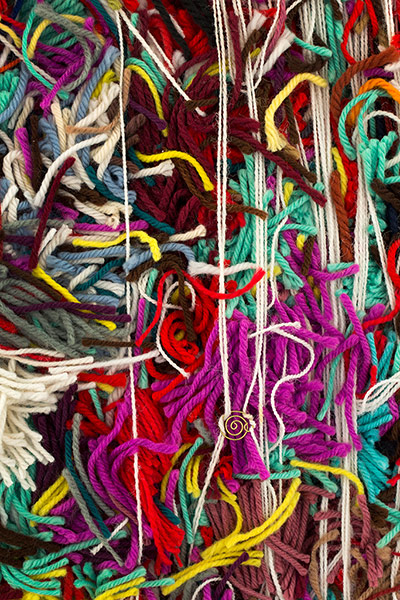
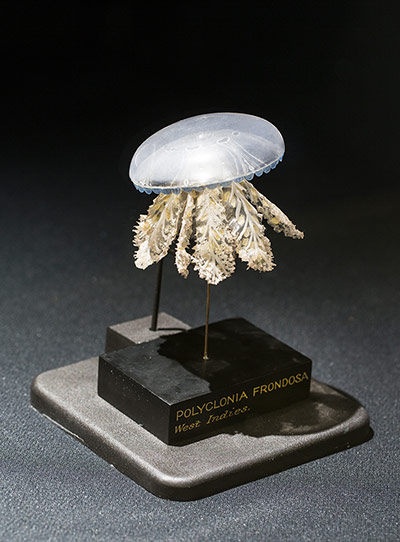
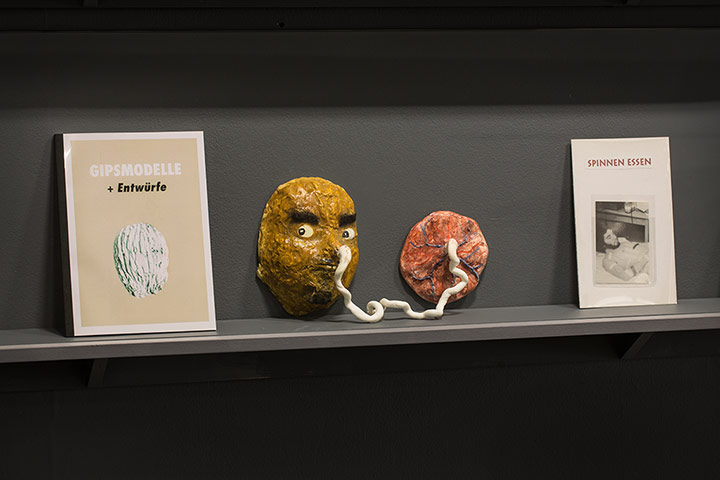
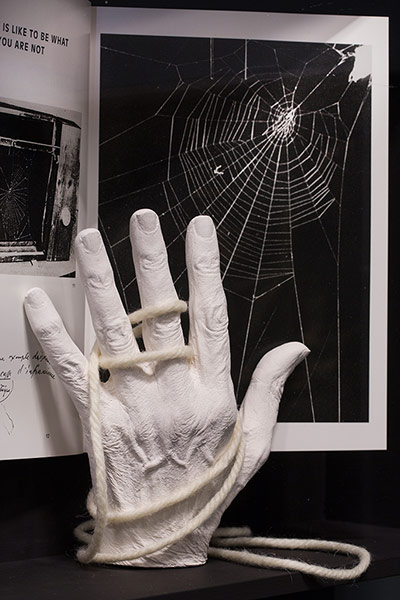
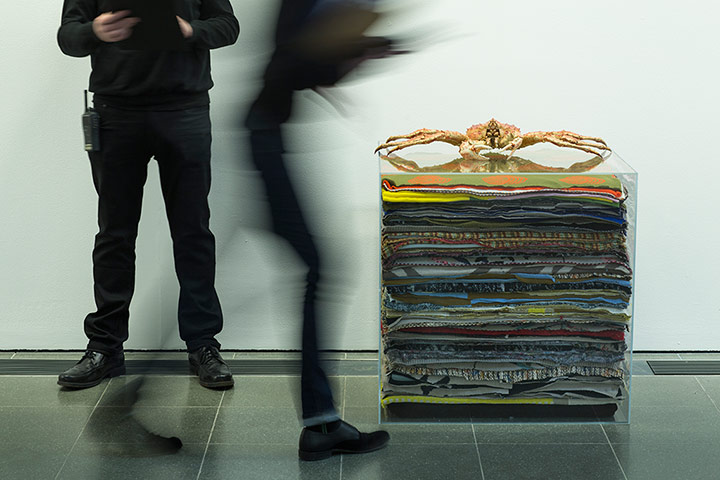
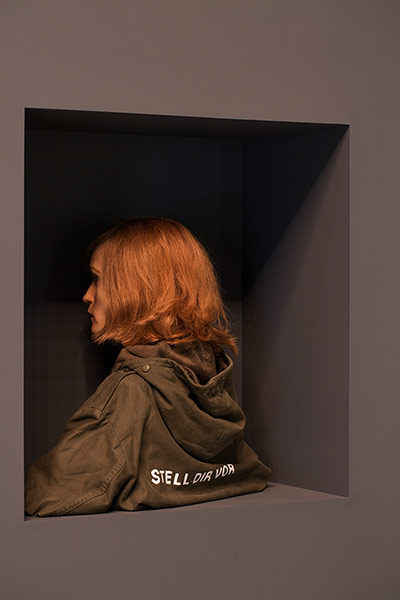
Trockel's Aus Yvonne (1997) fetishises the idea of colonic irrigationPhotograph: David Levene for the GuardianTrockel dwells on her relationship with other artists, such as Judith Scott, whose wool sculpture Untitled (1989) touches on the concept of 'women's work'Photograph: David Levene for the GuardianUntitled (1993), another wool work by Judith Scott, a deaf and mute autodidact who spent most of her life in an institutionPhotograph: David Levene for the GuardianPolyclonia frondosa, made in about 1876 by Bohemian craftsmen Leopold Blaschka and his son Rudolph using blown glassPhotograph: David Levene for the GuardianThe series Bookdrafts shows Trockel's imaginary book covers and strange sculptures arranged like a library exhibitPhotograph: David Levene for the GuardianA collection of Trockel's photographyPhotograph: David Levene for the GuardianA cast of British primatologist Jane Goodall's handPhotograph: David Levene for the GuardianLucky Devil (2012). Trockel's early fabric pictures, featuring logos woven into cloth, sit beneath a dead crabPhotograph: David Levene for the GuardianTrockel's Stell Dir vor/Imagine (2002) is a hooded woman in a cabinet, her back turned to the viewerPhotograph: David Levene for the Guardian
Sign up to read this article
Read news from 100's of titles, curated specifically for you.

![Rosemarie Trockel: Aus Yvonne [From Yvonne], 1997](http://static.guim.co.uk/sys-images/Guardian/Pix/pictures/2013/2/13/1360756020127/Aus-Yvonne-From-Yvonne-19-002.jpg)