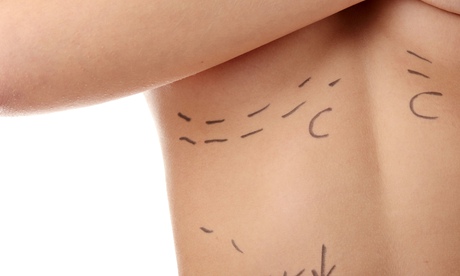
Cosmetic surgery is a consumer practice yoked to fantasies of personal transformation. It is addictive insofar as, if it goes well, people want more, and if it goes badly, they need more. The General Medical Council has proposed a series of guidelines for cosmetic surgery, including a mandatory cooling-off period between the initial consultation and committing to the procedure.
This is the culmination of an ongoing effort on the part of the British Association of Aesthetic Plastic Surgeons (Baaps) and the British Association of Plastic Surgeons (Baps) to educate the public, including the understanding that cosmetic surgery is real surgery. But it’s a struggle to make the public recognise the medical reality of a practice both marketed and experienced (emotionally, ideologically, economically) as a facet of consumer culture along with consumer culture’s attendant fantasies of euphoric fulfilment and minimal risk.
Patients frame their cosmetic surgeries as consumer rather than medical choices, covered by discretionary income. Surgeons are well aware that their patients often are deciding between, say, breast implants and a summer holiday or a down payment on a new car.
While requiring a cooling-off period is no doubt largely intended to derail the intense push on the part of any unscrupulous practitioners to get people to sign on the dotted line immediately or risk losing that astonishing discounted price on a life-altering lipo/lift combination, one might ask how such mandated reflection will ultimately benefit any of us craving the rush of body-morphing retail therapy. Following the initial consultation, how long is long enough for patients to reflect – research the procedures, talk it over with friends and family? Or does it even matter?
In 2011, Groupon was censured for a promotional email offering discounted breast implants from a clinic in Manchester to those who signed up “by midnight.” Baaps and the Advertising Standards Authority (ASA) maintained that it was unethical to market a medical procedure with significant risks as if it were a visit to a spa or a discounted entrée at a new restaurant. A three-day turn-around time eventually was deemed more reasonable. But consider that it’s still acceptable for cosmetic surgery to be marketed through Groupon – where, frankly, I’ve never found deals on gall bladder surgery or an appendectomy.
A cooling-off period certainly makes sense. After all, dazzled by the prospect of a great deal on, say, a tummy-tuck, the patient is distracted from the medical fine print about haematomas, scarring, and death. The GMC is also taking measures to enable consumers to check the qualifications of everyone practicing cosmetic surgical and nonsurgical (fillers, Botox) procedures. But, typically, the less-qualified practitioners charge less and so even well-informed patients, who could not otherwise pay for the interventions they crave, might go with what’s affordable. As the president of the American Society of Plastic Surgery, Dr Scot Bradley Glasberg, observed: “Price is usually the impetus to go to someone less trained.” Based on before-and-after data, however, Glasberg is highly optimistic that educating the public prevents misunderstandings regarding both the actual limits of surgical transformations and the risks.
“Be careful what you wish for” is what I say to the board-certified surgeons of Baps and Baaps and their American counterparts. We can strive to educate the public that cosmetic surgery (especially when surgical) has nothing in common with beauty treatments; that it’s real surgery, not a bloodless day at the beauty salon. But the practice of cosmetic surgery, including its wild success, is tied to consumer fantasy not medical reality. The central premise of cosmetic surgery is that it triumphs over the constraints of the flesh. Even many of its opponents represent cosmetic surgery as miraculous, a temptation to be resisted.
Arguably, if patients fully appreciated the limits of surgical interventions, they would be less likely to seek it as the solution to their woes. Dr Neal R Reisman, president of the Aesthetic Surgery Education and Research Foundation, the research and education arm of the American Society for Aesthetic Plastic Surgery, says that a red flag for plastic surgeons is someone who has experienced recent trauma – say, a divorce, loss of a job, or the death of a spouse or child, and is in search of a quick fix for her pain. In such cases, thoughtful surgeons recommend that the patient wait a few months and reconsider. But the patient’s conviction that they can heal the inside through manipulating the outside reveals that choosing cosmetic interventions is never rationally motivated. There are so many other ways to try and feel better (from psychological and religious counselling to a bottle of vodka) – what led them to the cosmetic surgeon’s door in the first place? And what about the more general and arguably cumulative trauma, of not being good-looking enough in a society preoccupied with physical appearance? What is the recommended waiting period for that?
In the end, cosmetic surgery as a cultural practice is driven by fantasies of the body’s limitless possibilities. Though laudable, inviting reasoned reflection on the part of consumers might be beside the point. Your boss told you to “start looking elsewhere”, you’ve spent the last three years of your life nursing both of your aged parents and now you look as old as them, you can’t bear to leave your house any more because everyone stares at what you imagine is your hideous flaw (your big nose, your saddle bags or oversized thighs or wobbly upper arms), your partner left you for someone younger, thinner, more attractive and in general better than you, and surgery is your only chance to be better than you are. It’s hard to cool off in the face of such urgency.





.jpg?w=600)