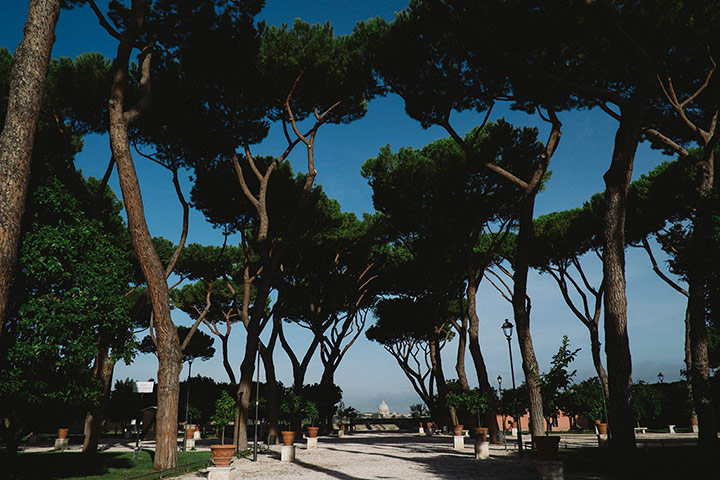
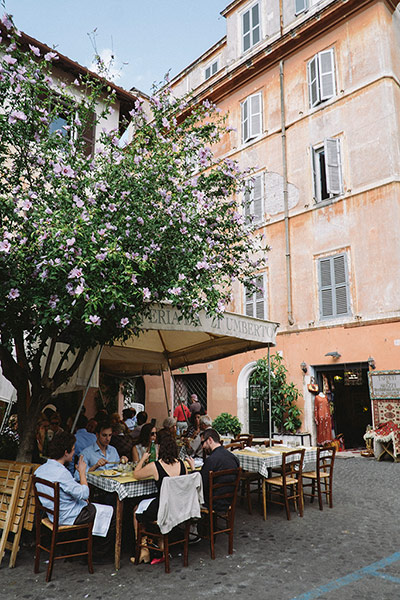
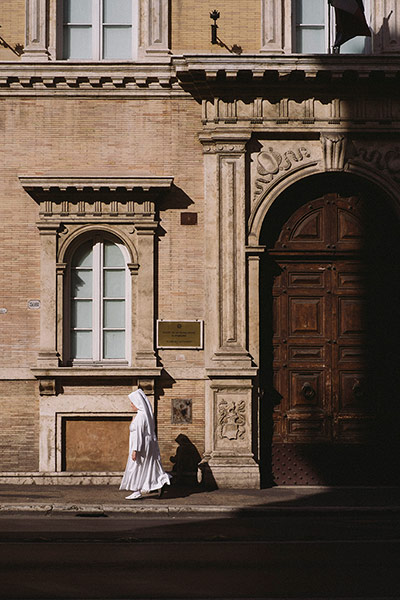
The affluent Parioli district, to the north-east of the city, has some of Rome’s most exclusive shops and restaurants. It also offers some spectacular views over the city, including St Peter’s BasilicaPhotograph: Greg Funnell/GuardianEating culture is strong in the Italian capital and Rome’s many piazzas are always bustling with people making the most of what’s on offerPhotograph: Greg Funnell/GuardianRome is not all hustle and bustle – you can lose yourself down ornate, peaceful streetsPhotograph: Greg Funnell/Guardian
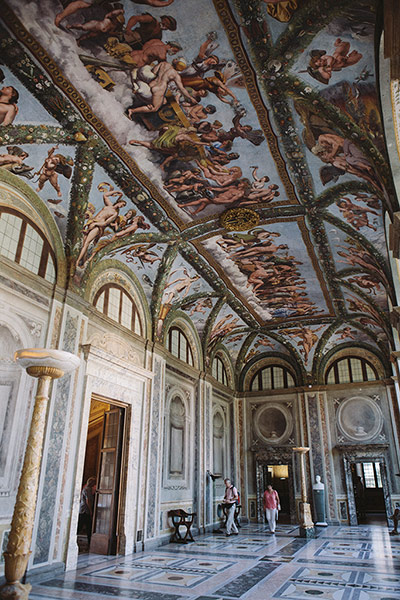
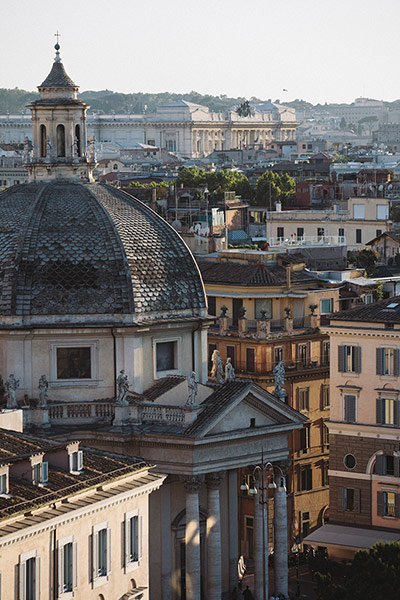
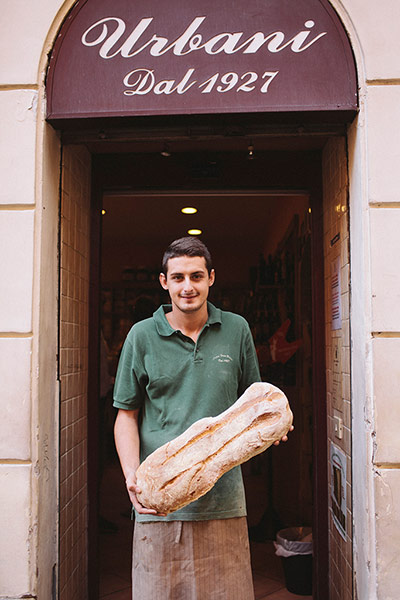
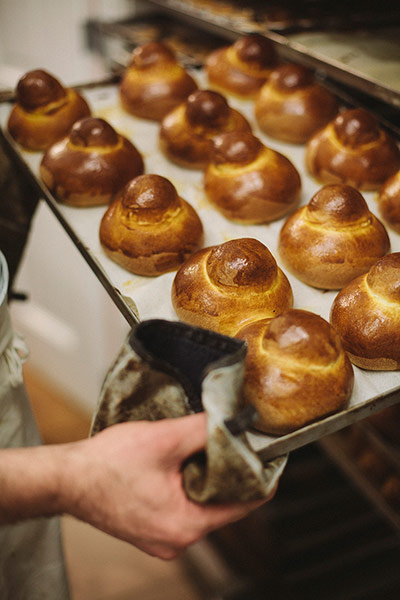
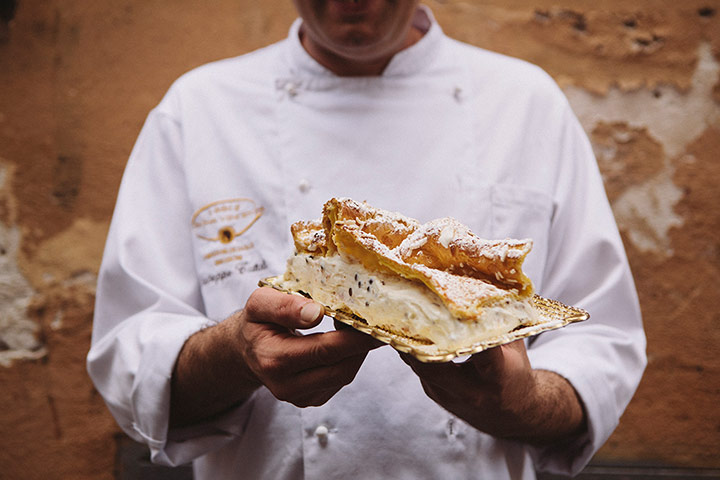
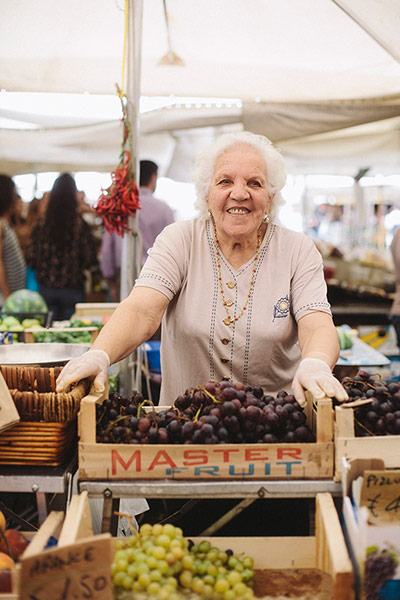
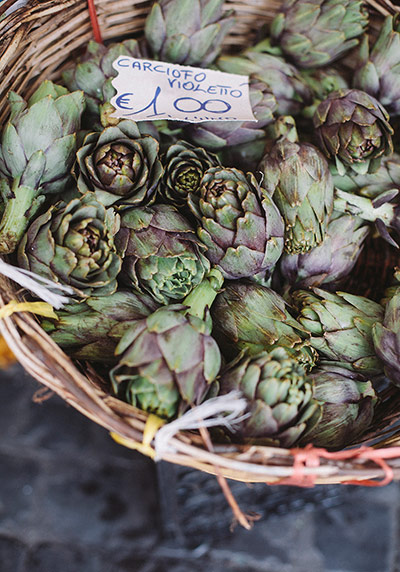
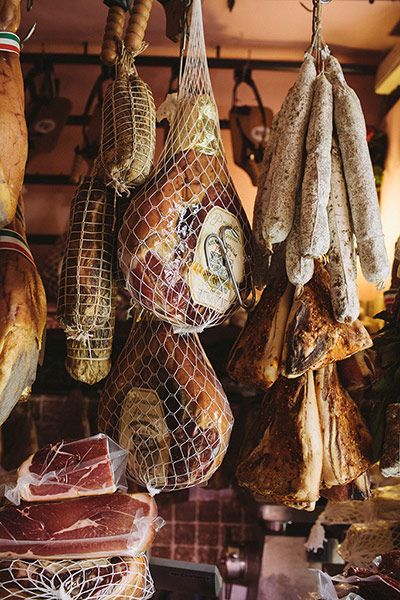
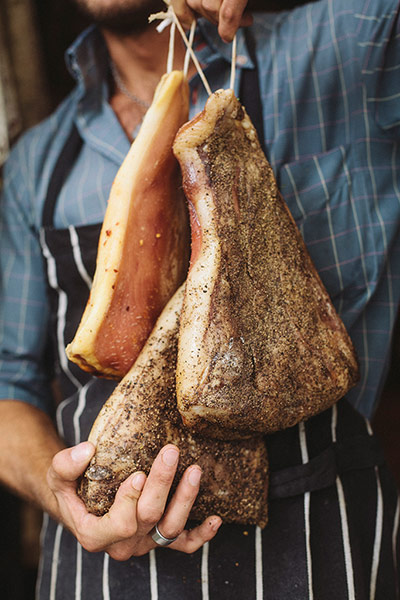
The Villa Farnesina, in the Roman district of Trastevere, is home to Raphael’s stunning 16th-century fresco, the Loggia of Cupid and PsychePhotograph: Greg Funnell/GuardianThe 17th-century Santa Maria dei Miracoli, one of the twin churches overlooking the Piazza del Popolo (people’s square)Photograph: Greg Funnell/GuardianPane casareccio is one of Rome’s most famous breads. Made with white flour, it has a crusty exterior and soft, open-textured interior. It’s perfect for bruschettaPhotograph: Greg Funnell/GuardianEnjoy breakfast Sicilian-style at the I Dolci Di Nonna Vincenza pastry shop: freshly baked brioche served with pistacchio granitaPhotograph: Greg Funnell/GuardianAlongside pecorino, ricotta is one of the most commonly used cheeses in Roman cuisine – not just in savoury dishes, but also in numerous desserts such as this dolce dell’Etna, made with ricotta, almonds and chocolate chipsPhotograph: Greg Funnell/GuardianAnunciana, 85, has been selling fruit and vegetables at the famous Campo de' Fiori market in Rome for 70 years. She is the longest serving trader at the marketPhotograph: Greg Funnell/GuardianArtichokes are highly prized. Carciofi alla giudia (Jewish-style artichokes) is one of the most popular ways to serve them. The recipe originates from Rome’s ghetto and includes squashing the artichokes and then deep-frying themPhotograph: Greg Funnell/GuardianCured meats are an essential part of the Italian kitchen, from pancetta and prosciutto to cured pig's cheek and bresaola (air-dried, salted beef)Photograph: Greg Funnell/GuardianPig’s cheek forms the basis of Rome’s most famous pasta dish: bucatini all’amatriciana. A fresh tomato sauce made with pig's cheek and spiced with chilli is served with bucatini, a thicker version of spaghettiPhotograph: Greg Funnell/Guardian
Sign up to read this article
Read news from 100’s of titles, curated specifically for you.