
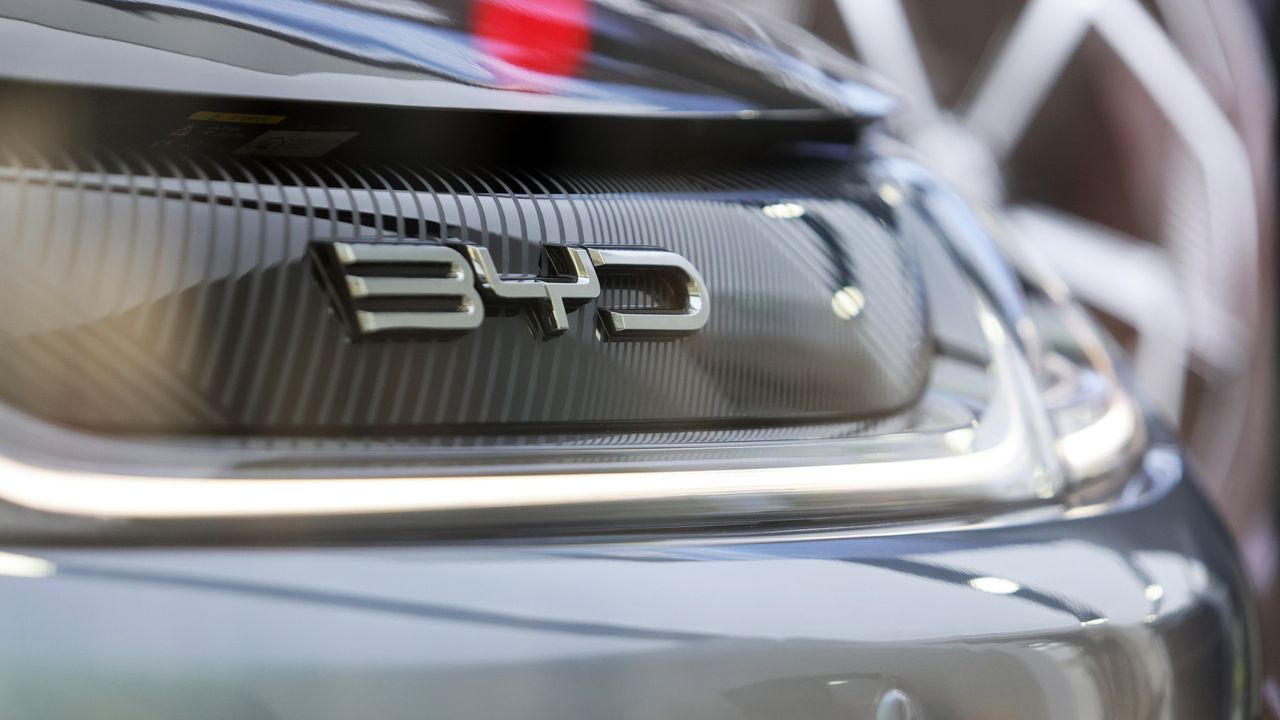
Chinese car companies have landed in the UK with astonishing speed. Just a couple of years ago, you’d be hard-pressed to spot a BYD on the roads here, let alone find someone you know who owns one.
But now, with over a dozen Chinese brands selling a whole bunch of electric cars and plug-in hybrids – often for less money than their European and American rivals – sales here are booming. In fact, with Chinese car sales almost doubling in the UK in 2025, compared to the previous year, we’re already seeing brands like BYD and Jaecoo overtake the popularity of their century-old rivals.
And, with more interest than ever on plug-in hybrids capable of driving many miles on battery power alone, Chinese PHEVs like the Jaecoo 7, Omoda 9 and BYD Seal U DM-i are proving hugely popular. Full-electric sales have also surged, with BYD chasing down Tesla and China-owned MG also being hugely popular with UK drivers.
This trend is set to continue in 2026, as more Chinese brands land in the UK with EVs and plug-in hybrids ready to take on the establishment. Below, I’ve rounded up some of the most significant Chinese cars on sale in the UK.
BYD
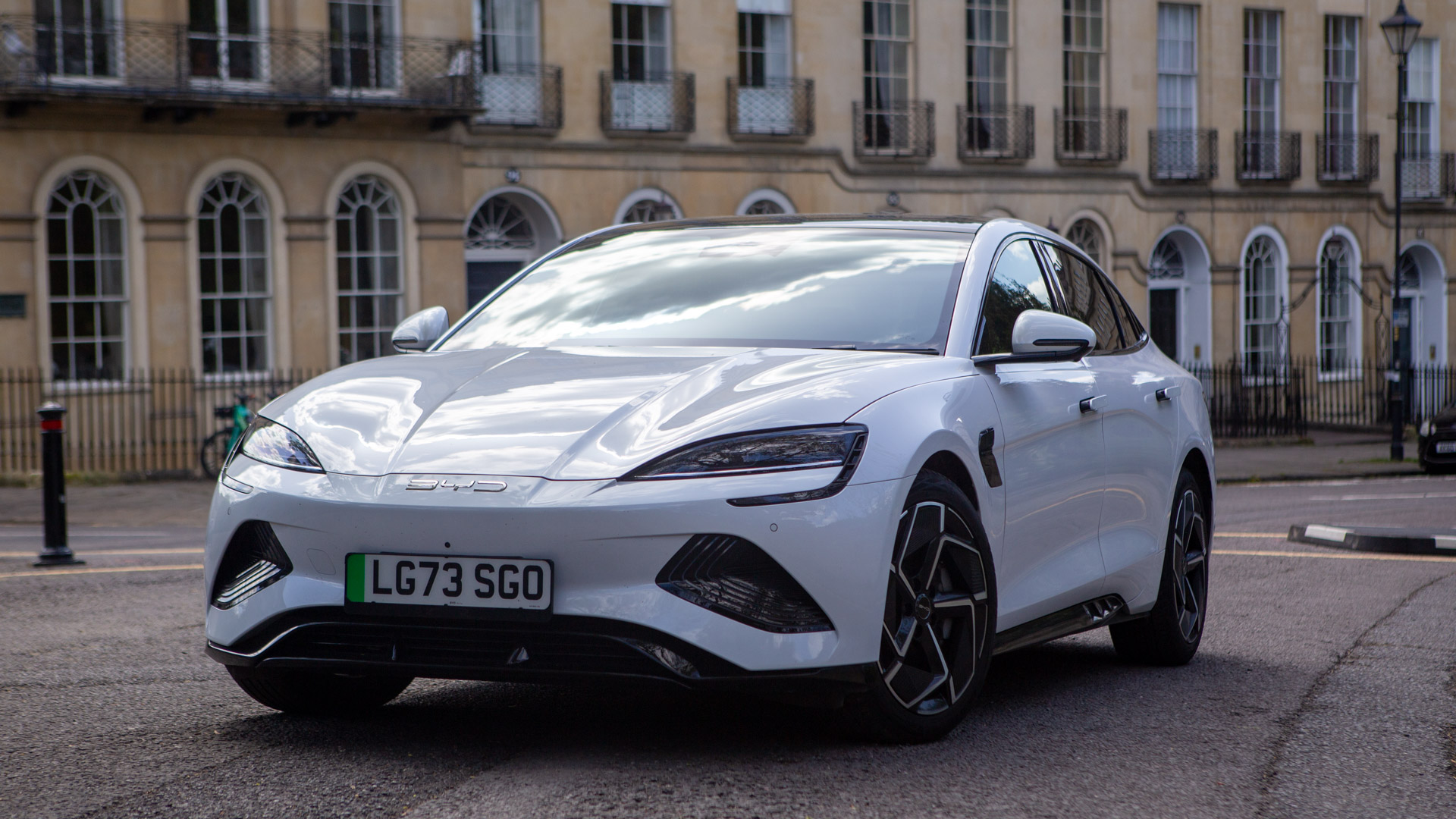
Probably the most recognised Chinese car brand in the UK, BYD is a giant. It overtook Tesla in 2025 as the world’s top seller of electric vehicles, delivering over 2.2 million cars globally. It also built a couple of million hybrids last year too, and holds around 20 percent of the global plug-in car market.
BYD’s UK offering starts with the sub-£19,000 electric Dolphin Surf, which has a range of between 137 and 200 miles, depending on battery size and spec. It’s a compact electric city car that’ll become a rival to Volkswagen’s new electric Polo when that car lands later this year.
BYD also sells the £30,000 Dolphin (265 miles of range), the similarly but newer Atto 2, the £38,000 Atto 3, the £45,000 BYD Seal (354 miles of range), and the £47,000 Sealion 7 (300 miles). Alongside these electric cars, BYD sells a range of plug-in hybrids, including the £33,000 Seal U DM-i and £34,000 Seal 6 DM-i. Both offer a few dozen miles of electric-only range, so have the potential to slash your monthly fuel bill if charged up at home on a cheap overnight tariff.
My picks of the BYD bunch are the Seal electric saloon, and the Seal U DM-i plug-in hybrid SUV.
Chery
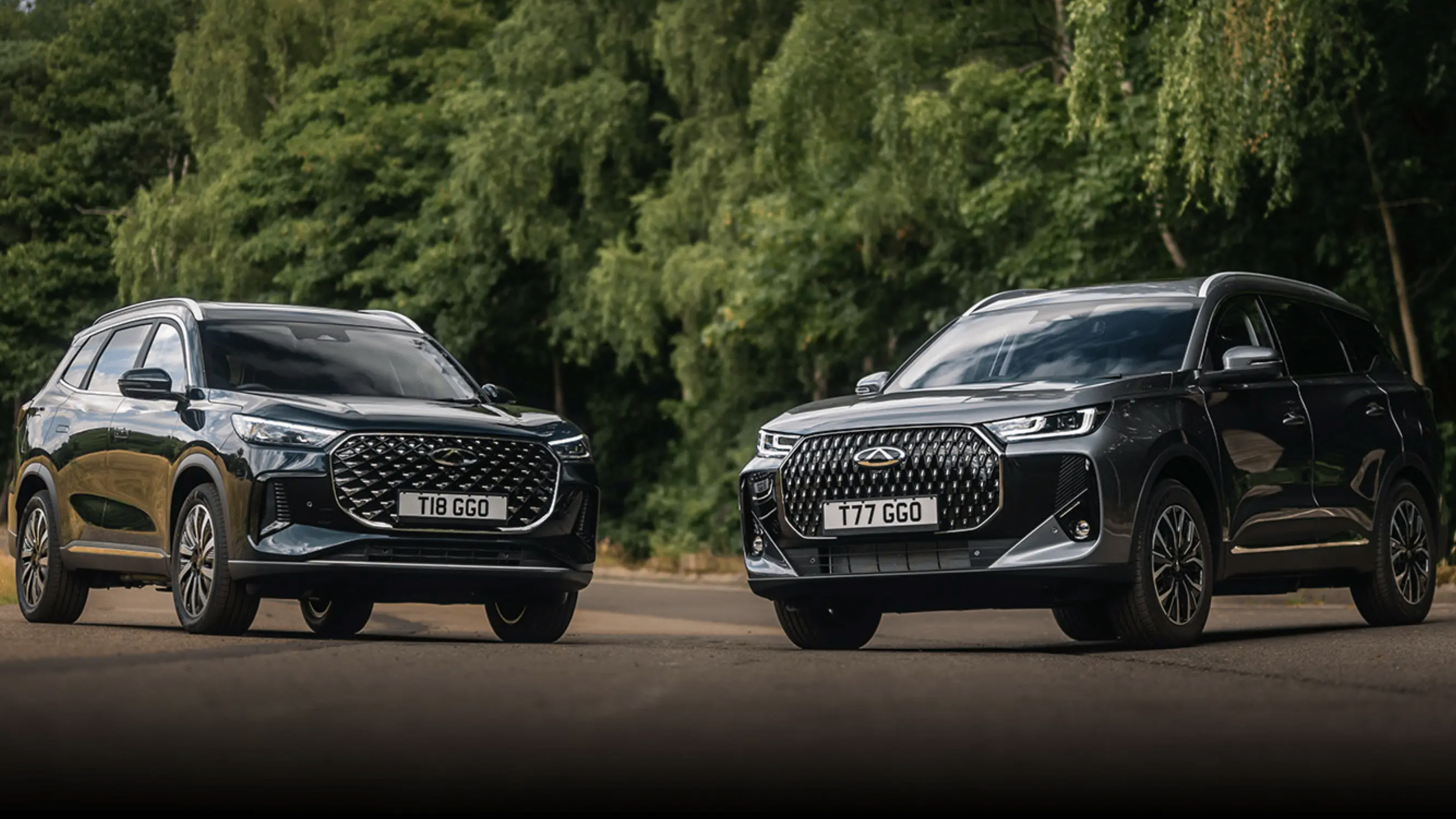
Founded in 1997, Chery is also one of China’s largest car companies, selling millions of vehicles annually worldwide. Like how the Volkswagen Group includes other brands, like Audi, Porsche, Bentley and SEAT, Chery produces its own cars while also overseeing fellow Chinese brands Omoda and Jaecoo – more on those below.
The Chery Tiggo arrived towards the end of 2025 with a range of petrol and hybrid SUVs. Prices start at just £25,000 for the Tiggo 7, rising to £30,000 for the Tiggo 7 Super Hybrid, which pairs a 1.5-litre petrol engine with an electric motor and an 18.4 kWh battery – a very similar setup to other members of the Chery family. Electric range is a claimed 56 miles and total range is 745.
Above this sits the £28,500 Tiggo 8 and £33,500 Tiggo 8 Super Hybrid, and the flagship Tiggo 9 Super Hybrid, which starts at £43,000. That car promises up to 87 miles of electric range from a large, 34.5 kWh battery, and about 650 miles when the engine is used too.
Omoda
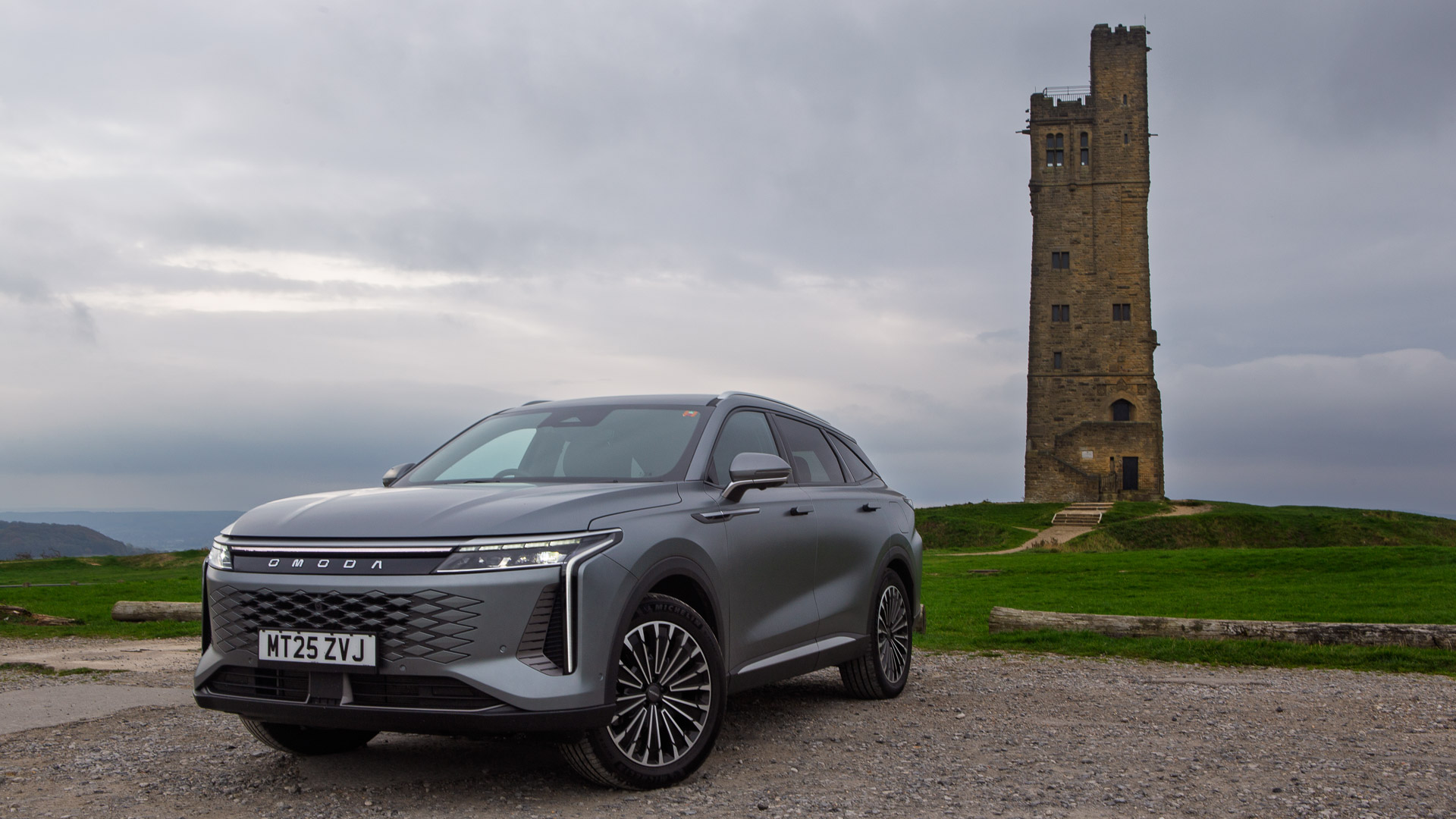
As of early 2026, Omoda sells four car models in the UK. These are the Omoda 5 hybrid, Omoda E5 EV, Omoda 7 SHS hybrid and the Omoda 9 SHS hybrid. Prices start at £23,990 for the Omoda 5 hybrid, increasing to £32,000 for the Omoda 7 SHS hybrid, £33,000 for the electric Omoda E5, and £45,000 for the range-topping 9 SHS hybrid.
The latter is particularly interesting, since it promises a total range of over 700 miles from its combination of 1.5 litre petrol engine and large, 34.5 kWh battery. Keep it in EV mode and it’ll manage a claimed 93 miles without using the engine at all.
In 2025 I drove an Omoda 9 SHS from the North Kent coast to the Lake District and back – a distance of over 660 miles – without refuelling or charging the battery. The car performed very well, impressing with loads of kit fitted as standard, a massive 1.3-metre panoramic roof, and a spacious interior. Ride quality isn’t the best, and the infotainment is a weak point (a common complaint from many Chinese cars at the moment), but there’s no denying the value for money, both in terms of purchasing and running. Plug it in at night, and you could go weeks at a time without burning a drop of petrol.
Jaecoo
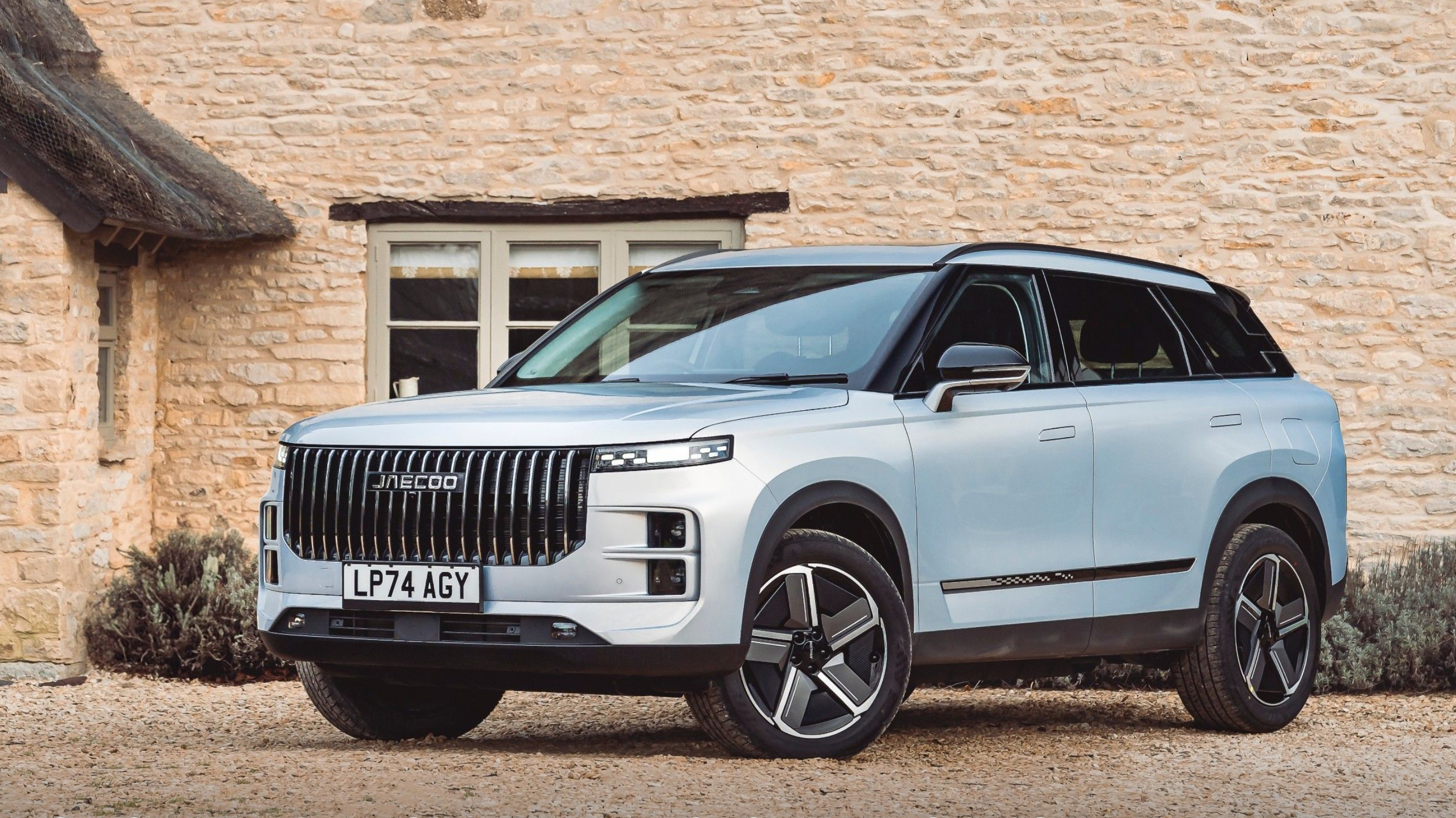
Keep seeing a car that looks a bit like a Range Rover Velar? That’ll be the Jaecoo 7, a Chinese SUV that looks a lot more premium than its £30,000 price tag suggests. The plug-in hybrid 7 SHS model is £5,000 more, but for that you get an 18.3 kWh battery to give the 1.5-litre petrol engine a helping hand. The result is a claimed maximum range of 745 miles, or a very usable 56 miles of pure-electric driving.
As with the Omoda 9 SHS, a Jaecoo 7 plugged into a charger each night could likely manage your commute and any local driving chores without using any petrol at all.
I spent a weekend with one last year and, aside from the infuriating infotainment – including door mirrors that can only be adjusted via a sub-menu of the touchscreen – it’s a perfectly good family car. Throw in a set of nice paint options, a pano roof, the ability to fast-charge the battery from 30 to 80 percent in 20 minutes, and a bunch of drive modes for light off-roading, and it’s easy to see why the Jaecoo is so popular.
Leapmotor
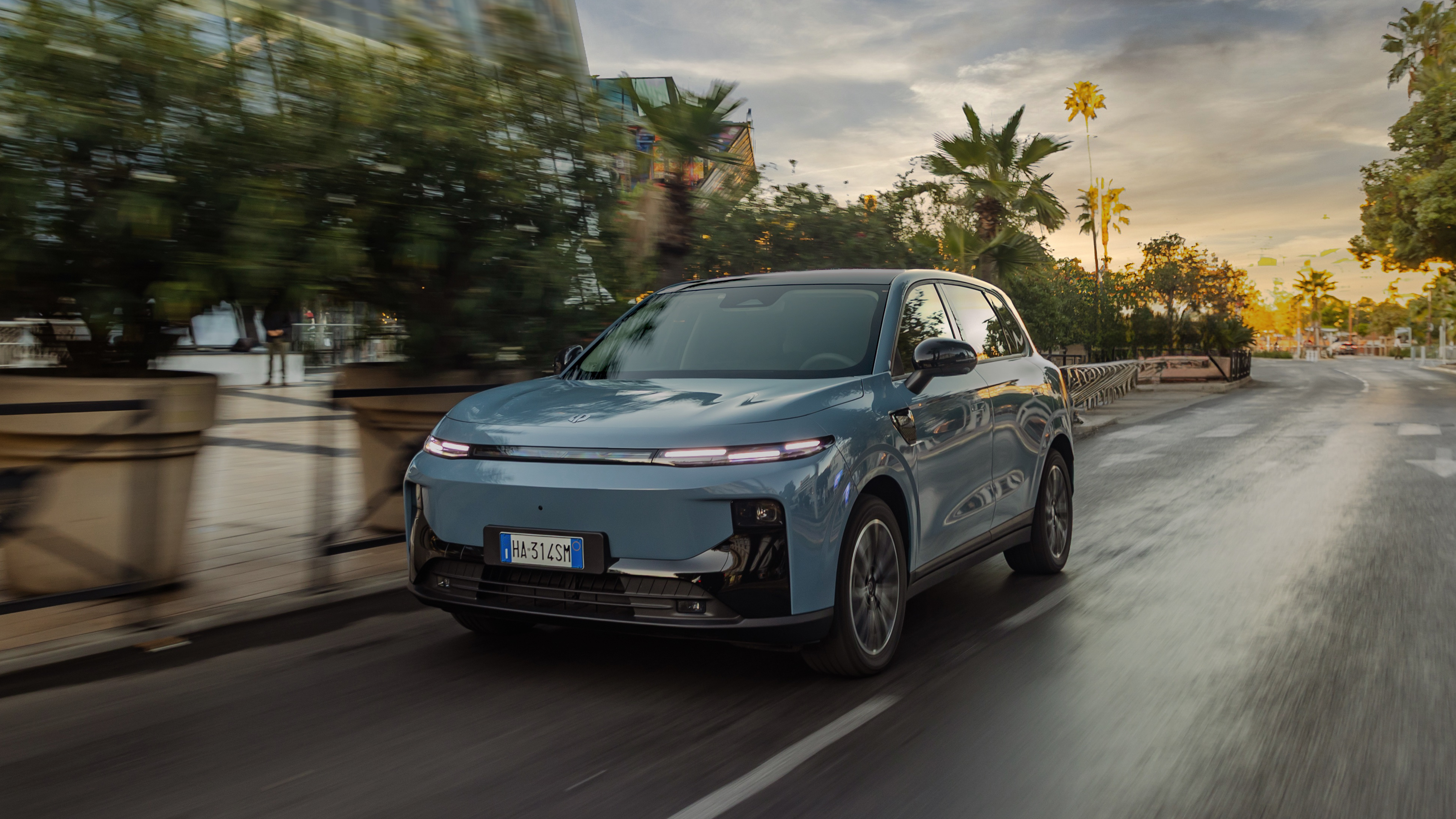
Founded in 2015, Leapmotor is a comparative newcomer in its own right, but comes with the reassurance of being part of the massive Stellantis automotive group, which also includes Citroen, Fiat, DS, Jeep, Peugeot, Maserati, Alfa Romeo and Chrysler, among others.
There are three all-electric Leapmotor cars available in the UK from now, starting with the £16,000 T03 citycar, which can be had for just £169 a month and has a claimed range of up to 165 miles.
Above this is the £31,500 B10, an SUV with up to 270 miles of range, and the current flagship is the C10, which starts at £36,500 and has a range of 263 miles. Kit included as standard with the C10 includes over-the-air software updates, a 14.6-inch touchscreen, a wireless phone charger, ambient lighting, electric front seats, and a panoramic glass roof. Leapmotor says its new B05 coupe and B03X SUV are both coming to the UK later in 2026.
Geely
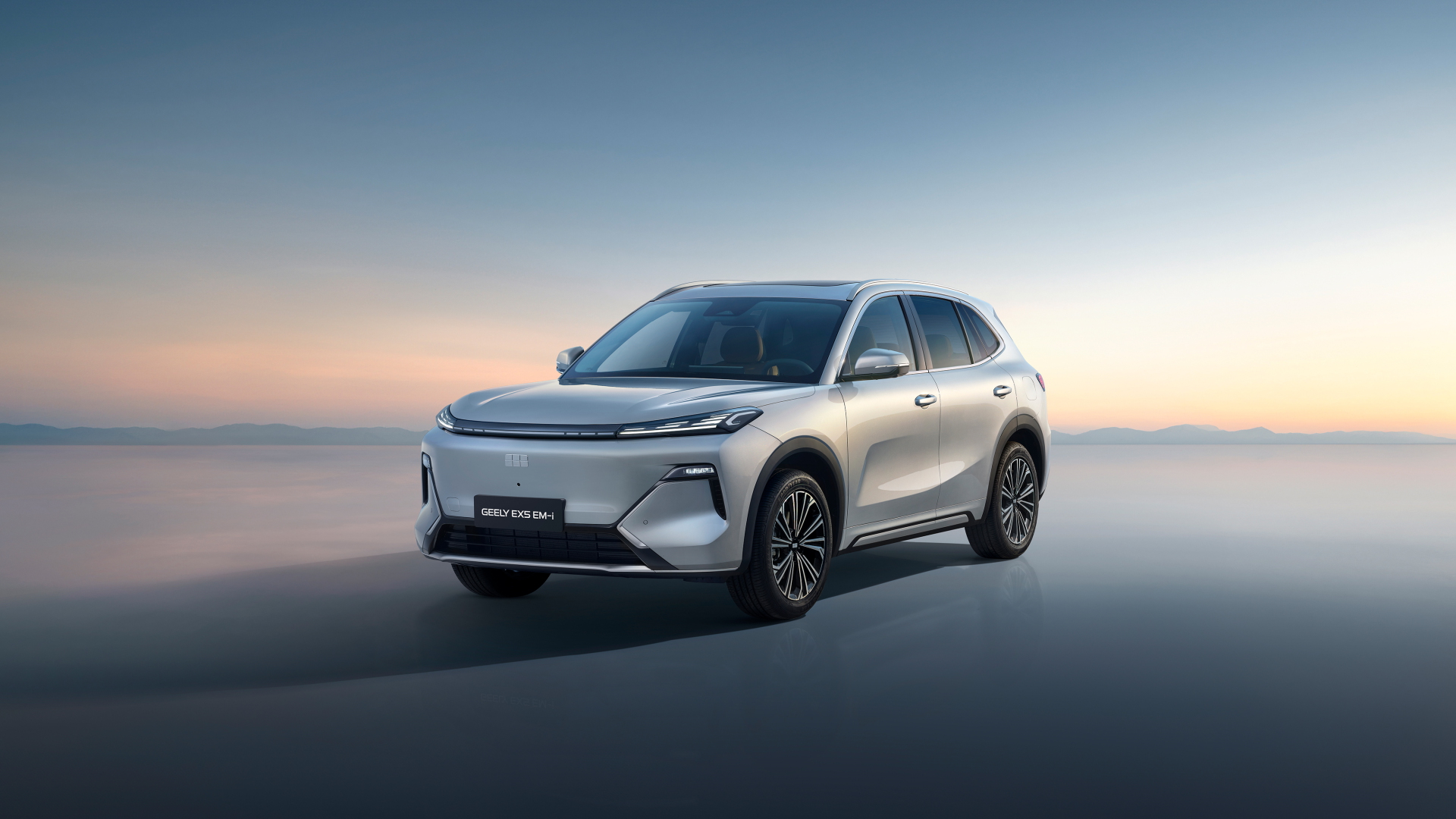
You’ve probably heard of Geely, but as the owner of other car companies rather than a vehicle manufacturer in its own right. Founded in 1986, its stable currently includes Volvo, Polestar, Lotus, Zeekr, Lynk & Co, LEVC (makers of London’s electric taxis) and Geely Auto.
Geely’s UK offering is currently limited to the EX5, a mid-size electric SUV with a claimed range of 267 miles and priced from £31,990. This will be joined in February 2026 by the Starray EM-I, a £30,000 hybrid SUV that promises up to 84 miles of electric range and 618 miles of total range.
Changan
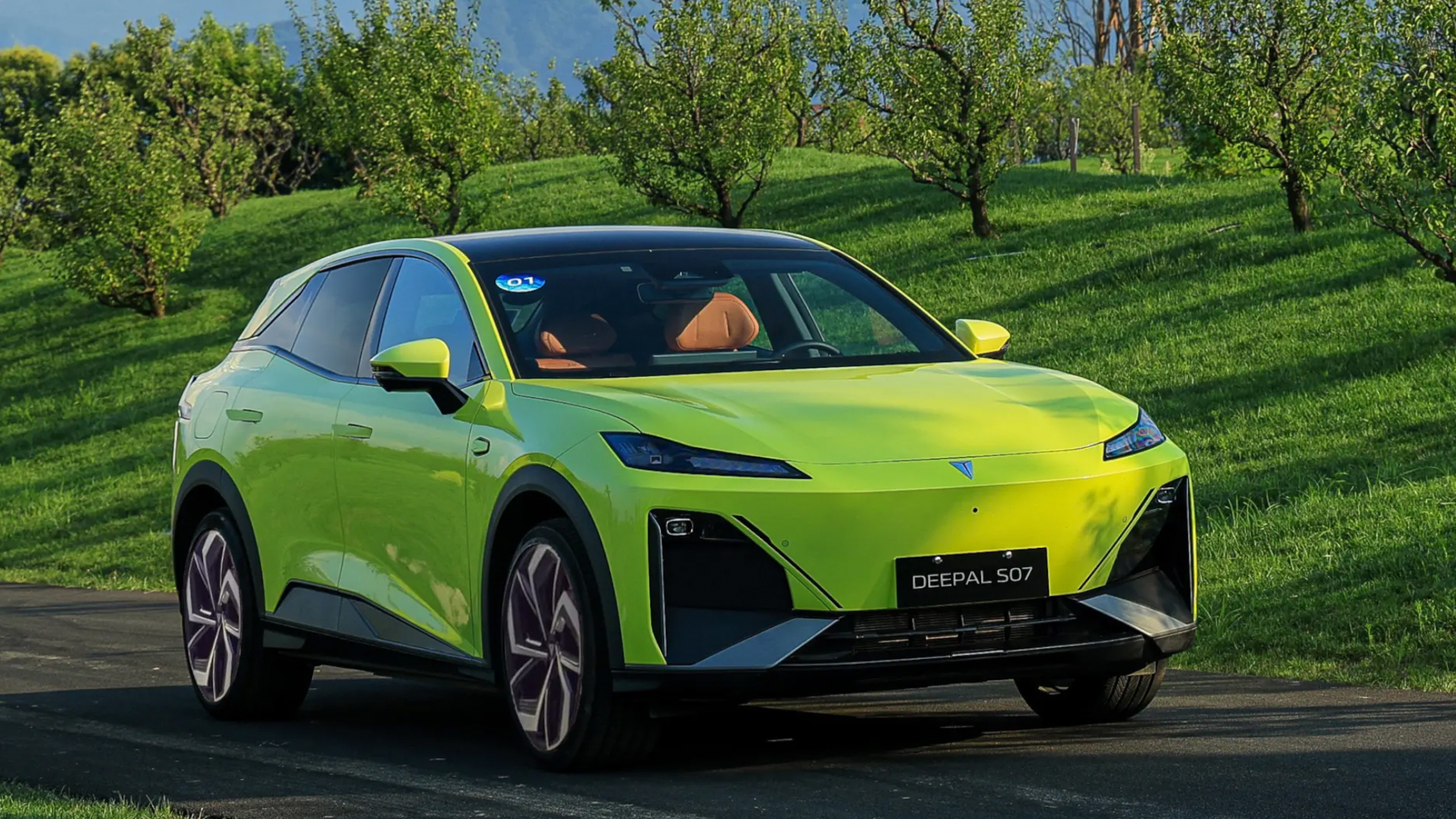
Changan is another brand you might be less familiar with. Its cars are new to the UK market, but the company began producing vehicles in the mid-1980s, made over 2.5 million in 2025, and has had an R&D centre in the UK since 2010.
As with some other Chinese car makers, Changan is a group made up of several brands, including Deepal, Avatr, Changan Auto and Changan Neo. Its UK operation currently sells the Deepal S07, a £40,000 electric SUV with a claimed range of up to 295 miles.
As with many other Chinese SUVs, the S07 has generic styling on the outside and a minimalist cabin on the inside, complete with large central touchscreen and a surprising amount of kit for the price. This includes the 15.6-inch touchscreen, plus heated and ventilated front seats, a head-up display and a large panoramic glass roof. Changan's second UK model, the Deepal S05, is due to arrive in the UK in early 2026.
Xpeng
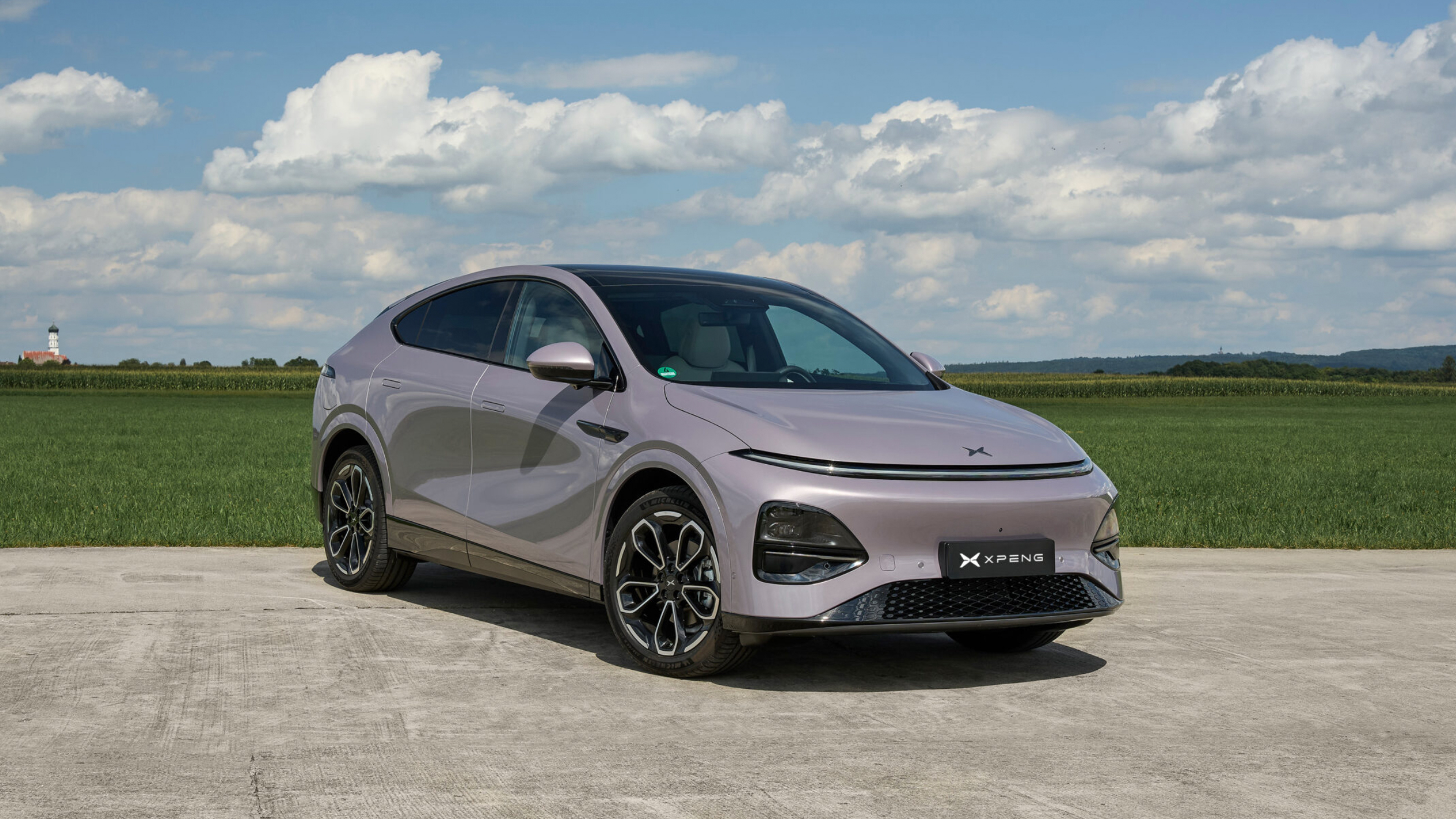
You might have already seen the Xpeng G6, since it’s been on sale in some European countries for a while now. A face-lifted version is marking Xpeng’s UK debut in February, and it’ll go head-to-head with the Tesla Model Y.
Both are somewhat amorphous, but these days cars are sold on their spec sheet as much as their design – probably more so – and in that regard Xpeng is onto a winner with the updated G6. There’s a promise of a maximum charging speed of 451 kW, which is enough to fill the 80.8 kWh battery from 10 to 80 percent in just 12 minutes, if you can find a charger that’s powerful enough. Total range is a claimed 326 miles.
The ride isn’t great, the touchscreen and infotainment system generally are a step below where they should be, and the design is somewhat forgettable. But with prices starting at £39,990, it’s good value for a proper, grown-up sized electric SUV with good range and the promise of incredible charge speed.
GWM Ora
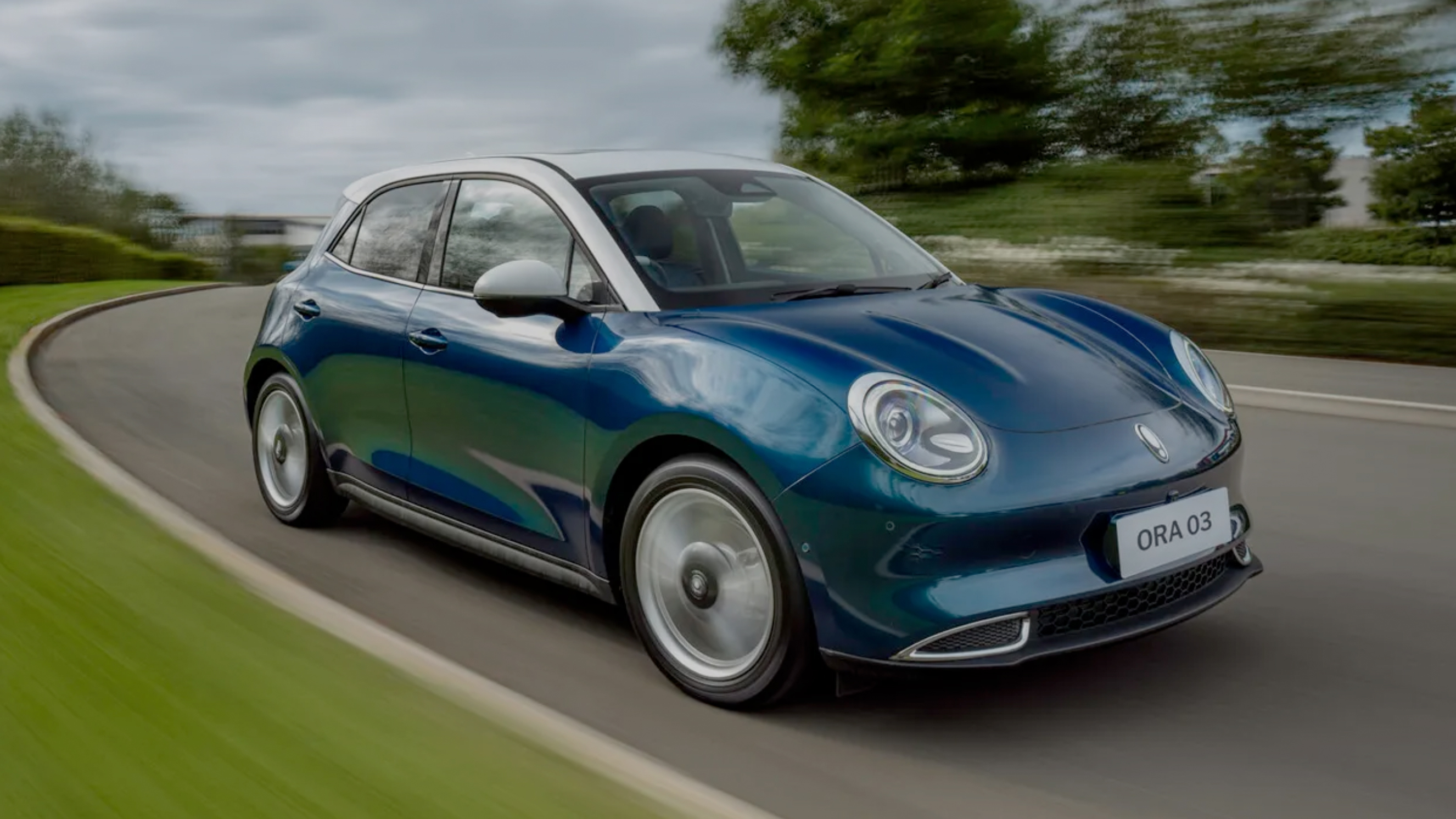
Remember the Funky Cat? That’s what GWM called its electric hatchback before someone suggested it might be considered a daft name by us Europeans. So, like how BYD pivoted away from writing “Build Your Dreams” on the back of its cars, the Ora Funky Cat was renamed the Ora 03.
It looks a bit like a Mini, but is actually quite large and, at just £21,245, feels like good value. GWM (which stands for Great Wall Motors) states an official range figure of between 192 and 261 miles depending on which battery you go for, and to help reassure buyers there’s a five-year, unlimited mileage warranty.
GWM also sells the Haval Jolion Pro – a hybrid SUV that starts at £21,995 – and the POER300 pick-up truck.
MG
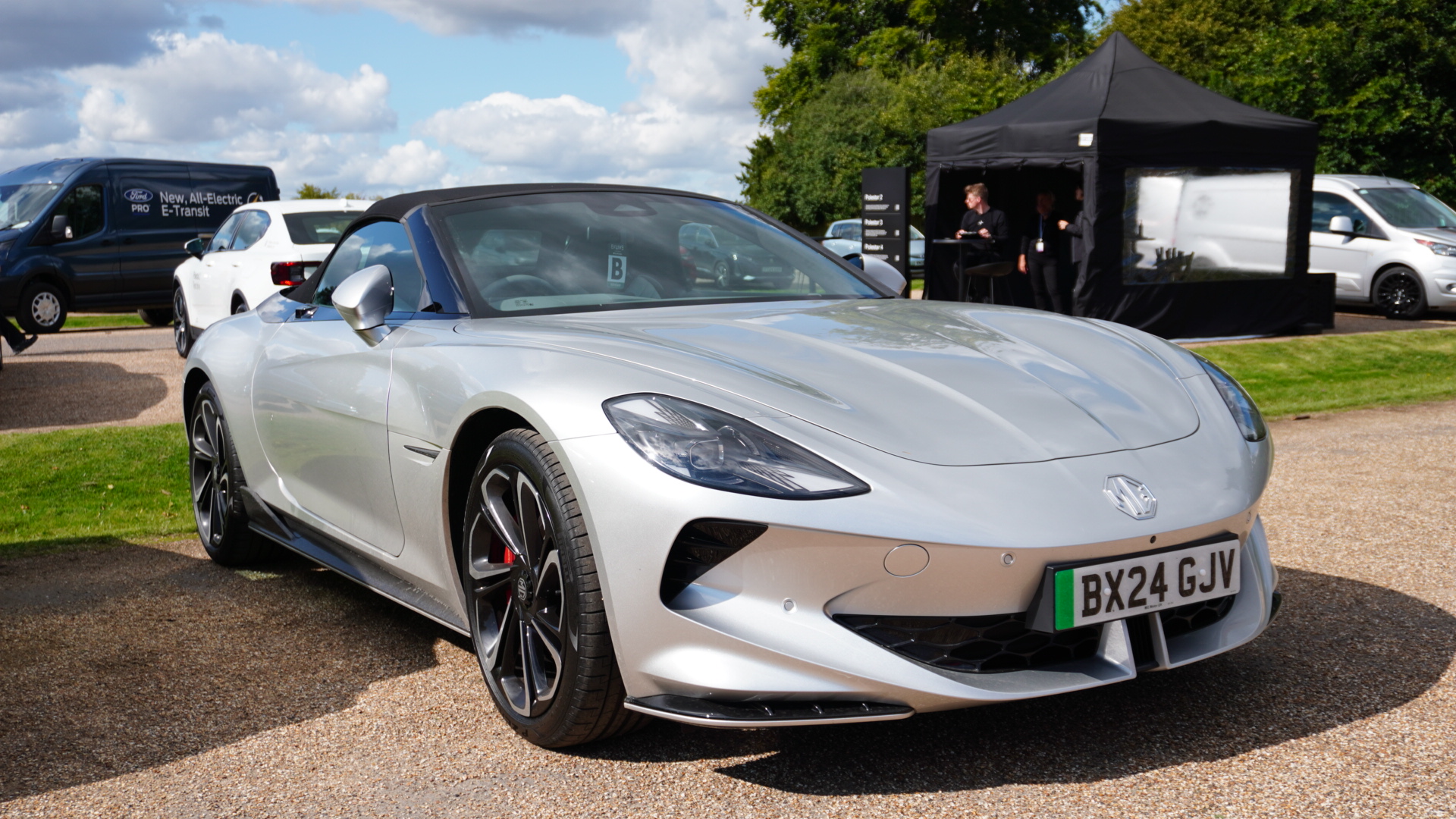
You’ll probably know the story here. Storied British sports car maker MG is now owned by Chinese state-owned giant SAIC Motor, and produces a range of well-regarded EVs and hybrids. Starting at under £20,000, these include the MG3 citycar, MG4, which is popular among Uber drivers, the MG IM5 saloon and MGS5 SUV. The flagship is a total departure from the rest of the range, in the form of the MG Cyberster, an electric, two-seat convertible sports car with supercar-like performance, vertically-hinged doors like a Lamborghini, and a £55,000 price tag.
But wait, there's more to come...
We’re not done just yet, because there are several other Chinese car brands due to arrive in the UK soon. These include a couple of firms that began as technology companies, and a couple of brands that come from the massive BYD group.
Xiaomi
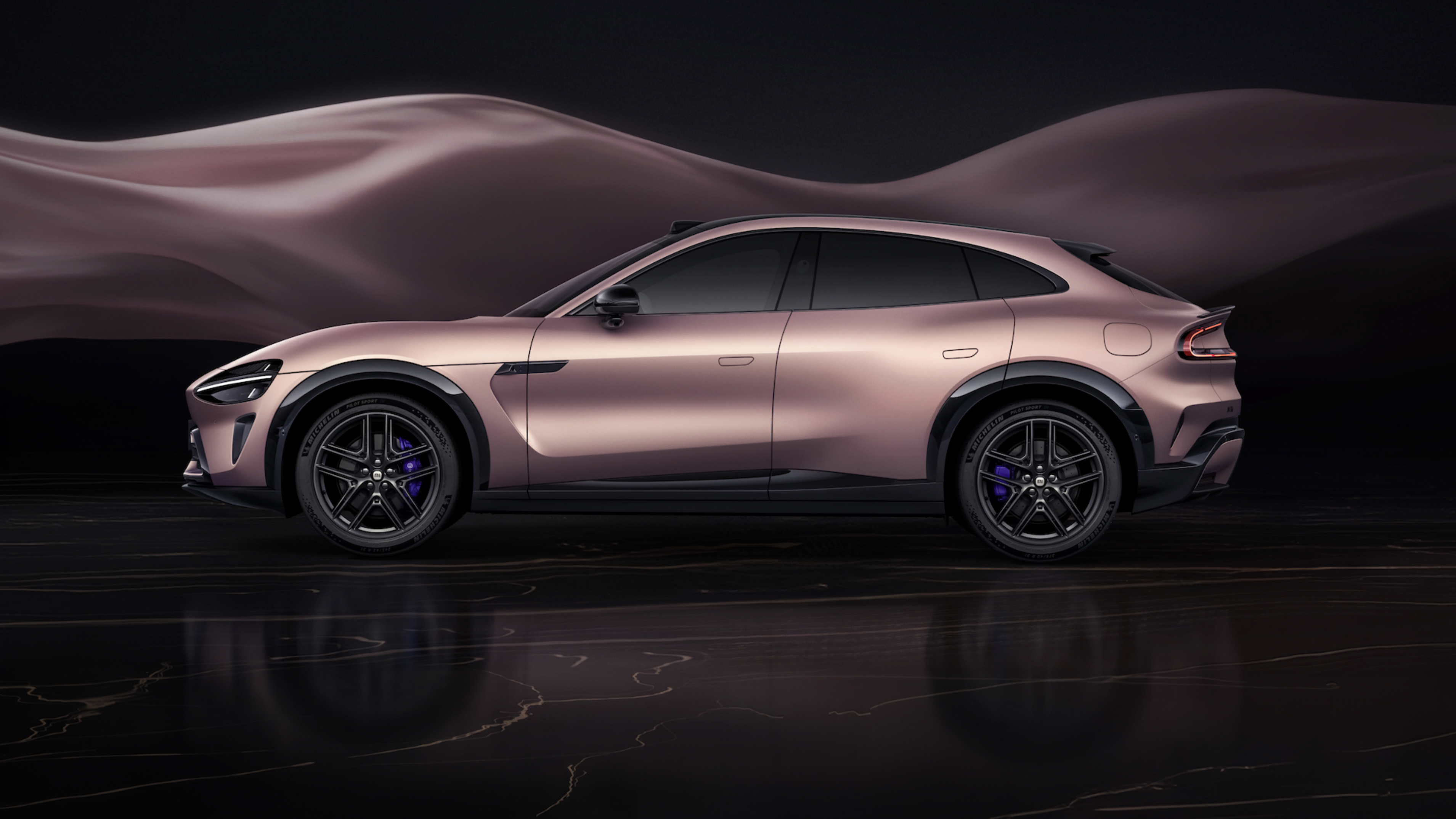
An absolute giant of the Chinese market, Xiaomi is far more than just a smartphone and consumer tech company. It also sells household appliances, luggage, tools, grooming products – and, in China, cars.
Xiaomi’s SU7 saloon and YU7 SUV have sold in enormous numbers since arriving just a couple of years ago. It delivered over 400,000 vehicles in 2025, and claimed to receive 300,000 pre-orders for its YU7 in a single hour. Meanwhile, the Prodrive-modified SU7 Ultra produces 1,500 horsepower and set a new electric lap record at the Nurburgring.
Prices in China start at the equivalent of just £25,800 for the S7, rising to around £34,000 for the larger YU7. Xiaomi says it plans to start selling cars in Europe (and potentially the UK) from 2027.
Denza
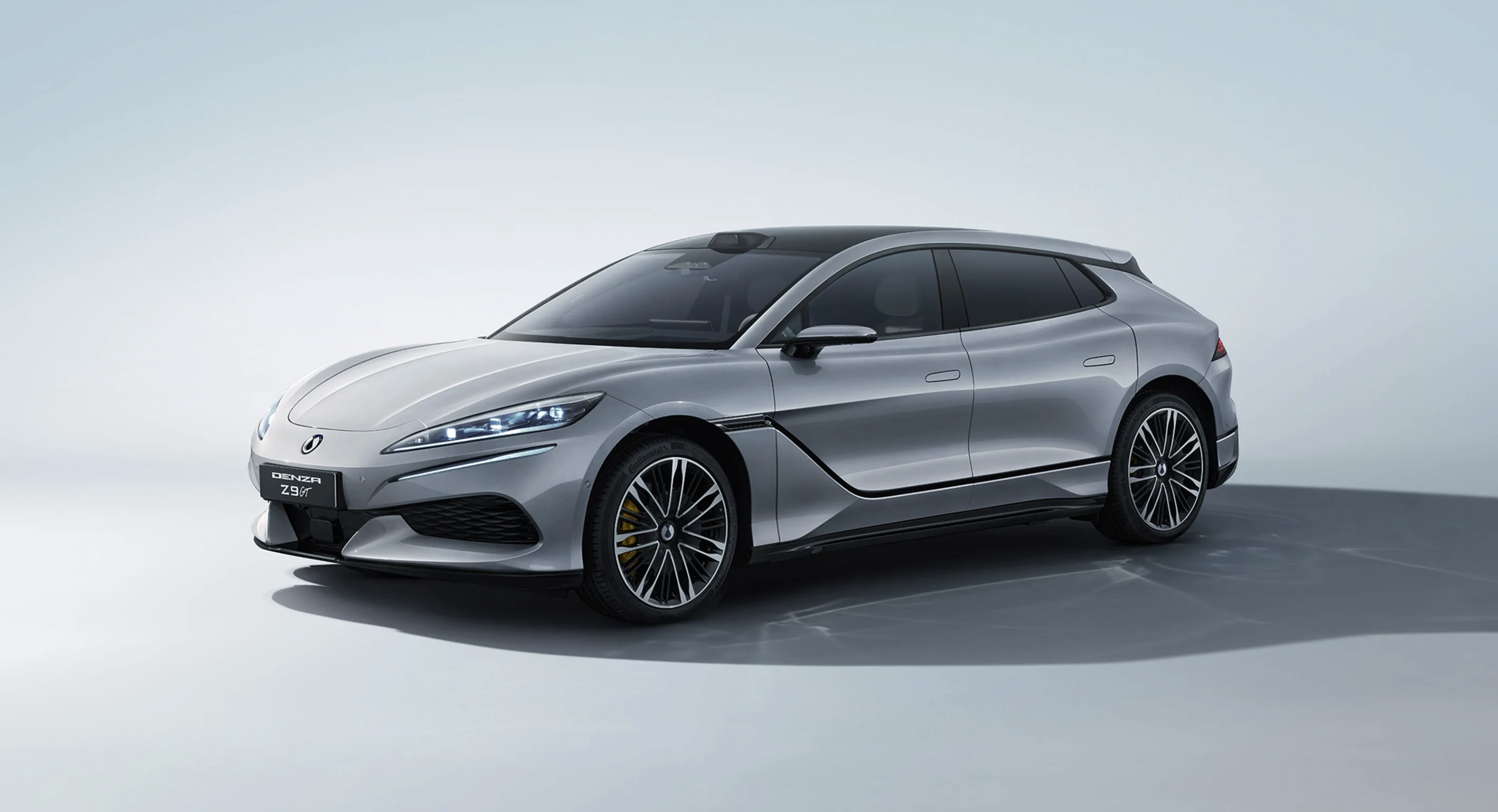
Part of the BYD brand stable, Denza is expected to launch in the UK in mid-2026. Taking aim at premium brands like Audi, Denza will arrive with three cars, called the Z9 GT, D9 and B5. The former is a sleek EV similar in profile to the Porsche Taycan Sport Turismo, while the D9 is a plush minivan and the B5 is rugged off-roader powered by a plug-in hybrid drivetrain.
Prices are expected to be in the £50,000 to £75,000 range, suggesting Denza (and owned BYD) isn't afraid of going up-market and directly challenging, instead of merely undercutting, the European establishment.
Yangwang
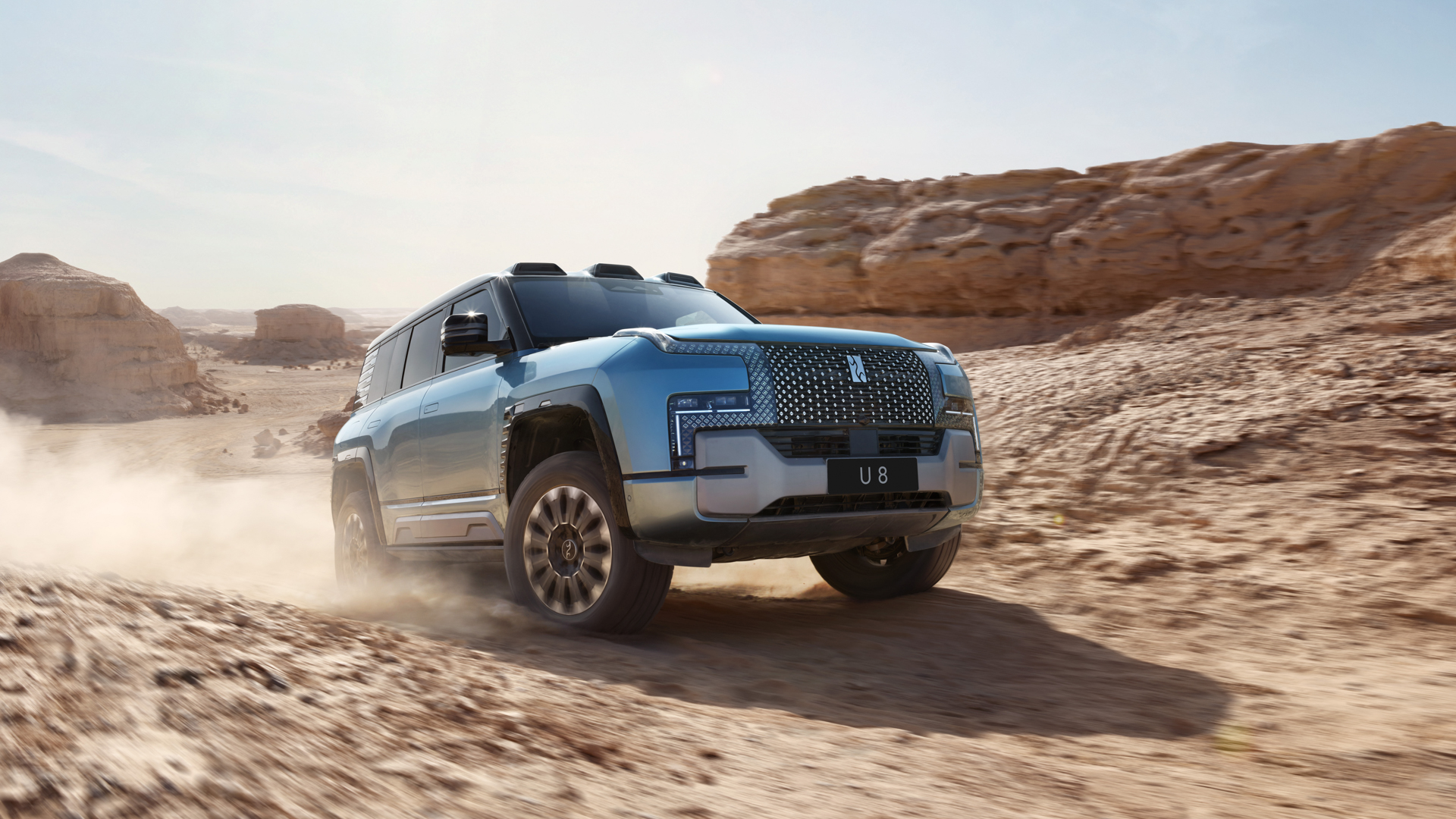
Finally, another BYD brand called Yangwang could also appear in the UK soon. You might recognise a couple of its cars, since they have been shown off at the Goodwood Festival of Speed for the past couple of years.
The Yangwang U8 is a huge, Land Rover Defender-rivalling hybrid SUV with massive performance and the ability to float – and act as a boat – for up to 30 minutes. Handy if you’re caught in a Chinese flash-flood, but perhaps less useful in Milton Keynes.
Lastly, there’s the Yangwang U9, an all-electric hypercar that produces up to 3,000 horsepower in Xtreme spec. Yes, you read that correctly. Double the power of a Bugatti Chiron. Even in standard guise it’s said to pack 1,200hp and a circa-two-second 0-60 mph time. Range is a claimed 280 miles, and in China it costs just £200,000.