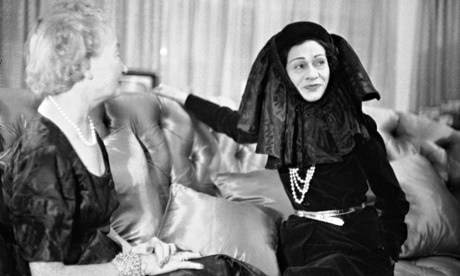
When it comes to funeral attire, whether in full or half mourning, there have always been strict rules to adhere to. Looking more closely at the colours of funeral dress, it’s clear that they are as much of a social statement as they are about grieving.
Although dark mourning clothing can be dated back to the Roman Empire – where people wore dark-coloured togas to signpost their grief – it was Queen Victoria who, for a second time during her reign, found herself a fashion innovator. After inspiring countless brides with her extravagant white wedding dress, she influenced mourning attire by wearing only black for 40 years of her 64-year reign, following the death of her husband Prince Albert, never letting the world forget that she was in mourning for her late husband.
As a result, in Victorian times it was customary for mourning clothes to be worn for a year. Not only by widows and widowers, but also close relatives. These days we see black as a practical option, but it wasn’t worn outside of the mourning period in the 19th century. This public display of mourning, to put aside your everyday clothes and wear only black for a year, wasn’t just a dramatic statement – it was an expensive one. Funeral crape was a fabric that deliberately didn’t go with any other clothing. It couldn’t be worn with lace or other silks so it stood out even more as mourning attire, and it was considered bad luck to wear the same crape after another death. After a suitable period of mourning, usually a year and a day, women switched their dress to paler, muted colours. Perhaps unsurprisingly men had a rather easier time dressing in mourning; they simply wore a darker suit.
Given its ubiquity today, it may be hard to imagine that black was worn only as a colour of mourning until the early 20th century. Coco Chanel’s little black dress changed this. Revealed by American Vogue in 1926, the LBD was designed to be simple and elegant – described by the magazine as “a uniform for all women of taste.” It still nodded to the colour of mourning, possibly influenced by Chanel’s own grief after the loss of her muse, Arthur Edward “Boy” Capel.
Chanel’s influence on how black became a colour for everyday clothing should not be underestimated. From being a sign of mourning it has morphed into the go-to-colour of teenage rebellion, the emblematic colour of Goth chic and punk revolt and the shorthand shade for sexy sophistication.
Chanel freed black from the yoke of symbolising grief and in doing so bright colours, casual clothing and even fancy dress can be present at a funeral ceremony, often at the request of the deceased. We’ve moved on from full mourning in the Victorian ages and, with a little bit of help from Coco Chanel, into a vibrant celebration of life.
Introducing Valspar paint
Valspar can create as many colours as the eye can see – that’s 2.2 million shades, so if your heart is set on a colour, Valspar can match it. What’s more you can save your colour preferences on Valspar’s system, so whether it’s the ideal shade for Laura’s bathroom, or dad’s study, you’ll remember for future reference.
Available exclusively at B&Q, Valspar’s Premium paints feature a super scrub formula so paint won’t fade or chip off when cleaned and it comes in a range of wide range of high quality interior and exterior paints in a variety of finishes. Visit valsparpaint.co.uk to see how you can start colouring outside the lines, or see the range at B&Q.