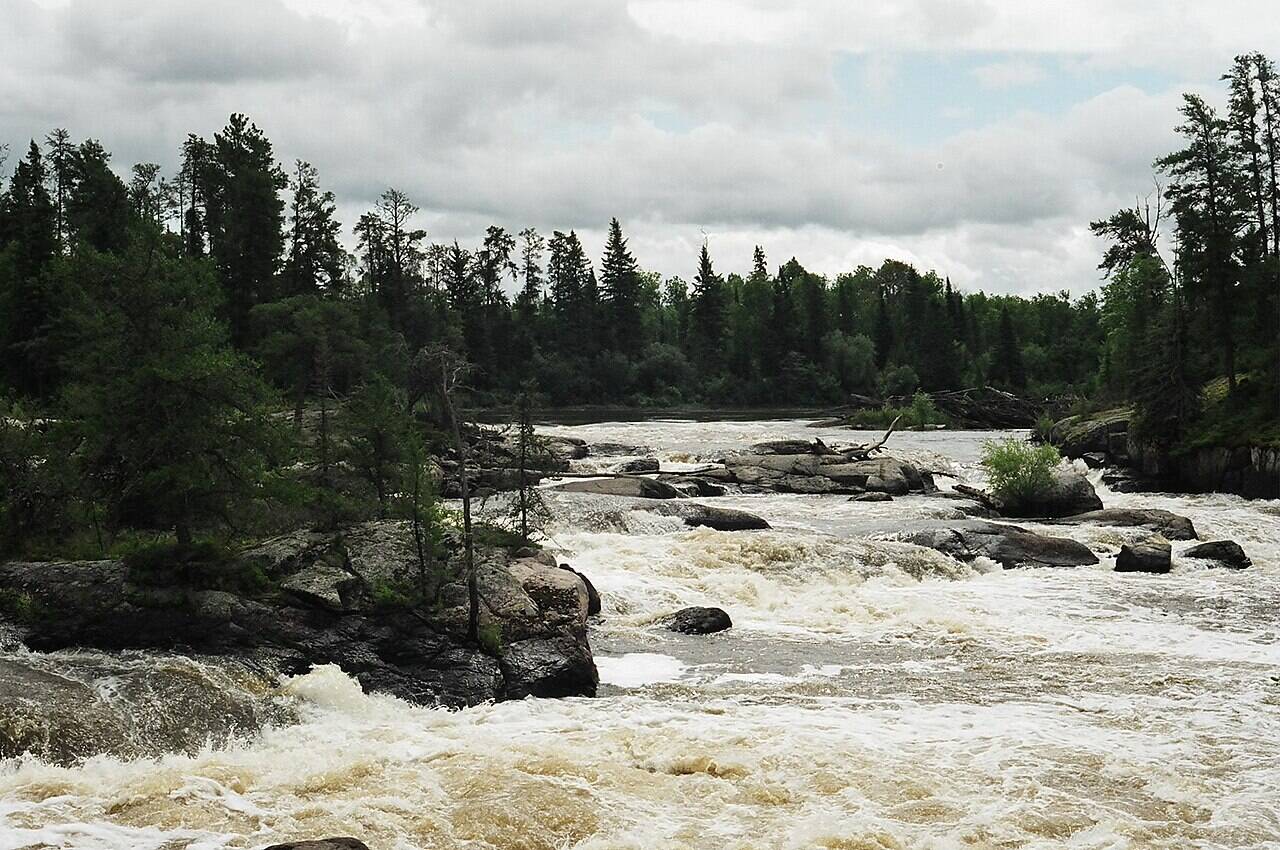
If you travel to Northwestern Ontario, you will find a landscape that seems untouched by the modern world. Lakes mirror the immense pine-filled horizons, and the calm waters of the rivers flow throughout the ancestral lands of the Anishinaabe Nation. For many years, the Grassy Narrows First Nation, also known as Asubpeeschoseewagong, built a distinct culture around those natural resources. The English-Wabigoon River was both a vital resource and a source of pride for the community.
Get breaking news anytime, anywhere. Download the TOI app now!
However, this relationship with the river was shattered by an invisible, odourless poison. Between 1962 and 1970, the Dryden Chemical Company chlor-alkali plant, about 100 kilometres upstream, dumped tonnes of industrial mercury into the river system. The toxic chemical likely entered the food chain, and contaminated fish became a major source of exposure. For decades, community members were told that time would heal the river and that the toxic legacy of the 1960s would slowly wash away.
That promise of natural recovery was challenged by later scientific findings. The ongoing tragedy of this community is laid bare in a critical scientific report published titled Mercury poisoning in the Grassy Narrows First Nation: history not completed . Written by clinical professor H.C. George Wong, the study highlights a discovery that changed the conversation about the river’s safety. The research report compiled by a panel of five leading mercury experts revealed that the water downstream of the old chemical plant contained mercury levels roughly 130 times higher than the water upstream. Rather than definitively proving an active leak, this massive discrepancy raised deep concerns among scientists and community members about a potential continuing source of contamination on the property.
Such a large difference, which came to light in early 2017, was a major blow for residents. The findings showed that the elevated toxic metals in the water were not simply a lingering echo of pollution from fifty years earlier. Instead, it became evident that the shocking statistics indicated that the old industrial zone continues to contaminate the river system with mercury. What many believed had ended turned out to remain a constant threat to the First Nation and the surrounding area.
The heavy toll of a forgotten poison
The suffering at Grassy Narrows is often compared with the mercury poisoning disaster in Minamata, Japan, in the 1950s. When mercury enters water, bacteria can convert it into toxic methylmercury. People who eat fish contaminated with methylmercury can develop Minamata disease, which affects the central nervous system.
For the people of Grassy Narrows, the physical symptoms of this poisoning have haunted families for three generations. Elders and young children alike have suffered from sensory loss, tremors, tunnel vision, loss of motor control, and severe cognitive difficulties. The tragedy was compounded by the collapse of the local economy.
Before the spill, life revolved around fishing. Guiding businesses thrived, commercial fishing provided steady income, and fresh fish were a regular part of dinner. However, after the fishery closed in the 1970s because of contaminated water, the local economy declined sharply. Self-sufficiency gave way to welfare support, and many communities faced poverty for decades after the upstream pollution.
The need for environmental justice
What is especially troubling about the Grassy Narrows situation is that it took decades of political debate over responsibility before serious action was taken. The report changed the discussion by suggesting the pollution was not just a legacy of the past but may still be entering the river.
If the mercury were only sitting in riverbed sediment, downstream levels would likely have fallen by now. The much higher downstream measurements suggest there may be an ongoing source of contamination at the site. The findings increase pressure on the Ontario and federal governments to identify the source and address it permanently.
Residents of Grassy Narrows have shown resilience in keeping attention on the issue. They have organised marches and protests and worked with scientists to push for a safer environment. Environmental justice here requires more than testing and compensation; it also requires full remediation of the river system. Until the contamination stops, people in Grassy Narrows will remain at risk.