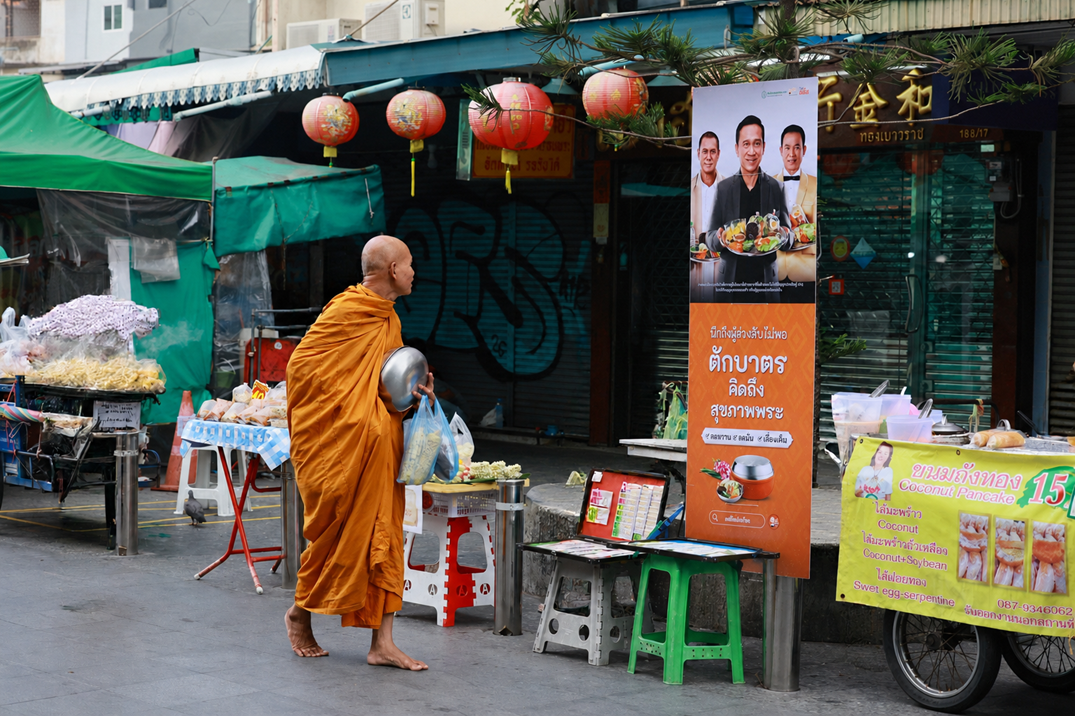
According to the Thai Health Promotion Foundation (Thai Health), monks are at 78% risk of developing non-communicable diseases, with the key factor being that food offered to them during alms-giving is often excessively sweet, fatty or salty.
Between 2023 and 2024, the number of monks and novice monks receiving outpatient treatment remained consistently high at approximately 730,000-740,000 cases annually. The highest number of patients were among those aged 60 to 69 years, with a cumulative total of 545,781 cases.
Nationwide, between 2022 and 2024, high blood pressure ranked as the number one non-communicable disease (NCD) that monks developed which required outpatient treatment.
Health screenings also found that 55% of monks had elevated blood cholesterol levels, while 44% were living with obesity, both of which significantly increase the risk of developing other chronic diseases.
Also, the proportion of monks identified as being in a prediabetic state, where blood sugar regulation has become abnormal but diabetes has not yet fully developed, has more than doubled from 7.9% in 2022 to 18.6% in 2025.
When NCDs remain uncontrolled, they can lead to severe complications requiring hospital admission, including diabetes, ischaemic stroke and heart failure. Declining overall health has also resulted in pneumonia becoming the leading cause of death among Buddhist monks for three consecutive years (2022-2024).
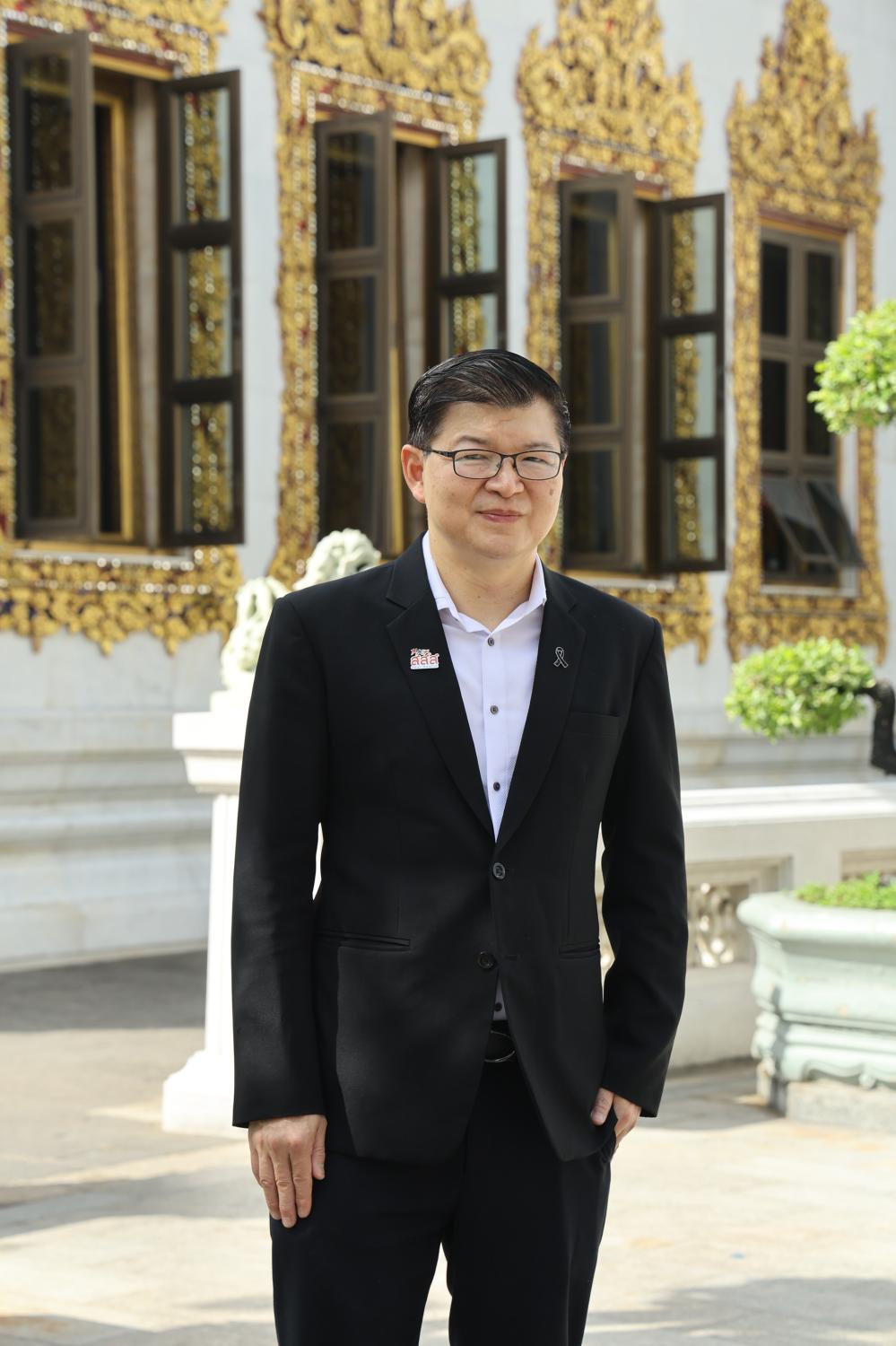
Dr Pongthep Wongwatcharapaiboon, manager of Thai Health, explained that having high blood pressure, high cholesterol and obesity can lead to diabetes. When diabetes, high blood pressure and high cholesterol co-exist, they can develop into ischaemic heart disease or coronary artery disease, which are among the leading causes of death in Thailand.
To help reduce the number of monks with NCDs, Thai Health launched a pilot campaign called "Healthy Alms-Giving Street". The campaign is a continuation of a previous project called "Alms-Giving With Monks' Health In Mind" which raised awareness among Buddhists to offer nutritious food to monks during their morning alms round.
A video ad, part of "Alms-Giving With Monks' Health In Mind", features three late celebrities, Setha Sirachaya, Sorapong Chatree and Yodrak Salakjai. In the video, AI-generated versions of the stars thank their relatives and fans who make merit and offer alms in their memory.
However, they urge people to offer healthier food with lower sugar, fat and salt to monks.
According to Buddhist monastic code, monks must accept food offered by people without demanding or making requests based on their personal cravings. Since people often offer monks food high in sugar, fat and salt content, monks have no choice but to accept it. They also cannot order or purchase healthy meals for themselves.
Additionally, most people believe the deceased and themselves will receive the same food offered as alms in the afterlife. Thus, they usually offer food of their choice instead of considering the monks' well-being.
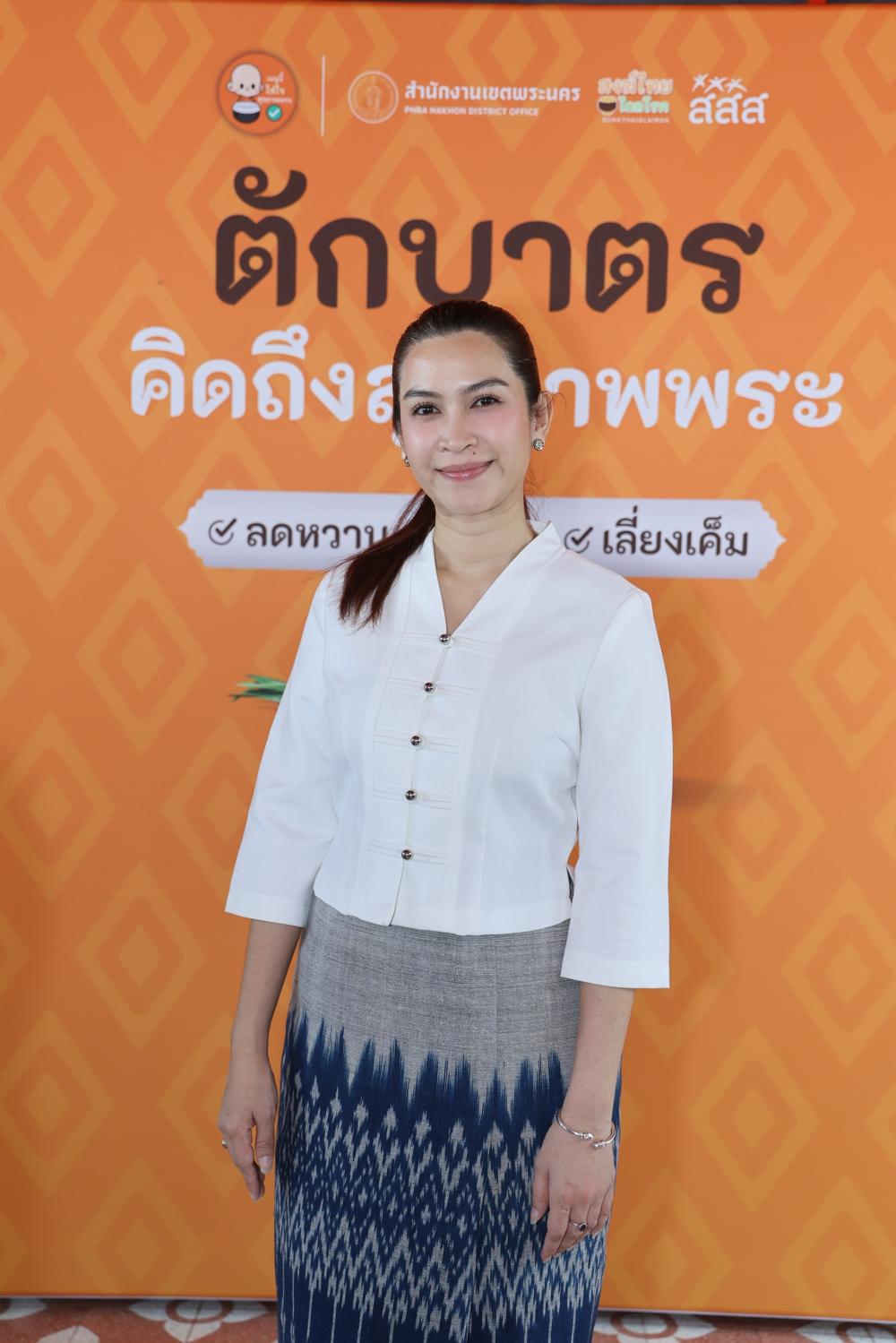
Puttatida Sirachaya, a television producer, singer and daughter of the late Setha Sirachaya, said that besides offering food that the deceased liked, in the past, dishes contained coconut milk which people believed brought them greater merit because they required meticulous preparation.
As this belief has been passed down to present day, many people continue to offer coconut milk-based dishes. Moreover, to bring good luck, people often offer Thai desserts with auspicious names like thong yip, thong yod and foy thong which have high sugar content (thong means gold in Thai).
"I think elaborate dishes do not necessarily need a coconut-milk base. If monks have food with coconut milk every day, they will probably get bored," said Puttatida.
"In fact, there are many Thai dishes that are healthy. As for desserts, we should offer fruit instead. Not only will the monks have a healthy diet, but those who come to make merit at the temple will benefit from sharing a nutritious meal afterwards."
Dr Pongthep suggested that healthy food offered in alms-giving should include vegetables which are also rich in fibre to aid digestion and promote bowel movement.
"Crucially, fibre slows down digestion and keeps the monks feeling full longer. Additionally, a variety of vegetables provide antioxidants that help reduce the risk of cancer. Aside from vegetables, alms giving should include foods with high protein such as fish and milk," said Dr Pongthep.
"Fish provides an easily digestible protein and contains beneficial fats. As for milk, it should be unsweetened. Rice should be unpolished rice, such as riceberry or brown rice since it slows the rise in blood sugar, making monks feel full longer. Most importantly, sweet, fatty and salty food offering should be reduced."
Apart from cultural beliefs about making merit, buying ready-made meals from vendors, located near alms-giving areas, plays a significant role in the monks' unhealthy diet. Vendors often make the same type of sugary, fatty and salty food. People repeatedly buy them because it is convenient as most people do not have time to cook for themselves.
Hence, in collaboration with the Phra Nakhon District Office, Wat Bowonniwet Vihara, Wat Chana Songkhram, Wat Sangwet Witsayaram and local businesses, Thai Health launched the pilot campaign "Healthy Alms-Giving Street" along Kraisih Road in Bangkok. Dr Pongthep explained that they chose to launch the campaign on this street because it is a popular spot for people to make merit and offer alms to monks. Thai Health hopes Kraisih Road will serve as a model for healthy alms-giving which takes into account the well-being of monks.
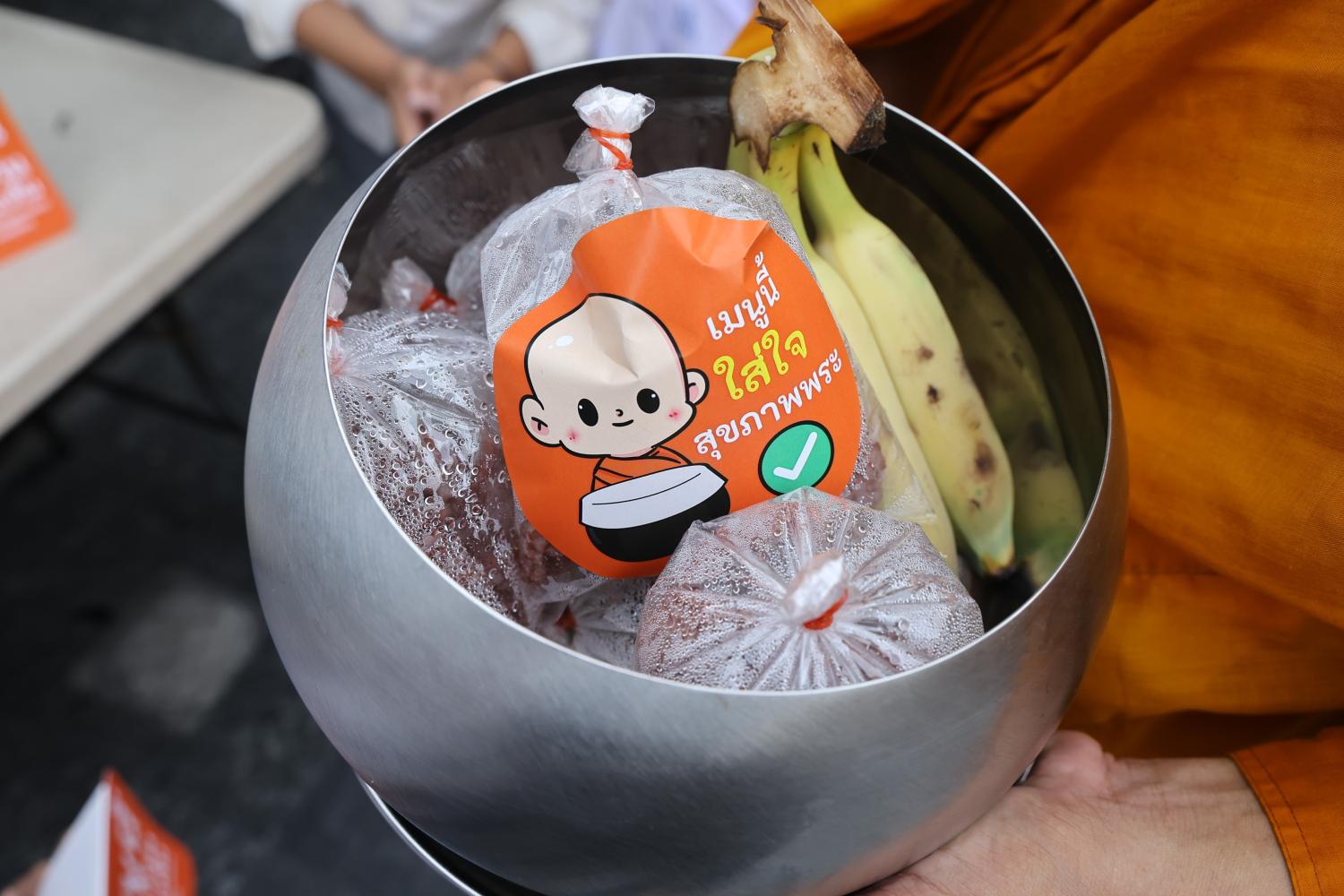
In addition to making food offerings more nutritious for monks, Thai Health joined forces with many eateries and vendors on Kraisih Road to provide healthy ready-to-eat meals for alms-giving. Narumon Yomnak, the owner of Mae Tui restaurant, which is one of the participating shops on Kraisih Road, said that she agreed to adjust their recipes in order to contribute to the monks' well-being.
"Mae Tui's shop has always prepared food for people wishing to offer alms. When Thai Health approached us to explain both the concept behind the project and the growing health challenges facing monks, it changed the way we viewed our role. We realised that we are not simply selling food, we can also contribute to monks' well-being through the meals we prepare," she said.
"We therefore adjusted our recipes by reducing sugar, fat and salt while increasing the proportion of vegetables. Since introducing healthier meals specifically for alms-giving, the response has been extremely encouraging.
"Many Buddhists have asked about the healthier options and are happy to choose them once they understand the purpose of the project. We are truly delighted and proud to play our part in supporting the health of Thailand's Buddhist monks through this meaningful act of merit-making."
Dr Pongthep hopes that other districts and provinces will follow the campaign for monks' well-being.
"Our goal is to have monks in good health, so they can effectively spread Buddhism. As Kraisih Road serves as a pilot area, we hope other districts in Bangkok and other provinces will implement similar projects. The campaign can be initiated by communities taking action by themselves without waiting for the authorities."