It can be easy to be overwhelmed when trying Pilates.
It’s a demanding style of movement that requires control, strength and stability, and is as mentally challenging as it is physically stimulating.
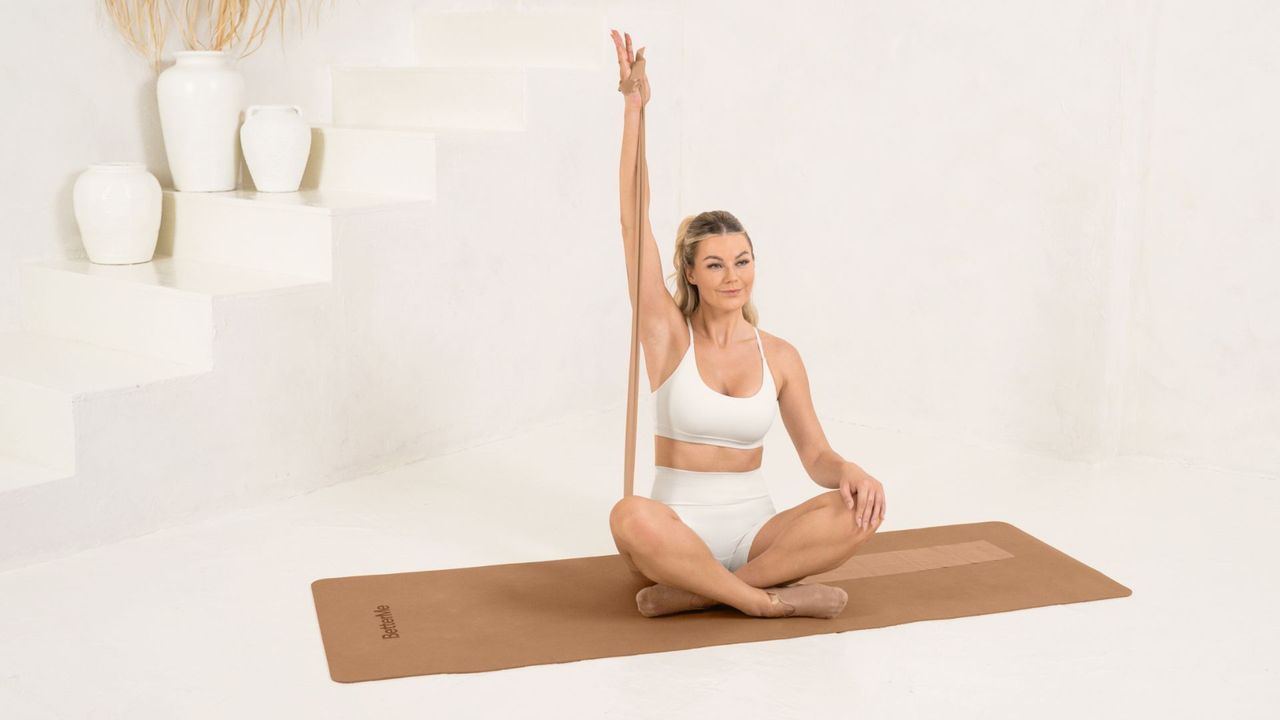
But, according to certified instructor Evia Valeniece, one simple thing can make or break your practice, especially if you’re new to Pilates: breathing.
“When I first started, I didn't know anything,” the BetterMe instructor tells Fit&Well, describing how she was initially self-taught.
“I just found videos on YouTube that were put together with music and a timer, but no verbal guidance.”
Once she earned her certifications and started teaching regularly, she quickly realised the importance of verbal cues to guide people on how to breathe during an exercise.
“Not just how to breathe, but when to breathe, and most importantly, to breathe, because lots of people just hold their breath,” she says.
Generally, she says, the golden rule in Pilates is to inhale through your nose when preparing to perform the exercise and exhale through pursed lips on effort.
“But don’t be discouraged if all of a sudden you feel like you’re breathing wrong,” she stresses. The most important thing to remember is to keep breathing.
“You can breathe however it feels good for you, just don’t hold your breath.”
Valeniece says holding your breath during a Pilates sequence will make the workout as much as “50% less effective”.
It’s why she always encourages clients and fans of her online classes to follow Pilates plans that are verbally guided.
“Verbal instructions will not only guide you on how to breathe, but also which muscle you should focus on during an exercise, plus how to fix your form to reduce risk of injury.”
If verbal instructions aren’t available to you, Valeniece suggests performing an exercise for time, rather than a number of repetitions, which will encourage you to slow down and focus on technique and good breathing mechanics.
Some instructors, especially classical Pilates instructors, try to enforce this very strict breathing pattern, which Valeniece says can be quite counter-productive.
By contrast, when performing Pilates for rehabilitation purposes, Valeniece says it’s better to guide people to just breathe however feels comfortable to avoid holding their breath.
“The most important thing to remember is to breathe. When appropriate, inhale on prep and exhale on effort. But, fundamentally, you just have to breathe.”