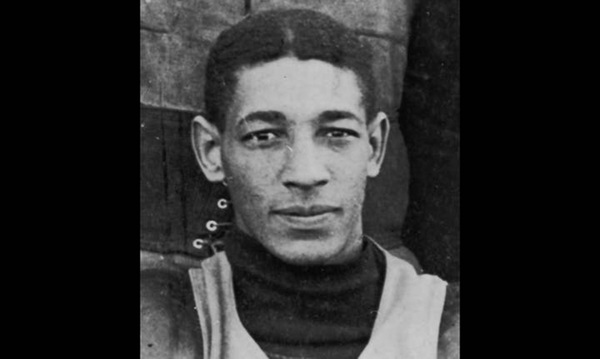
MINNEAPOLIS _ Odds are Bobby Marshall is the greatest football player, the most distinguished Minnesotan and the most multifaceted Black pioneer you've never heard of.
As the first full century of NFL games officially faded into the history books this past week, today's players look forward to a future in which their voices can impact social justice. But it's also important, leaders say, to look back and honor the backs upon which today's opportunities were built.
"It's amazing to me what those guys went through to give us the opportunities we have today," said Vikings co-defensive coordinator Andre Patterson, a 60-year-old Black man. "I don't know if I could have done it."
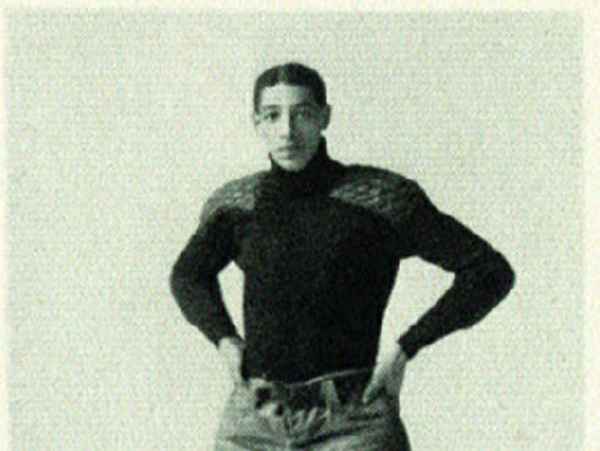
Born the grandson of Virginia slaves on March 12, 1880, Marshall was 40 years old, a Minneapolis lawyer and the state's grain commissioner when one of his part-time gigs as a three-sport legend in football, baseball and hockey led him to becoming the first person of color to play a game in the American Professional Football Association, which was later renamed the National Football League.
On Sept. 26, 1920, two weeks before Pro Football Hall of Famer and celebrated Black pioneer Fritz Pollard made his debut with the Akron Pros, the 6-2, 195-pound Marshall hopped a southbound train and played both ways at end as his Rock Island (Ill.) Independents blanked the visiting St. Paul Ideals, an independent pro team, 48-0 in the first game played in league history. On Oct. 3, Marshall's Independents beat the Muncie Flyers 45-0 in one of the first two games between APFA teams.
Marshall and Pollard were the league's only Black players that year. Eleven more would play between 1921 and 1933 before an unwritten rule among owners _ veiled as a "gentleman's agreement" _ kept Black players out of the league until 1946.
"I give all those guys equal credit because 1920 was a time when racial unrest in this country was worse than it is today," said Joe Horrigan, retired Pro Football Hall of Fame executive director and the foremost historian of the game.
The country was a tinderbox of tension as it recovered from the Spanish flu pandemic of 1918 and the end of World War I. Black workers were migrating from the South in search of better jobs and more racial equality for their contributions to the war efforts. And Black men were being lynched, including three in Duluth on June 15, 1920.
Marshall and Pollard became targets of racism from fans and opposing teams. Pollard would dress in the Akron owner's nearby cigar store and often be driven by car to midfield moments before kickoff to avoid bottles being thrown at him.
"On the field, Fritz once told me that his trick was to roll over onto his back as soon as he was tackled," Horrigan said. "That way his cleats were pointing up and he could literally kick guys away as they were coming to pile on."