
If you’re already wondering how you’ll cope without your weekly fix of footmen and lady’s maids now the current season of Downton Abbey has ended, cheer up: we have some good news. Believe it or not, there are similar career paths you can still take – potentially earning six-figure salaries and travel the world in style. We track the rise of the new serving classes and find out what it’s like to work as a servant in 2014 …
Super yacht stewardess

What does the job entail? “Seeing to the every need of the VIP guests onboard,” says the super yacht chief stewardess, who asked not to be named. “You’re responsible for all the drink and meal services, maintenance of the guest areas and cabins and entertainment of the guests and owners. ”
How much can you earn? “£100,000 tax-free,” she says. “I also get bonuses from the owner, and potentially tips from guests. I once made £7,000 in tips in a week, on top of my salary. Plus, no bills, ever.”
What qualifications do you need? “Specialised service skills, and training in etiquette and finesse. For example, you need knowledge of the various serving styles (English, Butler, Russian or classic French) for different meals, and knowledge of appropriate table settings like formal, casual, a la carte or buffet,” says Robinson. “Before I became a stewardess, I studied history. I was academic but I don’t look back. The money suits me and I love the lifestyle. I meet so many influential people.”
What’s it like at work? “It’s hard, and challenging. Comfort is the key to my boss’s happiness. He’s a perfectionist. He’ll only drink wine from a certain region and it has to be served at exactly 7.5 degrees. He also only drinks coffee before specific times, which vary according to the day of the week. You have to read his mood. He will expect one type of treatment one day and the total opposite the next day. He thinks the world revolves around him and can get upset over seemingly trivial things. You must be able to let things wash over you and stay calm. The workload is crazily intense. I’m often so tired in the evening that it’s hard for me to focus. You have to love being on your feet.”
International governess
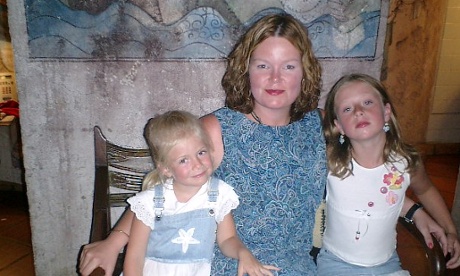
What does the job entail? “Working for a high net worth family abroad,” says Lisa Bavidge, a former governess for several “rather noteworthy” Russian families, who now runs a governess recruitment agency, ABL Personnel. “You’re responsible for the children: you work a five or six day week, teaching the children the whole time – even if you are playing outside or taking a walk with them, you’re teaching them English and stimulating their learning. You also accompany the children to their sports, dance or art lessons, birthday parties and trips to museums and theatres.”
How much do you earn? “A typical 12-month contract includes flights, a furnished apartment with all bills paid, four to six weeks paid holiday and an average net salary of £1,000 per week [equivalent to a gross salary of £80,000 a year],” says Bavidge. “However, you can potentially earn up to £1,500 net per week net [£130,000 a year gross]. You also travel in amazing style and experience a world only available to the truly rich and famous.”
What qualifications do you need? “A PGCE or a bachelor of education is usually required as well as experience working for other VIP or high net worth families,” says Bavidge, who has a BA and a post-graduate diploma in teaching English. “Of course, the parents are also looking for a governess who comes with a well-spoken accent – they want their children develop a perfect elocution. You need lovely manners and a good understanding of etiquette as you will be a living example to the children of how to hold yourself and communicate correctly in a variety of settings.”
What’s it like at work? “You have a lot of autonomy. It is up to you to create lesson plans and think of new ideas and ways to get the best out of the children, so you need to be passionate about what you do,” says Bavidge. “The salary and benefits may seem very good; however, you need to work hard and produce the results the families are looking for.” Living in Moscow, she says, can also be bone-chillingly cold: “Some days you may spend your afternoon and evening sledding in sub-zero conditions.” The work schedule is unpredictable. “Plans get changed all the time – and you’re often the very last person to find out.”
Palace housekeeper
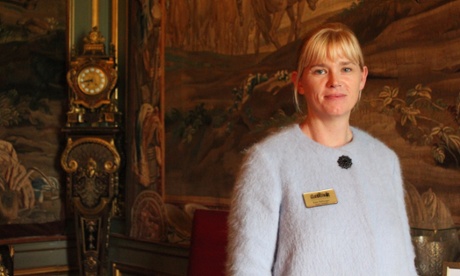
What does the job entail? “Managing conservation projects to preserve the palace collection, planning events, recruiting and managing palace staff and overseeing the visitor business,” says Kate Ballenger, house manager for Blenheim Palace, the principal residence of the Duke and Duchess of Marlborough. Her day-to-day duties range from briefing cleaning staff and palace guides to monitoring the presentation of the palace and dealing with customer service issues. “The worst thing about the job is occasionally having to clean the toilets. There is constantly a need to jump in and do whatever is required on the day.”
How much can you earn? Between £24,000 and £28,000, depending on experience.
What qualifications do you need? “A degree or equivalent in a relevant field: museum studies or conservation,” says Ballenger. “I have a degree in art history and a diploma in art conservation.”
What’s it like at work? “The family and I share a passion to protect the palace and its collection. But as with any stately home that is open to the public, it can be a challenge to balance the day-to-day visitor experience, events and functions with the ongoing conservation and preservation needs of the palace. It takes a strong and organised team to run these in successful parallels, ” says Ballenger. “You need to be calm under pressure and enjoy interacting with visitors.”
Ghillie

What does the job entail? “Traditionally, a ghillie was a manservant for the chief of a Scottish clan, whose role it was to keep the chief’s table stocked with wild game and fish,” says Mitchell Partridge, founder of Skyeghillie.co.uk. Now, you hire a ghillie to help you to stalk deer on the hills or fish for trout or salmon in a loch. “A ghillie, through years of looking at his particular stretch of countryside, will know every little hidden branch under the river bank, every stone and rock in the water where the fish traditionally lie, and where to go for a good day’s sport, no matter what the weather is like.”
A good ghillie, he says, will go through the weather with you, make sure you are correctly dressed for the job in hand and then teach you how to approach a beast downwind or present the fly for fly fishing in the best area of the river. “It’s also my job to make sure you have the right fly for any given day (given the air temperature, how much sun there is, and whether it’s windy or cloudy) and to handle the boat so we don’t go spinning in the river, and to keep your morale up because, after all, it’s called fishing, not catching.” Last but not least, it’s the ghillie’s responsibility to tackle up and bring along all the day’s essentials, such as lunch – and a hip flask of whisky.
How much can you earn? £25,000 to £30,000 if you’re a freelance ghillie like Partridge – less if you live on an estate and get room and board included, particularly if you’re just starting out. “You don’t do this job for the money, you do it because you love it. ”
What qualifications do you need? “A firearms license that allows you to shoot deer and game,” says Partridge. “Other than that, none, except a love for the countryside and everything that’s in it. Personally, I left school at 16 and spent 4 and a half years in the military.”
What’s it like at work? “We have a saying on Skye: a bad day on the river is better than a good day in the office,” says Partridge. “I enjoy being outside and working with nature. I love the seasons. But you have to be prepared to go out in all weathers and be patient with your clients: you repeat yourself constantly. You have to be good at reading people’s moods as well.” His richest clients tend to be more experienced hunters and fishers. “I get some clients who arrive by helicopter. They tended to be kitted out a lot better than the others, that’s for sure.”