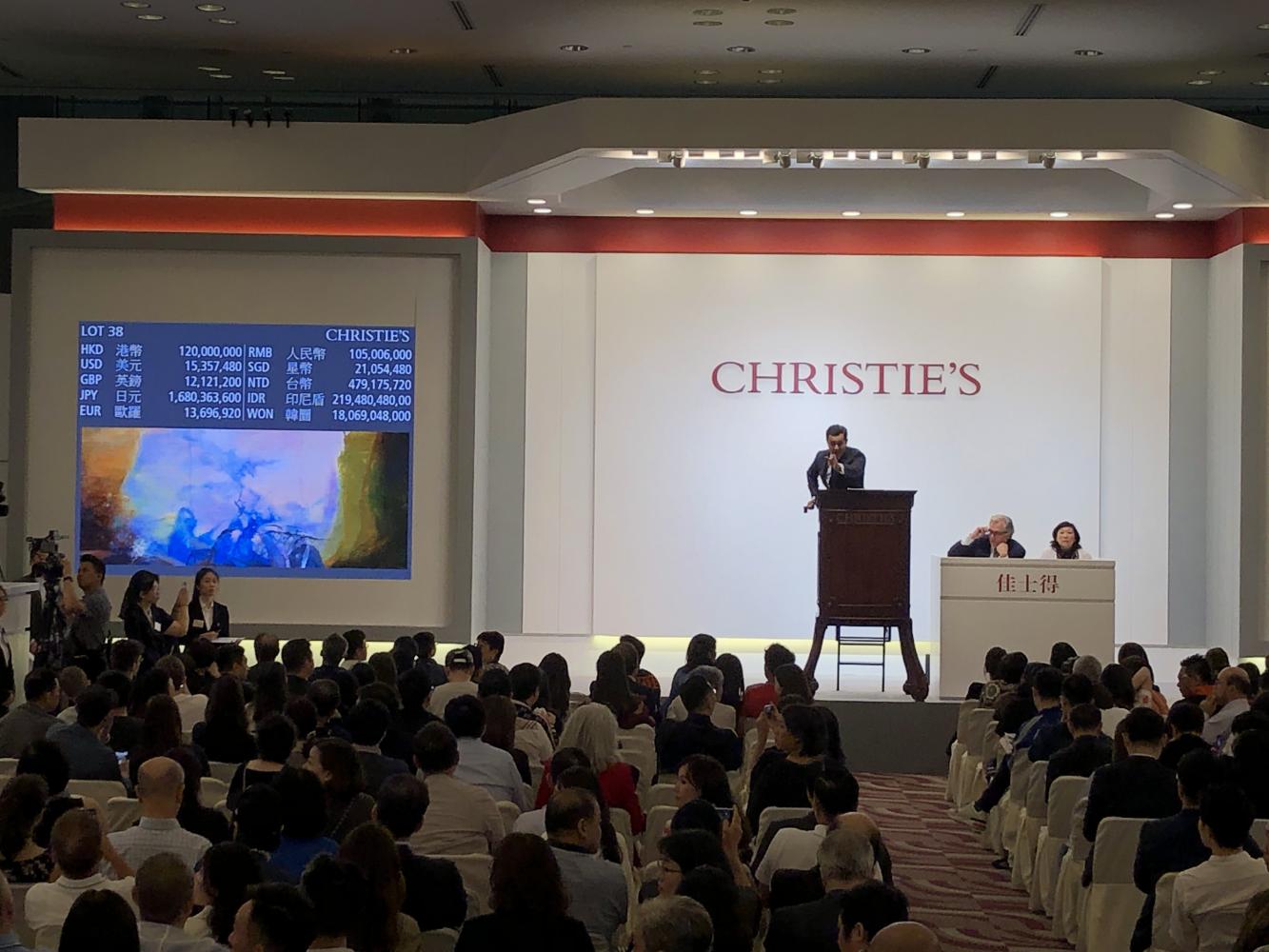
On a recent Saturday in a packed James Christie Room at the Hong Kong Convention and Exhibition Centre, Rahul Kadakia kicked off the auction at 5.30pm sharp. From there the figures quickly rose to dizzying heights, not unlike the skyscrapers that dot the metropolis.
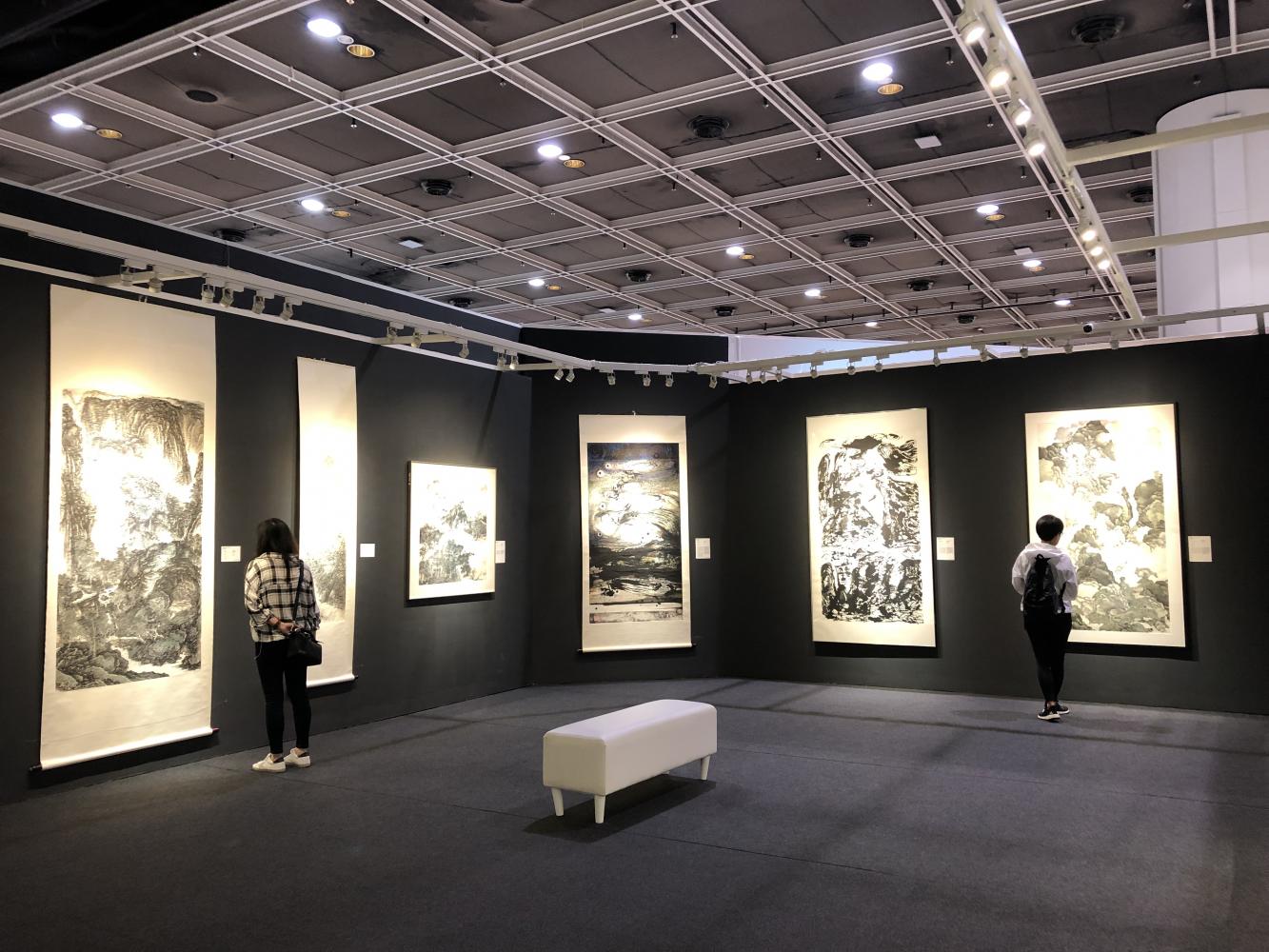
The annual Christie's Hong Kong spring auctions wrapped last week, reflecting the massive Asian appetite for art. That Saturday alone generated around 3.8 billion baht, with eight artists, including Yoshitomo Nara, Jia Aili and the legendary Yayoi Kusama, breaking their world auction records.
With over 250 years of history in the art market, Christie's today has a presence across 46 countries. Since its founder James Christie conducted his first auction in London in December 1766, Christie's has gone on to become one of the leading art markets in the world.
It wasn't until 1969 that Christie's held its first sale in Asia, at the Bijutsu Club in Tokyo. It made it to Hong Kong 17 years later. The expansion into the Asian market continued in 1996 with the opening of the company's Beijing office. In 2013, it became the first international auction house to be granted a licence to operate independently in mainland China, holding its inaugural auction in Shanghai.
But Christie's does not just buy and sell art. The company also holds exhibitions and educational lectures on various art-related topics at venues across the globe, which are free of charge and not limited to the super wealthy who attend their auctions.
In recent years, Christie's has begun to make inroads into the Thai market. According to Thailand's General Manager of Christie's Prapavadee Sophonpanich, the country is one of Christie's fastest growing markets in Southeast Asia.
"[Thai] clients are continuing to expand their tastes across a range of art and luxury categories, and are slowly increasing their bidding on our international sale sites. Between 1998 and 2018, the total value of Thai purchases at our auctions increased by 4,820%," she said.
Following the recent spring auction, Life talked with Prapavadee and Lee William Bingle, Associate Vice President and Corporate Communications Manager (Asia) about the expansion of the art market in Thailand as well as in Asia.
Q: Thailand is still behind China, Hong Kong and Singapore when it comes to art purchases. How can you attract more clients?
Prapavadee: We have invested in a strong local presence with on the ground relationship managers and specialists to service and advise local collectors to the highest standards. Biannually, we also host an exhibition, bringing the finest works to our clients before they are sold in Hong Kong. We plan to host more previews and art forums to educate local buyers and promote Western art categories in the future.
Q: What is the Asian art market like in general? How does it compare to Europe?
Bingle: Although the collecting history of Asian art has been a bit shorter than Western art, we see Asian art catching up in prices and how they are appreciated in the eyes of international collectors. Top Asian artists have been achieving very strong growth globally and their work is being increasingly understood by a foreign audience. In terms of collecting habits, Asian collectors once mainly bought the art of their countries of origin. However, nowadays they have a strong appetite for international art. In 2018, 25% of our global auction turnover was bought by Asian clients.
Q: Christie's also holds a free exhibition for the public. How important is it to expose art to a wider audience?
Bingle: Christie's is a major player in the art world, and as a cultural player, it is our responsibility to contribute to the cultural environment around us. We believe that art and culture should be accessible to all, and we use our significant pool of knowledge and experience to help enrich and share our expertise with the wider public. This is done by exhibitions, lectures, forums and educational programmes -- all open to the public.
Q: Which do Thais generally prefer to buy at auctions -- art or luxury goods?
Prapavadee: In the past, their focus was more on luxury items. However, they have been diversifying their taste to art in recent years.
Q: Has Thailand's political instability affected people's purchasing power or decision when it comes to buying art?
Prapavadee: So far, we've see no major effect in the buying and selling activity of Thai clients.
Q: Where does art really belong? In museums or private collections?
Bingle: The main driver for art collection is passion. Art should be bought by someone who is moved and inspired by the work. Nowadays, the boundaries between private collections and museums are blurring. Many top collectors either choose to open their own museums or loan their works to renowned institutions for display.